title: At-Home Japanese Head Spa Routine: Step-by-Step Guide meta_description: Master an authentic at-home Japanese head spa routine. Discover pre-cleansing oils, dense lathering techniques, shiatsu acupoints, and scalp hydration. affiliate: false
At-Home Japanese Head Spa Routine: Step-by-Step Guide
While professional Japanese head spa studios offer waterfall hydrotherapy and high-magnification trichoscopy, you do not need expensive salon machinery to experience the profound benefits of Japanese scalp therapy. At its core, the Japanese head spa (heddo supa) is built upon physiological principles: thorough sebum emulsification, friction-free cleansing, anatomical acupoint stimulation, and scalp barrier preservation.
In Japanese beauty philosophy, the scalp is regarded as an inseparable extension of the face. Just as you would not scrub your cheeks with harsh abrasives or leave makeup un-cleansed, your scalp requires thoughtful, gentle care. Practicing an authentic at-home head spa routine once a week clears trapped sebum, relieves cranial fatigue, and supports optimal follicular conditions.
Here is your comprehensive, step-by-step blueprint for recreating a Japanese head spa ritual in your own bathroom.

Quick answer: An at-home Japanese head spa routine is a 20- to 30-minute weekly ritual consisting of six sequential steps: 1) gentle pre-wash paddle brushing; 2) botanical oil pre-cleansing to dissolve oxidized sebum plugs; 3) whipping shampoo into dense micro-foam; 4) rhythmic shiatsu acupressure using finger pads; 5) thorough lukewarm rinsing with mid-length conditioning; and 6) post-wash scalp hydration followed by immediate low-heat drying.
The Philosophy: Caring for the Scalp as Facial Skin
Before diving into the steps, understanding the biological logic behind Japanese scalp care ensures you execute each technique with the proper touch.
The scalp contains hundreds of sebaceous glands per square centimeter. When sweat, dead corneocytes, and styling products mix with sebum, they oxidize into waxy plugs (kakusen) around hair roots.
Most people attempt to resolve this buildup by scrubbing vigorously with sharp fingernails or harsh clarifying sulfates. However, mechanical friction creates micro-tears in the scalp barrier, triggering rebound oiliness and chronic flaking. The American Academy of Dermatology Association (AAD) clearly warns against aggressive physical abrasion: "Resist the temptation to scrub your skin because scrubbing irritates the skin."[3]
Japanese head spa rituals solve this dilemma by adhering to masatsu-less (friction-free) principles. Instead of mechanical force, Japanese routines rely on oil emulsification ("like dissolves like") and micro-foam bubbles to lift impurities gently. To explore how salon protocols compare, read our detailed guide on Japanese head spa vs regular scalp massage.

The 6-Step At-Home Japanese Head Spa Protocol
Set aside 25 to 30 minutes once a week. Perform this routine in a warm, relaxed bathroom environment:
Step 1: Pre-Wash Detangling and Scalp Brushing
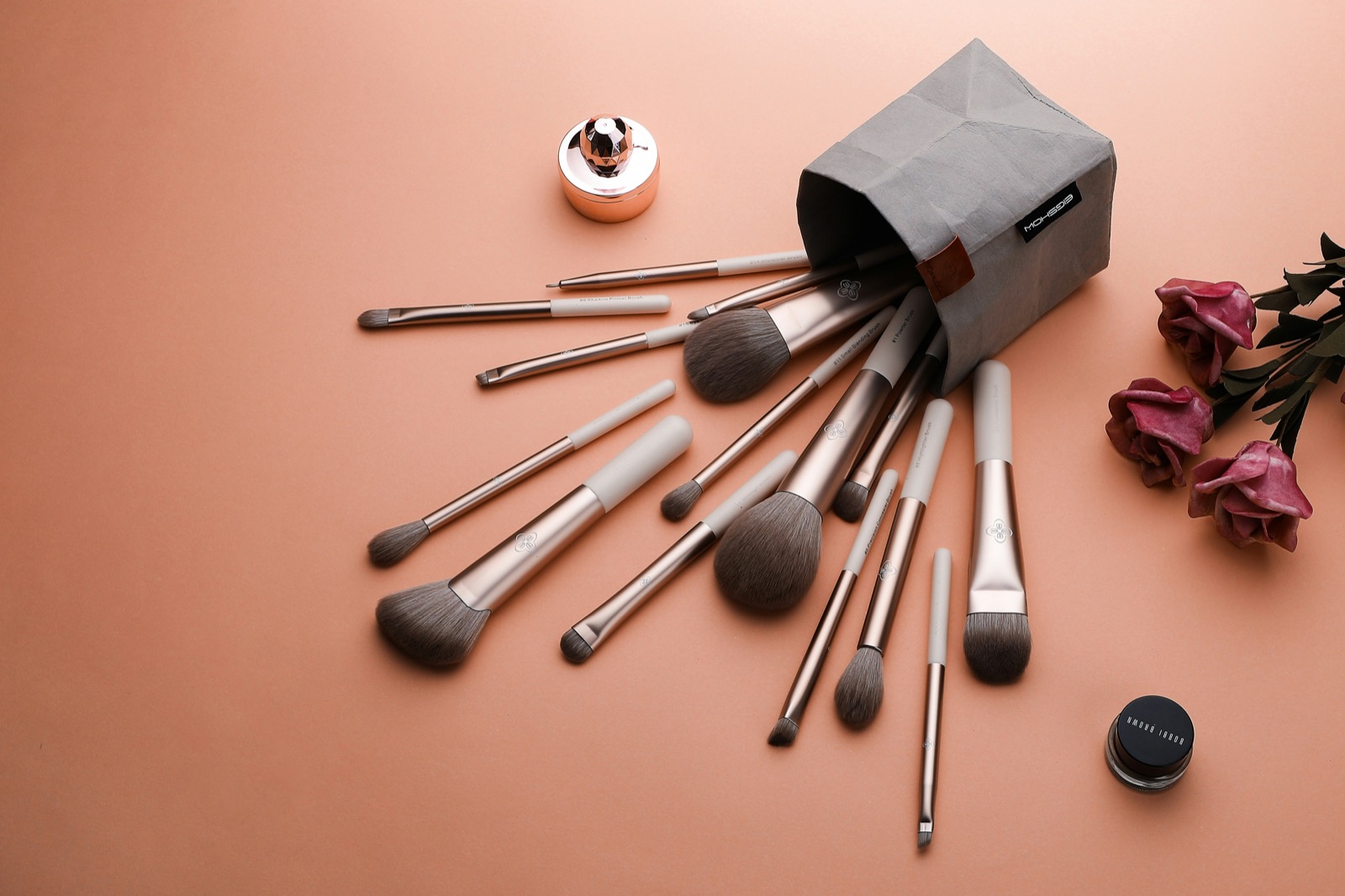
Begin on dry hair before entering the shower. Using a wide-cushioned wooden paddle brush or boar-bristle brush, start at the ends to remove knots, gradually moving upward toward the scalp.
Once detangled, brush from the hairline backward to the crown, and from the nape of the neck upward. This upward brushing sweeps away superficial dust, loosens dead surface flakes, and stimulates cutaneous microcirculation.
Step 2: Warm Botanical Oil Pre-Cleansing
Section your dry hair and apply 1 to 2 teaspoons of a lightweight, gentle plant-derived carrier oil directly onto the scalp. Japanese camellia seed oil (tsubaki), golden jojoba oil, or squalane are ideal choices.
Using the soft pads of your fingertips (never fingernails), massage the oil across your scalp for two to three minutes. Warm oil softens solidified sebum plugs embedded within the follicular infundibulum, allowing them to release smoothly during shampooing.
Step 3: Whipping Dense Micro-Foam Shampoo
Step into the shower and saturate your hair thoroughly with lukewarm water for at least one full minute. This pre-rinse washes away up to 70% of surface debris.
Next, dispense your regular amino-acid shampoo into wet hands or a foaming mesh net. Whip the shampoo into a dense, marshmallow-like foam before applying it to your head. Place the foam directly onto the scalp roots rather than rubbing it down the lengths of your hair. As the AAD directs: "Apply shampoo to your scalp, instead of the entire length of your hair."[1] The dense micro-bubbles act as a protective cushion, cleansing the scalp without hair-on-hair friction.

Step 4: Rhythmic Shiatsu Acupoint Massage
With the foam cushioning your scalp, perform a focused 5-minute shiatsu acupressure massage using your finger pads. Apply steady, rolling pressure to key cranial acupoints:
- Baihui (GV20): Located at the intersection of the midpoint of your head and the line connecting both ear tips. Press downward firmly for 3 seconds, release, and repeat three times to alleviate mental strain and cranial tension.
- Fengchi (GB20): Located in the hollow depressions on both sides of the base of your skull. Press upward with your thumbs in small circular motions to release neck stiffness.
- Taiyang (EX-HN5): Located at the temple hollows. Gently circle with your finger pads to ease jaw tension and ocular fatigue.
Keep your movements slow, rhythmic, and deliberate. The AAD reiterates: "Scrubbing irritates your skin, which can worsen any skin condition, including acne."[2] Think of your hands as rolling and kneading the scalp muscle against the cranium rather than rubbing the surface skin.
Step 5: Thorough Rinsing and Length Conditioning
Rinse your scalp meticulously with lukewarm water for two to three minutes, ensuring zero shampoo or emulsified oil residue remains.
Gently squeeze excess water from your hair, then apply your conditioner or hair mask exclusively to the mid-lengths and ends: "Use conditioner after washing your hair."[1] Avoid applying rich hair conditioners directly to your roots or scalp, as heavy conditioning silicones and quaternary ammonium salts can clog freshly purified follicular openings. Leave on for two minutes, then rinse completely.

Step 6: Scalp Barrier Toners and Immediate Low-Heat Drying
Gently press a soft microfiber towel around your hair to absorb moisture without rubbing.
While the scalp is still slightly damp, apply an alcohol-free hydrating scalp toner or watery essence containing humectants like hyaluronic acid, glycerin, or dipotassium glycyrrhizate. Just like facial skin after cleansing, the scalp requires immediate aqueous hydration.
Finally, dry your scalp promptly using a hairdryer on a medium or cool airflow setting. Never sleep with wet hair or allow your scalp to air-dry for hours. A damp, warm scalp creates an ideal breeding ground for opportunistic yeasts (Malassezia), which can induce dandruff and barrier breakdown.
Essential Tools and Formulations for Your Home Ritual
You do not need a salon-sized budget to assemble an effective at-home kit:
Scroll horizontally to view full table
| Routine Element | Recommended Item | What It Achieves | What to Avoid |
|---|---|---|---|
| Pre-Brush | Cushioned wooden paddle brush | Detangles, lifts flakes, and stimulates blood flow | Fine-toothed plastic combs that scratch the skin |
| Pre-Cleansing Oil | 100% Pure Japanese Camellia (*Tsubaki*) or Squalane | Dissolves hardened sebum plugs safely without stripping | Heavy mineral oils or synthetic fragranced bath oils |
| Cleanser | Gentle amino-acid foaming shampoo | Cleanses scalp skin while maintaining acidic pH (5.5) | High-pH bar soaps or harsh clarifying sulfates |
| Massage Aid | Bare finger pads or soft silicone scalp brush | Provides steady shiatsu pressure to cranial acupoints | Hard plastic brushes or sharp fingernails |
| Conditioner | Hydrating hair mask for mid-lengths & ends | Smooths the hair cuticle and prevents strand dehydration | Applying heavy styling balms directly to scalp skin |
| Post-Care | Watery, alcohol-free scalp hydrating lotion | Restores natural moisture barrier and calms redness | Alcohol-heavy tonics with burning menthol concentrations |