All-in-One Japanese Skincare Gel Review: Benefits & Limits
HydrationBy Miho Tanaka
In traditional Japanese skincare culture, layering multiple distinct products—lotion, essence, emulsion, and cream—is often regarded as the gold standard of beauty ritual. However, modern lifestyles demand practicality. The widespread popularity of the Japanese all-in-one skincare gel (ooru-in-wan jieru) represents a major shift toward streamlined efficiency without sacrificing epidermal health.
These multi-functional hydrogels promise to replace five or six individual steps in a single application. But can a single jar truly match the nuanced hydration of a classical multi-step routine? This comprehensive review examines the practical benefits, realistic limitations, and leading drugstore formulations to help you determine if an all-in-one gel fits your skin goals.
Quick answer:
Are Japanese all-in-one skincare gels worth using?
A Japanese all-in-one skincare gel condenses lotion, serum, milk, cream, and pack functions into a single cross-linked hydrogel network. **Key benefits** include drastic time savings (*jitan*), reduced skin friction (*masatsu-less*), and cost-effective daily moisture. **Realistic limitations** include insufficient lipid occlusion for severely dry skin in cold winter air and a risk of product pilling (*moromoro*) if rubbed under daytime sunscreen. When applied by pressing gently with flat palms, it serves as an outstanding daily hydrator for normal, combination, and oily skin.
The Science and Appeal: Why Japanese Skincare Gels Are Popular
Conclusion: Japanese all-in-one gels use cross-linked polymer water networks to deliver water-soluble humectants and micro-emulsified lipids in a single frictionless step.
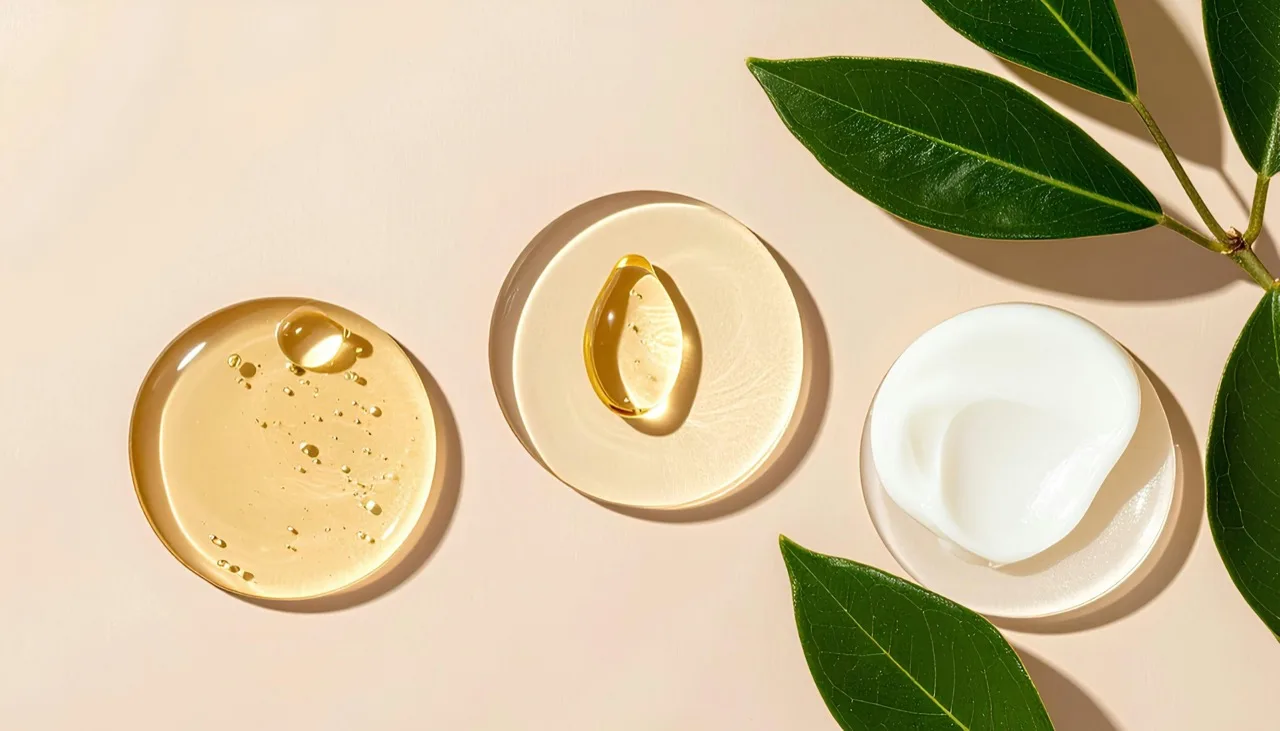
Rather than creating thick, greasy pastes, Japanese cosmetic formulators utilize hydrogel polymer matrices (typically based on carbomers, acrylates, or natural polysaccharides). These microscopic sponge-like networks encapsulate:
Aqueous Humectants: Multi-molecular hyaluronic acids, fermented rice filtrates, collagen, and glycerin that drench the stratum corneum with water upon contact.
Micro-Emulsified Lipids: Minute droplets of squalane, jojoba oil, or ceramides suspended evenly throughout the gel to soften keratinocytes and form a light barrier veil.
In Japanese skincare philosophy, the primary appeal is not just speed (jitan), but the preservation of the skin barrier through friction reduction (masatsu-less). Wiping, patting, and smoothing five separate layers across the face twice every day subjects delicate facial collagen fibers to constant physical dragging. Condensing those steps into one fluid glide minimizes mechanical barrier disturbance.
The Pros: 4 Concrete Benefits of Switching to an All-in-One Gel
Conclusion: Reduced mechanical friction, affordable pricing, and humid-climate comfort make all-in-one gels exceptional for streamlined daily routines.
Drastic Friction Reduction: Minimizing facial contact to one gentle application prevents the micro-tears and redness associated with chronic product rubbing.
Outstanding Cost-to-Volume Ratio: Major Japanese drugstore brands offer generous 80g to 100g jars for between 1,000 and 2,500 JPY, providing several months of daily face and neck hydration.
Breathable, Non-Greasy Comfort: Because the base is predominantly water rather than heavy wax, the gel absorbs quickly without creating a heavy, suffocating film during humid summer months.
Morning Routine Simplicity: Provides immediate hydration and barrier conditioning in 30 seconds, allowing quick transition to daily UV protection.
The Cons and Realistic Limitations to Keep in Mind
Conclusion: All-in-one gels cannot replace customized zonal layering for severe barrier dehydration or dry winter climates.
While versatile, all-in-one gels have clear dermatological boundaries:
Inadequate Lipid Density in Arid Air: In sub-zero winter temperatures or rooms with artificial indoor heating, the water phase in hydrogels evaporates rapidly. Dry skin types often find that the light emollient layer is insufficient to halt transepidermal water loss overnight.
The Pilling Challenge (Moromoro): If you rub an all-in-one gel vigorously or apply chemical sunscreen before the polymers dry, the cross-linked thickeners can roll into small rubbery balls (moromoro), ruining makeup application.
Lack of Zonal Customization: You cannot independently adjust water hydration on your cheeks while reducing oil on your nose; the entire face receives the exact same ratio of water to lipids.
Comparison Table: Top Drugstore All-in-One Gels Reviewed
Conclusion: Selecting the proper Japanese gel depends on whether your priority is multi-depth hydration, brightening, firming, or reactive skin gentleness.
The table below outlines four of the most widely praised all-in-one gels available across Japanese drugstores:
Mature skin, deeply parched skin, winter night care
When selecting formulas for oily or breakout-prone skin, DO choose skin care products that are labeled “oil free” and “noncomedogenic.”[2]
Detailed Reviews of the 4 Leading Japanese Formulas
Conclusion: Each leading Japanese all-in-one gel targets a distinct dermatological priority, from intense hydration to antioxidant replenishment.
1. Hada Labo Gokujyun Perfect Gel (Rohto Pharmaceutical)
The gold standard for moisture-focused consumers. Combining five molecular weights of hyaluronic acid with skin-identical ceramides and squalane, this thick gel acts as an intensive moisture reservoir. It is fragrance-free and alcohol-free, making it a reliable overnight sleeping pack.
2. Shiseido Aqua Label Special Gel Cream Moist
Formulated with Shiseido's proprietary amino acid complex and high-density collagen, this formula features a "shape-memory" gel texture that melts smoothly into skin before reforming a protective smoothing veil. It offers exceptional balance between water humectants and soft emollience.
3. Sana Nameraka Honpo Moisture All-in-One Gel
Utilizing non-GMO fermented soymilk rich in natural isoflavones, this clean formula is free from fragrance, artificial color, and mineral oil. It delivers a lighter, cleaner finish than Hada Labo, making it ideal for younger skin or humid summer mornings.
4. Kose Grace One Extra Rich Gel
Tailored specifically for mature complexions, this antioxidant-rich formula incorporates astaxanthin and pomegranate extract to defend against oxidative stress while providing higher lipid concentrations to combat chronic dry patches.
How to Apply Without Pilling: The 3 Golden Rules
Conclusion: Applying by pressing with flat palms and allowing a 60-second setting window completely prevents polymer pilling (*moromoro*).
To enjoy all-in-one convenience without dealing with flaking or pilling:
Step 1: Gentle Cleansing Preparation
Start with thoroughly cleansed skin. Wet your face with lukewarm water and use your fingertips to apply cleanser.[1] Keep cleansing brief; limit baths and showers to five to ten minutes, using warm water.[3] Never scrub with rough washcloths. Resist the temptation to scrub your skin because scrubbing irritates the skin.[1] Rinse with lukewarm water and pat dry with a soft towel.[1]
Step 2: The Hand-Press Technique (Never Buff or Rub)
Scoop an almond-sized amount of gel onto your clean palm. Warm the gel slightly between your hands, then gently press your flat palms across your cheeks, forehead, chin, and neck (hand press). Pat softly to encourage absorption. Do not rub in circular motions, as vigorous friction disrupts the polymer network and causes pilling. DO apply moisturizer after cleansing. Although you have oily skin, it is still important to apply moisturizer to keep your skin hydrated.[2]
While washing, resist the temptation to scrub your skin, even to remove makeup.[2] Practice this same non-dragging gentleness throughout application.
Step 3: The 60-Second Setting Rule Before Sunscreen
Allow the gel 60 to 90 seconds to fully settle and form its protective veil before layering daytime sunscreen or foundation.
If your barrier is acutely dry or recovering from seasonal weather exposure, reapply a gentle moisture layer throughout the day. Apply moisturizer several times a day. Moisturizer plays a key role in healing dry skin.[3]
Signs to Stop and When to See a Doctor
Conclusion: Discontinue gel use if you develop persistent breakouts, heat, or itching around application areas.
While Japanese hydrogels prioritize biocompatibility, polymer thickeners, botanical ferments, or preservatives can occasionally cause contact reactions. Discontinue use and rinse with cool water if you observe:
Stinging, prickling, or hot sensations upon application
Clusters of closed comedones or clogged bumps across the forehead or nose
Sudden redness, rash-like papules, or facial itching
Worsening dryness or rough flaking that fails to subside
Consult a board-certified dermatologist for ongoing irritation. A medical professional can test for sensitivities to specific acrylates, botanical extracts, or preservatives and recommend appropriate gentle care.
FAQ
Q1. Can an all-in-one gel replace a multi-step routine every day?
A. Yes, for normal, combination, and oily skin in moderate climates, it is fully sufficient. (Details)
Japanese all-in-one gels are scientifically formulated to supply water humectants, functional actives, and emollient barrier protection in one step. Only severely dry complexions or those living in harsh winter climates will require supplementary rich creams.
Q2. Why does my all-in-one gel pill (moromoro) when I apply sunscreen?
A. Pilling happens when polymer thickeners are rubbed vigorously or layered before drying. (Details)
To avoid pilling, apply the gel by pressing gently with flat palms rather than buffing in circles. Wait 60 to 90 seconds for the gel matrix to set before smoothing your daytime sunscreen over the face.
Q3. Can I apply a lotion before my all-in-one gel?
A. Yes, layering a watery lotion first is a popular Japanese technique known as "custom boosting." (Details)
If your skin feels especially dehydrated, splashing on a simple watery lotion (*keshosui*) before your all-in-one gel floods the stratum corneum with moisture, allowing the gel to lock in deeper hydration.
Q4. Is an all-in-one gel suitable for acne-prone skin?
A. Lightweight, oil-free all-in-one gels are well-suited for congestion-prone skin. (Details)
Because hydrogels rely predominantly on water and gentle humectants rather than heavy comedogenic waxes, they provide essential barrier hydration without clogging pores or exacerbating surface shine.
Q5. How do I boost hydration in winter if my all-in-one gel feels too light?
A. Practice "zonal top-ups" by pressing a drop of facial oil or cream over dry cheeks. (Details)
You do not need to abandon your favorite gel in winter. Simply apply the all-in-one gel across your entire face, then pat an extra dab of rich cream or a drop of squalane oil specifically over dry areas like the cheeks and eye perimeter.
Summary
Multi-Step Consolidation: Japanese all-in-one gels condense toner, serum, emulsion, cream, and pack steps into a unified hydrogel matrix.
Barrier-Friendly Speed: Saves daily routine time (jitan) while reducing repetitive friction (masatsu-less) on delicate facial skin.
Realistic Limitations: Hydrogels lack heavy occlusive density for extreme winter dryness and can pill if rubbed under daytime sunscreen.
Anti-Pilling Technique: Apply by pressing gently with flat palms (hand press) and wait 60 to 90 seconds before layering sunscreen.
Zonal Flexibility: Pair your gel with a targeted drop of facial oil or cream on dry cheeks when weather requires extra barrier support.
Disclaimer: This article is for general information and education about Japanese cosmetics and their labels. It is not a substitute for professional medical advice, diagnosis, or treatment. Skincare results vary from person to person. Product formulas, availability, prices, and regulations change, and products sold in Japan can differ from versions sold elsewhere, so always check the current label. Do a patch test before introducing a new product, and consult a doctor or dermatologist if you have a skin condition or specific concerns.