Japanese Lotion vs Serum vs Essence: Key Differences
HydrationBy Miho Tanaka
Navigating Japanese skincare aisles can be an exhilarating yet confusing experience. Bottles labeled "lotion," "essence," "serum," and "conditioning water" stand side by side, leaving international shoppers wondering what each product actually does and which ones are truly necessary. In Western beauty terminology, "lotion" usually implies an emulsion or body cream, while "essence" and "serum" represent distinct sequential steps. In Japanese formulation science, however, these terms carry entirely different meanings.
Quick answer:
What is the difference between Japanese lotion, serum, and essence?
The core difference among Japanese lotion, serum, and essence comes down to hydration versus targeted care. A Japanese lotion (*keshosui*) is a watery hydrator that drenches the stratum corneum with moisture immediately after cleansing. Meanwhile, "essence" and "serum" both fall under the single Japanese cosmetic category called **biyoueki** (concentrated beauty liquid)—targeted fluids that deliver active ingredients for specific concerns like brightening, texture, or barrier defense. In a Japanese routine, you always apply lotion first to hydrate, followed by essence or serum, and finish with a milky emulsion (*nyueki*) to seal the barrier.
The Fundamental Roles: Lotion vs Serum vs Essence
Conclusion: Japanese lotion provides foundational moisture replenishment, while serums and essences deliver concentrated functional compounds to address specific skincare goals.
To understand how to build an effective J-beauty routine, it is essential to distinguish between the foundational hydration stage and the targeted care stage:
1. Japanese Lotion (Keshosui)
In Japan, lotion (keshosui) is not an astringent toner designed to strip oil or wipe away residual makeup. It is a watery, humectant-dense fluid engineered to saturate the stratum corneum—the outermost layer of the epidermis. Formulated with amino acids, multi-weight hyaluronic acids, and fermented botanicals, lotion acts like water on a dry sponge: it softens compacted surface cells and dramatically enhances skin receptivity, allowing subsequent active ingredients to absorb into the stratum corneum smoothly.
2. Japanese Essence (Biyoueki)
In Western beauty, an essence is often viewed as a lightweight prep water. In Japan, however, an essence is typically a concentrated fluid formulated with specific functional ingredients, such as yeast ferment filtrates, vitamin derivatives, or tranexamic acid. Japanese essences generally feature fluid, watery-gel textures that absorb rapidly without leaving an occlusive residue.
3. Japanese Serum (Biyoueki)
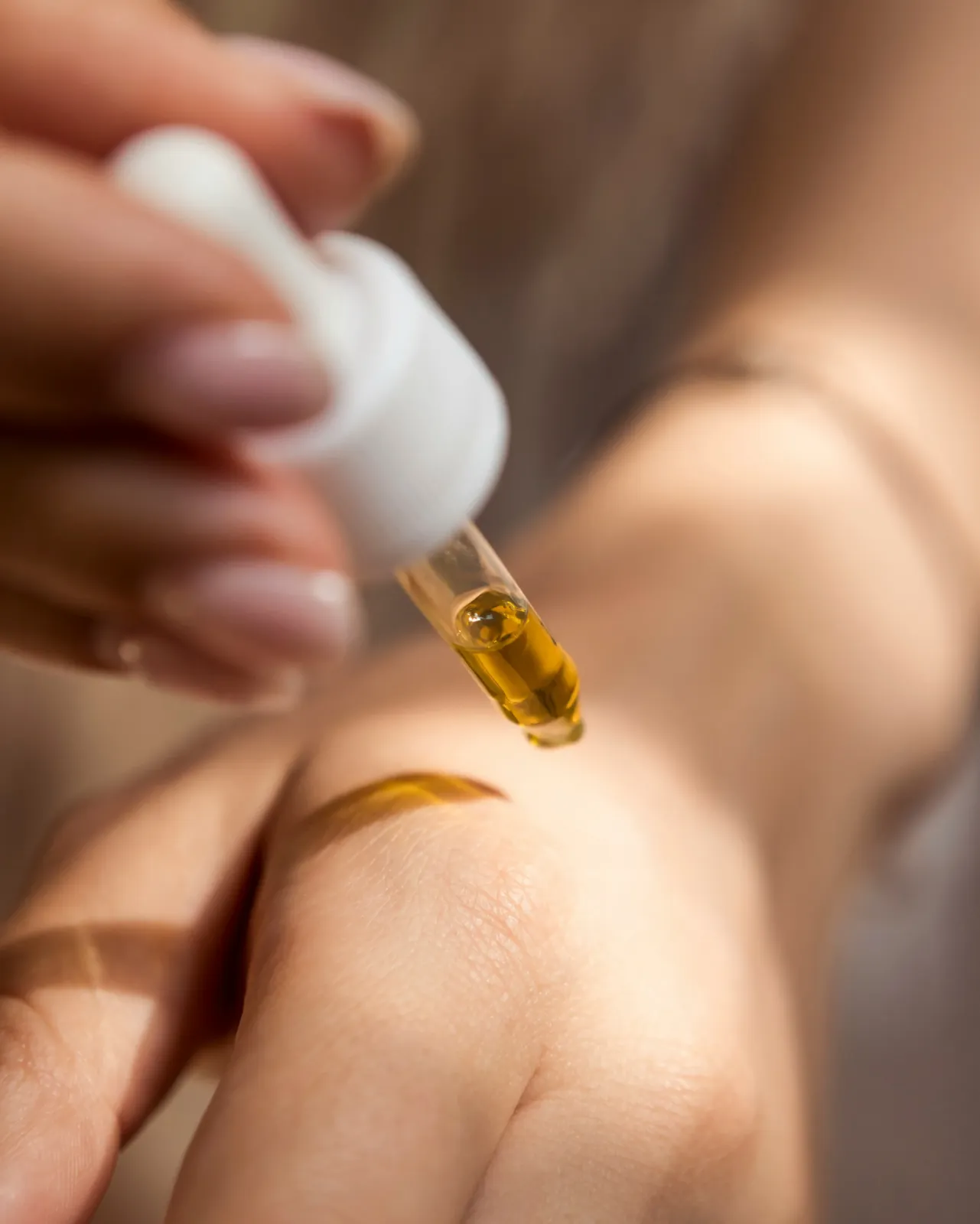
While English product labels use the word "serum" to suggest higher active potency, in Japanese formulation chemistry, serums belong to the exact same product family as essences. Serums often possess slightly thicker viscosities, such as viscous gels, concentrated liquid emulsions, or lipid-infused droplets designed for localized care on fine lines, pigmentation patches, or dry zones.
Japanese Regulatory Reality: Why Essence and Serum Are Both Biyoueki
Conclusion: In Japanese cosmetic regulation, essence and serum are commercial marketing translations of a single official category: biyoueki.
Under Japanese regulatory frameworks administered by the Ministry of Health, Labour and Welfare (MHLW), facial skincare products are divided into strict standardized categories: cleansers, lotions (keshosui), beauty liquids (biyoueki), emulsions (nyueki), creams, and sunscreen packs.
Notice what is missing from this list: there is no separate legal category for "essence" versus "serum." Both are commercial translations of biyoueki. When a Japanese cosmetic house develops a concentrated formula containing active quasi-drug agents—such as arbutin, niacinamide, or dipotassium glycyrrhizate—it registers the product as a biyoueki.
The decision to print "essence" or "serum" on the English side of the carton is purely a branding and textural choice:
A brand formulating a fluid, fermented liquid will often call it an "essence."
A brand formulating a targeted dropper fluid or gel concentrate will label it a "serum."
Both formulas serve the same purpose: delivering concentrated functional compounds directly to the skin.
Side-by-Side Comparison: Lotion vs Essence vs Serum
Conclusion: Evaluating formulation texture, routine placement, and key ingredients clarifies which bottle fulfills each daily skin need.
The table below outlines how these three key skincare categories contrast in texture, purpose, and application method:
Scroll horizontally to view the full comparison.
Product Type
Japanese Term
Primary Function
Texture & Viscosity
Routine Position
Hydrating Lotion
Keshosui
Floods stratum corneum with deep water-soluble humectants
Watery fluid, light slip, or slightly rich viscous water
Step 1 (Immediately after cleansing)
Essence
Biyoueki
Delivers functional ferments and active brighteners
Water-gel, fluid droplet, or lightweight liquid
Step 2 (After lotion has absorbed)
Serum
Biyoueki
Targeted delivery for barrier support, firmness, or spots
Concentrated dropper liquid, light gel, or silky fluid
Step 2 (Layered after lotion, before cream)
Milky Emulsion
Nyueki
Locks in water and active compounds with occlusive lipids
Lightweight milky fluid or soft balancing milk
Step 3 (Sealing step after essence/serum)
When selecting targeted treatments for oily or congestion-prone complexions, DO choose skin care products that are labeled “oil free” and “noncomedogenic.”[2]
Correct Layering Order: How to Maximize Product Synergy
Conclusion: Layering from lowest to highest viscosity allows watery humectants to prime the epidermal sponge before richer care formulas are applied.
In Japanese skincare ritual, product layering is governed by physics: apply the thinnest, most watery consistency first, followed progressively by richer, more occlusive textures.
Step 1: Gentle Cleansing Preparation
Start with clean skin. Wet your face with lukewarm water and use your fingertips to apply cleanser.[1] Keep your cleansing routine gentle and brief; limit baths and showers to five to ten minutes, using warm water.[3] Never rub with washcloths or abrasive tools. Resist the temptation to scrub your skin because scrubbing irritates the skin.[1] Rinse with lukewarm water and pat dry with a soft towel.[1]
Step 2: Foundational Lotion (Keshosui)
Within 30 seconds of patting dry, pour a coin-sized pool of lotion into your palms. Gently press the liquid into your cheeks, forehead, chin, and neck using your flat palms (hand press). Pat lightly until the skin feels cool, plump, and bouncy. If your skin is feeling particularly parched, apply a second layer.
Step 3: Targeted Essence or Serum (Biyoueki)
Once your lotion has settled, dispense your essence or serum. If using both an essence and a serum, compare their textures on your fingertips and apply the more fluid one first. Smooth the formula gently across areas of concern—such as the forehead, cheeks, or under-eye perimeter. While washing, resist the temptation to scrub your skin, even to remove makeup.[2]
Step 4: Moisture Sealing Emulsion or Cream (Nyueki)
Lotion and serums deliver intense hydration, but without an occlusive barrier, that water will evaporate into the surrounding air. Always lock in your layers with a milky emulsion or lipid cream. DO apply moisturizer after cleansing. Although you have oily skin, it is still important to apply moisturizer to keep your skin hydrated.[2]
If your moisture barrier is stressed or compromised, maintain continuous nourishment throughout the day. Apply moisturizer several times a day. Moisturizer plays a key role in healing dry skin.[3]
How to Choose What Your Skin Actually Needs
Conclusion: Lotion is a daily essential for all skin types, whereas essences and serums should be customized to specific seasonal or dermatological priorities.
You do not need to purchase every bottle on the shelf. Follow these practical selection strategies based on your skin priorities:
Dehydrated or Flaky Skin: Focus on a rich, multi-molecular hyaluronic acid or ceramide lotion (keshosui). Pair it with an essence rich in fermented amino acids to rebuild moisture retention.
Dullness & Uneven Tone: Combine a lightweight brightening lotion with a vitamin C derivative or tranexamic acid serum (biyoueki) applied specifically to areas with sunspots.
Sensitive or Reactive Skin: Keep your routine minimal. Choose an alcohol-free, fragrance-free lotion, skip multiple concentrated serums, and seal immediately with a gentle ceramide emulsion.
Signs to Stop and When to See a Doctor
Conclusion: Discontinue serum or active product application immediately if you observe burning, persistent flushing, or rash-like papules.
Layering multiple concentrated products can overwhelm a sensitive skin barrier. Stop using active serums and consult a medical professional if you encounter:
Prolonged stinging, itching, or hot burning sensations upon application
Sudden rough patches, micro-peeling, or contact dermatitis around the eyes or mouth
Widespread redness or inflammation that does not subside within a few hours
A board-certified dermatologist can perform patch tests to identify sensitivities to specific botanicals, preservatives, or high-potency actives.
FAQ
Q1. Do I need to use all three: lotion, essence, and serum?
A. No, using all three products daily is not necessary for most skincare routines. (Details)
Japanese lotion (*keshosui*) is the essential hydration base for every routine. Because essence and serum both belong to the *biyoueki* family, selecting a single targeted formula suited to your primary concern (such as brightening or barrier support) is entirely sufficient.
Q2. Is Japanese lotion applied with a cotton pad or bare hands?
A. Most Japanese dermatologists recommend applying lotion using clean, cupped bare hands. (Details)
Pressing lotion into the skin with warm palms (*hand press*) allows body heat to enhance absorption while avoiding the mechanical friction associated with dragging dry cotton pads across sensitive epidermal tissue.
Q3. Can I skip lotion and apply serum directly after cleansing?
A. Skipping lotion reduces the absorption efficiency of your subsequent serums. (Details)
Applying serum onto dry, unhydrated skin is like placing concentrated drops onto a dry sponge; the ingredients pool on the surface. Lotion primes and softens the stratum corneum, creating water pathways that help serums absorb into the outer layers effectively.
Q4. What is the difference between an essence and a toner in Japanese beauty?
A. A Western toner is an astringent wipe-off step, whereas a Japanese essence is a concentrated active fluid. (Details)
Traditional Western toners focus on balancing pH and stripping sebum. In Japan, foundational hydration is handled by lotion (*keshosui*), while an essence is a targeted care step packed with functional ferments, vitamins, and brightening actives.
Q5. Should I use different serums in the morning versus the evening?
A. Yes, tailoring daytime serums for protection and nighttime serums for renewal is highly effective. (Details)
In the morning, pair your lotion with an antioxidant serum (such as vitamin C) before sunscreen to combat environmental oxidants. In the evening, choose replenishing serums featuring ceramides, peptides, or tranexamic acid to support nighttime skin recovery.
Summary
Foundational Moisture: Japanese lotion (keshosui) is a hydrating fluid designed to drench the stratum corneum with humectants, not an astringent toner.
One Classification: "Essence" and "serum" both translate to biyoueki in Japanese cosmetics, differing primarily in texture rather than regulatory hierarchy.
The Viscosity Rule: Always layer formulas from lightest to thickest: cleanse, apply watery lotion first, follow with essence or serum, and seal with milky emulsion.
Targeted Selection: Use lotion daily for barrier hydration, and select one or two targeted serums according to your specific skin needs.
Gentle Palm Application: Press products gently into the face using flat palms (hand press) to avoid damaging barrier friction.
Disclaimer: This article is for general information and education about Japanese cosmetics and their labels. It is not a substitute for professional medical advice, diagnosis, or treatment. Skincare results vary from person to person. Product formulas, availability, prices, and regulations change, and products sold in Japan can differ from versions sold elsewhere, so always check the current label. Do a patch test before introducing a new product, and consult a doctor or dermatologist if you have a skin condition or specific concerns.