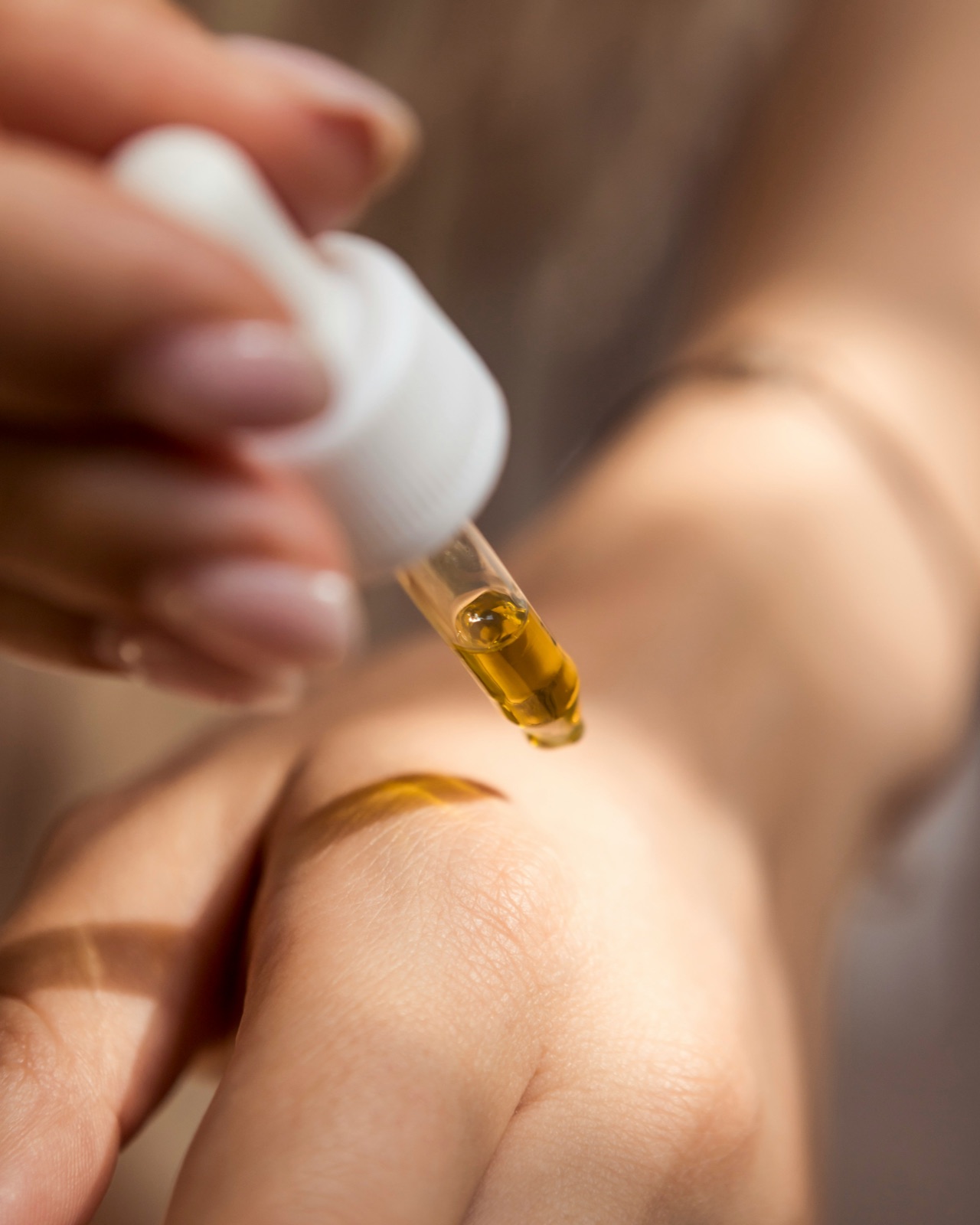
title: "Lightweight Facial Oil Japanese Skincare Step: Complete Guide" description: "Master the lightweight facial oil step in Japanese skincare. Learn squalane, camellia, and rice bran lipid science, application order, and layering rituals." category: "hydration" slug: "lightweight-facial-oil-japanese-skincare-step" hero_image: "/images/stock/skincare-golden-facial-oil-pink-flatlay-1.jpg" hero_image_alt: "Golden lightweight facial oil in dropper bottle representing Japanese skincare step" published_at: "2026-11-20" last_modified_at: "2026-11-20"
Lightweight Facial Oil Japanese Skincare Step: Complete Guide
When many Western skincare consumers hear the words "facial oil," they often imagine heavy, occlusive plant butters that sit atop the epidermis and potentially trigger congestion. In Japan, however, facial oils occupy a remarkably refined niche. Formulated with ultra-purified botanical lipids and biomimetic squalane, Japanese lightweight facial oils are engineered to absorb rapidly, leaving a soft "dry-touch" finish that integrates smoothly into delicate layering rituals.
Far from being a blunt occlusive barrier, Japanese beauty utilizes lightweight oils as versatile functional tools—whether serving as a pre-lotion softening booster, a daytime hydration enhancer, or a targeted sealing layer.
A lightweight Japanese facial oil uses purified biomimetic lipids—primarily botanical squalane, refined camellia, or rice bran oil—to restore the skin's lipid envelope. Applied using the strict "one-drop pressing rule," it softens rigid stratum corneum keratin, reinforces barrier lipids, and locks in aqueous moisture without clogging pores or imparting heavy shine.
The Philosophy of Facial Oils in Japanese Skincare
In traditional Japanese skincare philosophy, healthy skin requires a meticulous balance of sui-bun (water content) and yu-bun (lipid content). While watery lotions (kesho-sui) and milky emulsions (nyueki) provide the bulk of hydration, environmental stressors like air conditioning, indoor winter heating, or natural aging can deplete natural sebum reserves.
Japanese cosmetic houses approach facial oils with distinct principles:
- Micro-Dosing Over Saturation: Unlike Western regimens that frequently prescribe four to six drops of facial oil, Japanese dermatologists advocate for the "single-drop method" (one to two drops maximum per application).
- High Purification Standards: Traditional raw oils undergo molecular distillation to remove free fatty acid impurities and heavy colorants, yielding virtually clear, odor-free fluids that absorb quickly.
- Flexible Layering Sequence: Depending on the formula's molecular weight, Japanese facial oils can be applied before lotion (booster method), blended into emulsion, or pressed over moisturizers as an evening seal.
Skin Barrier Science: Lipids in the Stratum Corneum
The stratum corneum is constantly balancing water absorption from within and environmental evaporation from without. Research in PLOS ONE affirms: 'The stratum corneum (SC) provides a permeability barrier that limits the inflow and outflow of water.'[1]
Sebum forms a thin hydrolipidic film on the skin surface composed of triglycerides, wax esters, and squalene. When this surface film is depleted by harsh cleansers or aging, the underlying intercellular lipid bilayers (composed of ceramides, cholesterol, and fatty acids) become exposed to ambient air.
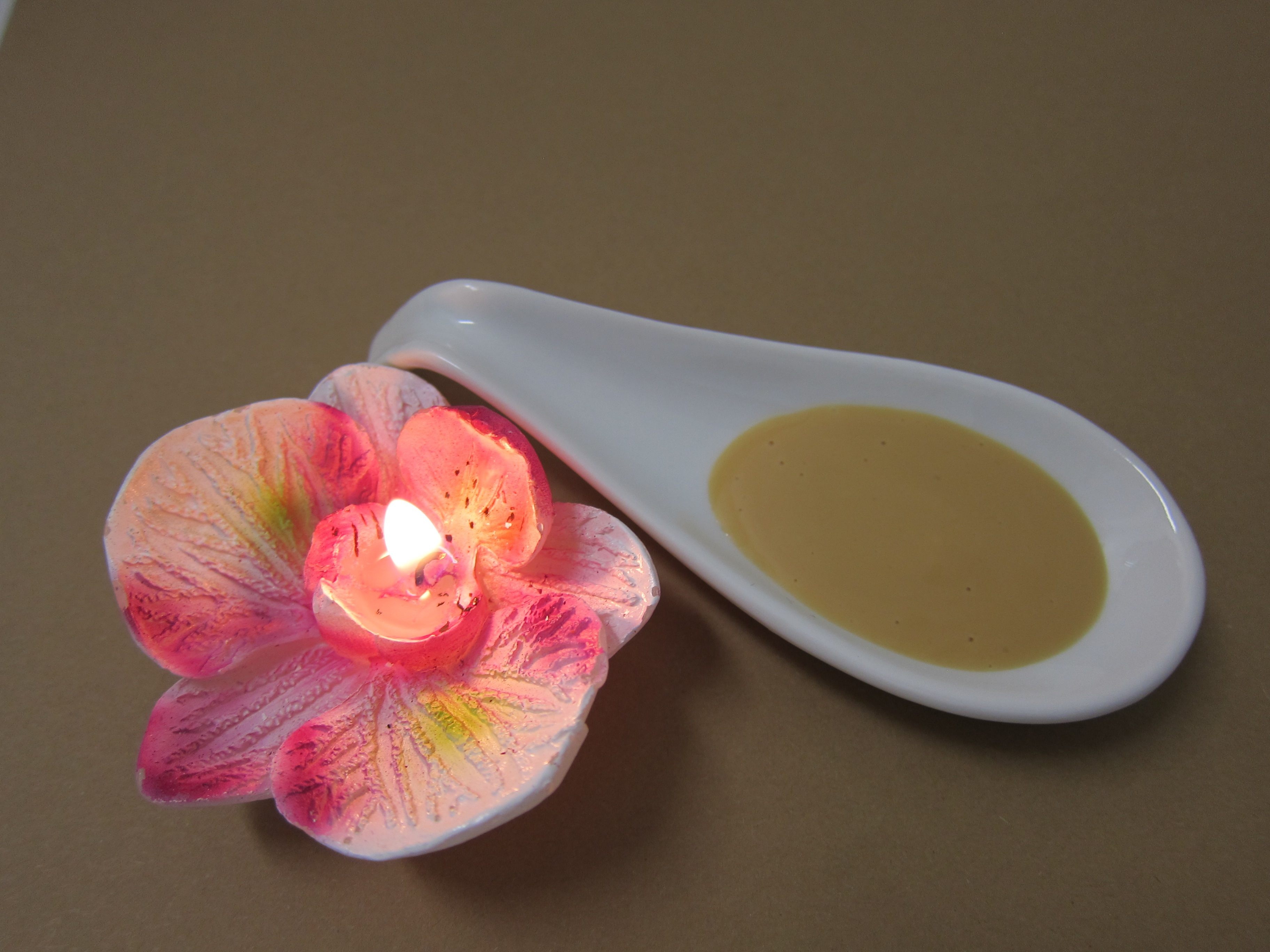
Topical application of a lightweight, bio-compatible facial oil reinforces this outer protective mantle. Because purified squalane and camellia oil closely mirror natural sebum components, they slip between desquamating surface cells, softening hardened keratin and curbing trans-epidermal water loss (TEWL) without creating an impermeable, occlusive mask.
Top 3 Traditional Japanese Facial Oil Varieties
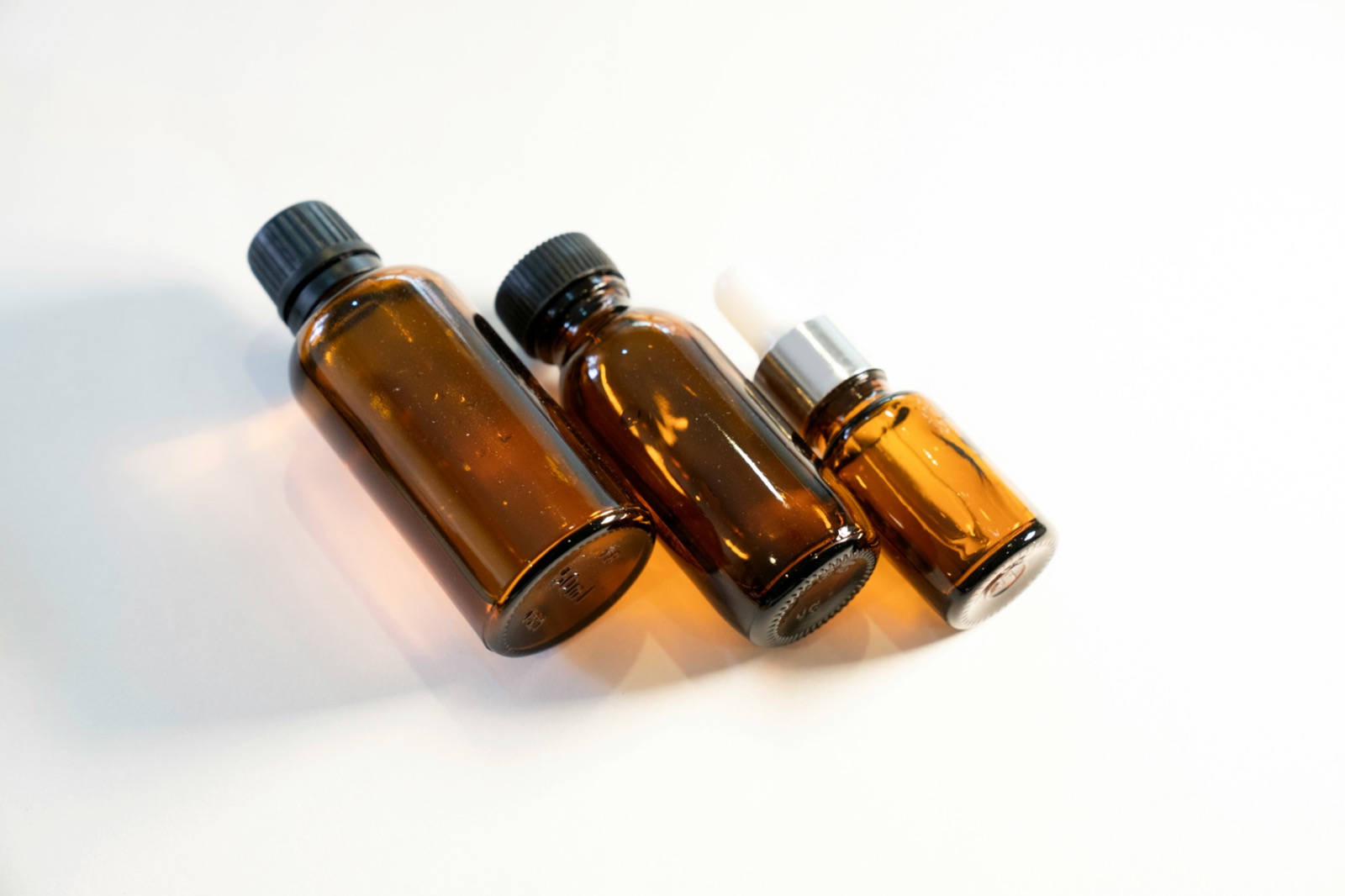
Japanese beauty formulations rely on three iconic lipid varieties, each tailored to distinct skin concerns:
Scroll horizontally to see full details
| Oil Type | Key Biochemical Component | Texture & Viscosity | Optimal Skin Profile |
|---|---|---|---|
| Purified Squalane | Hydrogenated biomimetic hydrocarbon (100% stable) | Ultra-light, water-like glide, zero greasy residue | Sensitive, acne-prone, oily-dehydrated skin |
| Camellia (Tsubaki) Oil | High oleic acid (approx. 85%) and plant phytosterols | Silky, rich emollient, velvet cushion finish | Mature, very dry, or flaking barrier-compromised skin |
| Rice Bran (Komenuka) Oil | Gamma-oryzanol, ferulic acid, and tocotrienols | Medium-light glide, rapid skin conditioning | Dull skin, environmental defense, combination skin |