title: Deep Sea Water in Japanese Cosmetics: Mineral Hydration description: Explore deep sea water in Japanese skincare. Learn the science of Muroto and Toyama marine minerals, desalinated electrolytes, and barrier-hydrating mists. meta_description: Explore deep sea water in Japanese skincare. Learn the science of Muroto and Toyama marine minerals, desalinated electrolytes, and barrier-hydrating mists. published_at: "2026-11-17" updated_at: "2026-11-17" fact_checked_at: "2026-11-17" author: "Miho Tanaka" category: "ingredients" slug: "deep-sea-water-japanese-cosmetics" thumbnail: "/images/stock/hero-japanese-skincare-lotion-liquid-wave-texture.jpg" thumbnail_alt: "Dynamic oceanic liquid wave texture representing pure Japanese deep sea water" affiliate: false ja_equivalent: null publish: true
Deep Sea Water in Japanese Cosmetics: Mineral Hydration
In Japanese cosmetic chemistry, the choice of solvent is never an afterthought. While conventional skincare uses ordinary deionized purified water (seiseisui) as a passive carrier, Japanese formulators often harness deep sea water (kaiyou shinsousui) to transform the watery base into a biologically active mineral hydration system.
Drawn from oceanic depths below 200 meters—most famously off the coasts of Muroto in Kochi Prefecture, Toyama Bay, and Kumejima in Okinawa—deep sea water has traveled across global thermohaline conveyor currents for centuries.
Packed with balanced electrolyte minerals such as magnesium, calcium, and potassium, desalinated marine water provides refreshing, weightless hydration that conditions the stratum corneum and supports barrier resilience.
Deep sea water (*kaiyou shinsousui*) is sourced from pristine oceanic depths below 200 meters, where sunlight cannot reach. After undergoing advanced desalination to remove excess sodium chloride, it provides a clean, mineral-dense solvent rich in ionized magnesium, calcium, and potassium. These trace electrolytes closely mirror human physiological fluids, helping to soften dry skin, support natural moisturizing factors (NMF), and deliver crisp, non-sticky hydration that absorbs effortlessly.
Deep ocean currents cycle ancient marine waters enriched with ionic minerals, creating a clean base for cosmetic formulations.
What Is Deep Sea Water? The Ocean Abyss Below 200 Meters
In oceanography and Japanese maritime regulation, deep sea water is defined as seawater drawn from beneath the photic zone—depths exceeding 200 meters (660 feet) where solar radiation cannot sustain photosynthesis[1].
1. Three Foundational Properties
Deep sea water is characterized by three distinct natural properties that set it apart from coastal surface waters:
- Exceptional Purity: Because it remains isolated beneath the thermocline (the boundary layer separating warm surface waters from the cold abyss), it does not mix with industrial coastal runoff, domestic drainage, or airborne microplastics. Furthermore, the absence of sunlight prevents photosynthetic algae and pathogens from multiplying.
- Low-Temperature Stability: Deep sea currents maintain constant, frigid temperatures year-round (typically between 1°C and 9°C), preserving organic mineral structures in a stable geochemical state.
- Nutrient and Electrolyte Richness: Over centuries of deep-ocean circulation, organic marine matter decomposes and dissolves, saturating the water with inorganic nutrients, including nitrates, phosphates, and essential trace minerals.
2. Major Japanese Intake Regions
Japan is an international pioneer in deep sea water engineering, operating specialized deep-water intake facilities across three premier coastal hubs[3]:
- Muroto (Kochi Prefecture): Draws water from depths of 320 to 374 meters along the Pacific continental slope where nutrient-dense oceanic upwelling naturally occurs.
- Toyama Bay: Draws from the Sea of Japan's unique cold deep-water mass (Nihonkai koyuusui) at depths exceeding 300 meters, prized for mineral balance and purity.
- Kumejima (Okinawa Prefecture): Taps deep Pacific trench waters at depths of 612 meters, utilized for research, aquaculture, and prestige clean-beauty formulations.
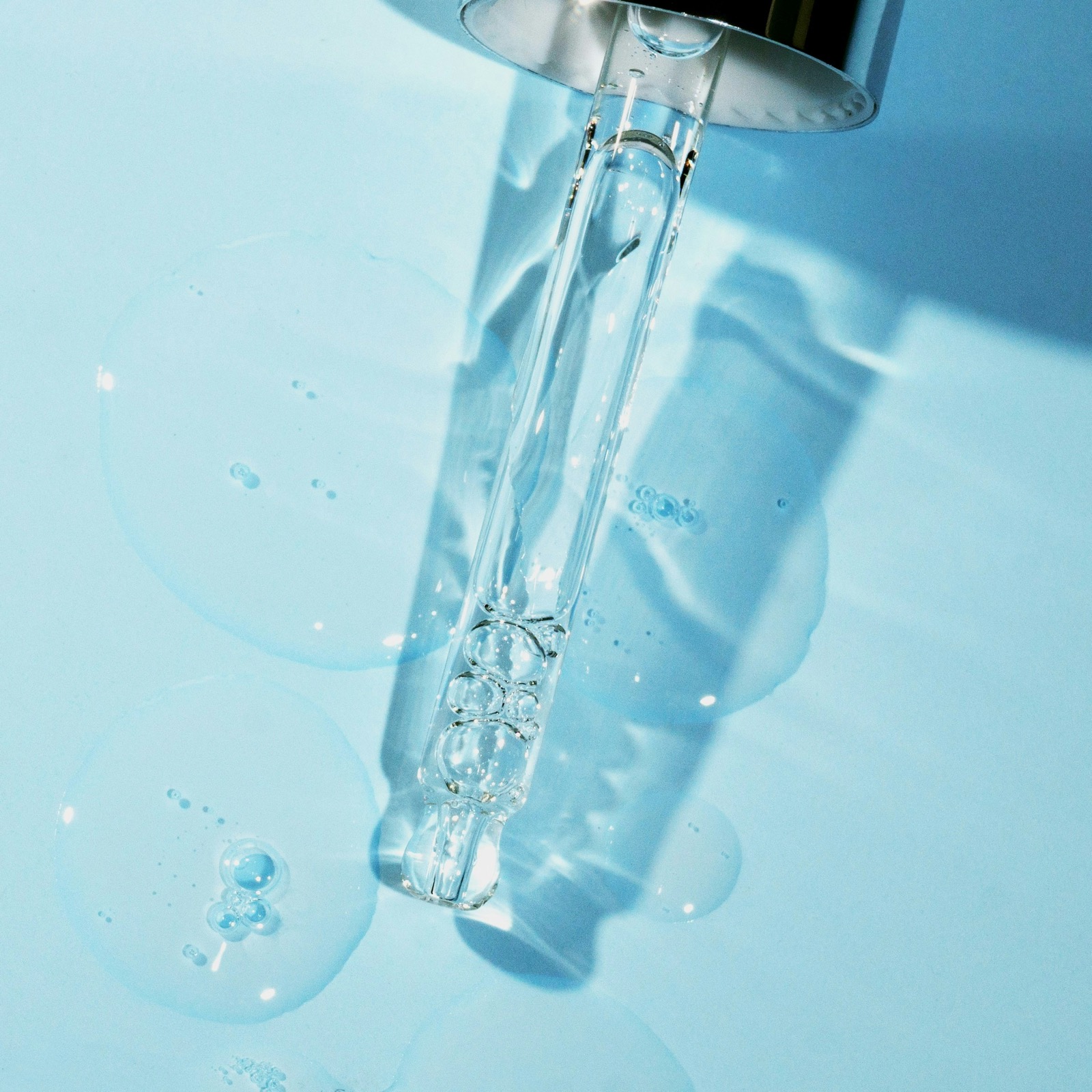
Advanced desalination separates excess sodium while concentrating bio-compatible magnesium and calcium electrolytes.
Mineral Electrolyte Profile: Why Oceanic Minerals Condition Skin
Applying raw seawater to the face would dehydrate skin due to high osmotic salinity (~3.5% sodium chloride). Japanese cosmetic bio-laboratories resolve this through advanced electrodialysis and reverse-osmosis desalination:
The desalination process filters out sodium ions ($Na^+$) while selectively concentrating divalent and polyvalent mineral electrolytes:
1. Magnesium ($Mg^{2+}$): The Barrier Guardian
Magnesium is the standout mineral in deep sea water. In human dermatological physiology, magnesium ions play critical roles in activating enzymes that synthesize ceramides and natural moisturizing factors (NMF) within the stratum corneum[2]. Topical magnesium helps soothe the look of surface redness and supports moisture barrier recovery after environmental exposure.
2. Calcium ($Ca^{2+}$): Regulating Skin Renewal
Calcium ions govern the signaling pathways responsible for normal cellular turnover and keratinocyte differentiation. Balanced calcium availability encourages smooth desquamation, preventing the accumulation of rough, flaky dead skin cells.
3. High Physiological Compatibility
The mineral ionic balance of desalinated deep sea water bears a striking resemblance to the mineral ratios found in mammalian amniotic fluid and human intracellular plasma. This biological compatibility allows skin cells to absorb and utilize deep-sea hydration smoothly without osmotic shock or irritation.
Deep Sea Water vs. Onsen Water vs. Standard Purified Water
To understand how deep sea water differs from other water solvents across Japanese skincare, review the comparative matrix below:
Scroll horizontally to see more
| Water Source | Primary Mineral Profile | Purity Origin | Skin Feel & Texture | Ideal Skin Profile |
|---|---|---|---|---|
| Deep Sea Water | High magnesium, calcium, potassium, trace oceanic ions | Oceanic depths below 200m; zero surface contaminants | Crisp, weightless, refreshing absorption | Dehydrated, combination, and sensitive skin |
| Volcanic Onsen Water | Metasilicic acid, sodium bicarbonate, sulfur | Geothermal volcanic aquifers through bedrock | Softening, velvety, slippery glide on skin | Rough, dry keratinized skin and dull complexions |
| Standard Purified Water | Demineralized (zero ionic mineral solutes) | Municipal water filtered through deionization columns | Neutral, basic carrier solvent | Standard cosmetic formulations across all lines |
| Fermented Rice Water | Amino acids, peptides, kojic fractions, B vitamins | Post-fermentation sake brewing byproduct | Silky, lightly viscous, conditioning fluid | Tone-balancing, moisture-boosting daily care |