title: Hinoki Cypress in Japanese Beauty: Wood Science & Rituals description: Explore hinoki (Japanese cypress) in beauty. Learn the science of phytoncides, aromatic wood oils, clarifying scalp care, and traditional bath rituals. meta_description: Explore hinoki (Japanese cypress) in beauty. Learn the science of phytoncides, aromatic wood oils, clarifying scalp care, and traditional bath rituals. published_at: "2026-11-17" updated_at: "2026-11-17" fact_checked_at: "2026-11-17" author: "Miho Tanaka" category: "ingredients" slug: "hinoki-cypress-japanese-beauty" thumbnail: "/images/stock/forest-essential-oils-aromatherapy-stress-relief.jpg" thumbnail_alt: "Forest essential oil bottles illustrating Japanese hinoki cypress wood science" affiliate: false ja_equivalent: null publish: true
Hinoki Cypress in Japanese Beauty: Wood Science & Rituals
Among the aromatic trees native to the Japanese archipelago, none carries greater cultural reverence or architectural prestige than hinoki (Chamaecyparis obtusa), the Japanese cypress. For millennia, this straight-grained evergreen has formed the sacred timber of Japan's most historic shrines, imperial temples, and aromatic soaking baths (hinoki-buro).
In contemporary Japanese personal care, hinoki has transcended its traditional forestry roots to become a prized botanical for scalp clarifying, sensory bath rituals, and skin-conditioning formulations.
Driven by natural volatile phytoncides, aromatic monoterpenes, and gentle astringent alcohols, hinoki delivers a clarifying, forest-bathing experience that relieves mental tension while refreshing congested skin.
Hinoki (*Chamaecyparis obtusa*) provides aromatic and topical benefits derived from its natural wood and leaf terpenes, including alpha-pinene and cadinol. In Japanese beauty, steam-distilled hinoki water and essential oil clarify oily scalps, refine the look of dilated pores, and cleanse surface grime without synthetic harshness. Beyond topical conditioning, inhaling its woody phytoncides supports parasympathetic relaxation, forming the sensory backbone of traditional Japanese bathhouse (*onsen*) rituals.

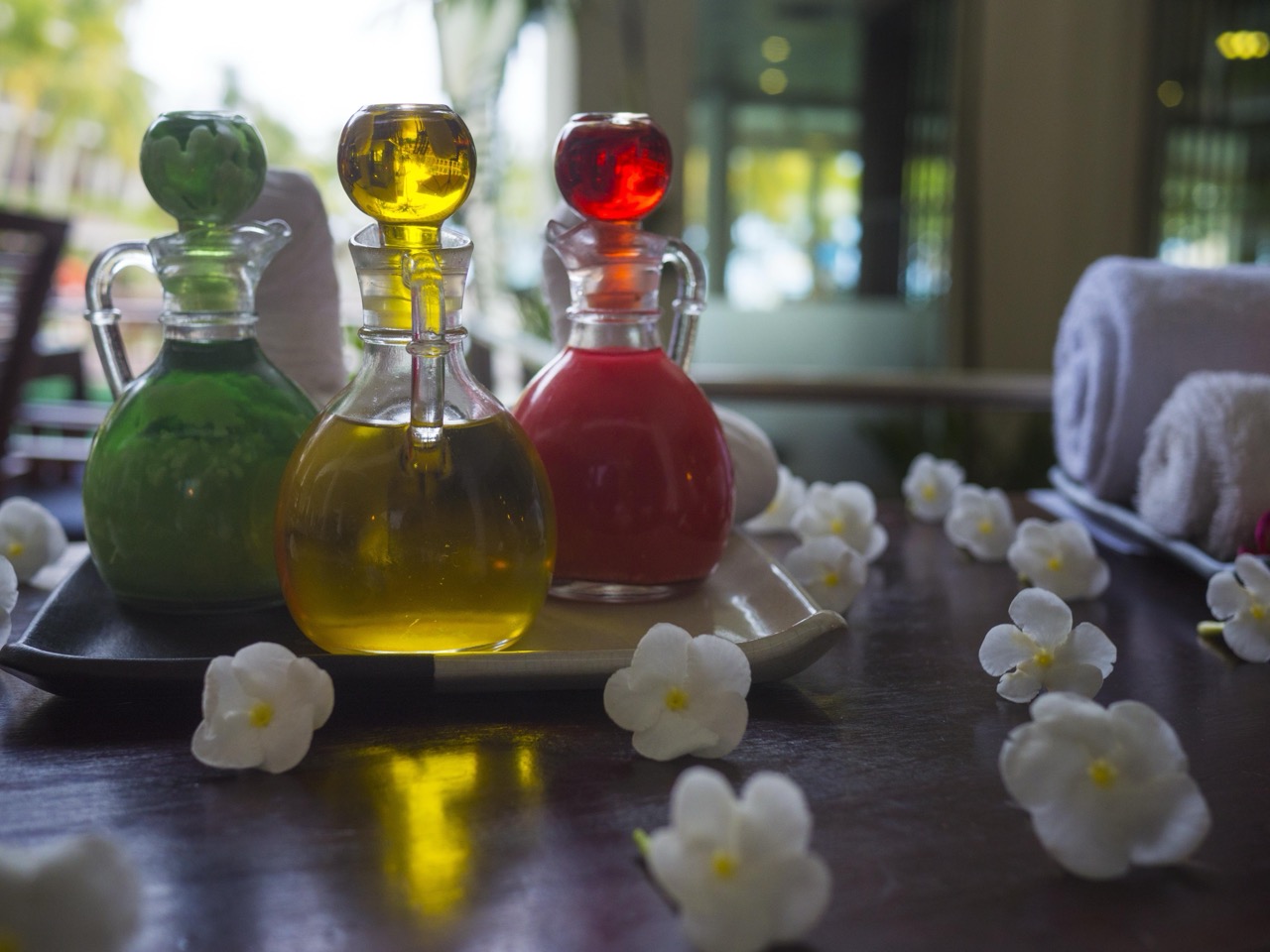
Steam distillation of Japanese cypress timber captures volatile aromatic terpenes that anchor relaxation and purification rituals.
What Is Hinoki? The Sacred Evergreen of Japan
Botanically classified as Chamaecyparis obtusa, hinoki is an evergreen conifer endemic to central and southern Japan[1].
1. Sacred Millennia of Timber and Craft
Due to its natural insect resistance, rot-resistant wood density, and soothing fragrance, hinoki has been the premier choice for monumental timber structures—including the eighth-century Horyu-ji pagoda (the world's oldest surviving wooden building) and the Ise Grand Shrine. In Japanese hot spring culture, bathtubs crafted from raw hinoki timber (hinoki-buro) release natural oils into hot water, transforming daily washing into a meditative bathing ritual.
2. Sourcing Wood and Foliage
In cosmetic manufacturing, formulators avoid felling live trees specifically for cosmetics. Instead, ethical Japanese bio-distilleries partner with sustainable forestry projects in regions such as Kiso (Nagano Prefecture) and Kochi Prefecture, utilizing leftover timber shavings, thinned logs, and pruning foliage to steam-distill pure hydrosols and essential oils.

Distilled hinoki wood oils deliver natural terpene fractions that condition oily skin and congested hair follicles.
Phytoncide Chemistry: How Hinoki Calms Senses and Skin
The distinctive benefits of hinoki originate from a complex blend of secondary plant metabolites known collectively as phytoncides[2]:
1. The Science of Forest Bathing (Shinrin-Yoku)
Phytoncides are volatile antimicrobial organic compounds that trees release into forest air to protect themselves from fungal decay and insect damage[4]:
- Alpha-Pinene and Sabinene: The primary monoterpenes responsible for hinoki's dry, clean, pine-citrus aroma.
- Autonomic Nervous System Regulation: Clinical studies in environmental medicine indicate that inhaling hinoki phytoncides lowers sympathetic nervous activity (reducing salivary cortisol) and stimulates parasympathetic relaxation. In Japanese evening skincare, this olfactory cue helps transition the mind from daily stress into restorative rest.
2. Topical Clarification and Astringency
When formulated into topical toners and scalp lotions, water-soluble hinoki fractions offer tangible dermatological benefits:
- Pore Refinement: Natural sesquiterpenes exert gentle astringent action, tightening the appearance of dilated pores and balancing excess surface sebum on combination complexions.
- Scalp Cleansing: Hinoki wood water purifies follicular openings, washing away oxidized sebum plugs and refreshing oily roots prone to flaking.
Hinoki-Derived Ingredients across Japanese Personal Care
Japanese cosmetic formulators deploy different extracts of the tree depending on the targeted care category:
Scroll horizontally to see more
| Ingredient Form | Official INCI Name | Primary Cosmetic Function | Typical Product Format |
|---|---|---|---|
| Hinoki Water (Hydrosol) | *Chamaecyparis Obtusa Water* | Astringent base solvent, refreshes oiliness | Clarifying facial mists, pore toners |
| Hinoki Wood Oil | *Chamaecyparis Obtusa Wood Oil* | Aromatherapeutic calming, scalp purification | Bath soaks, massage oils, body cleansers |
| Hinoki Leaf Extract | *Chamaecyparis Obtusa Leaf Extract* | Polyphenolic antioxidant shielding, barrier conditioning | Hydrating emulsions, soothing essence gels |
| Hinokitiol (Related Tropolone) | *Hinokitiol* | Scalp cleansing, purifying skin excipient | Medicated hair tonics, anti-blemish bars |