Gentle Surfactant Selection in Japanese Cleansers - Guide
IngredientsBy Miho Tanaka
title: Gentle Surfactant Selection in Japanese Cleansers - Guide
slug: gentle-surfactant-selection-in-japanese-cleansers
category: ingredients
publish: true
meta_description: A complete guide to gentle surfactant selection in Japanese cleansers, exploring amino acid foaming bases, barrier lipid defense, and low-friction lather.
image: /images/stock/hero-woman-face-wash-water-splash-fresh.jpg
alt: Fresh splash of water over woman face illustrating gentle low-irritation Japanese facial cleansing
date: 2026-03-30
tags:
gentle surfactants
amino acid cleansers
facial wash
barrier preservation
ingredients
Gentle Surfactant Selection in Japanese Cleansers - Guide
In the Japanese philosophy of skincare, facial cleansing is regarded as the foundational determinant of skin health. While Western consumers historically favored aggressive foaming washes that produced a squeaky-clean feeling, Japanese dermatologists have long warned that harsh degreasing inflicts severe micro-damage on the epidermal lipid matrix. Over-stripping natural moisturizing factors (NMF) and intercellular ceramides during daily washing creates chronic barrier fragility, redness, and accelerated dehydration.
To resolve this conflict, Japanese cosmetic chemists have led the world in developing and refining gentle surfactants—most notably amino acid-based cleansing agents (amino-san-kei senryozai). These sophisticated compounds cleanse daily sebum and environmental dirt efficiently while leaving the stratum corneum barrier intact.
Quick answer: What Are the Gentlest Surfactants in Japanese Cleansers?
The gentlest Japanese cleansers utilize amino acid-derived surfactants (such as sodium cocoyl glutamate, potassium cocoyl glycinate, and sodium lauroyl sarcosinate) and non-ionic glucosides. Unlike harsh sulfates that denature epidermal keratin and strip intercellular lipids, amino acid surfactants operate at a weakly acidic to neutral pH (5.0 to 6.5), lifting excess surface sebum without dissolving the essential ceramide barrier.
1. Surfactant Classes: From Alkaline Soaps to Amino Acid Bases
Surfactants (surface-active agents) possess a dual-ended molecular structure: a hydrophilic (water-attracting) head and a lipophilic (oil-attracting) tail. During facial washing, the lipophilic tails bind to oily sebum and dirt, forming spherical micelles that rinse away with running water.
However, the chemical structure of the surfactant determines whether it merely removes surface debris or aggressively strips barrier lipids:
Traditional Fatty Acid Soaps (Sekken): Saponified potassium or sodium salts of myristic, stearic, and lauric acids. While they produce dense, voluminous foam, they operate at an alkaline pH (9.0 to 10.5), which can temporarily elevate skin pH and swell epidermal proteins.
Harsh Alkyl Sulfates (SLS / SLES): Rarely found in modern Japanese facial washes due to their small micelle size, which allows them to disrupt intercellular lipid bilayers and denature keratin.
Amino Acid Surfactants (Amino-san-kei): Condensation products of natural fatty acids with biological amino acids (such as glutamic acid, glycine, or alanine). They exhibit high physiological affinity for skin proteins and operate at a skin-compatible pH (5.0 to 6.5).
2. Stratum Corneum Lipid Defense and the "No-Squeak" Test
The paramount objective of gentle surfactant selection is the preservation of cutaneous barrier integrity. The stratum corneum (SC) provides a permeability barrier that limits the inflow and outflow of water.[1] When aggressive cleansers dissolve intercellular ceramides and cholesterol, the lipid bilayers lose their lamellar organization, precipitating elevated transepidermal water loss (TEWL) and tightness (tsupparikan).
Scroll horizontally to view surfactant characteristics
Plush resilient foam with clean, non-stripping rinse
Methyl Cocoyl Taurate
Sodium Methyl Cocoyl Taurate
pH 5.5 to 6.5
Excellent foaming even in hard water; gentle on sensitive skin
Amphoteric Betaines
Cocamidopropyl Betaine, Lauryl Betaine
pH 5.0 to 6.0
Secondary booster that reduces overall formula irritation
The hallmark of a properly chosen Japanese amino cleanser is the absence of squeakiness: after rinsing, skin feels supple, calm, and naturally cushioned.
3. The Cushioning Foam Philosophy (Awa Senkan)
In Japanese cleansing rituals, how a surfactant lathers is just as critical as its chemical identity. The technique known as awa senkan (cushion foam washing) dictates that fingers should never physically drag across facial skin.
Instead, the cleanser is whipped into an ultra-dense, elastic meringue (koma-kai awa):
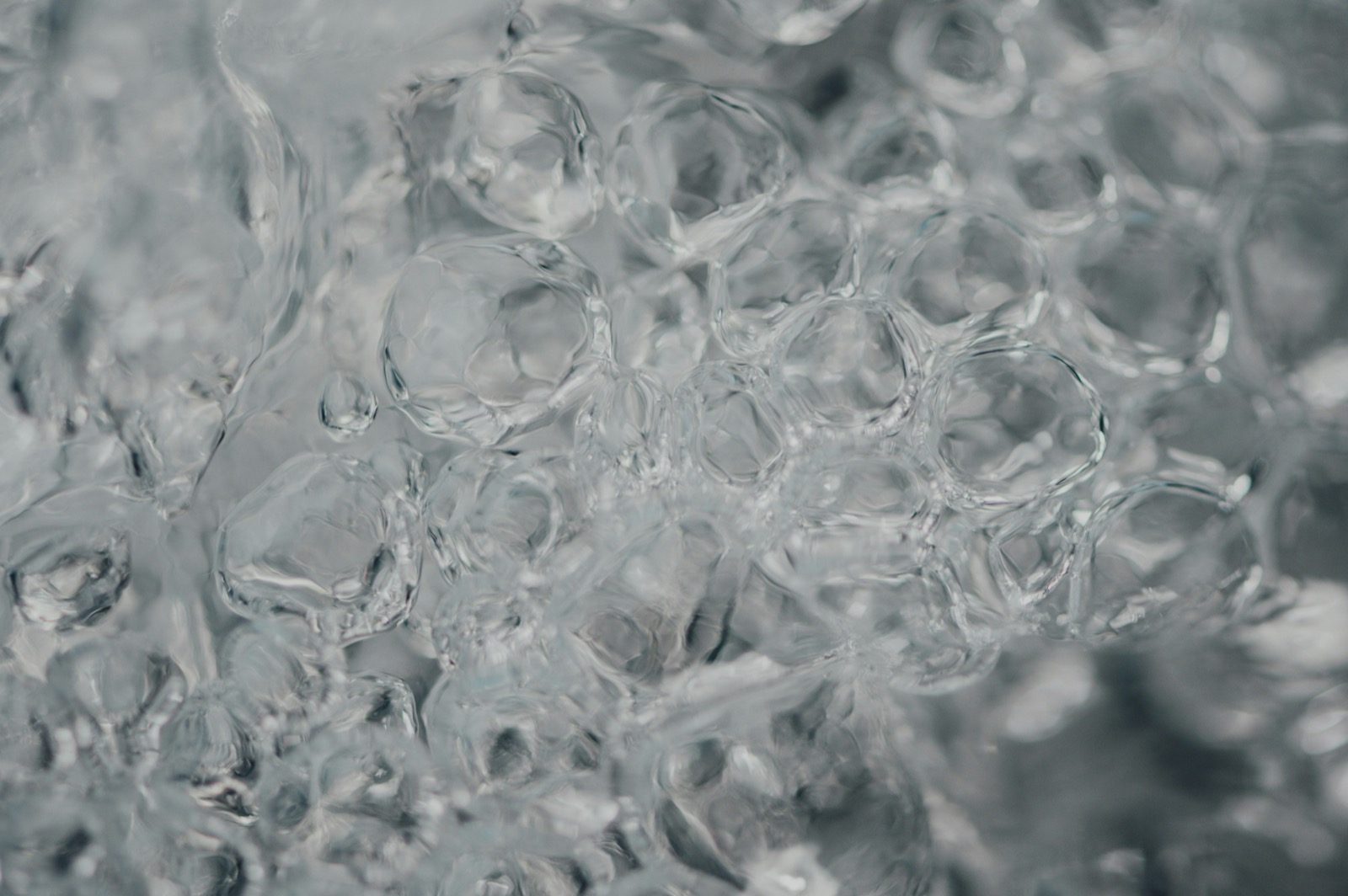
Micro-Bubble Capillary Action: Billions of microscopic bubbles create high surface tension, lifting oxidized sebum out of pores through gentle capillary suction rather than abrasive scrubbing.
Mechanical Friction Shield: The dense foam layer acts as a physical shock absorber between hands and delicate facial tissue, preventing friction-induced inflammation (masatsu).
Effortless Rinsing: Quality Japanese amino cleansers are engineered with quick-rinsing surfactants that detach from skin instantly upon lukewarm water contact, preventing lingering chemical residue.
4. How to Decode Cleanser Labels in Japanese Drugstores
When shopping for gentle cleansers in Japan, look for these key terms on front and back packaging:
Mutemka / Mukoryo: Free of synthetic colorants, harsh preservatives, and artificial fragrances.
Signs to Stop and When to Seek Medical Advice
Even weakly acidic amino acid cleansers can provoke cutaneous sensitivity if used with excessively hot water, over-massaged, or applied to an acutely compromised barrier.
Discontinue use and rinse thoroughly with cool water if you observe localized redness, prickling sensations, burning during washing, or post-rinse flaking accompanied by itchiness. If severe facial tightness, eye puffiness, or allergic contact dermatitis develops and persists beyond 24 hours, consult a board-certified dermatologist or healthcare specialist promptly.
FAQ
Q1. Why do amino acid cleansers produce less foam than traditional soap?
A. Amino surfactants produce finer micro-bubbles rather than large airy suds.(Details)
Unlike alkaline soaps that generate big, fluffy bubbles easily, amino acid surfactants form ultra-fine, dense micro-foam. While the foam volume may appear smaller initially, using a foaming net (awa-date netto) creates a thick, elastic meringue cushion.
Q2. Is a squeaky-clean feeling good for my skin barrier?
A. No, squeakiness indicates that essential protective barrier lipids have been stripped.(Details)
A "squeak" occurs when high-pH cleansers strip all surface sebum and dissolve intercellular ceramides, leaving bare keratin proteins grinding against each other. Healthy cleansed skin should feel soft, smooth, and comfortable, never tight or squeaky.
Q3. Can amino acid cleansers effectively remove heavy makeup and sunscreen?
A. They excel as a second cleanse, but water-resistant makeup requires an oil first.(Details)
Amino acid cleansers are optimized for water-soluble impurities, sweat, and light daily oils. For water-resistant sunscreens or long-wear foundation, the Japanese double cleanse method (using a cleansing oil first, followed by an amino foam) ensures complete cleansing without harsh scrubbing.
Q4. Are amino acid cleansers suitable for oily or acne-prone skin?
A. Yes, they cleanse sebum without triggering rebound oil overproduction.(Details)
Stripping oily skin with harsh alkaline soap often triggers reactive compensatory sebum surges. Mild amino acid surfactants (especially potassium cocoyl glycinate) clean excess surface oil cleanly while maintaining the acid mantle, helping regulate oil production over time.
Q5. What water temperature is ideal when rinsing a Japanese cleanser?
A. Lukewarm water around 32 to 34 degrees Celsius (nuru-mayu).(Details)
Hot water melts intercellular lipids and accelerates barrier drying, while cold water prevents surfactants from rinsing cleanly. Japanese dermatologists recommend lukewarm water (*nuru-mayu*) that feels slightly cool to the touch, rinsing thoroughly without lipid dissolution.
Summary
Selecting gentle surfactants represents the cornerstone of modern Japanese skincare mastery. By swapping harsh alkaline degreasers for weakly acidic amino acid compounds, pairing them with the friction-free cushion of awa senkan, and respecting the lipid sanctity of the stratum corneum, you establish a daily cleansing ritual that nurtures skin resilience, softness, and radiant health for a lifetime.
Disclaimer: This article is for general information and education about Japanese cosmetics and their labels. It is not a substitute for professional medical advice, diagnosis, or treatment. Skincare results vary from person to person. Product formulas, availability, prices, and regulations change, and products sold in Japan can differ from versions sold elsewhere, so always check the current label. Do a patch test before introducing a new product, and consult a doctor or dermatologist if you have a skin condition or specific concerns.