Japanese Amino Acid Lotion Guide for NMF Barrier Hydration
IngredientsBy Seibun Lab Editorial Team
title: Japanese Amino Acid Lotion Guide for NMF Barrier Hydration
slug: japanese-amino-acid-moisturizing-factor-nmf
category: ingredients
category_label: Ingredients
published_at: '2026-11-24'
updated_at: '2026-11-24'
meta_description: Explore Japanese amino acid lotions. Learn how biomimetic NMF replenishment restores stratum corneum water-binding capacity for calm, plump skin.
description: Explore Japanese amino acid lotions. Learn how biomimetic NMF replenishment restores stratum corneum water-binding capacity for calm, plump skin.
lead_image: /images/stock/hero-japanese-skincare-lotion-liquid-wave-texture.webp
lead_image_alt: Liquid wave texture of Japanese amino acid hydrating conditioning lotion
thumbnail: /images/stock/hero-japanese-skincare-lotion-liquid-wave-texture.webp
thumbnail_alt: Liquid wave texture of Japanese amino acid hydrating conditioning lotion
author: Editorial Team
publish: true
Japanese Amino Acid Lotion Guide for NMF Barrier Hydration
In the architecture of the human stratum corneum, optimal hydration depends on three distinct biochemical pillars: intercellular lipids (primarily ceramides), the external sebum film, and intracellular Natural Moisturizing Factor (NMF). While Western skincare historically concentrated on rich lipid creams, Japanese dermatology has placed extraordinary emphasis on the aqueous phase—specifically, the science of free amino acids.
Japan's global dominance in amino acid fermentation and cosmetic formulation chemistry—championed by pioneer bio-industrial firms like Ajinomoto and pharmaceutical conglomerates—has made amino acid lotions standard staples across Japanese pharmacies. These gentle, water-light liquids quench parched skin without oiliness, making them ideal for sensitive, acne-prone, and barrier-compromised skin types. Here is your comprehensive guide to the science and application of Japanese amino acid lotions.
The Biochemistry of NMF: Inside the Corneocyte
To appreciate why Japanese formulators prioritize amino acids, one must look inside individual flattened corneocyte cells in the outermost stratum corneum:
1. The Composition of Natural Moisturizing Factor
Natural Moisturizing Factor is an intracellular collection of water-soluble, low-molecular-weight compounds produced during the terminal differentiation of keratinocytes. When the epidermal protein filaggrin breaks down, it yields:
Pyrrolidone Carboxylic Acid / PCA (~12%): An exceptionally powerful natural humectant derived from glutamic acid.
Lactates (~12%): Organic salts that assist pH buffering and skin softness.
Urea (~7%): A mild keratolytic and moisture-binding agent.
Minerals and Organic Sugars (~29%): Sodium, potassium, magnesium, and phosphates.
The superficial stratum corneum filaggrin breakdown network experiences progressive natural functional deceleration over time[1], meaning mature or stressed skin synthesizes less natural NMF, leading to tight, rough epidermal textures.
2. Intracellular vs Intercellular Moisture
While ceramides construct the "mortar" between skin cells, amino acids reside inside the "bricks" (the corneocytes). Large polymers like hyaluronic acid cannot easily enter dense keratin structures; in contrast, microscopic free amino acids diffuse effortlessly into parched corneocytes, coordinating water dipoles directly within keratin fibers.
Three Pillars of Stratum Corneum Hydration Compared
Understanding how amino acids interact with other essential moisturizing ingredients clarifies why Japanese skincare utilizes layered multi-step routines:
Scroll horizontally to view more
Hydration Component
Free Amino Acids & PCA (NMF)
Intercellular Ceramides
High-Molecular Hyaluronic Acid
Biological Location
Inside corneocyte cells (intracellular)
Between corneocyte cells (intercellular matrix)
External surface of stratum corneum
Primary Molecular Size
Ultra-low (typically 75–200 Daltons)
Moderate (typically 500–700 Daltons)
High (often 1,000,000+ Daltons)
Main Function
Coordinates bound water within keratin matrix
Forms structured lamellar lipid barrier against TEWL
Forms external moisture-trapping film
Skin Finish
Weightless, water-fresh, zero residue
Soft, emollient, cushiony veil
Dewy, slightly viscous, elastic slip
Ideal Product Format
Watery conditioning lotions (*kesho-sui*)
Fluid emulsions (*nyueki*) and creams
Hydrating serums and sheet masks
Why Japanese Amino Acid Lotions Feel Different
Western hydrating toners frequently rely on heavy concentrations of glycols or high-percentage hyaluronic acid to simulate hydration through physical viscosity. In contrast, authentic Japanese amino acid lotions stand out for distinct formulation principles:
Bio-Identical Compatibility: Because the amino acid profiles mirror human skin biochemistry, they absorb rapidly without lingering as a sticky film on the surface.
pH-Buffering Capacity: Amino acids possess amphoteric properties (functioning as both weak acids and bases). When applied to skin disrupted by hard tap water or harsh cleansers, they gently buffer surface pH back toward the slightly acidic 4.5–5.5 range.
Pharmaceutical Purity: Japanese amino acid ingredients are refined through proprietary microbiological fermentation, ensuring exceptionally high purity with minimal preservative loads.
How to Apply Amino Acid Lotions: The Japanese Layering Ritual
To maximize NMF replenishment across the stratum corneum, follow this classic Japanese lotion routine:
Step 1: Gentle Cleansing
Cleanse with a mild, amino-acid surfactant wash. Harsh sulfate cleansers wash away existing water-soluble NMF; using amino acid cleansers preserves baseline moisture.
Step 2: The Double-Press Application (Te de Tsukeru)
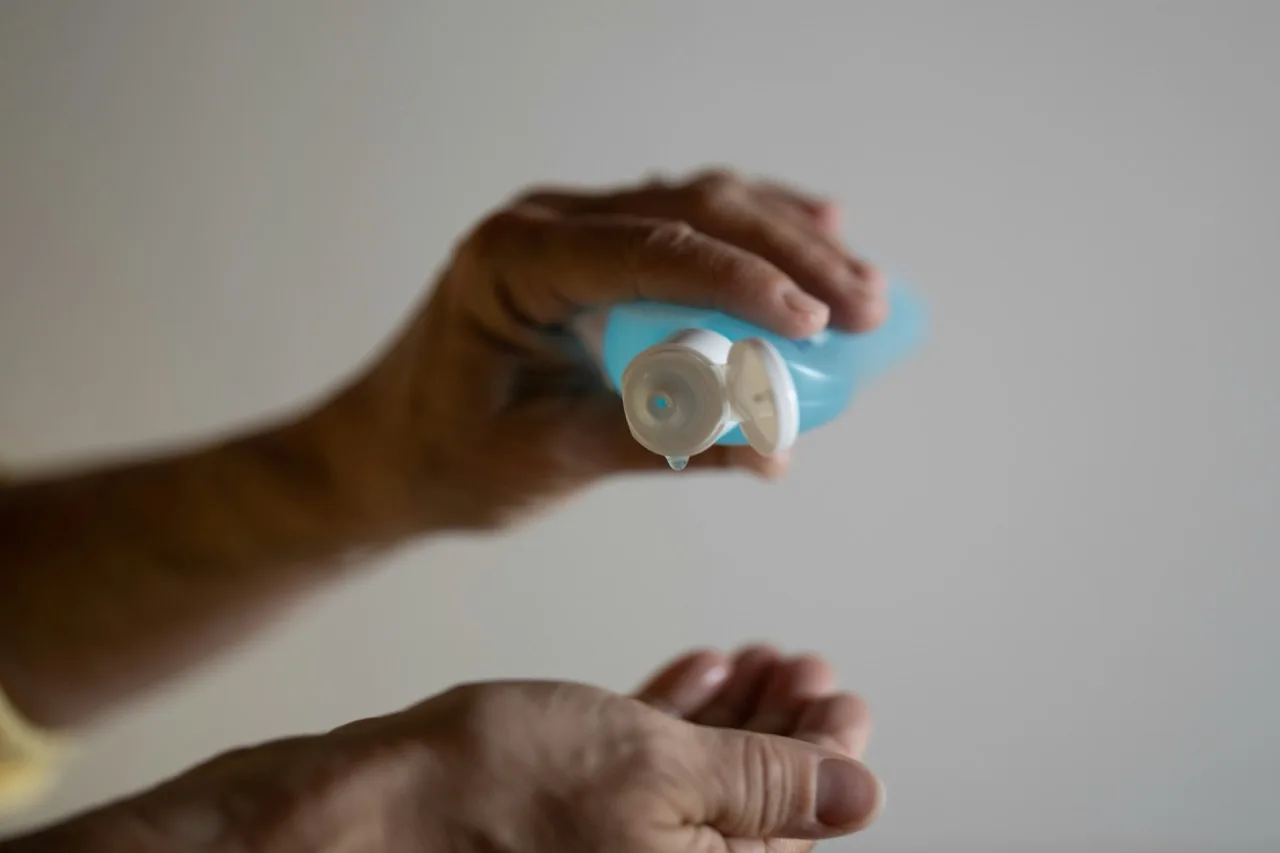
Dispense a generous coin-sized pool of lotion into cupped palms. Warm the liquid between your hands for three seconds, then gently press your flat palms against your cheeks, forehead, chin, and neck. Wait thirty seconds, then repeat with a second smaller layer. This sequential application saturates corneocyte cells gradually without runoff.
Step 3: Cotton Pad Soaking (Lotion Pack)
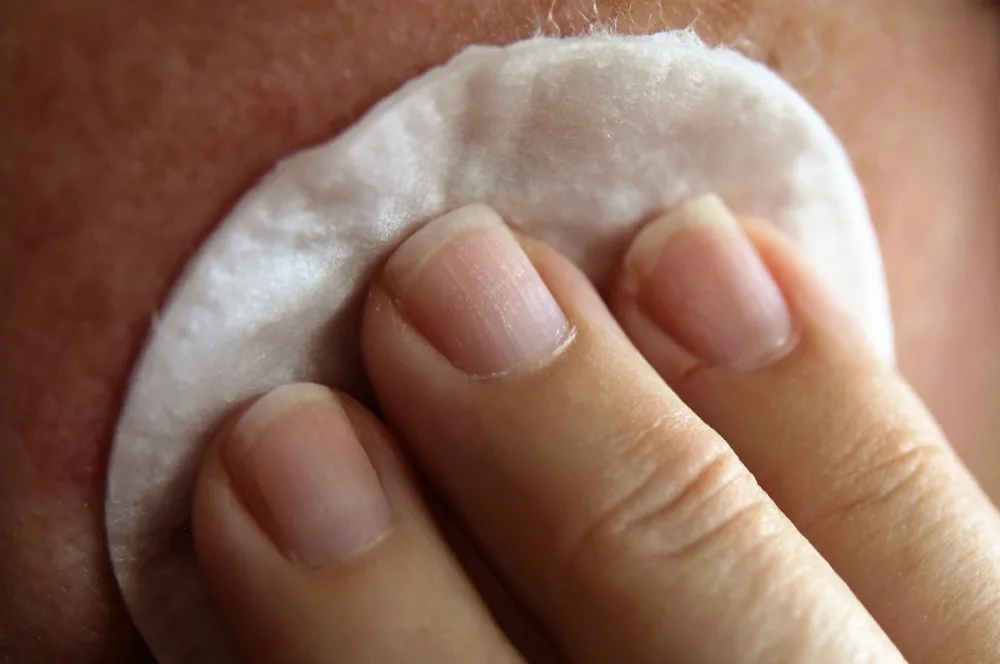
During dry seasons or when experiencing windburn, saturate two unbleached Japanese cotton pads with amino acid lotion. Split the pads into thin layers and drape them across the cheeks and forehead for three minutes. This creates an intensive biomimetic moisture compress.
Step 4: Emollient Sealing
Always follow with a ceramide-rich emulsion (nyueki) or squalane drop to prevent the newly absorbed amino acid water from evaporating into dry air. Pairing amino acid hydration lotions with daily morning broad-spectrum UV protection shields vulnerable skin from photoaging stress[2].
Signs to Stop and When to Consult a Specialist
While pure amino acids are non-sensitizing physiological building blocks, finished cosmetic lotions combine botanical stabilizers and preservatives:
Signs of Sensitivity: If you experience sudden stinging, localized hives, or persistent itching after applying a new lotion, rinse with cool water and pause usage.
Formulation Precautions: Applying unfamiliar synthetic complexes or heavily preserved aqueous formulas can trigger acute contact irritation[3]. In periods of acute dermatitis, select minimalist lotions with fewer than ten ingredients.
Dermatological Care: If facial redness, scaling, or burning sensations persist beyond 48 hours, seek clinical examination by a board-certified dermatologist.
FAQ
Q1. Can amino acid lotions cause breakouts on oily, acne-prone skin?
A. No, pure amino acids are water-soluble humectants that do not clog pores.(Details)
Unlike heavy oils or occlusive waxes, amino acids provide water-light hydration that satisfies the moisture needs of dehydrated, acne-prone skin without fueling cutibacterium acnes proliferation or creating pore blockages.
Q2. How does an amino acid lotion differ from a fermented rice lotion?
A. Fermented lotions contain natural amino acids alongside organic acids and minerals.(Details)
Fermented rice filtrates (*kome-hakko-eki*) are naturally rich in diverse amino acids created during koji yeast fermentation. Dedicated amino acid lotions, on the other hand, utilize precisely standardized pharmaceutical amino acid complexes formulated in specific biological ratios.
Q3. Can amino acid lotions be layered with active acids like BHA or AHA?
A. Yes, amino acid lotions are ideal for soothing skin after chemical exfoliation.(Details)
Chemical exfoliants strip surface dead cells and wash out natural NMF. Applying an amino acid lotion immediately after an exfoliating acid helps buffer skin pH and replenishes intracellular moisture reserves, mitigating redness and tightness.
Q4. Are amino acid lotions suitable for highly sensitive skin with eczema?
A. Yes, Japanese sensitive-skin brands frequently formulate amino acid lotions specifically for eczema-prone barriers.(Details)
Atopic and eczema-prone skin conditions exhibit clinically lower natural filaggrin and NMF levels. Gentle Japanese quasi-drug lotions formulated with amino acids, dipotassium glycyrrhizate, and zero fragrance provide safe, non-stinging replenishment.
Q5. Why do Japanese dermatologists recommend applying lotion with bare hands?
A. Applying with bare hands prevents mechanical friction on fragile stratum corneum.(Details)
Wiping face with dry or abrasive cotton pads can cause micro-frictional abrasions on compromised skin. Pressing lotion with clean, warm palms transfers product smoothly, using natural body warmth to aid rapid epidermal absorption.
Summary and Practical Tips
Japanese amino acid lotions offer bio-identical hydration rooted in dermatological science:
Target the Corneocyte: Replenish intracellular NMF to soften keratin fibers and restore natural elasticity from within.
Embrace Weightless Hydration: Enjoy deep moisture replenishment without residual heaviness, tackiness, or clogged pores.
Practice Hand Pressing: Warm lotion between palms and press gently across the face in successive thin layers.
Seal with Lipids: Always follow with a ceramide emulsion to lock in water-soluble amino acids and maintain barrier defense.
References
The Japanese Dermatological Association. Sunburn Q&A on Photoaging and Biological Alterations in Aging Skin (Q5). https://www.dermatol.or.jp/qa/qa2/q05.html (Accessed 2026-11-24)
The Japanese Dermatological Association. Dermatological Q&A on Sunscreen Application for Long-Term Prevention (Q25). https://www.dermatol.or.jp/qa/qa3/q25.html (Accessed 2026-11-24)
The Japanese Dermatological Association. Dermatological Q&A on Contact Irritation and Scalp Friction Mechanisms (Q1). https://www.dermatol.or.jp/qa/qa4/q01.html (Accessed 2026-11-24)
Disclaimer: This article is for general information and education about Japanese cosmetics and their labels. It is not a substitute for professional medical advice, diagnosis, or treatment. Skincare results vary from person to person. Product formulas, availability, prices, and regulations change, and products sold in Japan can differ from versions sold elsewhere, so always check the current label. Do a patch test before introducing a new product, and consult a doctor or dermatologist if you have a skin condition or specific concerns.