title: Japanese Kurozu Black Vinegar Amino Acid Guide
slug: japanese-black-vinegar-kurozu-amino-acid-beauty
category: ingredients
category_label: Ingredients
published_at: '2026-11-24'
updated_at: '2026-11-24'
meta_description: Discover Japanese Kurozu black vinegar for inner skin wellness. Learn Kagoshima pottery jar fermentation, rich amino acid profiles, and daily habits.
description: Discover Japanese Kurozu black vinegar for inner skin wellness. Learn Kagoshima pottery jar fermentation, rich amino acid profiles, and daily habits.
lead_image: /images/stock/amber-supplement-capsules-macro-golden-background.webp
lead_image_alt: Japanese fermented Kurozu black vinegar amber capsules and botanical amino acid wellness ingredients
thumbnail: /images/stock/amber-supplement-capsules-macro-golden-background.webp
thumbnail_alt: Japanese fermented Kurozu black vinegar amber capsules and botanical amino acid wellness ingredients
author: Editorial Team
publish: true
Japanese Kurozu Black Vinegar Amino Acid Guide
In the tranquil town of Fukuyama in Kagoshima Prefecture, overlooking Mount Sakurajima and Kinko Bay, thousands of glazed black earthenware jars (satsuma-yaki) sit lined in neat rows across outdoor fields. Inside these ceramic vessels, one of Japan's most revered fermented superfoods quietly matures: kurozu, or Japanese black vinegar.
While Western vinegars are typically produced in sterile stainless steel tanks through accelerated aeration over a few days, authentic Kurozu relies entirely on nature's clock. Over twelve to thirty-six months, local rice, spring water, and koji mold undergo a three-stage natural fermentation powered by ambient sunlight and indigenous microbes. The resulting dark, rich liquid is packed with essential amino acids, organic acids, and polyphenol complexes. Here is your definitive guide to understanding the nutritional science of Kurozu, how its amino acid profile nurtures skin vitality, and how Japanese consumers incorporate it into daily wellness routines.
The Artisanal Pottery Jar Method: Science of Tsubozukuri
Unlike any other industrial vinegar worldwide, Fukuyama Kurozu is crafted through a single-vessel outdoor process known as tsubozukuri:
1. Concurrent Three-Stage Fermentation in One Jar
Traditional vinegar brewing separates saccharification, alcohol fermentation, and acetic acid fermentation into distinct vats. In Kagoshima's ceramic jars, all three biochemical conversions occur simultaneously inside a single vessel. Steamed brown rice, pure mountain well water, and yellow koji mold (Aspergillus oryzae) are layered into the pot. Koji enzymes break down rice starches into glucose, natural yeasts ferment glucose into alcohol, and acetic acid bacteria (Acetobacter) convert alcohol into vinegar at the liquid surface.
2. Natural Convection Driven by Solar Heat
The thick black clay of the jars absorbs subtropical daytime solar warmth and retains it through cool coastal nights. This creates gentle internal convection currents that circulate nutrients continuously without electrical pumps. Over months, the liquid shifts from cloudy white to pale gold, amber, and finally deep translucent mahogany.
3. Chronological Maturation and Protein Synthesis
As the human body ages, biological protein turnover naturally decelerates. While metabolic efficiency and dermal collagen synthesis gradually decline with chronological aging over time[1], ensuring a bioavailable dietary intake of peptide building blocks supports normal cellular renewal. Kurozu provides a broad spectrum of readily absorbable amino acids that support inner skin architecture.
The Amino Acid Profile: Standard Vinegar vs Authentic Kurozu
The profound nutritional distinction between everyday table vinegar and Kurozu lies in amino acid density:
Scroll horizontally to view more
Nutritional Component
Standard White Rice Vinegar (*Komezu*)
Aged Japanese Kurozu (Black Vinegar)
Total Amino Acid Content
50 to 100 mg per 100 ml
600 to 1,200 mg per 100 ml (up to 10x higher)
Essential Amino Acids
Trace amounts; primarily acetic acid
Rich in valine, leucine, isoleucine (BCAAs), and lysine
Collagen-Supporting Amino Acids
Minimal glycine and proline content
High concentrations of proline, glycine, and alanine
Organic Acid Diversity
Predominantly synthetic or rapid acetic acid
Balanced blend of citric, lactic, malic, and succinic acids
Flavor Profile
Sharp, pungent, and sharply acidic
Mellow, rounded, savory (*umami*), and complex
How Kurozu Supports Skin Health and Inner Balance
Integrating Kurozu into daily nutrition offers several biological benefits for overall skin and metabolic wellness:
1. Providing Building Blocks for Natural Collagen
Human dermal collagen consists largely of repeating sequences of glycine, proline, and hydroxyproline. Kurozu is exceptionally rich in these specific amino acids. By supplying these essential nitrogenous building blocks through dietary absorption, Kurozu supports the natural structural matrix that maintains dermal firmness.
2. Citric Acid Cycle and Lactic Acid Clearance
Beyond amino acids, Kurozu contains abundant organic acids—chiefly acetic and citric acids. Citric acid plays a central role in the Krebs cycle (cellular energy production). Supplementing with dietary vinegar accelerates the metabolism of accumulated fatigue metabolites, helping counteract the sluggish feeling that accompanies poor sleep or hectic work schedules.
3. Buffering Glycemic Spikes After Meals
Japanese clinical nutrition studies indicate that consuming a small serving of vinegar alongside carbohydrate-rich meals slows gastric emptying. This buffers rapid post-meal blood glucose spikes, reducing the rate of advanced glycation end-products (AGEs) that stiffen collagen fibers and dull skin radiance.
When pursuing daytime outdoor activities, remember that defending daily skin health and cellular vitality with morning broad-spectrum sunscreen protects against ultraviolet radiation[2] that breaks down delicate collagen fibers and accelerates hyperpigmentation.
How to Incorporate Kurozu into Your Daily Routine
To enjoy the restorative properties of Kurozu safely, follow these standard Japanese consumption guidelines:
1. The Daily Golden Dilution (15 ml Rule)
Never drink pure, undiluted black vinegar. The strong acetic acid can irritate the esophageal lining and erode dental enamel. The standard serving is one tablespoon (15 ml) diluted with at least 150 ml to 200 ml of cold water, sparkling water, or unsweetened green tea.
2. Post-Meal Timing
Drink your diluted Kurozu beverage during or immediately following meals, rather than on an empty stomach. This allows the organic acids to assist digestive enzymatic activity while buffering stomach acid sensitivity.
3. Culinary Salad Dressings and Soups
If you prefer not to drink vinegar, incorporate Kurozu into home cooking. Whisk it with cold-pressed sesame oil, grated ginger, and a dash of soy sauce for a savory Japanese vinaigrette, or add a splash into bone broth soups just before serving.
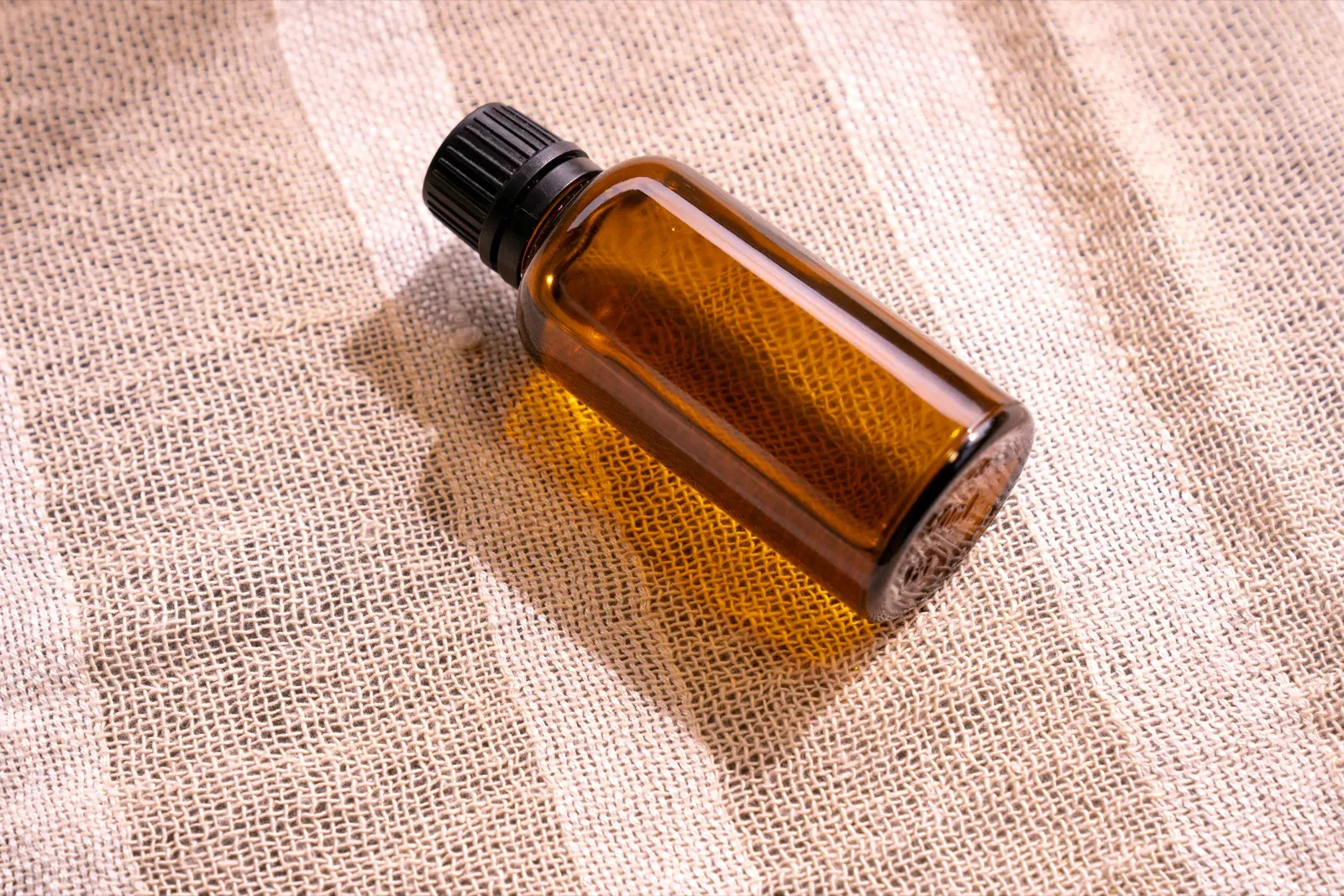
Many Japanese consumers who dislike tart flavors take daily softgel supplements made from kurozu moromi—the concentrated nutrient-rich sediment settled at the base of the earthenware jars. These amber capsules provide all the amino acids and minerals with zero sour taste.
Signs to Stop and When to See a Doctor
While Kurozu is a wholesome, food-grade fermented staple, proper moderation is necessary:
Topical Skin Precautions: Kurozu is primarily an internal dietary tonic. Remember that applying undiluted acidic vinegar directly to the face can induce acute contact dermatitis and chemical burns[3] on sensitive skin barriers. Avoid DIY vinegar face washes.
Gastric Discomfort or Heartburn: If drinking diluted vinegar causes stomach acid reflux or burning sensations, decrease the dosage to one teaspoon or discontinue use if you have a history of peptic ulcers.
Dental Sensitivity: Always rinse your mouth with plain water after drinking diluted vinegar beverages to wash residual acids away from dental enamel.
FAQ
Q1. How does Japanese Kurozu differ from Chinese black vinegar (Chinkiang)?
A. Kurozu is made purely from unpolished brown rice, while Chinese black vinegar blends rice with wheat and sorghum.(Details)
Kagoshima Kurozu uses 100% whole brown rice and koji in earthenware jars, resulting in higher free amino acid concentrations and a lighter, smoother umami taste without smoky sorghum undertones.
Q2. Can I use Kurozu as a clarifying hair rinse?
A. Yes, heavily diluted vinegar rinses can smooth hair cuticles after alkaline bar soaps.(Details)
Dilute one teaspoon of Kurozu in two cups of warm water. Pouring this mild rinse through hair tips flattens lifted cuticle scales, but always rinse thoroughly with clean water afterwards.
Q3. When is the optimal time of day to take Kurozu?
A. Consuming it with lunch or dinner buffers carbohydrate absorption effectively.(Details)
Taking your diluted vinegar drink alongside your largest meal of the day maximizes its glycemic-buffering effects and aids healthy digestion.
Q4. Does Kurozu contain alcohol?
A. No, natural acetic acid bacteria convert all fermentation alcohol into organic vinegar acids.(Details)
Although the initial phase produces unrefined rice wine inside the jar, the extended 1-to-3 year maturation ensures all ethanol is completely converted into acetic and organic acids.
Q5. Can I drink Kurozu while fasting?
A. Consuming acidic vinegar on a completely empty stomach is not recommended.(Details)
Acetic acid can stimulate stomach mucosal secretions aggressively when food is absent. Always consume vinegar beverages with or after food for optimal digestive comfort.
Summary and Key Takeaways
Japanese Kurozu is a testament to the power of patience, sunlight, and artisanal fermentation:
Pottery Jar Heritage: Aged for years under the southern sun, Kagoshima tsubozukuri concentrates whole brown rice into an amber elixir.
Rich Amino Acid Spectrum: Delivers up to tenfold the amino acid density of white vinegar, nourishing inner collagen synthesis and muscle stamina.
Dilute with Care: Enjoy one tablespoon daily diluted in water or tea alongside meals to support vibrant metabolic health and sustained radiance.
References
The Japanese Dermatological Association. Dermatological Q&A on Skin Aging and Physiological Alterations (Q5). https://www.dermatol.or.jp/qa/qa2/q05.html (Accessed 2026-11-24)
The Japanese Dermatological Association. Dermatological Q&A on Sunscreen Guidelines for Preventive Care (Q25). https://www.dermatol.or.jp/qa/qa3/q25.html (Accessed 2026-11-24)
Disclaimer: This article is for general information and education about Japanese cosmetics and their labels. It is not a substitute for professional medical advice, diagnosis, or treatment. Skincare results vary from person to person. Product formulas, availability, prices, and regulations change, and products sold in Japan can differ from versions sold elsewhere, so always check the current label. Do a patch test before introducing a new product, and consult a doctor or dermatologist if you have a skin condition or specific concerns.