Japanese Bakuchiol: Gentle Plant Retinol Alternative
IngredientsBy Editorial Team
title: Japanese Bakuchiol: Gentle Plant Retinol Alternative
slug: japanese-bakuchiol-gentle-plant-retinol-alternative
category: ingredients
category_label: Ingredients & Science
published_at: '2026-11-23'
updated_at: '2026-11-23'
meta_description: Learn how Japanese skincare uses bakuchiol, the gentle plant retinol alternative. Discover Psoralea corylifolia science, day use, and barrier rituals.
description: Learn how Japanese skincare uses bakuchiol, the gentle plant retinol alternative. Discover Psoralea corylifolia science, day use, and barrier rituals.
hero_image: /images/stock/amber-botanical-brightening-extract.jpg
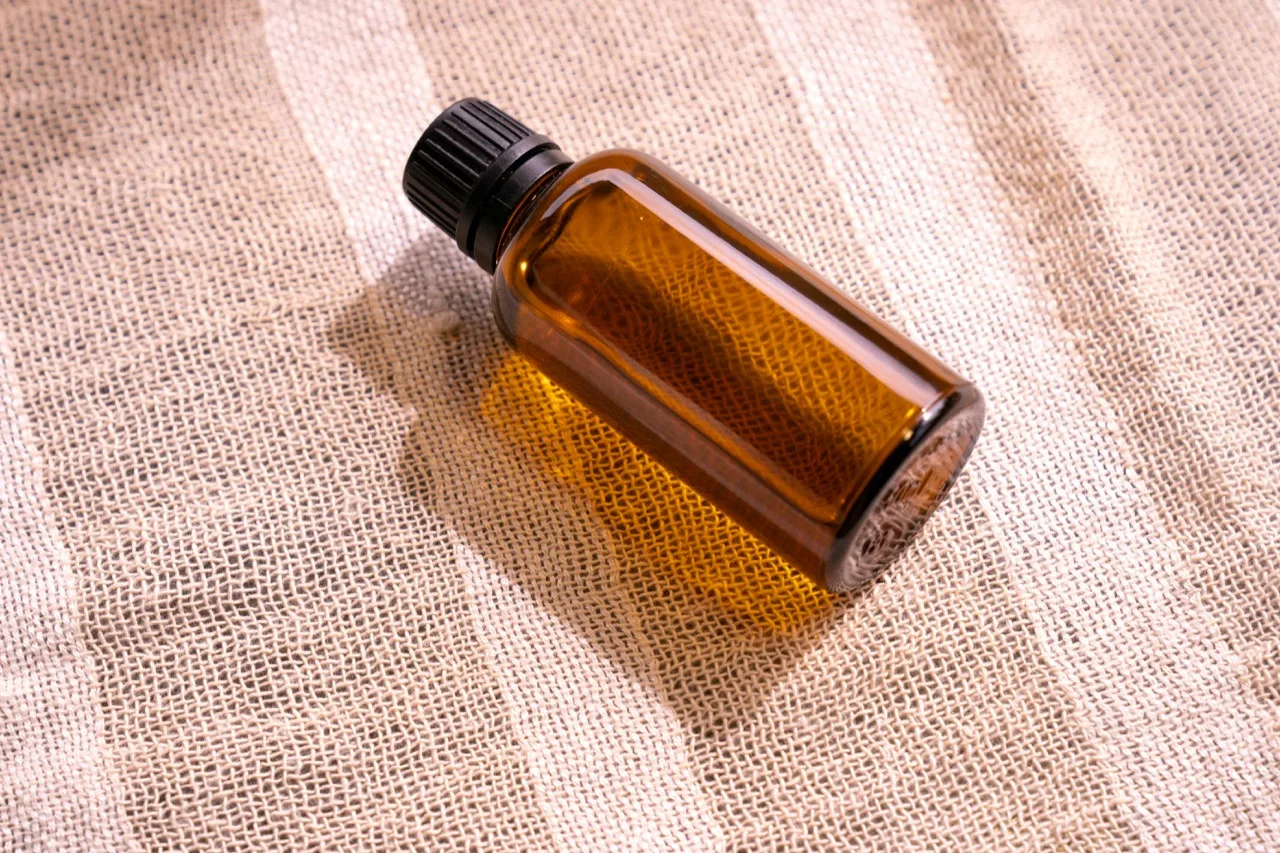
hero_image_alt: Amber dropper bottle with natural botanical plant extracts representing bakuchiol serum
thumbnail: /images/stock/amber-botanical-brightening-extract.jpg
thumbnail_alt: Amber dropper bottle with natural botanical plant extracts representing bakuchiol serum
reading_time: 6
author: Editorial Team
publish: true
Japanese Bakuchiol: Gentle Plant Retinol Alternative
Quick answer
Bakuchiol is a botanical meroterpene extracted from the seeds of Psoralea corylifolia (babchi). While chemically distinct from vitamin A, it provides comparable skin-smoothing and firmness-supporting benefits without triggering retinoid flaking, photosensitivity, or barrier erythema, making it a favorite in Japanese formulas for sensitive or daytime anti-aging care.
Retinol has long held pride of place in dermatological skincare for refining skin texture and enhancing epidermal turnover. However, its reputation is accompanied by notorious drawbacks: the initial "retinization" phase marked by peeling, barrier stinging, and heightened photosensitivity. For individuals with delicate skin barriers or those navigating humid summers, conventional vitamin A can prove too aggressive.
In response, Japanese cosmetic researchers have embraced bakuchiol—a purified botanical extract renowned as a gentle, plant-derived functional alternative to retinol. Revered in traditional Eastern herbalism for centuries, bakuchiol has captured the focus of modern Japanese laboratories seeking to deliver graceful age-defying care without compromising the stratum corneum's delicate equilibrium.
The Botanical Science: How Bakuchiol Emulates Retinol
Bakuchiol is a natural meroterpenoid phenol isolated from the seeds of the Psoralea corylifolia plant (commonly known as babchi or oranda-biyu in Japanese botanical records). Although its chemical structure shares no direct resemblance to retinoids, comparative gene-expression profiling reveals remarkable functional parallels:
Comparable Pathway Modulation: Bakuchiol influences cellular signaling pathways similar to retinol, supporting collagen integrity and natural epidermal renewal.
Potent Antioxidant Defense: As a lipid-soluble antioxidant, bakuchiol protects squalene and cutaneous lipids from peroxidation triggered by environmental exposure.
No Retinoic Acid Receptor Binding: Unlike prescription tretinoin or pure retinol, bakuchiol does not aggressively bind directly to nuclear retinoic acid receptors (RAR). This mechanical distinction explains why it sidesteps the classic retinoid purge, flaking, and severe erythema.
Scroll horizontally to view full table
Parameter
Botanical Bakuchiol
Conventional Retinol (Vitamin A)
Source & Origin
Purified plant seeds (*Psoralea corylifolia*)
Synthetic or animal-derived vitamin A ester
Photostability
High photostability; suitable for daytime wear
Rapidly degrades under UV light; strictly night-use
Cutaneous Tolerance
Exceptional; near-zero flaking or stinging
Frequent initial purge, barrier shedding, redness
Mechanism Profile
Retinol-mimicking gene expression; lipid defense
Direct retinoic acid receptor activation
Maternal Suitability
Widely utilized during pregnancy/nursing periods
Strictly contraindicated in medical guidelines
The Japanese Formulation Approach to Bakuchiol
Western bakuchiol products often feature rich, single-note facial oils or heavy emulsions. In contrast, Japanese cosmetic chemists embed bakuchiol into multi-tier barrier-support matrices designed for high absorption and zero pore weight:
1. Plant Squalane & Ceramide Carrier Systems
Because bakuchiol is lipophilic, Japanese formulators dissolve it into plant-derived sugarcane squalane and human-type ceramides (NP, AP, EOP). This vehicle mimics natural sebum, ensuring the active disperses smoothly into intercellular lipid corridors without greasy residue.
2. Pairing with Soothing Botanical Extracts
Japanese serums frequently formulate bakuchiol alongside calming herbal staples such as Centella Asiatica (tsubokusa), mugwort (yomogi), and green tea (cha-ekisu). This synergy cools superficial heat while bakuchiol works on long-term firmness.
3. Micro-Encapsulated Emulsions
Advanced Japanese delivery technologies encapsulate bakuchiol in micro-emulsions, allowing water-based essences (biyoueki) and hydrating milks (nyueki) to carry the lipid active without requiring heavy silicones or pore-clogging waxes.
How to Layer Bakuchiol in Morning & Evening Routines
Unlike pure retinol, which requires stringent evening-only application and careful spacing, bakuchiol offers exceptional routine flexibility:
Morning Routine: Daytime Firmness & Protection
Step 1: Gentle foam or water rinse.
Step 2: Hydrating conditioning lotion (keshosui) pressed into skin.
Step 3: 3 to 4 drops of Japanese bakuchiol serum patted over face and neck.
Step 4: Lightweight emulsion to lock in hydration.
Step 5: Broad-spectrum sunscreen. Because bakuchiol is photostable, it provides continuous antioxidant support beneath SPF without sun sensitivity. Regarding sunscreens, their consistent daily use is strongly recommended from the medical standpoint of future skin damage and skin cancer prevention.[2]
Evening Routine: Restorative Overnight Reset
Smooth bakuchiol serum over clean, prepped skin. It pairs harmoniously with niacinamide, hyaluronic acid, and peptide creams without the risk of ingredient deactivation or stinging.
Daily photoprotection and restorative hydration work together to support long-term skin health, recognizing that normal biological aging involves the natural decline of physiological functions over time, whereas photoaging represents chronic, cumulative ultraviolet injury sustained by the skin tissue.[3]
Who Benefits Most from Japanese Bakuchiol?
Retinol-Intolerant Complexions: Provides a dependable alternative for individuals who experience dermatitis, flaking, or burning from prescription or over-the-counter vitamin A.
Daytime Anti-Aging Enthusiasts: Ideal for users seeking firming and antioxidant protection that can be safely worn under morning makeup.
Pregnant and Nursing Mothers: Serves as a popular plant-derived option during maternal phases when topical retinoids must be avoided.
Warm & Humid Climates: Lightweight Japanese bakuchiol essences offer deep conditioning without the heavy, pore-smothering feel of conventional anti-aging balms.
Signs to stop and when to see a doctor
While bakuchiol is celebrated for its low irritation potential, individual botanical allergies can occur:
Immediate Cessation: If you develop sudden itching, localized hives, red patches, or facial swelling, rinse the skin gently with cool water and stop use immediately.
Understanding Allergic Triggers: Contact dermatitis is a common condition encountered in dermatological practice, and if the specific triggering substance is identified and contact is discontinued, it is considered a condition that can be fully resolved.[1]
When to Seek Medical Attention: Consult a board-certified dermatologist if burning, persistent rash, or pustular eruptions persist beyond 48 hours. When trying natural plant extracts, always conduct a patch test on your inner forearm 24 hours prior to full facial application.
FAQ
Q1. Can I use bakuchiol and retinol together in the same routine?
A. Yes, combining them can stabilize retinol and boost results.(Details)
Because bakuchiol exhibits natural lipid antioxidant properties, clinical studies show it helps stabilize retinol against oxidation. Furthermore, bakuchiol's soothing profile can mitigate the barrier dryness commonly triggered by vitamin A, allowing better overall cutaneous tolerance.
Q2. Is bakuchiol truly safe to wear in direct sunlight?
A. Yes, bakuchiol does not break down or cause photosensitivity.(Details)
Unlike retinol, which degrades rapidly when exposed to ultraviolet radiation and can provoke light-induced irritation, bakuchiol possesses high photostability. You can wear it confidently during morning hours, provided you complete your regimen with certified broad-spectrum sunscreen.
Q3. How long does it take to see visible results from bakuchiol?
A. Notable improvements in skin smoothness typically appear within 8 to 12 weeks.(Details)
Because bakuchiol acts gently without forcing aggressive peeling, visible skin smoothing and elasticity improvements develop progressively over two to three months of consistent twice-daily application, respecting natural epidermal renewal cycles.
Q4. Does bakuchiol cause an initial acne purge?
A. No, bakuchiol rarely induces a rapid retinoid purge.(Details)
Retinol purges occur because rapid cell turnover forces trapped micro-comedones to the surface simultaneously. Bakuchiol regulates epidermal turnover at a gradual biological pace while offering clarifying and lipid-balancing support, minimizing unexpected breakout surges.
Q5. Can I use bakuchiol around the delicate eye area?
A. Yes, its non-irritating nature makes it ideal for eye contours.(Details)
The periorbital zone has ultra-thin skin that readily reacts to strong retinoids with peeling and redness. Japanese eye creams formulated with bakuchiol and ceramides gently soften the look of fine dryness lines around the eyes without causing burning or puffiness.
Summary
Japanese bakuchiol skincare offers a compelling path to refined skin texture and resilient firmness without the trade-offs of traditional vitamin A:
Photostable Morning & Night: Safe for daytime application beneath sunscreen without risking UV breakdown or cutaneous photosensitivity.
Balanced J-Beauty Formulations: Paired with ceramides, squalane, and soothing herbs to maintain stratum corneum hydration.
Gentle Age-Defying Ally: An ideal choice for sensitive barriers, warm climates, and maternal skincare regimens.
References
The Japanese Dermatological Association. Dermatological Q&A on Contact Dermatitis: Pathophysiology and Identifying Causative Contact Triggers (Q1). https://www.dermatol.or.jp/qa/qa4/q01.html (Accessed 2026-11-23)
The Japanese Dermatological Association. Dermatological Q&A on Sunscreen Application for Long-Term Prevention (Q25). https://www.dermatol.or.jp/qa/qa3/q25.html (Accessed 2026-11-23)
The Japanese Dermatological Association. Sunburn Q&A on Photoaging and Biological Alterations in Aging Skin (Q5). https://www.dermatol.or.jp/qa/qa2/q05.html (Accessed 2026-11-23)
Disclaimer: This article is for general information and education about Japanese cosmetics and their labels. It is not a substitute for professional medical advice, diagnosis, or treatment. Skincare results vary from person to person. Product formulas, availability, prices, and regulations change, and products sold in Japan can differ from versions sold elsewhere, so always check the current label. Do a patch test before introducing a new product, and consult a doctor or dermatologist if you have a skin condition or specific concerns.