Japanese Dipotassium Glycyrrhizate: The Gentle Secret to Acne Soothing
IngredientsBy Editorial Team
title: Japanese Dipotassium Glycyrrhizate: The Gentle Secret to Acne Soothing
slug: japanese-dipotassium-glycyrrhizate-acne-soothing
category: ingredients
published_at: '2026-11-23'
updated_at: '2026-11-23'
meta_description: Discover why dipotassium glycyrrhizate is Japan's favorite quasi-drug active for calming acne irritation and strengthening sensitive skin barriers.
keywords:
dipotassium glycyrrhizate japanese skincare
licorice root acne soothing
quasi drug anti inflammatory active
hada are skin roughness prevention
j-beauty calming ingredients
lead_image: /images/stock/dipotassium-glycyrrhizate-japanese-skincare-hero.webp
lead_image_alt: Japanese botanical skincare featuring dipotassium glycyrrhizate for gentle acne calming and skin barrier support
publish: true
Japanese Dipotassium Glycyrrhizate: The Gentle Secret to Acne Soothing
Examine the ingredient lists of Japanese acne cleansers, medicated balancing lotions (Kesho-Sui), and sensitive skin emulsions, and one functional compound appears with remarkable ubiquity: dipotassium glycyrrhizate. Known in domestic cosmetic regulation as an approved soothing active agent (shou-en-zai), this licorice root derivative forms the quiet backbone of Japan's gentle, barrier-first approach to blemish control and skin roughness (hada-are).
Quick answer: Dipotassium glycyrrhizate is a water-soluble salt derived from licorice root (Glycyrrhiza glabra) approved as a Japanese quasi-drug active ingredient. It soothes cutaneous redness, inhibits the inflammatory enzymes that aggravate acne papules, and reinforces the epidermal barrier without causing peeling, dryness, or bacterial resistance.
What is dipotassium glycyrrhizate and why is it so popular in Japan?
Dipotassium glycyrrhizate is the dipotassium salt of glycyrrhizic acid, extracted from the roots and rhizomes of the licorice plant. In traditional Eastern herbal medicine (Kampo), licorice root has been utilized for centuries to harmonize medicinal blends, relieve irritation, and neutralize physical heat.
When modern Japanese cosmetic dermatologists began investigating botanical actives for quasi-drug (Iyakubugaihin) certification, dipotassium glycyrrhizate emerged as an ideal candidate. Unlike Western anti-blemish solutions that frequently rely on high-dose benzoyl peroxide or strong alcohol astringents to eradicate surface bacteria, Japanese formulations focus on calming the underlying inflammation cascade before pores become painful, inflamed cysts.
Japanese clinical literature and product formulations emphasize that dipotassium glycyrrhizate prevents skin roughness and keeps reactive complexions healthy by interrupting recurrent breakout cycles[1]. Furthermore, regulatory documentation classifies dipotassium glycyrrhizate as a specialized skin-conditioning agent that replenishes and maintains moisture balance[1].
Biological mechanism: halting the acne inflammation cascade
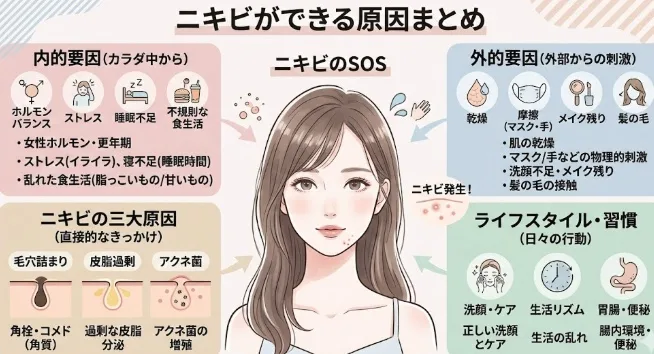
Acne lesions do not begin as infected pustules; they start as microscopic plug formations (microcomedones) where trapped sebum and dead skin cells trigger local oxidative stress.
Scroll horizontally to view full table
Skin Concern
Biological Action of Glycyrrhizate
Visible Complexion Outcome
Early Pore Congestion
Inhibits cyclooxygenase (COX-2) and prostaglandin production
Prevents swollen, tender red bumps from developing
Active Acne Flares
Calms interleukin signaling and localized tissue swelling
Maintains stratum corneum moisture retention without lipid stripping
Softens rough, flaky patches caused by harsh acne washes
Because of its high biocompatibility, dipotassium glycyrrhizate synergizes with niacinamide to condition the epidermis while human-type ceramides and squalane shield against dryness and seasonal skin fluctuations[1]. This harmonized approach ensures that managing blemishes does not compromise fundamental hydration.
The perfect buffer active for potent skincare routines
One of the greatest clinical strengths of dipotassium glycyrrhizate is its exceptional formulation stability and compatibility. It functions as a soothing shock absorber when paired with aggressive active ingredients that otherwise cause surface irritation.
Buffering Vitamin C Derivatives: High-potency L-ascorbic acid and ascorbyl phosphates can induce localized tingling on sensitive complexions. Incorporating dipotassium glycyrrhizate mitigates redness while permitting full antioxidant action.
Taming Retinoids: When introducing retinol or retinyl palmitate, pairing with a glycyrrhizate-infused lotion helps prevent peeling and flaking.
Calming Chemical Exfoliants: Japanese formulas frequently blend licorice root derivatives with mild peeling acids (such as AHA, PHA, or azelaic acid) to deliver pore-clarifying results without reactive flushes.
How to integrate dipotassium glycyrrhizate into a J-Beauty routine
To maximize the soothing and anti-roughness benefits of dipotassium glycyrrhizate, structure your regimen to encourage gradual epidermal saturation.
Gentle Medicated Cleanser: Wash twice daily with a weakly acidic foaming cleanser formulated with licorice derivatives to soothe surface irritation during washing.
Medicated Balancing Lotion (Kesho-Sui): Pour a generous splash of licorice-infused lotion into your hands and press repeatedly into your face until the stratum corneum feels cool and deeply plumped.
Soothing Sheet Mask: Use an intensive cotton sheet mask soaked in glycyrrhizate and tea tree or ceramide essence for 5 to 10 minutes following outdoor sun exposure or stressful breakout cycles.
Targeted Essence & Emulsion: Apply clarifying serums and lock in active hydration with a lightweight, ceramide-rich milk emulsion.
Daily Photoprotection: In the morning, finish with a broad-spectrum sunscreen.
Dermatologists agree that sunscreen and moisturizer are the two most-effective anti-aging products you can buy, establishing the non-negotiable defensive baseline[2]. Furthermore, anti-aging skin care products will work best if they are formulated for your skin type, preventing excess friction and unnecessary barrier disruption[2].
Signs to stop and when to see a doctor
Dipotassium glycyrrhizate boasts one of the cleanest dermatological safety records among botanical cosmetic actives. However, vehicle ingredients, accompanying essential oils, or compound sensitivities can still occur.
Persistent Itching or Urticaria: If localized hives, itchy swelling, or tiny allergic papules appear following application, discontinue the product and rinse thoroughly with cool water.
Burning or Heightened Sensitivity: While glycyrrhizate is inherently soothing, secondary solvents or preservatives in the formula may trigger contact dermatitis on severely cracked skin.
Cystic or Nodular Acne Lesions: Deep, painful cystic nodules located along the jawline typically stem from hormonal or systemic factors that topical soothing agents cannot resolve on their own.
When to Consult a Dermatologist: Seek professional dermatological evaluation if acne flare-ups spread rapidly, if skin barrier inflammation persists past 48 hours, or if cystic lesions risk leaving lasting textural scarring.
FAQ
Q1. Is dipotassium glycyrrhizate safe for daily, long-term skincare use?
A. Yes, topical cosmetic concentrations are exceptionally safe for indefinite daily application.(Details)
While massive dietary consumption of raw licorice root can influence blood pressure due to systemic absorption, topical cosmetic formulations incorporate purified dipotassium glycyrrhizate at calibrated therapeutic concentrations (typically 0.1% to 0.5%). At these levels, the compound acts strictly within the epidermis, providing lasting soothing and barrier-supportive benefits without any systemic effects.
Q2. Does dipotassium glycyrrhizate cause bacterial resistance like topical antibiotics?
A. No, it reduces inflammation rather than acting as a synthetic antimicrobial agent.(Details)
Unlike topical antibiotics (such as clindamycin or erythromycin) that target bacteria directly and carry risks of microbial resistance over time, dipotassium glycyrrhizate functions by calming the body's inflammatory response pathways. Bacteria cannot develop resistance to this botanical mechanism, making it ideal for continuous maintenance.
Q3. Can dipotassium glycyrrhizate help soften the look of post-acne dark spots?
A. Yes, it inhibits inflammatory signals that trigger excess post-blemish melanin.(Details)
Post-inflammatory hyperpigmentation (PIH) and red marks (PIE) are direct consequences of unresolved swelling around recovering pores. By calming the inflammatory response early, dipotassium glycyrrhizate prevents melanocytes from overproducing dark pigments, resulting in faster visual clearing of post-breakout marks.
Q4. What is the difference between Glycyrrhiza glabra extract and dipotassium glycyrrhizate?
A. Dipotassium glycyrrhizate is the purified, water-soluble active salt of the plant compound.(Details)
Whole licorice root extract contains a complex mixture of tannins, flavonoids (such as glabridin), sugars, and plant lipids. Dipotassium glycyrrhizate is a highly purified, water-soluble salt derived specifically from the active glycyrrhizic acid molecule, ensuring predictable batch-to-batch soothing potency and effortless incorporation into clear lotions and gels.
Q5. Can I use dipotassium glycyrrhizate while using strong acne treatments like salicylic acid?
A. Yes, it acts as an ideal soothing companion to buffer drying exfoliation.(Details)
Salicylic acid (BHA) and benzoyl peroxide can cause significant dryness, flaking, and barrier stress. Layering a gentle Japanese lotion containing dipotassium glycyrrhizate alongside these clarifying agents soothes cutaneous redness, restores essential hydration, and ensures your skin barrier remains resilient throughout daily application.
Summary
Japanese dipotassium glycyrrhizate skincare embodies the foundational philosophy of J-Beauty: protecting the skin barrier and calming irritation before it escalates into damaging inflammation. By intercepting the inflammatory cascade, reducing redness, and providing a dependable buffer for active ingredients, this time-honored licorice derivative remains one of the safest and most effective tools for maintaining clear, balanced, and resilient skin.
Disclaimer: This article is for general information and education about Japanese cosmetics and their labels. It is not a substitute for professional medical advice, diagnosis, or treatment. Skincare results vary from person to person. Product formulas, availability, prices, and regulations change, and products sold in Japan can differ from versions sold elsewhere, so always check the current label. Do a patch test before introducing a new product, and consult a doctor or dermatologist if you have a skin condition or specific concerns.