title: Japanese Bamboo Extract: Silica & Skin Elasticity
slug: japanese-bamboo-extract-silica-skin-elasticity
category: ingredients
published_at: '2026-11-23'
updated_at: '2026-11-23'
meta_description: Discover how Japanese bamboo and sasa extracts provide natural silica for skin elasticity. Learn mineral collagen science and practical skincare tips.
keywords:
japanese bamboo extract skincare
sasa veitchii kumazasa extract
natural plant silica collagen
bamboo grass mineral elasticity
j-beauty botanical firmness
lead_image: /images/stock/botanical-tropical-green-leaves-freshness.webp
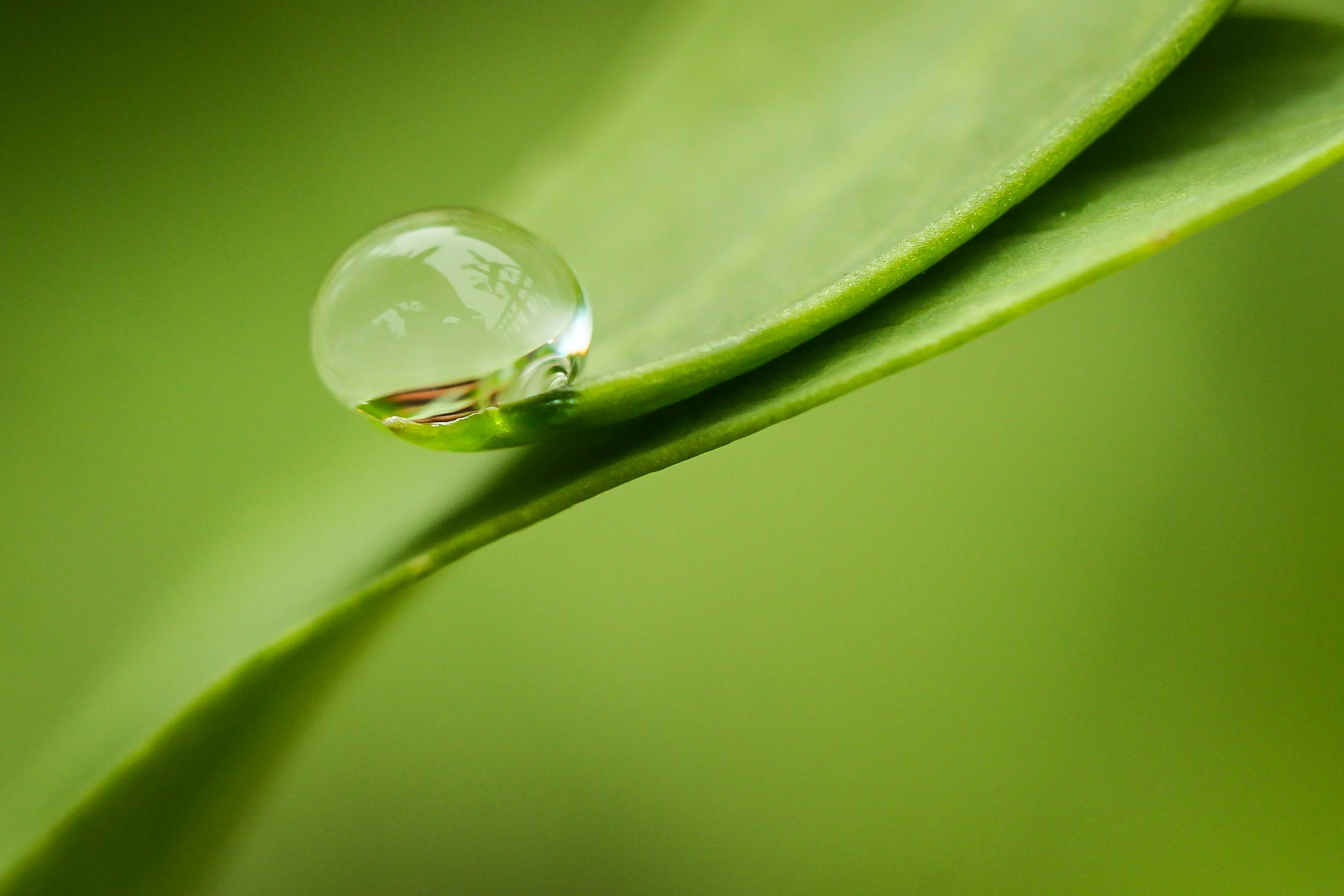
lead_image_alt: Fresh verdant bamboo and botanical leaves glistening with morning moisture
thumbnail: /images/stock/botanical-tropical-green-leaves-freshness.webp
thumbnail_alt: Fresh verdant bamboo and botanical leaves glistening with morning moisture
author: Editorial Team
publish: true
Japanese Bamboo Extract: Silica & Skin Elasticity
In Japan, groves of towering take (bamboo, Phyllostachys) and sweeping understories of mountain dwarf bamboo (sasa) are legendary for their tensile strength, rapid vertical growth, and remarkable resilience. Bamboo stalks bend gracefully under winter snow without snapping, while sasa grass blankets alpine slopes in vivid green even under sub-zero frosts.
Behind this architectural flexibility lies a vital structural mineral: silicon dioxide (silica). Bamboo accumulates higher concentrations of bio-available organic silica than almost any other land plant on earth. In modern Japanese skincare, extracts from bamboo stems, bamboo water (takenoko / takenoko-sui), and mountain bamboo grass (Kumazasa) are utilized as premier mineral elixirs to support connective tissue integrity, enhance collagen resilience, and deliver a smooth, porcelain finish.
Quick answer: Japanese bamboo and sasa extracts are potent sources of bio-available plant silica (orthosilicic acid), amino acids, and antioxidant flavonoids. In topical skincare, natural silica plays a crucial architectural role: it reinforces glycosaminoglycan networks, supports the cross-linking of dermal collagen fibers, and creates a soft-focus mineral veil that blurs fine texture while regulating excess sebum.
Scroll horizontally to view full table
Botanical Variety
Primary Sourced Part
Key Bioactive Nutrients
Skincare Role
Kumazasa (*Sasa veitchii*)
Highland dwarf bamboo foliage
Chlorophyll, polysaccharides, flavonoids
Calming roughness, supporting barrier recovery
Mousouchiku (*Phyllostachys edulis*)
Mature woody culms and inner shoots
Organic bio-silica (up to 70% in ash), minerals
Reinforcing structural elasticity and pore toning
Chishimazasa (*Sasa kurilensis*)
Northern sub-arctic bamboo sap
Natural mineral water, polyphenols
Deep watery hydration and refreshing mists
Bamboo Charcoal (*Takesumi*)
Pyrolyzed carbonized bamboo stalks
Micro-porous carbon lattice
Adsorbing lipid sebum and surface impurities
The Role of Bio-Silica in Dermal Matrix Architecture
Silicon is the third most abundant trace element in the human body, highly concentrated in skin, hair, and connective tissue. In youthful skin, optimal silica levels facilitate the cross-linking of proteoglycans and structural proteins, helping collagen and elastin fibers maintain their bouncy triple-helix alignment.
As skin matures, endogenous silica stores naturally decline, leading to weakened structural support and increased susceptibility to sagging. Synthetic silica powders used in standard makeup merely sit on the skin to absorb oil. In contrast, bio-fermented bamboo extracts provide organic, water-soluble orthosilicic acid complexes that integrate smoothly into the intercellular lipid matrix, providing physical tensional support and enhancing skin suppleness.
Alpine Resilience: The Science of Japanese Kumazasa
Among Japan's wild bamboo varieties, Kumazasa (Sasa veitchii) has held a revered role in folk pharmacology (wakan) for centuries. In mountain villages, fresh sasa leaves were traditionally used to wrap sushi and rice cakes (sasamaki) because their natural phytochemicals prevented microbial spoilage.
Cosmetic researchers at established Japanese laboratories isolated these active fractions into certified raw materials. Japanese extract specialists like Ichimaru Pharcos produce an extract derived from the leaves of Kumazasa, Sasa veitchii (carr.) Rehd. (Gramineae)[2]. In regulatory documentation for soothing sensitive skin, this material is designated under "Quasi-drug labeling name: purified water, ethanol, kumazasa extract"[2].
Topical kumazasa extract contributes to skin vitality through three distinct mechanisms:
Flavonoid Defense: High concentrations of tricin and luteolin derivatives scavenge free radicals generated by UV radiation and ambient pollution.
Moisture-Retaining Polysaccharides: Complex plant arabinogalactans create a light moisture-trapping cushion over dry skin patches.
Pore and Sebum Balance: Mild natural astringents tone expanded follicular openings without drying the epidermis.
How to Incorporate Bamboo Skincare into Your Daily Routine
Bamboo-derived cosmetics range from ultra-lightweight mineral lotions to firming botanical emulsions. Applying them with gentle techniques preserves the skin's surface barrier.
When beginning your skincare routine, the American Academy of Dermatology (AAD) reminds us: "Wet your face with lukewarm water and use your fingertips to apply cleanser"[1]. They emphasize: "Resist the temptation to scrub your skin because scrubbing irritates the skin"[1]. Smooth, fluid motions ensure that botanical silica and minerals absorb easily without mechanical friction.
Consider these effective steps:
Morning Mineral Mist: Mist your face with bamboo water immediately after cleansing to restore trace minerals and prepare the stratum corneum for serums.
Firming Collagen Routine: Layer a bamboo silica essence beneath your daily moisturizer. The botanical silica reinforces the surface elasticity of tired, slackening skin.
Midday Blurring Cushion: Use a bamboo-infused finishing lotion or powder to gently absorb excess forehead shine while maintaining an airy, luminous finish.
Signs to stop and when to see a doctor
While bamboo and sasa extracts are gentle, natural botanical complexes contain plant-derived proteins and trace natural ethanol that can occasionally cause individual sensitivity.
Discontinue use of bamboo skincare and consult a medical professional if you observe any of the following symptoms:
Erythematous Bumps or Itchiness: Sudden red patches, stinging, or allergic contact dermatitis appearing within hours of application.
Dry Flaking or Tightness: Persistent scaly dryness, which may indicate that an astringent bamboo formula is too drying for your barrier type.
Swelling Around Eyes or Lips: Edema or warmth developing along delicate facial tissues.
If cutaneous reactions persist, consult a board-certified dermatologist. Bring the product packaging so your clinician can evaluate the full formula profile.
FAQ
Q1. Is bamboo silica the same as crystalline or mineral silica?
A. No, bamboo provides amorphous, water-soluble plant silica safe for cosmetic use.(Details)
Unlike mined crystalline silica dust, which carries industrial inhalation risks, plant-derived bamboo silica is amorphous, water-soluble, and thoroughly dispersed in cosmetic lotions. It is completely safe, biocompatible, and non-abrasive when applied topically to the skin.
Q2. Can bamboo extract help with enlarged pores and oily T-zones?
A. Yes, natural bamboo tannins and silica gently tone pore walls and absorb excess oil.(Details)
Bamboo extract possesses natural astringent properties that help tighten the appearance of expanded pore openings. Additionally, microscopic amorphous silica particles physically absorb excess midday sebum, creating a clean, matte finish without stripping vital moisture.
Q3. How does bamboo extract support collagen elasticity?
A. It provides essential trace minerals that support normal collagen cross-linking.(Details)
Silica is a mandatory cofactor for prolyl hydroxylase, an enzyme responsible for stabilizing the collagen triple helix. By providing bio-available orthosilicic acid, topical bamboo extracts help maintain the structural integrity and natural bounce of dermal fibers.
Q4. Can people with sensitive skin use Kumazasa bamboo products?
A. Yes, Kumazasa is traditionally prized in Japan specifically for calming sensitive skin.(Details)
In Japanese Quasi-Drug formulations, Kumazasa extract is officially approved for soothing skin roughness and calming external irritation. However, because some commercial extracts use trace alcohol as a botanical extraction solvent, individuals with severe alcohol sensitivity should review the ingredient label.
Q5. Can bamboo extract be layered with vitamin C or retinol?
A. Yes, bamboo extract serves as an excellent mineral buffer alongside active serums.(Details)
Because bamboo extract has a neutral pH and delivers rich botanical hydration, it layers easily alongside exfoliating chemical acids, vitamin C, and retinol. Applying a bamboo lotion first provides a soothing, mineral-rich cushion that minimizes potential flaking from strong actives.
Summary
Japanese bamboo and sasa extracts capture the timeless elegance and physical resilience of Japan's verdant mountain groves. Rich in bio-available organic silica, soothing flavonoids, and natural plant minerals, these botanical elixirs reinforce dermal elasticity, refine pore texture, and calm surface irritation. Incorporating bamboo-enriched formulas into your daily regimen offers an enduring touch of nature-inspired strength and supple bounce.
Disclaimer: This article is for general information and education about Japanese cosmetics and their labels. It is not a substitute for professional medical advice, diagnosis, or treatment. Skincare results vary from person to person. Product formulas, availability, prices, and regulations change, and products sold in Japan can differ from versions sold elsewhere, so always check the current label. Do a patch test before introducing a new product, and consult a doctor or dermatologist if you have a skin condition or specific concerns.