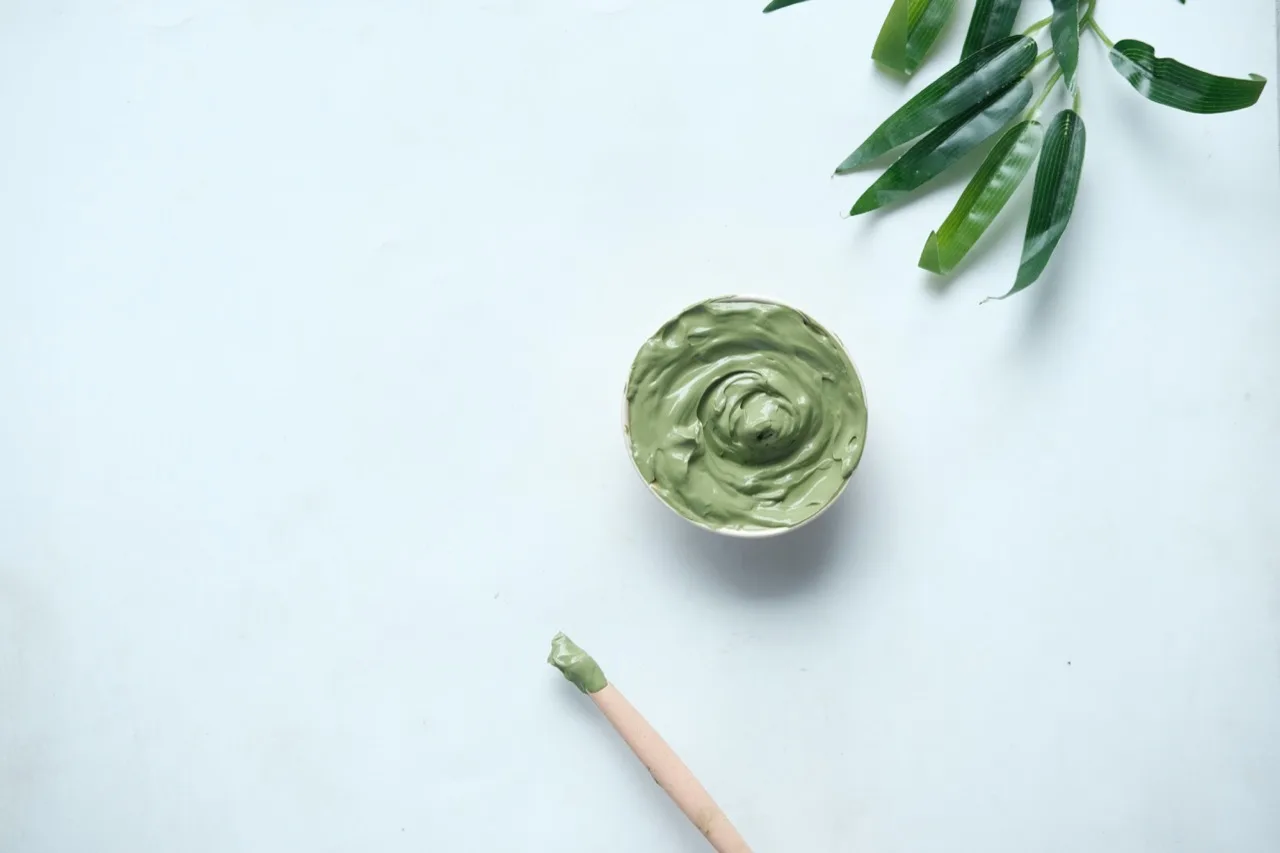
title: Japanese Kucha Okinawa Sea Silt Clay Mask Guide slug: japanese-clay-kucha-okinawa-sea-silt-mask category: ingredients category_label: Ingredients published_at: '2026-11-24' updated_at: '2026-11-24' meta_description: Clarify congested pores with Japanese Kucha Okinawa sea silt masks. Learn ancient marine clay mineralogy, negative ion adsorption, and gentle masking tips. description: Clarify congested pores with Japanese Kucha Okinawa sea silt masks. Learn ancient marine clay mineralogy, negative ion adsorption, and gentle masking tips. lead_image: /images/stock/clay-mask-bowl-spatula.webp lead_image_alt: Japanese Kucha marine sea silt facial clay mask in a ceramic bowl with bamboo spatula thumbnail: /images/stock/clay-mask-bowl-spatula.webp thumbnail_alt: Japanese Kucha marine sea silt facial clay mask in a ceramic bowl with bamboo spatula author: Editorial Team publish: true
Japanese Kucha Okinawa Sea Silt Clay Mask Guide
In the subtropical Ryukyu archipelago of southern Japan, local women have cherished a pale gray mineral silt called kucha for hundreds of years. Long before modern cleansers arrived on the islands, Ryukyuan women bathed with this oceanic clay as a natural shampoo, body polish, and facial pack. They gathered the silky sediment from dried riverbeds and coastal deposits, noting how it left their skin remarkably soft and their hair gleaming.
Today, cosmetic dermatologists and formulators recognize Kucha (listed on Japanese INCI ingredient lists as kai-shiruto or Sea Silt) as one of the world's finest mineral purifying agents. With particle sizes significantly smaller than red clay or Moroccan rhassoul, Kucha cleanses congested pores via electro-magnetic attraction rather than rough physical scraping. Here is your definitive guide to understanding the geology of Okinawa sea silt, its ionic purification mechanics, and how to use Kucha clay masks for smooth, refined pores.
The Geological Origin of Kucha: Millions of Years Under the Pacific
Kucha is not a terrestrial volcanic ash or mountain mud; it is an authentic marine deposit with a unique geological pedigree:
1. Ancient Seabed Sedimentation
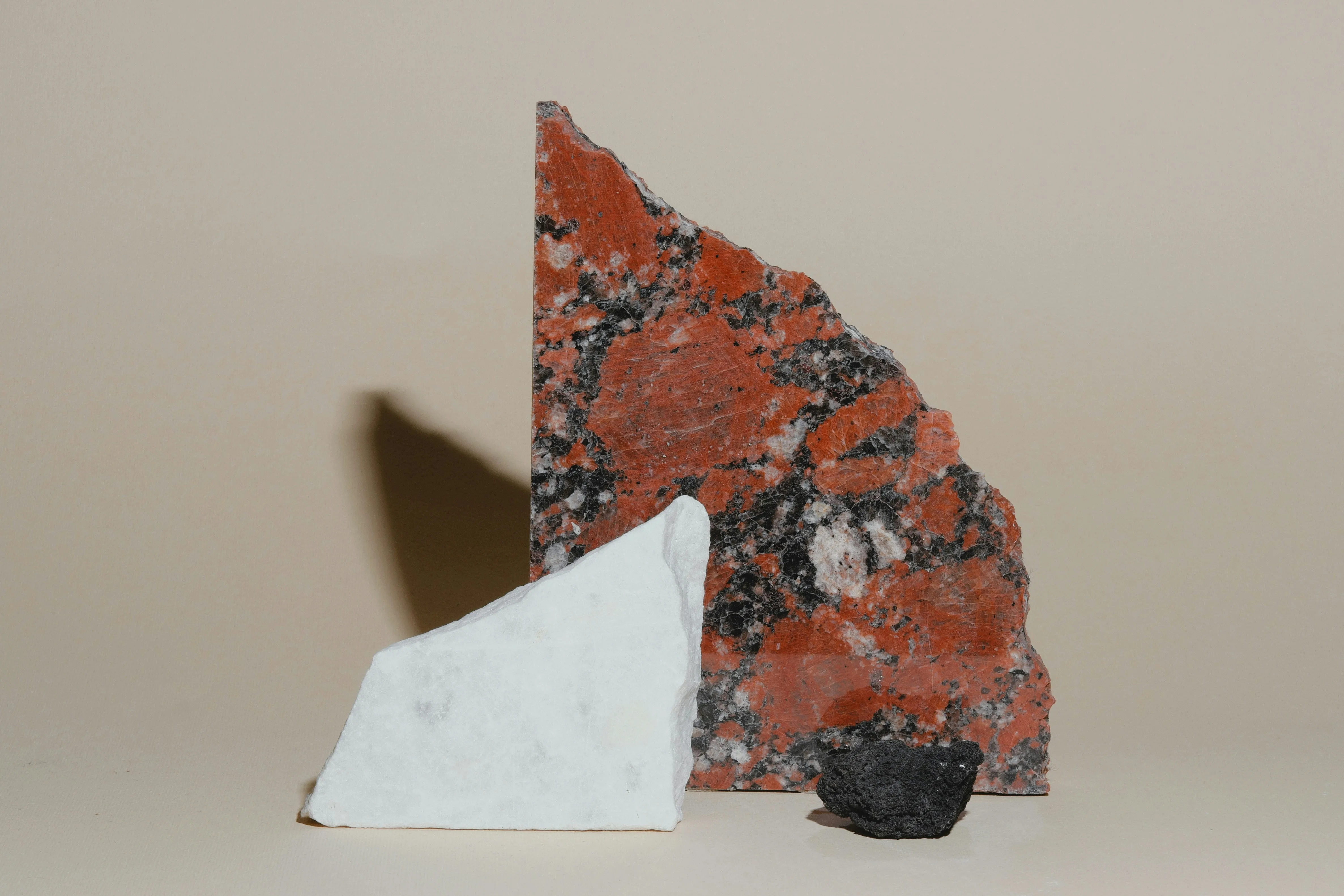
Between two and five million years ago, tectonic movements submerged prehistoric marine life, ancient coral beds, and deep-sea volcanic minerals under the Pacific Ocean around what is now southern Okinawa. Over millennia, immense oceanic pressure, tidal movements, and microbial decomposition compressed these mineral sediments into dense subterranean silt layers.
2. Sub-Micron Particle Dimensions
What truly sets Kucha apart from standard cosmetic clays like bentonite or kaolin is particle size. While standard cosmetic clays feature particles ranging between 10 and 50 microns in diameter, Kucha particles measure merely 0.5 to 5 microns—substantially smaller than human facial pores (which average 50 to 100 microns). This microscopic fineness allows wet Kucha mud to glide into pore crevices effortlessly without harsh friction.
3. Chronological Aging and Follicular Dynamics
As the skin matures, cell renewal dynamics slow down naturally. While epidermal cell turnover slows and dermal lipid synthesis gradually declines with chronological aging over time[1], the stratum corneum often retains oxidized keratin plugs and enlarged pore funnels. Kucha lifts these stubborn oxidized plugs gently without aggressive peeling acids.

The Chemistry of Ionic Purification: Why Kucha Purifies Without Stripping
Standard clarifying masks rely on absorbent drying agents that soak up everything—including water and vital ceramides—leaving skin tight and parched. Kucha purifies through an entirely different scientific mechanism:
1. Negative Electrical Potential (Ionic Adsorption)
Kucha particles carry a strong inherent negative electrical charge on their mineral crystalline surfaces. Most pore congestion—including oxidized sebum peroxides, cellular debris, makeup residues, and airborne heavy metal particulates—carries a positive electrical charge. Through fundamental Coulombic attraction, Kucha binds to positively charged impurities (kyuchaku) like a magnet, lifting them from follicular pores when rinsed away with water.
2. Rich Oceanic Mineral Saturation
Unlike sterile terrestrial clays, marine sea silt contains rich concentrations of seawater minerals, including magnesium, calcium, potassium, strontium, and silica. Magnesium ions support stratum corneum moisture balance, ensuring that the clay mask purifies without disrupting the skin's moisture barrier.
Kucha Okinawa Sea Silt vs Bentonite vs Moroccan Rhassoul
Comparing cosmetic clay varieties illustrates why Okinawa sea silt offers unmatched gentleness for delicate or combination skin:
Scroll horizontally to view more
| Mineral Feature | Standard Western Bentonite | Moroccan Rhassoul Clay | Japanese Kucha (Okinawa Sea Silt) |
|---|---|---|---|
| Geological Source | Weathered volcanic ash | Lava beds from Atlas mountains | Ancient Ryukyu seabed marine sediment |
| Average Particle Size | 20 to 50 microns | 15 to 35 microns | 0.5 to 5 microns (sub-micron scale) |
| Cleansing Mechanism | Heavy moisture absorption | Lipid and oil absorption | Negative-ion electrical adsorption |
| Post-Rinse Skin Feel | Very dry, tight, requires heavy cream | Clean, moderately softened | Plump, silky, zero tight sensations |
| Skin Sensitivity Profile | Can irritate sensitive or dry skin | Suitable for normal to oily skin | Extremely gentle; ideal for delicate skin |