Japanese Coenzyme Q10 Cream Guide for Firm Radiant Skin
IngredientsBy Seibun Lab Editorial Team
title: Japanese Coenzyme Q10 Cream Guide for Firm Radiant Skin
slug: japanese-coenzyme-q10-anti-aging-cream
category: ingredients
category_label: Ingredients
published_at: '2026-11-24'
updated_at: '2026-11-24'
meta_description: Explore Japanese Coenzyme Q10 (Ubiquinone) creams. Learn antioxidant lipid defense, mitochondrial energy support, and age-appropriate skincare routines.
description: Explore Japanese Coenzyme Q10 (Ubiquinone) creams. Learn antioxidant lipid defense, mitochondrial energy support, and age-appropriate skincare routines.
lead_image: /images/stock/cream-jar-open-on-stone.webp
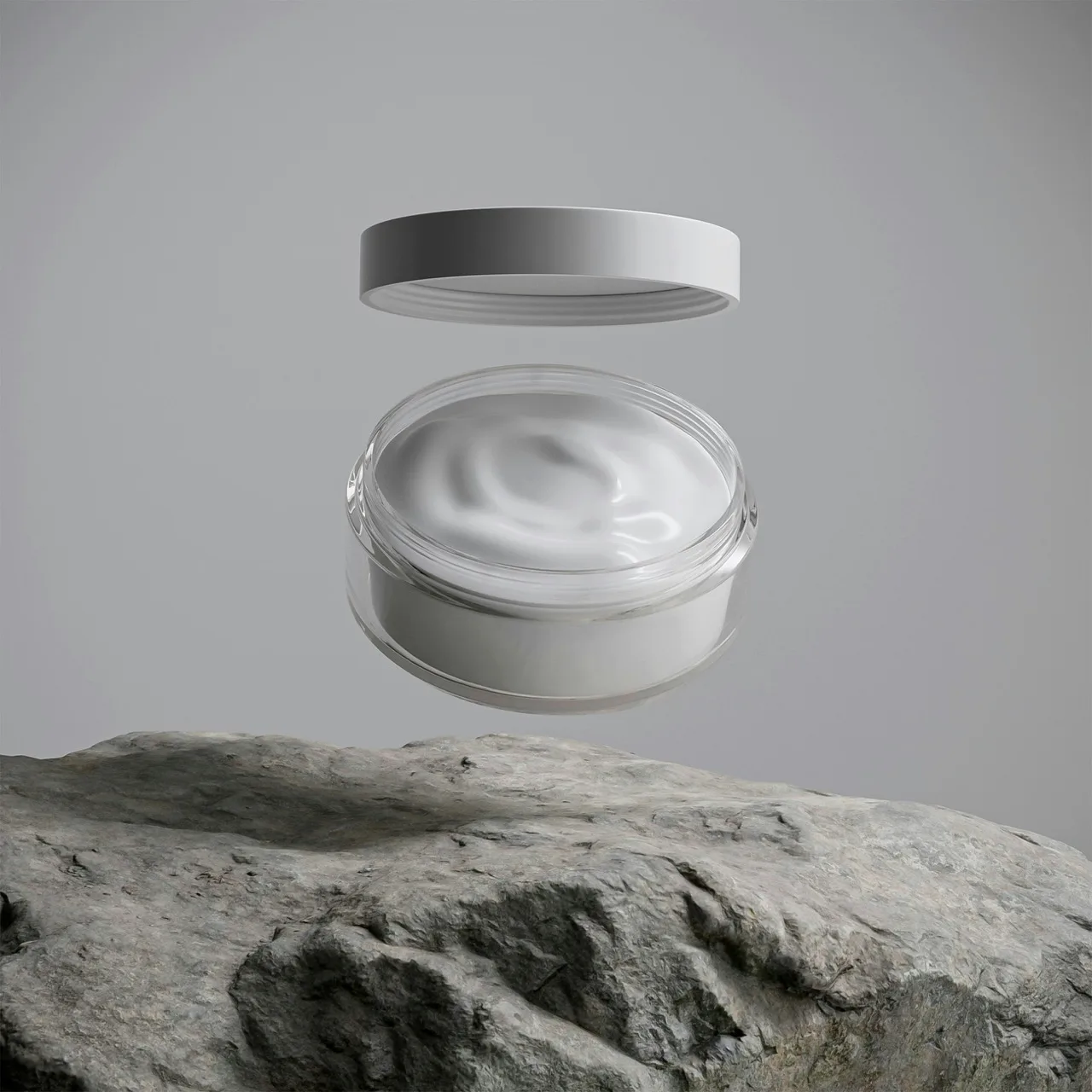
lead_image_alt: Rich golden Japanese Coenzyme Q10 moisturizing face cream in open jar on stone podium
thumbnail: /images/stock/cream-jar-open-on-stone.webp
thumbnail_alt: Rich golden Japanese Coenzyme Q10 moisturizing face cream in open jar on stone podium
author: Editorial Team
publish: true
Japanese Coenzyme Q10 Cream Guide for Firm Radiant Skin
In the vocabulary of Japanese skincare (J-beauty), the term "anti-aging" is carefully framed as eijingu kea—literally "age-appropriate care." Rather than promising unrealistic reversal of the biological clock, Japanese dermatological philosophies emphasize supporting the skin's endogenous physiological vitality at every stage of life.
At the heart of this philosophy sits Coenzyme Q10 (Ubiquinone). Japan holds a pioneering role in the global history of CoQ10: Japanese industrial biochemists pioneered the world's first natural yeast fermentation manufacturing method, enabling pharmaceutical-grade purity. Today, recognizable by their distinctive golden-yellow hue, Japanese CoQ10 moisturizing creams remain staple favorites across Tokyo drugstores and department store counters. Here is your definitive guide to understanding how Coenzyme Q10 creams function and how to incorporate them into your daily ritual.
The Biochemistry of CoQ10: Energy and Antioxidant Defense
Coenzyme Q10 is a fat-soluble benzoquinone compound concentrated within cellular mitochondria throughout human tissue. In the skin, it fulfills two essential biochemical responsibilities:
1. Cellular Bioenergetics (ATP Synthesis)
Mitochondria function as the energy powerhouses of dermal and epidermal cells. CoQ10 acts as a vital electron carrier in the mitochondrial respiratory chain, converting nutrients into adenosine triphosphate (ATP). Abundant ATP fuels essential cellular maintenance, protein synthesis, and lipid barrier formation.
2. Lipid-Phase Radical Scavenging
Unlike water-soluble antioxidants like vitamin C that circulate primarily in cytoplasmic fluids, CoQ10 resides directly inside cell membranes and intercellular lipid bilayers. It intercepts lipid peroxyl radicals triggered by solar ultraviolet radiation before they can degrade cell membranes or structural collagen networks. The endogenous cellular antioxidant defense system experiences progressive natural functional deceleration over time[1], and topical CoQ10 helps replenish declining cutaneous reserves.
3. Synergistic Vitamin E Recycling
When alpha-tocopherol (vitamin E) neutralizes a free radical, it becomes oxidized and inactive. Ubiquinol (the reduced electron-rich form of CoQ10) donates an electron to reactivate vitamin E, establishing a self-sustaining antioxidant defense loop within the skin's lipid matrix.
Coenzyme Q10 vs Retinol: Comparing Japanese Cream Strategies
Understanding how CoQ10 differs from potent cell-turnover actives like retinol helps determine which ingredient aligns with your skin tolerance:
Scroll horizontally to view more
Attribute
Japanese Coenzyme Q10 Cream
Traditional Retinoid Cream
Primary Biological Action
Lipid antioxidant defense and mitochondrial support
Why Japanese CoQ10 Creams Have a Signature Golden Hue
When browsing Japanese beauty aisles, one prominent characteristic of genuine CoQ10 formulas is their rich yellow-orange color. This coloration is not the result of artificial dyes or synthetic pigments:
Natural Chromophore: Pure crystalline ubiquinone is an intensely orange crystalline powder. High-performance Japanese creams formulated at effective concentrations (typically 0.03% to 0.1% or higher) naturally take on a distinct yellow or golden hue.
Micro-Encapsulation Technology: Because CoQ10 is sensitive to photo-oxidation, Japanese formulators often encapsulate the molecule into nano-emulsions, liposomes, or microscopic golden capsules suspended in rich gel-creams. As you smooth the cream across your skin, the micro-pearls burst, delivering fresh active lipids without oxidized residue.
How to Integrate CoQ10 Cream into a Daily Routine
Because Coenzyme Q10 is non-photosensitizing and deeply nourishing, it fits comfortably into both morning and evening routines:
Step 1: Hydrating Lotion Conditioning (Kesho-sui)
Begin by pressing several layers of a hydrating toner rich in amino acids or hyaluronic acid onto clean skin. Hydrophilic humectants deeply saturate the stratum corneum, creating a moist bed for subsequent oil absorption.
Step 2: Serum or Emulsion Layering
Apply any targeted water-based serums (such as vitamin C or tranexamic acid). Follow with a light fluid emulsion if your skin is particularly parched.
Step 3: Warming and Pressing CoQ10 Cream
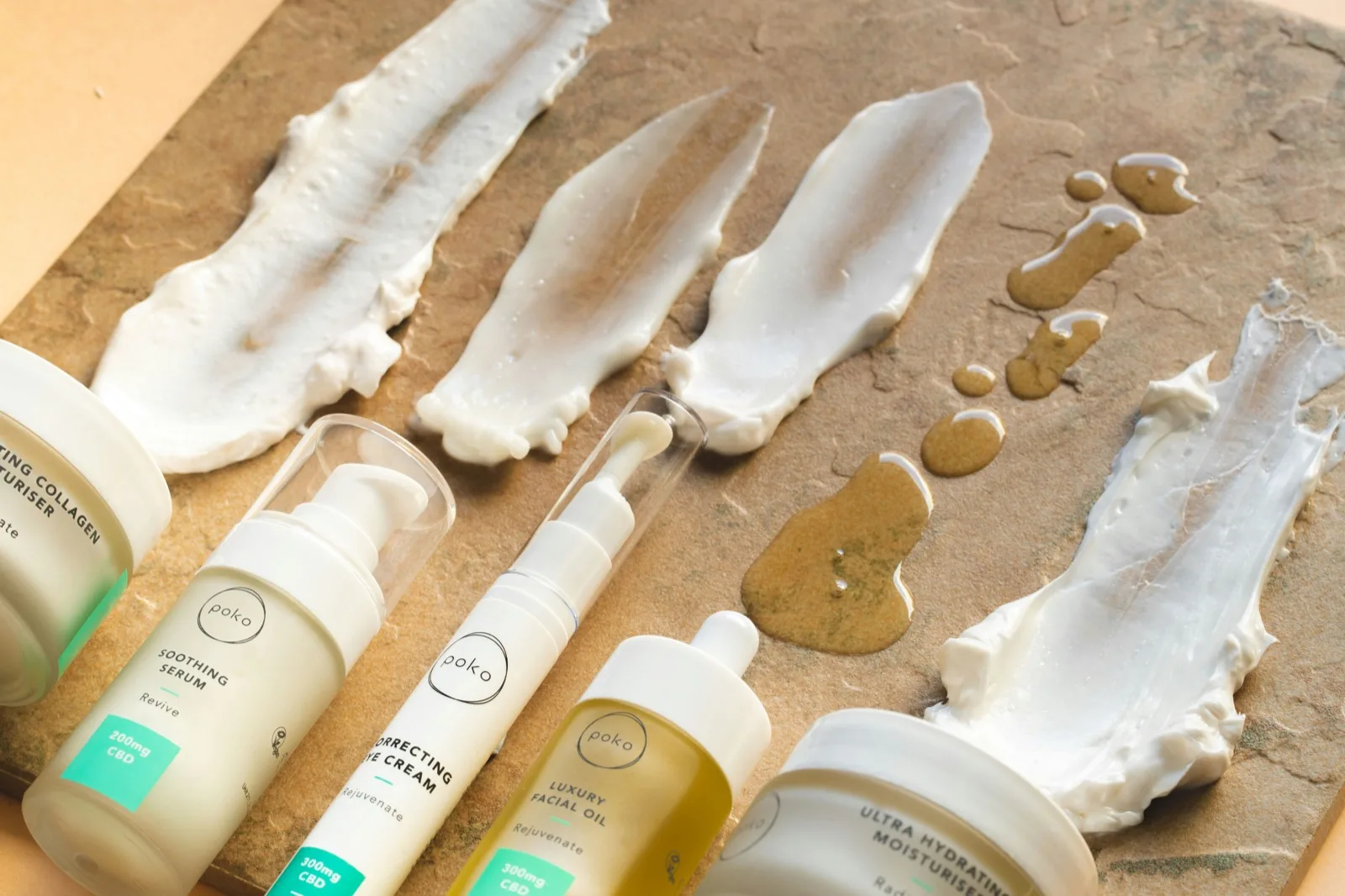
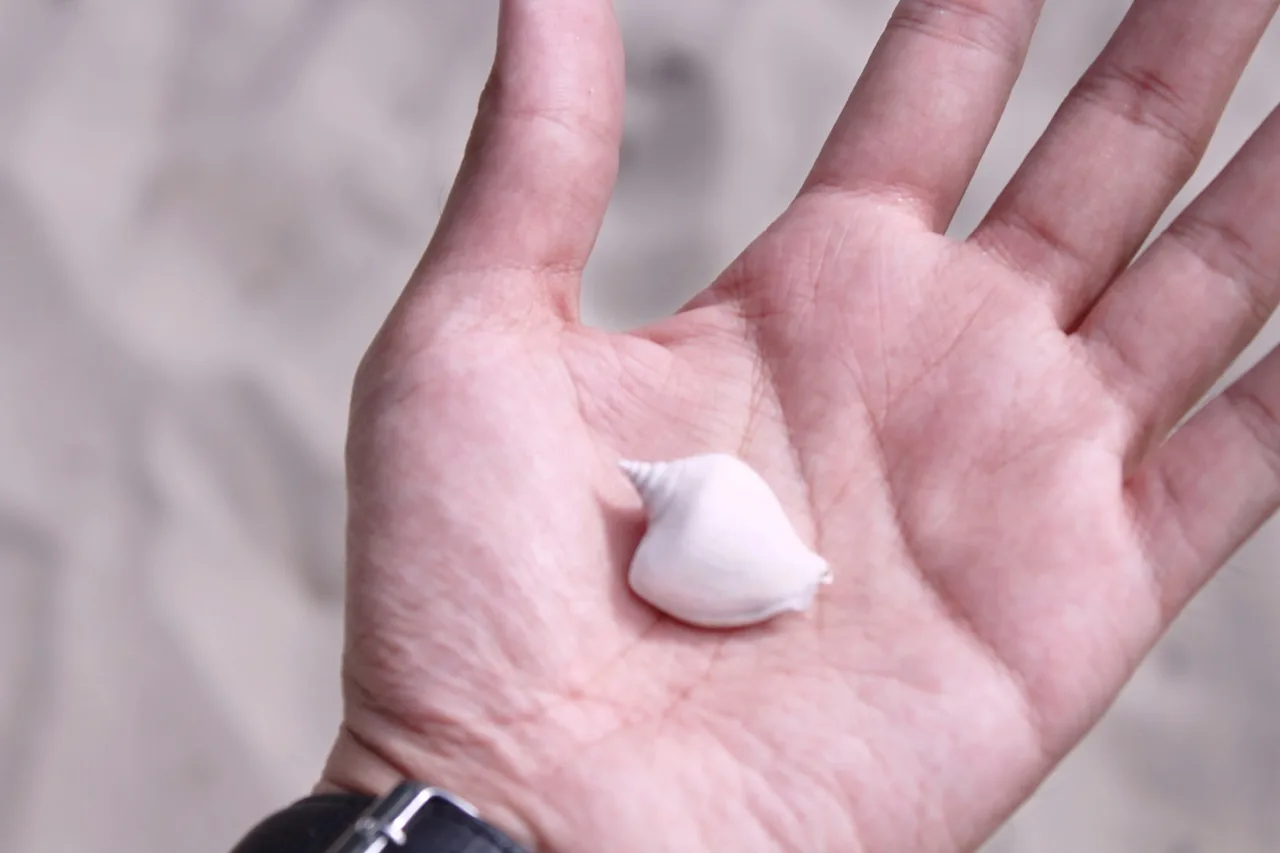
Scoop a pearl-sized dollop of CoQ10 cream into your palms. Warm the cream between your fingertips for five seconds to melt the rich botanical waxes and emollients. Press gently into the cheeks, forehead, neck, and decollete using upward, lifting palm motions.
Step 4: Daylight UV Protection
In the morning, finish with high-SPF sunscreen. Pairing topical antioxidant creams with daily morning broad-spectrum UV protection shields vulnerable skin from photoaging stress[2].
Signs to Stop and When to Consult a Specialist
While Coenzyme Q10 possesses exceptional biocompatibility, rich cosmetic creams combine diverse botanical oils and preservatives:
Signs of Sensitivity: If you develop persistent follicular redness, tiny itchy bumps, or facial swelling after applying a new cream, discontinue use immediately.
Barrier Caution: Applying rich active formulations over sensitized or barrier-compromised skin can trigger acute contact irritation[3]. If your skin is experiencing active eczema flares, simplify your regimen to pure bland emollients until calmed.
Medical Consultation: If redness, dry flaking, or irritation continues beyond 48 hours, seek clinical guidance from a board-certified dermatologist.
FAQ
Q1. Why is Coenzyme Q10 so popular in Japanese drugstore skincare?
A. Japan pioneered industrial yeast-fermented CoQ10 manufacturing, ensuring high quality and affordability.(Details)
Japanese chemical companies like Kaneka established the global gold standard for natural bio-identical CoQ10 production. This domestic technological leadership enabled Japanese brands to deliver high-concentration, pharmacy-grade CoQ10 skincare at accessible drugstore prices.
Q2. Can Coenzyme Q10 cream stain clothing or bed sheets yellow?
A. Once properly absorbed into the skin, high-quality Japanese creams do not stain fabrics.(Details)
While the cream itself has a natural golden tint, properly formulated Japanese nano-emulsions absorb cleanly into the stratum corneum within two to three minutes. Allow the cream to absorb before resting your face against light-colored pillowcases.
Q3. Can I use Coenzyme Q10 cream alongside vitamin C and retinol?
A. Yes, CoQ10 works synergistically with vitamin C and buffers retinoid irritation.(Details)
CoQ10 and vitamin C complement each other: vitamin C neutralizes radicals in aqueous cellular compartments, while CoQ10 protects lipid membranes. Layering a nourishing CoQ10 cream over retinoids also helps prevent retinoid-induced dryness and peeling.
Q4. Is Coenzyme Q10 cream suitable for younger skin in their twenties?
A. Yes, using CoQ10 in your twenties provides proactive antioxidant defense against photoaging.(Details)
Endogenous cutaneous CoQ10 levels begin a steady natural decline around age twenty. Using CoQ10 early helps protect lipid membranes against urban particulate pollution and UV stress before visible lines develop.
Q5. What is the difference between Ubiquinone and Ubiquinol in Japanese creams?
A. Ubiquinone is the oxidized form, while Ubiquinol is the active reduced antioxidant form.(Details)
Ubiquinone is the classic, highly stable form that skin cells naturally convert into active Ubiquinol upon absorption. Some advanced Japanese specialty formulations incorporate direct Ubiquinol for rapid antioxidant activity, though both forms provide exceptional lipid support.
Summary and Practical Tips
Japanese Coenzyme Q10 creams offer time-tested, gentle nourishment for mature and fatigued skin:
Embrace Natural Golden Color: Genuine, effective CoQ10 formulas derive their warm golden tone naturally from pure ubiquinone.
Support Cellular Vitality: Nurture natural mitochondrial ATP production and shield lipid membranes from daily oxidative damage.
Layer Morning and Evening: Enjoy non-photosensitizing protection under daytime sunscreen and deep lipid replenishment at night.
Pair with Sunscreen: Always reinforce antioxidant skincare with broad-spectrum SPF to prevent photoaging at the source.
References
The Japanese Dermatological Association. Sunburn Q&A on Photoaging and Biological Alterations in Aging Skin (Q5). https://www.dermatol.or.jp/qa/qa2/q05.html (Accessed 2026-11-24)
The Japanese Dermatological Association. Dermatological Q&A on Sunscreen Application for Long-Term Prevention (Q25). https://www.dermatol.or.jp/qa/qa3/q25.html (Accessed 2026-11-24)
The Japanese Dermatological Association. Dermatological Q&A on Contact Irritation and Scalp Friction Mechanisms (Q1). https://www.dermatol.or.jp/qa/qa4/q01.html (Accessed 2026-11-24)
Disclaimer: This article is for general information and education about Japanese cosmetics and their labels. It is not a substitute for professional medical advice, diagnosis, or treatment. Skincare results vary from person to person. Product formulas, availability, prices, and regulations change, and products sold in Japan can differ from versions sold elsewhere, so always check the current label. Do a patch test before introducing a new product, and consult a doctor or dermatologist if you have a skin condition or specific concerns.