title: Japanese Heparinoid Skincare Guide for Dry Sensitive Skin slug: japanese-heparanoid-moisture-retention-dry-skin category: ingredients category_label: Ingredients published_at: '2026-11-24' updated_at: '2026-11-24' meta_description: Explore Japanese heparinoid skincare for dry skin. Understand quasi-drug vs OTC medicine tiers, moisture retention mechanisms, and safety precautions. description: Explore Japanese heparinoid skincare for dry skin. Understand quasi-drug vs OTC medicine tiers, moisture retention mechanisms, and safety precautions. lead_image: /images/stock/applying-ointment-cream-for-itch-relief.webp lead_image_alt: Application of gentle Japanese heparinoid moisturizing cream onto dry forearm thumbnail: /images/stock/applying-ointment-cream-for-itch-relief.webp thumbnail_alt: Application of gentle Japanese heparinoid moisturizing cream onto dry forearm author: Editorial Team publish: true
Japanese Heparinoid Skincare Guide for Dry Sensitive Skin
In the Japanese skincare landscape, few ingredients carry as much cultural recognition for severe dryness as heparinoid (heparin-ruiji busshitsu). Originally developed as a prescription dermatological cream for clinical dry skin disorders (xeroderma) and keloid care, its powerful hydration retention sparked widespread consumer interest across Japan.
However, the surge in popularity also brought regulatory scrutiny, leading Japanese authorities to clarify distinctions between prescription medicines, over-the-counter (OTC) pharmaceutical topicals, and daily medicated quasi-drug cosmetics. For international skincare enthusiasts seeking to navigate Japanese drugstores, understanding these regulatory tiers, biological mechanisms, and critical safety precautions is essential.
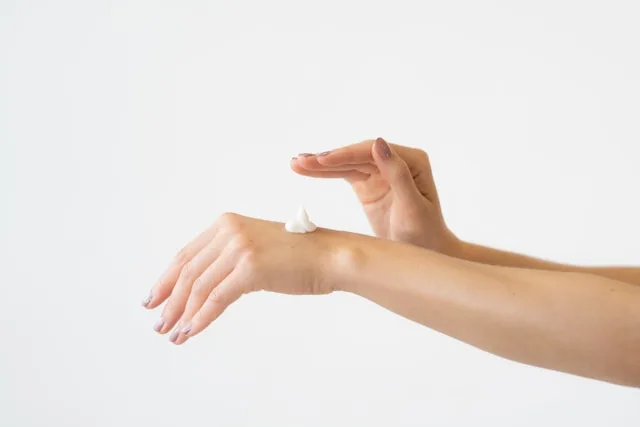
What Is Heparinoid? The Mucopolysaccharide Mechanism
Heparinoid is a sulfated glycosaminoglycan chemically analogous to natural heparin found in human connective tissue. Unlike superficial humectants like glycerin that sit primarily on the skin surface, heparinoid exhibits three coordinated physiological functions:
1. High-Density Water-Holding Affinity
Heparinoid molecules possess a dense negative electrical charge that attracts and tightly coordinates water dipoles. By integrating into the extracellular ground substance between epidermal keratinocytes, it builds an internal water reservoir. The superficial moisture retention capacity experiences progressive natural functional deceleration over time[1], and heparinoid provides structural hydration support that resists evaporative moisture loss.
2. Peripheral Micro-Circulation Support
Heparinoid possesses mild antithrombotic and vasodilator properties that support micro-capillary flow in the upper dermis. Enhanced local nutrient and oxygen delivery aids the skin's endogenous metabolic processes, which helps soften stiff, calloused corneum buildup on elbows, heels, and shins.
3. Normalizing Corneum Turnover
By restoring hydration to parched desmosomes, heparinoid encourages orderly, physiological desquamation. Flaking scales detach smoothly, allowing rough, cracked epidermal textures to regain suppleness and tactile elasticity.
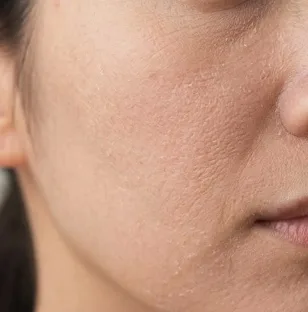
Regulatory Tiers in Japan: Prescription vs OTC vs Quasi-Drug
A critical factor when purchasing heparinoid in Japan is understanding the distinct legal categories established under the Pharmaceutical and Medical Devices Act (PMD Act):
Scroll horizontally to view more
| Classification | Class 2 OTC Pharmaceutical (*Dai-ni-rui Iyakuhin*) | Medicated Quasi-Drug (*Yakuyo / Iyaku-bugaihin*) |
|---|---|---|
| Typical Heparinoid Concentration | Standardized at 0.3% active concentration | Quasi-drug approved active concentration |
| Intended Usage | Short-term relief of xeroderma, chapping, frostbite | Daily skincare maintenance, rough skin prevention |
| Sales Location | Behind pharmacy counter or designated OTC aisle | Standard cosmetic shelves, lifestyle stores |
| Texture Options | Clinical ointments, rich creams, liquid lotions | Cosmetic milky lotions, facial serums, mist sprays |
| Routine Suitability | Targeted therapeutic care for acute dry flare-ups | Continuous morning and evening daily facial routine |