title: Japanese Hechima Loofah Water Toner Guide slug: japanese-loofah-water-hechima-toner-tradition category: ingredients category_label: Ingredients published_at: '2026-11-24' updated_at: '2026-11-24' meta_description: Discover traditional Japanese Hechima loofah water toners. Learn Edo-period sap harvesting, saponin calming benefits, and daily hydration routines. description: Discover traditional Japanese Hechima loofah water toners. Learn Edo-period sap harvesting, saponin calming benefits, and daily hydration routines. lead_image: /images/stock/hero-japanese-skincare-lotion-liquid-wave-texture.webp lead_image_alt: Pure clear Japanese Hechima loofah botanical water creating refreshing liquid ripples thumbnail: /images/stock/hero-japanese-skincare-lotion-liquid-wave-texture.webp thumbnail_alt: Pure clear Japanese Hechima loofah botanical water creating refreshing liquid ripples author: Editorial Team publish: true
Japanese Hechima Loofah Water Toner Guide
Long before modern hyaluronic acid syntheses or imported botanical mists entered Japanese vanity cabinets, there was hechima-sui—pure loofah water. Originating during the Edo period (1603–1867) and favored by Kabuki actors and court ladies as bijin-sui (beauty water), this gentle agricultural elixir is widely recognized as Japan's very first commercial cosmetic toner (kesho-sui).
Unlike conventional toners formulated primarily with purified tap water, preservatives, and synthetic thickeners, authentic Japanese Hechima toner is literal plant sap. Harvested around the mid-autumn moon by severing the loofah vine above the root, the living plant pumps gallons of nutrient-rich ground water filtered through its root system into glass collection jars. Here is your definitive guide to understanding the botanical chemistry of Hechima loofah water, why its Edo-period legacy endures today, and how to use it for calm, supple skin.
The Autumn Harvest Ritual: How Living Vines Pump Beauty Water
The production of pure Hechima water is an intimate seasonal collaboration between Japanese farmers and living flora:
1. Mid-Autumn Nighttime Vine Tapping
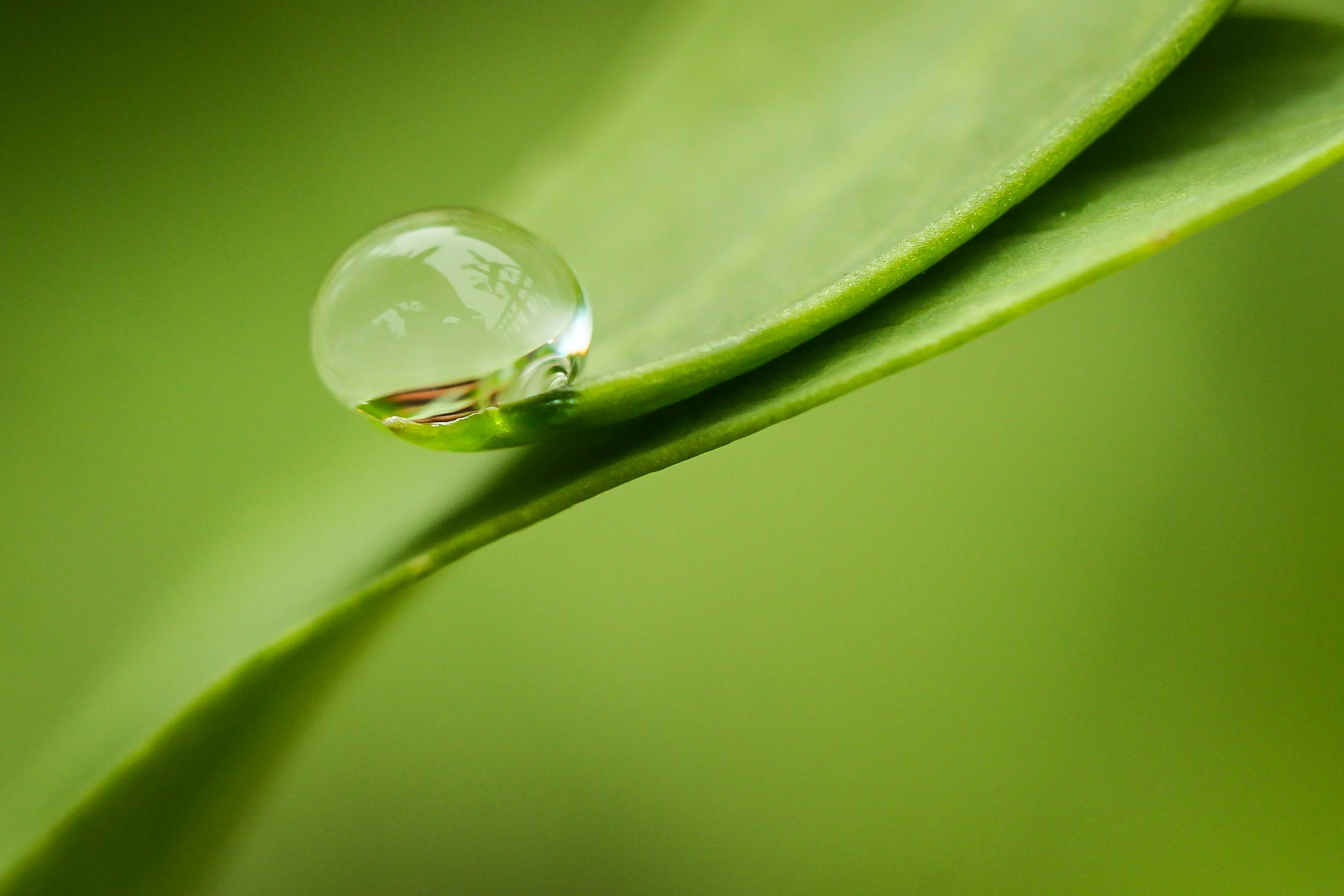
In late August and September—typically coinciding with the traditional autumn harvest festival (jugoya)—the sponge gourd (Luffa cylindrica) reaches full maturity. Farmers cut the thick green vine roughly 30 to 50 centimeters above the soil. The severed end is placed into the neck of a sterilized glass carboy, which is sealed against insects and rain.
2. Root Pressure Filtration (Konsatsu)
Over 24 to 48 hours, the plant's powerful underground root pressure continues to draw deep subterranean moisture up through the stem. The vine acts as a natural biological membrane, purifying groundwater and infusing it with vital plant nutrients, electrolytes, and saccharides. A single mature vine can yield between one and two liters of crystal-clear sap.
3. Chronological Maturation and Skin Barrier Balance
As skin matures over the decades, its natural ability to hold water in the upper layers drops. While epidermal hydration retention and natural humectant production gradually decline with chronological aging over time[1], the skin often reacts poorly to heavy, complex chemical formulas. Pure loofah water provides biocompatible hydration that absorbs into fragile stratum corneum layers without irritation.
The Botanical Chemistry: Saponins, Pectin, and Plant Saccharides
Why does pure vine sap behave like an exquisite cosmetic toner? Biochemical analysis reveals a rich botanical matrix:
1. Hechima Saponins (Triterpenoid Glycosides)
The star active constituents in loofah sap are eleven distinct triterpenoid saponins known collectively as hechimasaponins. Structurally similar to ginseng saponins, these compounds exhibit gentle natural astringent properties that soothe flushed, sun-warmed skin, minimize visible redness, and refine the look of dilated pores without stripping natural lipids.
2. Natural Pectin and Plant Mucilage
Hechima sap contains soluble botanical pectins and polysaccharides. These natural film-formers impart a subtle, silky glide upon application. When applied to the face, they form a breathable moisture reservoir that protects against dry indoor air-conditioning.
3. Allantoin, Potassium, and Free Amino Acids
The vine naturally infuses the sap with trace amounts of allantoin, soothing potassium ions, and essential amino acids (including glutamic acid and serine). This nutrient combination supports natural skin softening and promotes a clean, clarified skin texture.
Hechima Water vs Witch Hazel vs Rose Water
Comparing traditional botanical waters illustrates why Japanese Hechima is uniquely suited for reactive, easily congested skin:
Scroll horizontally to view more
| Botanical Toner | Primary Active Compound | Astringent Mechanism | Skin Finish & Sensitivity |
|---|---|---|---|
| Western Witch Hazel | Tannins (often with added denatured alcohol) | Strong chemical constriction; can be drying | Very tight, dry; may trigger redness in sensitive skin |
| European Rose Water | Phenyl ethyl alcohol and essential rose oils | Aromatherapeutic; mild humectant action | Hydrating, fragrant; natural fragrance can irritate allergies |
| Japanese Hechima Water | Hechimasaponins, pectin, allantoin | Gentle botanical calming without alcohol | Weightless, completely fragrance-free, zero sticky film |