title: Japanese Akoya Pearl Conchiolin Extract Guide
slug: japanese-pearl-extract-akoya-conchiolin-glow
category: ingredients
category_label: Ingredients
published_at: '2026-11-24'
updated_at: '2026-11-24'
meta_description: Discover Japanese Akoya pearl conchiolin extract for skin radiance. Learn marine protein science, hydration retention, and pearl cosmetics heritage.
description: Discover Japanese Akoya pearl conchiolin extract for skin radiance. Learn marine protein science, hydration retention, and pearl cosmetics heritage.
lead_image: /images/stock/clear-glowing-transparent-skin-texture.webp
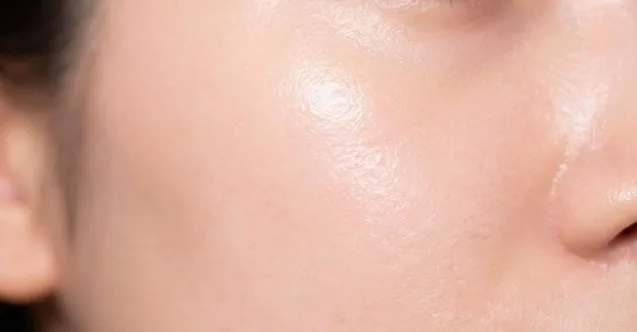
lead_image_alt: Luminous radiant complexion inspired by Japanese Akoya pearl conchiolin protein hydration
thumbnail: /images/stock/clear-glowing-transparent-skin-texture.webp
thumbnail_alt: Luminous radiant complexion inspired by Japanese Akoya pearl conchiolin protein hydration
author: Editorial Team
publish: true
Japanese Akoya Pearl Conchiolin Extract Guide
In the sheltered marine bays of Mie Prefecture—most notably Ago Bay in Shima—Japan pioneered the world's first successful cultured pearl farming over 130 years ago. While the luminescent spheres of Akoya pearls became prized global jewelry treasures, Japanese cosmetic researchers made an equally fascinating discovery inside the oyster shells. The nacreous "mother-of-pearl" lining (shinjuso) that gives pearls their signature iridescent luster contains a remarkable biological protein: conchiolin (konkiorin).
Unlike conventional mineral powders that merely reflect light superficially, hydrolyzed conchiolin is a soluble bio-protein rich in glycine, alanine, and aspartic acid. In Japanese luxury cosmetics and pharmacy formulations, this marine peptide functions as an intensive hydrating agent that mirrors human collagen building blocks. Here is your definitive guide to understanding Akoya pearl conchiolin science, how it elevates skin radiance, and how to incorporate Japanese pearl skincare into your daily ritual.
The Architecture of Nacre: How Conchiolin Creates Iridescent Strength
To understand why pearl protein behaves so effectively in topical skincare, one must look closely at how Akoya oysters build nacre:
1. The Organic "Mortar" of Pearl Structure
A natural pearl consists of approximately 95% inorganic aragonite (hexagonal calcium carbonate crystals) and 5% organic matrix. Conchiolin forms this critical 5% organic matrix, acting as a microscopic elastic "mortar" that glues thousands of crystalline calcium tiles together. This brick-and-mortar architecture diffracts light waves, producing the soft multi-dimensional sheen characteristic of Japanese pearls.
2. High Glycine and Alanine Peptide Density
When laboratories isolate and hydrolyze conchiolin using gentle enzymatic cleavage, they release a concentrated spectrum of bio-identical amino acids. Glycine and alanine dominate the sequence, accompanied by high levels of serine and arginine. Because glycine is the core structural component of human dermal collagen and serine is central to the stratum corneum's Natural Moisturizing Factor (NMF), hydrolyzed pearl peptides integrate into upper skin layers with zero greasy barrier resistance.
3. Chronological Maturation and Luminescence Loss
As the years advance, the epidermis reflects light less evenly. While epidermal cell turnover slows and dermal collagen density gradually declines with chronological aging over time[1], the surface stratum corneum turns dull, dry, and rough. Supplying bio-compatible pearl peptides smooths micro-surface irregularities, restoring an even, glassy light bounce across the cheeks.
Pearl Conchiolin vs Silk Sericin vs Marine Collagen
Comparing precious animal-derived structural proteins highlights the unique strengths of Japanese pearl extract:
Japanese skincare laboratories incorporate pearl extract into targeted formulations designed to maximize inner moisture and outer luster:
1. Luminescent Essences and Serums
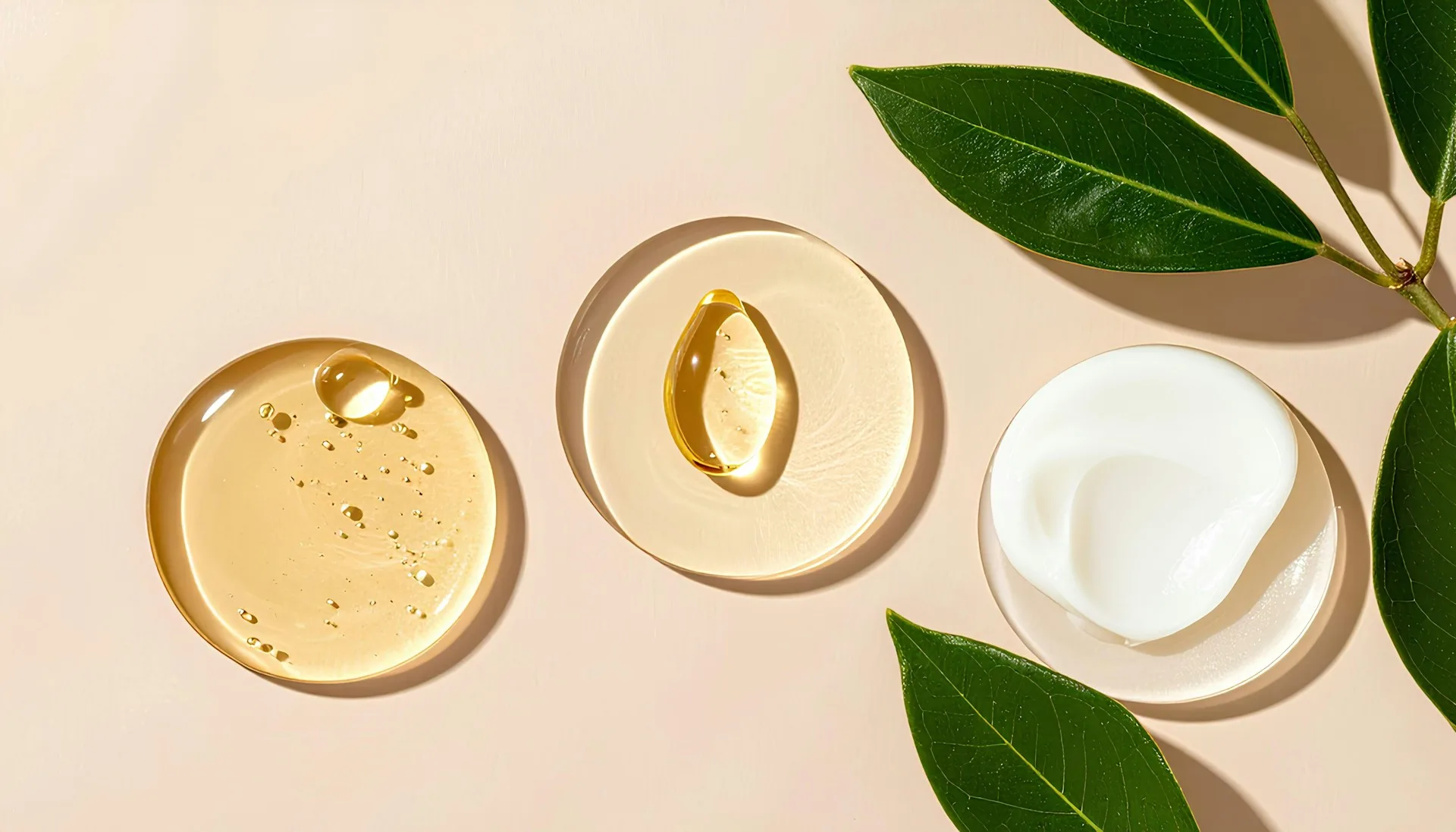
Because hydrolyzed conchiolin possesses low molecular weight, it is formulated into watery booster essences and serums. It delivers deep hydration to parched skin cells right after cleansing, creating a primed, pliant surface that absorbs subsequent lotions effortlessly.
2. Barrier-Refining Emulsions and Day Creams
Blended with plant squalane and ceramides, conchiolin forms a lightweight moisture seal. Rather than sitting as an oily layer on the skin, it integrates into the intercellular lipid matrix, preventing ambient air from drawing moisture out during long office hours.
3. Micro-Fine Mineral Finishing Powders
Beyond soluble protein extracts, Japanese cosmetics sometimes utilize ultra-micronized mother-of-pearl powder in daytime loose powders and BB creams. These genuine pearl minerals diffuse daylight softly, neutralizing yellow dullness without artificial glitter.
When completing your morning pearl-infused routine, remember that defending daily skin luminescence and delicate barrier lipids with morning broad-spectrum sunscreen protects against ultraviolet radiation[2] that breaks down delicate collagen fibers and causes stubborn pigmentation spots.
Signs to Stop and When to See a Doctor
While high-grade hydrolyzed pearl extract is exceptionally mild, mindful cosmetic habits ensure optimal comfort:
Shellfish Sensitivities: Individuals with known contact allergies to mollusks or bivalves should perform a patch test on their inner forearm before applying pearl extract to the face.
Particulate Irritation: High-quality skincare uses pure hydrolyzed conchiolin (water-soluble liquid peptide). Remember that unpurified mineral particulates or heavy fragrance additives can provoke acute contact dermatitis in vulnerable individuals[3]. Avoid coarse, unrefined pearl shell scrubs.
Persistent Stinging or Redness: If an essence containing pearl extract triggers flushing or localized burning, rinse thoroughly with cool water and consult a board-certified dermatologist.
FAQ
Q1. Does pearl conchiolin extract alter natural skin tone?
A. It enhances optical translucence and moisture glow rather than altering natural pigments.(Details)
Conchiolin does not chemically break down melanin. Instead, by deeply hydrating keratinocytes and flattening rough surface tiles, it allows ambient light to pass through and reflect evenly, creating the appearance of brighter, glass-like clarity.
Q2. How is conchiolin extracted from Japanese pearls?
A. Sustainable nacre from Akoya oyster shells is enzymatically purified into water-soluble peptides.(Details)
Japanese producers dissolve the inner mother-of-pearl lining of Akoya shells using gentle acidic and enzymatic hydrolyses, isolating pure amino acid sequences while removing harsh calcium carbonate minerals.
Q3. Can oily or breakout-prone skin use pearl skincare?
A. Yes, hydrolyzed conchiolin is completely oil-free and provides weightless hydration.(Details)
Because conchiolin is a water-soluble peptide rather than a heavy lipid, it hydrates dehydrated oily skin without clogging pores or exacerbating afternoon shine.
Q4. Is pearl extract the same as pearl powder?
A. No, pearl extract is a dissolved peptide solution, whereas pearl powder is finely ground mineral nacre.(Details)
Hydrolyzed pearl extract supplies moisturizing amino acids directly into lotions and serums, while crushed pearl powder serves as a physical light-diffusing mineral in setting powders and makeup bases.
Q5. How can I identify authentic Akoya pearl on Japanese ingredient labels?
A. Look for Hydrolyzed Conchiolin Protein (*kaisuibunkei konkiorin*).(Details)
On Japanese ingredient lists, genuine pearl extract is registered as Hydrolyzed Conchiolin Protein (*kaisuibunkei konkiorin* eki) or Pearl Powder (*shinju-matsu*).
Summary and Key Takeaways
Japanese Akoya pearl conchiolin unites historic coastal sericulture with modern biomimetic protein chemistry:
The Nacre Bio-Matrix: Natural conchiolin provides the organic elasticity that binds pearl crystals, rich in glycine, alanine, and aspartic acid.
Glass-Like Surface Refinement: Smooths micro-roughness in the upper stratum corneum, allowing light to scatter into a radiant, dewy sheen.
Biocompatible Hydration: Delivers bio-identical amino acid replenishment without greasy residue, ideal for sensitive, mature, and combination skin profiles alike.
References
The Japanese Dermatological Association. Dermatological Q&A on Skin Aging and Physiological Alterations (Q5). https://www.dermatol.or.jp/qa/qa2/q05.html (Accessed 2026-11-24)
The Japanese Dermatological Association. Dermatological Q&A on Sunscreen Guidelines for Preventive Care (Q25). https://www.dermatol.or.jp/qa/qa3/q25.html (Accessed 2026-11-24)
Disclaimer: This article is for general information and education about Japanese cosmetics and their labels. It is not a substitute for professional medical advice, diagnosis, or treatment. Skincare results vary from person to person. Product formulas, availability, prices, and regulations change, and products sold in Japan can differ from versions sold elsewhere, so always check the current label. Do a patch test before introducing a new product, and consult a doctor or dermatologist if you have a skin condition or specific concerns.