Japanese Retinol and Niacinamide Layering Routine Guide
IngredientsBy Seibun Lab Editorial Team
title: Japanese Retinol and Niacinamide Layering Routine Guide
slug: japanese-retinol-and-niacinamide-layering-guide
category: ingredients
category_label: Ingredients
published_at: '2026-11-24'
updated_at: '2026-11-24'
meta_description: Learn how to layer retinol and niacinamide using Japanese skincare techniques. Discover buffer methods, optimal order, and barrier-first balance.
description: Learn how to layer retinol and niacinamide using Japanese skincare techniques. Discover buffer methods, optimal order, and barrier-first balance.
lead_image: /images/stock/retinol-niacinamide-combination-care.webp
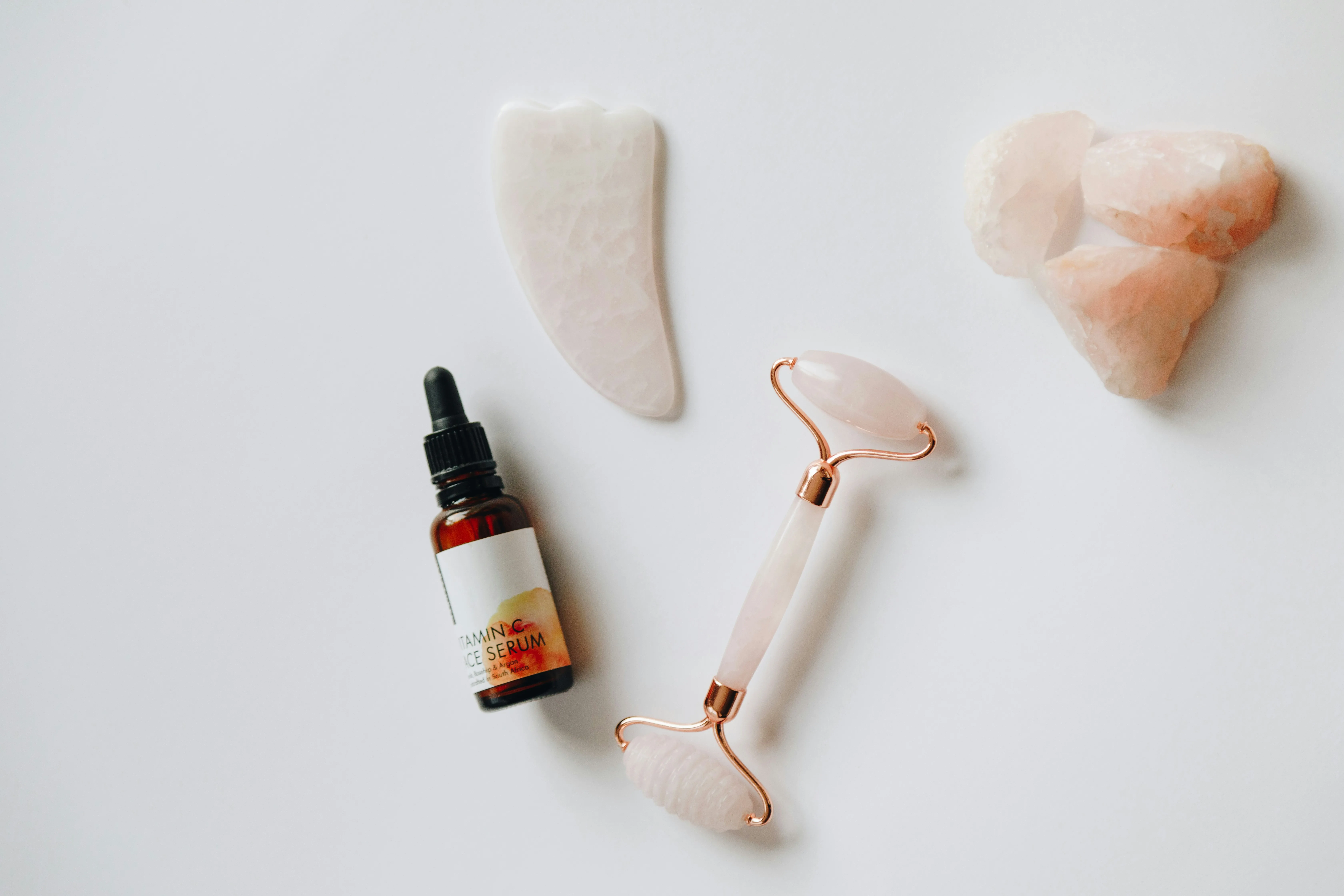
lead_image_alt: Japanese retinol and niacinamide skincare layering routine bottles on clean surface
thumbnail: /images/stock/retinol-niacinamide-combination-care.webp
thumbnail_alt: Japanese retinol and niacinamide skincare layering routine bottles on clean surface
author: Editorial Team
publish: true
Japanese Retinol and Niacinamide Layering Routine Guide
In modern cosmetic dermatology, few ingredient pairings receive as much praise as retinol (vitamin A) and niacinamide (vitamin B3). While retinol stimulates surface cell turnover and supports structural elasticity, it frequently triggers transient irritation, tightness, and peeling. Niacinamide, on the other hand, is celebrated for its remarkable capacity to calm superficial flushing, boost natural ceramide synthesis, and refine uneven pore architecture.
In Western cosmetics, users often experiment with high-strength acid peels and aggressive retinoids, viewing flaking as an expected rite of passage. In contrast, Japanese skincare (J-beauty) adheres strictly to a barrier-first doctrine. Rather than forcing the epidermis through uncomfortable inflammatory stress, Japanese dermatological formulators design deliberate layering sequences that harness the soothing resilience of niacinamide to buffer and support the benefits of retinol.
The Synergistic Science of Retinol and Niacinamide
Understanding how these two powerhouse bioactives cooperate requires examining their distinct molecular properties and actions within the stratum corneum:
1. Complementary Biochemical Pathways
Retinol (Vitamin A): Lipophilic by nature, retinol converts within epidermal tissue into retinaldehyde and retinoic acid. It encourages healthy keratinocyte maturation, accelerates the natural shedding of dull surface cells, and signals fibroblasts to maintain dermal elasticity.
Niacinamide (Nicotinamide / Vitamin B3): A water-soluble essential coenzyme precursor (NAD+/NADH), niacinamide stimulates cellular ATP energy production and increases the endogenous synthesis of free fatty acids, cholesterol, and intercellular ceramides within the lipid matrix.
2. The Protective Buffer Mechanism
When retinol accelerates cell renewal, newly formed keratinocytes arrive at the surface before their protective lipid seal is fully solidified. Niacinamide counterbalances this precise vulnerability. By strengthening the lipid bilayer and moderating inflammatory mediator release, niacinamide creates an optimal cellular environment that cushions the skin against classic retinoid sensitivity.
Why the Japanese Skincare Philosophy Recommends Layering Both
In Japan, healthy skin is characterized by mochihada (a supple, plump rice-cake texture) and tomeikan (translucent clarity). Both qualities depend fundamentally upon an intact stratum corneum barrier. While chronological aging and environmental stressors gradually alter cutaneous resilience over time[1], rushing the renewal process with harsh peeling destroys the skin's light-reflecting moisture balance.
Japanese formulators address this balance through three core principles:
Quasi-Drug Regulatory Stability: Under Japanese pharmaceutical guidelines, active ingredients in quasi-drugs (iyaku-bugaihin) are held to exacting concentration and purity parameters. Formulations containing niacinamide and encapsulated retinol are thoroughly verified to preserve skin neutrality.
Micro-Encapsulation Technology: Rather than dumping free retinoic acid onto the epidermis, Japanese laboratories frequently encapsulate pure retinol in biocompatible lipid spheres or vegetable wax capsules, allowing slow, measured surface release.
Moisture-Saturated Base Layering: Retinol is rarely applied directly to dry, bare skin in Japan. Instead, it is integrated into a multi-phase hydration ritual where conditioning lotions and watery essences prime the epidermal canvas.
Scroll horizontally to view more
Parameter
Pure Retinol
Niacinamide
Solubility Profile
Lipophilic (oil-soluble)
Hydrophilic (water-soluble)
Primary Aesthetic Focus
Smoothing fine lines, cell turnover
Barrier fortification, redness soothing, tone clarity
Optimal pH Window
pH 5.5 to 6.5
pH 5.0 to 7.0 (broad compatibility)
Usual J-Beauty Role
Nighttime targeted active or cream
Morning/Evening essence, conditioning lotion, or emulsion
Potential Sensitization
Moderate during initial acclimation
Extremely low (well-tolerated by delicate complexions)
The Step-by-Step Japanese Layering Order
Achieving harmonious synergy between retinol and niacinamide hinges entirely on formulation vehicle weight and viscosity:
Commence your evening ritual with an oil or balm cleanser to dissolve daily sebum and cosmetics, followed by a mild amino acid foam. Preserving natural intercellular lipids during cleansing ensures the epidermis remains receptive to active care.
Step 2: Hydrating Conditioning Lotion (Kesho-sui)
Pat a generous splash of alcohol-free hydrating lotion across your face and neck. Humectants such as hyaluronic acid, multi-weight glycerin, and fermented rice filtrate swell the stratum corneum cells, establishing an even hydration gradient.
Step 3: Niacinamide Serum (The Soothing Buffer)
Apply a lightweight, water-based niacinamide serum or brightening essence. Because niacinamide is water-soluble, applying it first allows it to absorb rapidly across the freshly hydrated moisture layer without encountering an oily barrier. Allow 60 seconds for absorption.
Step 4: Retinol Application
Dispense a pea-sized amount of your Japanese encapsulated retinol serum or emulsion. Gently smooth it over the face, paying close attention to zones prone to expression lines, while steering clear of immediate mucous membranes around the eyes and lips.
Step 5: Moisture-Sealing Emulsion (Nyueki)
Seal the sequence with a ceramide-rich milk or lipid barrier cream. This final lipid film prevents transepidermal water loss (TEWL) and stabilizes the active botanicals beneath a nourishing canopy overnight.
When practicing this routine in the daytime or transitioning from nighttime retinoid care, incorporating broad-spectrum daily morning sunscreen defends vulnerable recovering skin from ultraviolet damage[2].
Signs to Stop and When to See a Doctor
While thoughtful layering reduces friction, active skincare requires attentive monitoring of individual barrier responses:
1. Recognizing Normal Retinization vs Severe Reaction
Mild Retinization (Manageable): Slight dryness, minor flaking around the mouth or chin, or brief tingling upon initial application usually subsides within 10 to 14 days as cell turnover synchronizes.
Contact Irritation (Requires Cessation): Intense burning, spreading erythema, persistent weeping, or swelling indicates barrier compromise. Combining high-potency actives without proper barrier buffering can provoke sudden contact irritation[3].
2. Immediate Recovery Steps
If severe tightness, stinging with plain water, or peeling develops:
Immediately pause all retinol applications.
Strip your regimen down to a gentle water rinse, simple ceramide milk, and petrolatum ointment.
Avoid all physical scrubs, cleansing brushes, and exfoliants.
If redness, hives, or swelling persist beyond 48 hours, consult a dermatologist promptly.
FAQ
Q1. Can retinol and niacinamide be applied together in the same session?
A. Yes, they operate harmoniously and can be safely layered or co-formulated.(Details)
Retinol and niacinamide operate at compatible physiological pH ranges (between 5.5 and 6.5) and do not deactivate each other. In fact, many Japanese quasi-drug formulations blend both active ingredients into a single emulsion to offer simultaneous barrier support and cell turnover benefits.
Q2. Which ingredient should be applied first when layering?
A. Apply water-based niacinamide before oil-based or emulsion-form retinol.(Details)
The standard guideline follows cosmetic viscosity: lightweight water-soluble products precede heavier lipophilic creams. Applying watery niacinamide essence first also allows its barrier-supporting peptides and ceramides to soothe the epidermis before the lipid-rich retinol layer is introduced.
Q3. Can I use niacinamide in the morning and retinol at night?
A. Yes, splitting them across morning and night routines is an excellent gentle strategy.(Details)
Because retinol degrades under direct daylight and increases photo-sensitivity, it is ideally reserved for night routines. Niacinamide does not degrade in sunlight and provides antioxidant defense against daily oxidative pollutants, making it suitable for daytime application.
Q4. Does the Japanese sandwich buffer method reduce retinol efficacy?
A. No, buffering slows the diffusion rate without reducing cumulative cellular benefits.(Details)
Applying retinol between layers of hydrating lotion and light emulsion reduces peak irritation spikes. Retinoid molecules still migrate into target epidermal layers, ensuring steady cell turnover while avoiding barrier disruption.
Q5. How long does it take for skin to adapt to combined retinol and niacinamide?
A. Most complexions adapt within 2 to 4 weeks of consistent, paced application.(Details)
While niacinamide calms surface redness almost immediately, cellular turnover shifts from retinol take approximately one full epidermal cycle (28 days). Pacing applications two to three nights per week initially ensures a smooth transition.
Summary and Key Takeaways
Pairing retinol with niacinamide represents one of the most effective, science-backed strategies in modern skincare. By adopting the Japanese barrier-first method, you avoid the harsh trade-offs of flaking and irritation:
Niacinamide Acts as the Barrier Shield: Bolsters natural ceramide synthesis and calms surface sensitivity.
Retinol Drives Surface Renewal: Gently accelerates cellular turnover for refined texture and elasticity.
Embrace mindful pacing, prioritize skin comfort, and let Japanese formulation science enrich your daily evening ritual.
References
The Japanese Dermatological Association. Sunburn Q&A on Photoaging and Biological Alterations in Aging Skin (Q5). https://www.dermatol.or.jp/qa/qa2/q05.html (Accessed 2026-11-24)
The Japanese Dermatological Association. Dermatological Q&A on Sunscreen Application for Long-Term Prevention (Q25). https://www.dermatol.or.jp/qa/qa3/q25.html (Accessed 2026-11-24)
The Japanese Dermatological Association. Dermatological Q&A on Contact Irritation and Scalp Friction Mechanisms (Q1). https://www.dermatol.or.jp/qa/qa4/q01.html (Accessed 2026-11-24)
Disclaimer: This article is for general information and education about Japanese cosmetics and their labels. It is not a substitute for professional medical advice, diagnosis, or treatment. Skincare results vary from person to person. Product formulas, availability, prices, and regulations change, and products sold in Japan can differ from versions sold elsewhere, so always check the current label. Do a patch test before introducing a new product, and consult a doctor or dermatologist if you have a skin condition or specific concerns.