title: Japanese Squalane vs Jojoba Oil Facial Care Guide slug: japanese-squalane-vs-jojoba-oil-facial-care category: ingredients category_label: Ingredients published_at: '2026-11-24' updated_at: '2026-11-24' meta_description: Compare Japanese squalane and jojoba oil for facial care. Discover molecular weight, texture, oxidation stability, and ideal skin-type layering techniques. description: Compare Japanese squalane and jojoba oil for facial care. Discover molecular weight, texture, oxidation stability, and ideal skin-type layering techniques. lead_image: /images/stock/golden-facial-oil-dropper-bottle.webp lead_image_alt: Pure Japanese facial oil dropper bottle highlighting lightweight squalane and jojoba textures thumbnail: /images/stock/golden-facial-oil-dropper-bottle.webp thumbnail_alt: Pure Japanese facial oil dropper bottle highlighting lightweight squalane and jojoba textures author: Editorial Team publish: true
Japanese Squalane vs Jojoba Oil Facial Care Guide
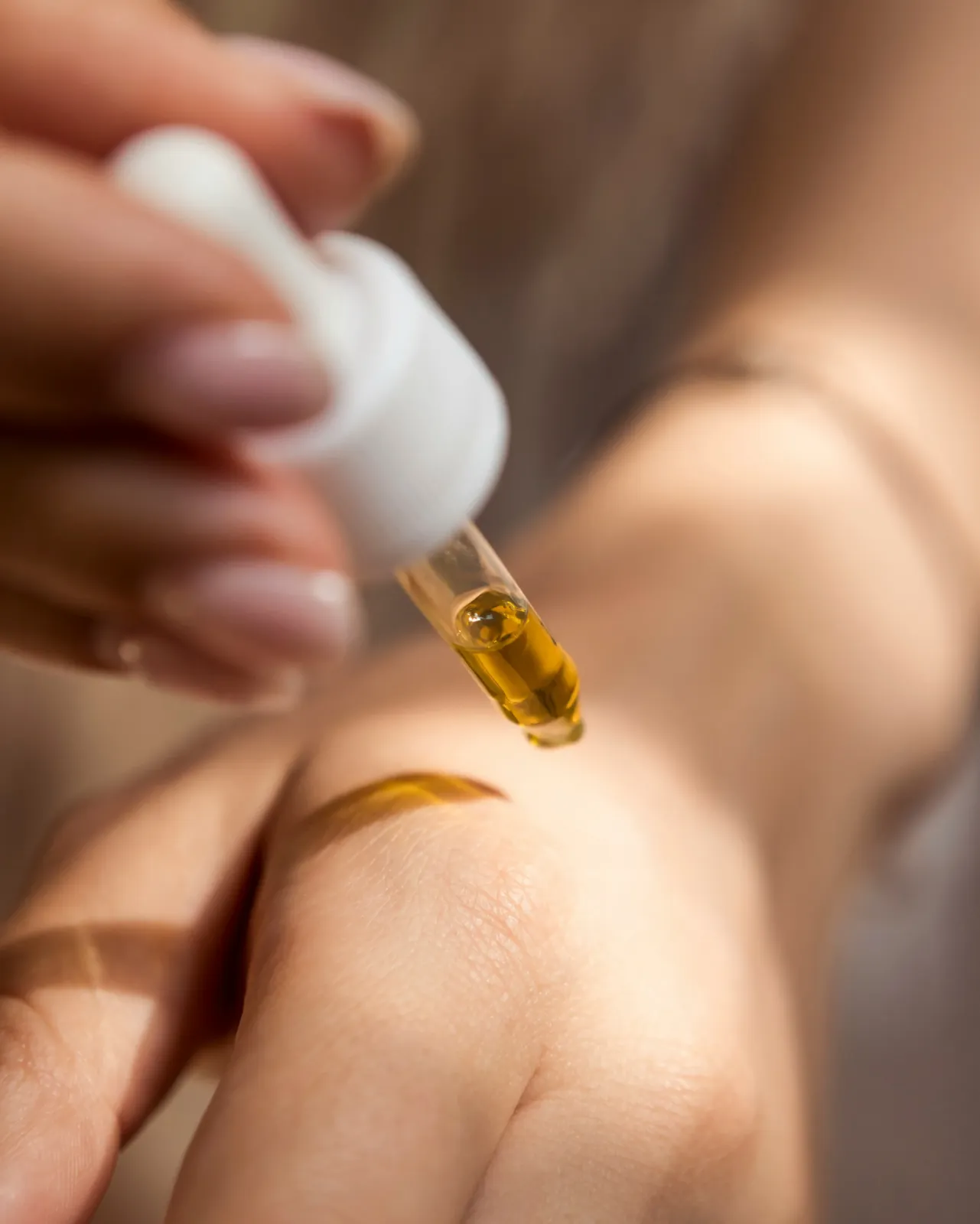
In the Japanese skincare philosophy (J-beauty), facial oils are rarely used as heavy, suffocating grease layers. Instead, Japanese cosmetic science approaches refined beauty oils as "booster lipids" designed to supplement the skin's natural sebum film (seishi-maku) in microscopic quantities—often just a single drop blended into watery lotion.
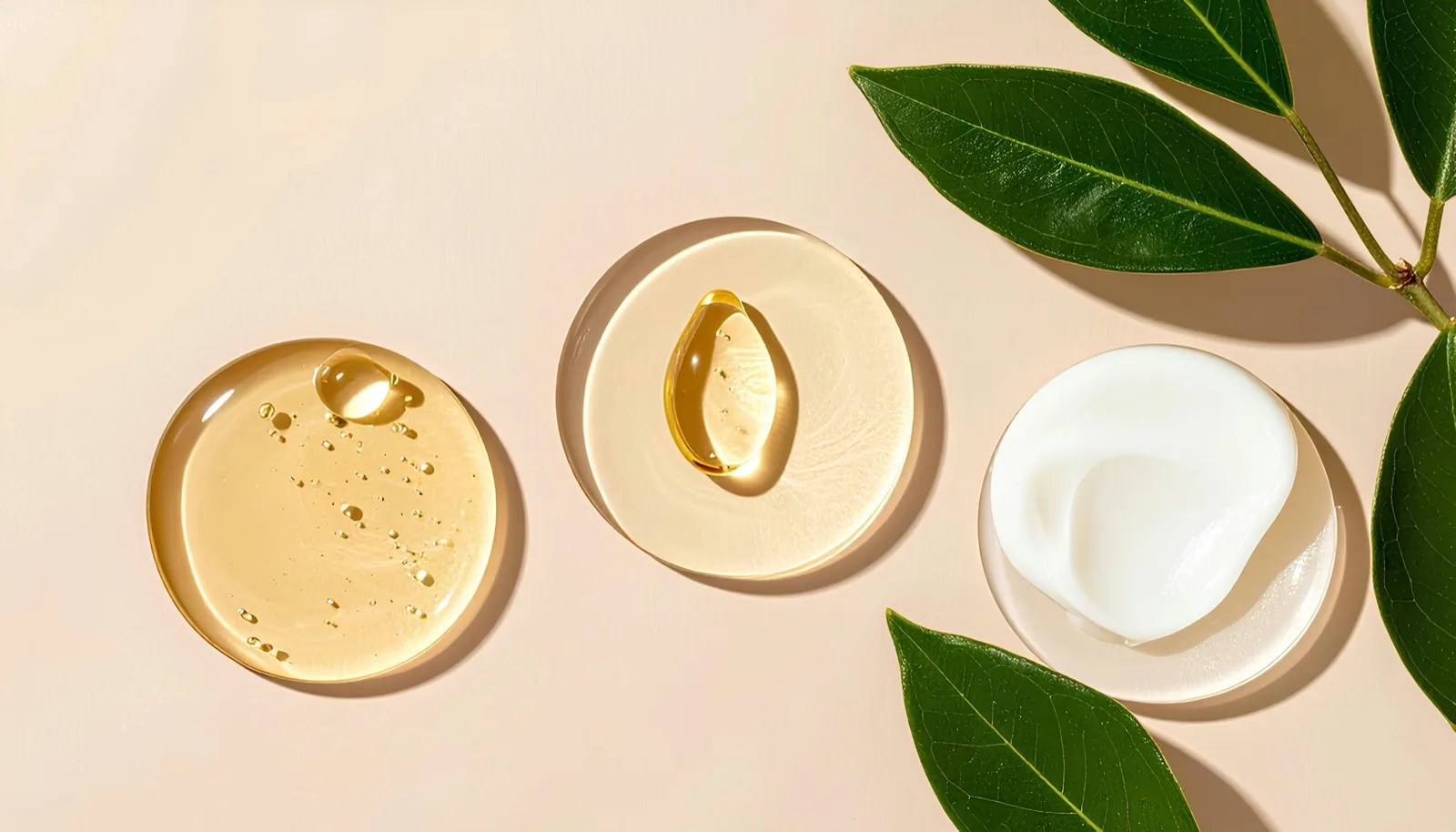
Two oils dominate Japanese beauty rankings, minimalist lifestyle brands, and pharmacy counters: high-purity squalane and cold-pressed jojoba oil. While both are celebrated for their biocompatibility and remarkable resistance to oxidation, their molecular structures, slip, and skin-feel differ substantially. Understanding these technical nuances will help you select the exact oil suited to your skin type and climate.
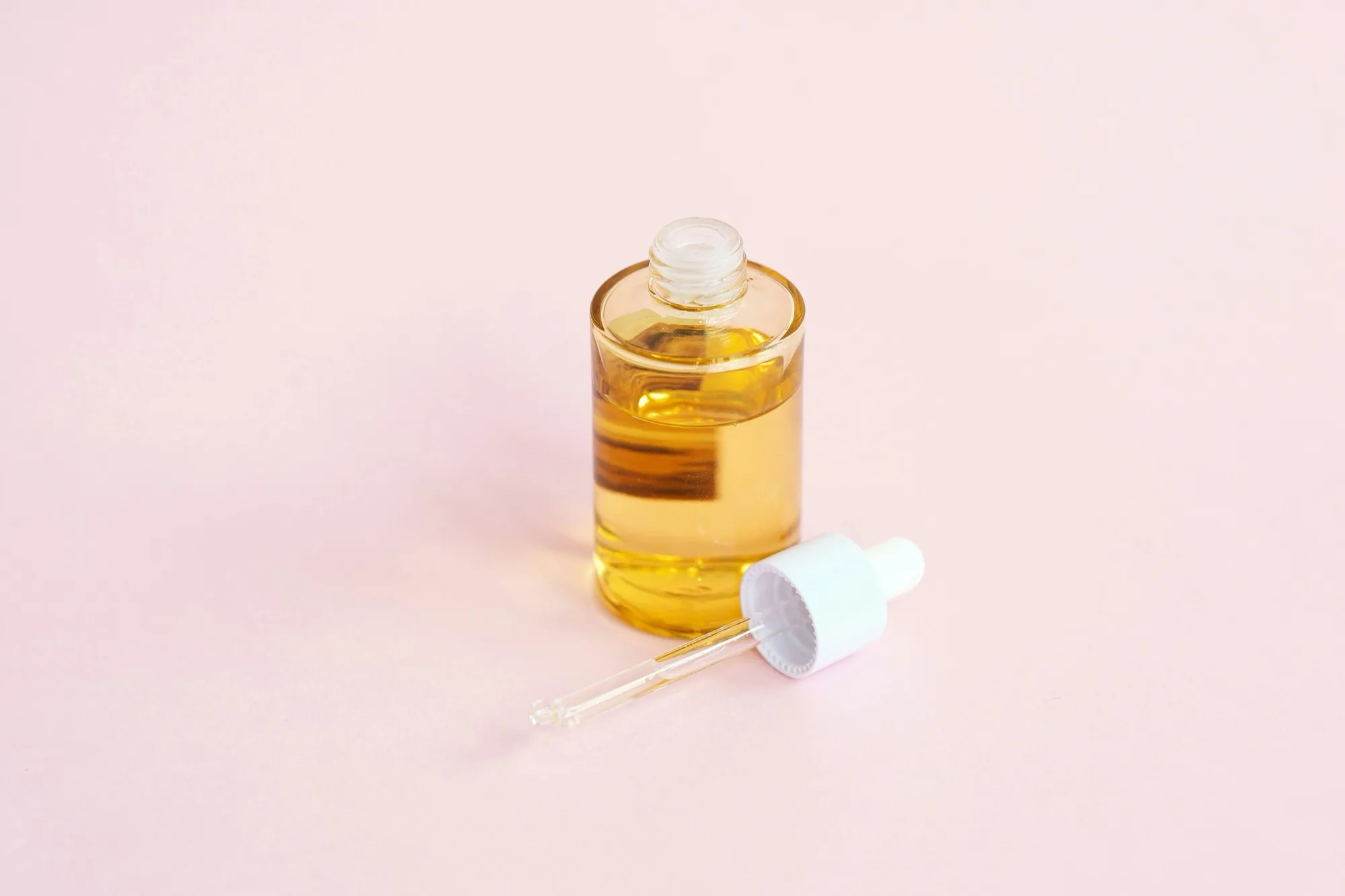
Chemical Profiles: Hydrocarbon vs Liquid Wax Ester
The visual clarity of both oils can make them appear interchangeable, but their underlying chemical classifications reveal fundamental distinctions:
1. Japanese Squalane: The Ultra-Pure Saturated Hydrocarbon
Natural squalene is a major component of human sebum (comprising roughly 10% to 12% of our natural surface lipids). However, unhydrogenated squalene oxidizes rapidly when exposed to air and ultraviolet rays. Japanese manufacturers pioneered industrial catalytic hydrogenation, converting squalene into squalane (C30H62).
Japanese brands (most famously HABA and cosmetic pharmaceutical suppliers) achieved world-leading purification standards, offering squalane at 99.9% purity. Because it contains zero double bonds, Japanese squalane cannot oxidize or turn rancid on the skin, providing an exceptionally stable, non-greasy shield. The superficial sebaceous lipid production network experiences progressive natural functional deceleration over time[1], and squalane provides bio-identical lipid replenishment.
2. Jojoba Oil: The Botanical Liquid Wax Ester
Despite being called an "oil," jojoba oil extracted from Simmondsia chinensis seeds is chemically a polyunsaturated liquid wax ester consisting of long-chain fatty acids linked to long-chain fatty alcohols. Human sebum naturally contains approximately 25% wax esters.
Because jojoba oil shares this exact ester linkage, the skin's follicular structures accept it readily. Japanese lifestyle brands (such as MUJI) popularize cold-pressed, deodorized jojoba oil as a multipurpose head-to-toe moisturizer, makeup remover, and scalp-cleansing elixir.
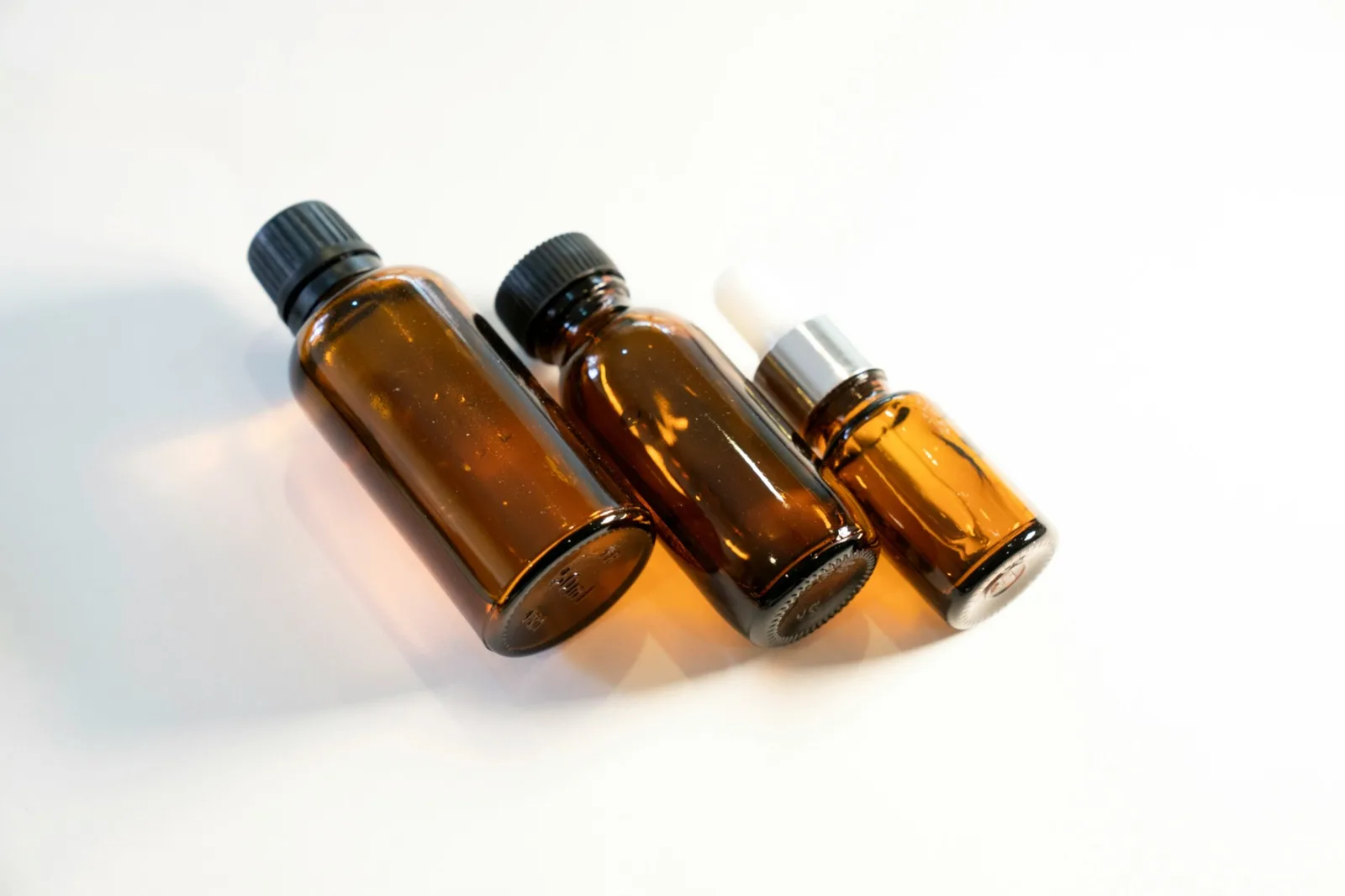
Head-to-Head Comparison: Squalane vs Jojoba Oil
The following breakdown illustrates how the physical and chemical characteristics of both oils perform across different skincare priorities:
Scroll horizontally to view more
| Property | Japanese Purified Squalane | Refined Jojoba Oil |
|---|---|---|
| Chemical Structure | Saturated branched hydrocarbon (isoprenoid alkane) | Straight-chain liquid wax ester (esters of fatty acids) |
| Texture on Skin | Ultra-lightweight, rapid spread, water-like dry finish | Silky, cushioning slip with moderate emollient coat |
| Oxidation Resistance | Extremely high: no double bonds to undergo rancidity | Very high: stable wax matrix resistant to heat and air |
| Pore Affinity | Resistant to follicular pore-clogging; featherweight flow | Dissolves oxidized sebum plugs; mild follicular cushion |
| Origin Source | Deep-sea shark liver oil or fermented sugar cane | Cold-pressed desert jojoba shrub seeds |
| Cold Temperature Behavior | Remains completely liquid even in freezing conditions | Solidifies into a cloudy wax below 10 degrees Celsius |