Japanese Vitamin E Skincare Guide for Dullness and Glow
IngredientsBy Seibun Lab Editorial Team
title: Japanese Vitamin E Skincare Guide for Dullness and Glow
slug: japanese-vitamin-e-tocopherol-dullness-care
category: ingredients
category_label: Ingredients
published_at: '2026-11-24'
updated_at: '2026-11-24'
meta_description: Explore Japanese vitamin E skincare. Learn lipid antioxidant defense, micro-circulation support, and vitamin C synergy for radiant clarity.
description: Explore Japanese vitamin E skincare. Learn lipid antioxidant defense, micro-circulation support, and vitamin C synergy for radiant clarity.
lead_image: /images/stock/amber-vitamin-e-capsules-lipid-macro.webp
lead_image_alt: Golden lipid capsules highlighting pure vitamin E and tocopherol antioxidant skincare science
thumbnail: /images/stock/amber-vitamin-e-capsules-lipid-macro.webp
thumbnail_alt: Golden lipid capsules highlighting pure vitamin E and tocopherol antioxidant skincare science
author: Editorial Team
publish: true
Japanese Vitamin E Skincare Guide for Dullness and Glow
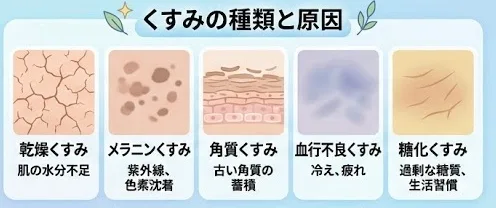
Facial dullness—referred to culturally in Japan as kusumi—is one of the most common complaints voiced at Japanese beauty counters. Unlike distinct hyperpigmentation spots caused by localized melanocyte clusters, dullness presents as a generalized sallow, grayish, or yellowish cast across the entire face.
Japanese dermatologists classify dullness into distinct physiological categories: dryness-induced reflection loss, sluggish micro-circulation from cold weather or fatigue, and lipid peroxidation where oxidized sebum darkens the skin surface. To counteract these factors simultaneously, Japanese cosmetic laboratories rely heavily on vitamin E (tocopherol) and advanced water-soluble derivatives like TPNa (sodium tocopheryl phosphate). Here is your scientific guide to how Japanese vitamin E formulations dispel dullness and restore vibrant clarity (tomeikan).
The Dual Mechanism: Lipid Defense and Micro-Circulation
Vitamin E is the principal fat-soluble antioxidant naturally synthesized and secreted through human sebaceous glands. When formulated in Japanese skincare, it executes two vital roles:
Human surface sebum is rich in squalene and unsaturated fatty acids. When exposed to ambient ultraviolet light and atmospheric ozone, squalene readily oxidizes into squalene monohydroperoxide (Sq-OOH). This oxidized lipid byproduct is highly comedogenic, triggers inflammatory signaling, and imparts a yellowish, murky film over the complexion. Tocopherol donates a hydrogen atom to lipid peroxyl radicals, arresting the oxidation chain reaction before surface sebum can discolour.
2. Peripheral Micro-Capillary Circulation Support
Certain vitamin E derivatives (notably tocopheryl acetate and tocopheryl nicotinate) are approved under Japanese quasi-drug regulations for circulation promotion (ketsueki-junkan sokushin). The superficial cutaneous micro-circulation network experiences progressive natural functional deceleration over time[1], and topical vitamin E aids capillary dilation in the upper dermis, bringing fresh oxygenated hemoglobin to fatigued epidermal tissue.
Key Vitamin E Forms in Japanese Skincare
Japanese ingredient labels (zen-seibun hyoji) feature several distinct tocopherol isomers and synthetic derivatives tailored to specific product vehicles:
Scroll horizontally to view more
Ingredient Name
Chemical Classification
Key Advantage in Japanese Formulas
Common Product Vehicle
d-alpha-Tocopherol
Natural botanical vitamin E (soy or sunflower)
Highest biological antioxidant activity
Nourishing face oils, rich night balms
Tocopheryl Acetate
Esterified synthetic vitamin E derivative
Exceptional shelf stability; quasi-drug active
Medicated brightening creams, barrier emulsions
Sodium Tocopheryl Phosphate (TPNa)
Water-soluble amphiphilic vitamin E derivative
Dissolves in watery lotions; rapid enzymatic conversion
Hydrating lotions (*kesho-sui*), mist sprays
Tocopheryl Nicotinate
Niacin-linked vitamin E ester
Powerful micro-circulation and warming effect
Under-eye contour serums, massage creams
The Antioxidant Network: Vitamin E and Vitamin C Synergy
In Japanese biochemical research, vitamin E is rarely deployed in isolation. It forms the lipid-soluble anchor of a classic synergistic pair:
The Electron Donation and Recycling Loop
When a molecule of alpha-tocopherol neutralizes a lipid peroxyl radical, it becomes an inactive tocopheroxyl radical. In a well-formulated Japanese serum combining both vitamins, water-soluble vitamin C (ascorbic acid or ascorbyl glucoside) donates an electron to reduce the oxidized tocopherol back into its active form. This self-sustaining recycling mechanism extends antioxidant protection across both aqueous and lipid cellular compartments.
Defending Against Yellow Dullness (Ki-Kusumi)
In Japan, the term ki-kusumi refers to the yellowish discoloration caused by combined glycation (the bonding of sugars to structural collagen) and lipid peroxidation. Pairing lipid-soluble antioxidant vitamins with daily morning broad-spectrum UV protection shields vulnerable skin from photoaging stress[2] and halts the oxidative degradation that creates a sallow cast.
How to Apply Vitamin E for Optimal Micro-Circulation
To maximize circulation support and clarity without causing product buildup, incorporate vitamin E through mindful manual techniques:
Step 1: Pre-Conditioning with Watery TPNa Lotion
Pat a water-soluble vitamin E (TPNa) or vitamin C lotion into the skin. Water-phase actives rapidly hydrate the stratum corneum and prep cellular membranes.
Step 2: Warm Palm Dispensing
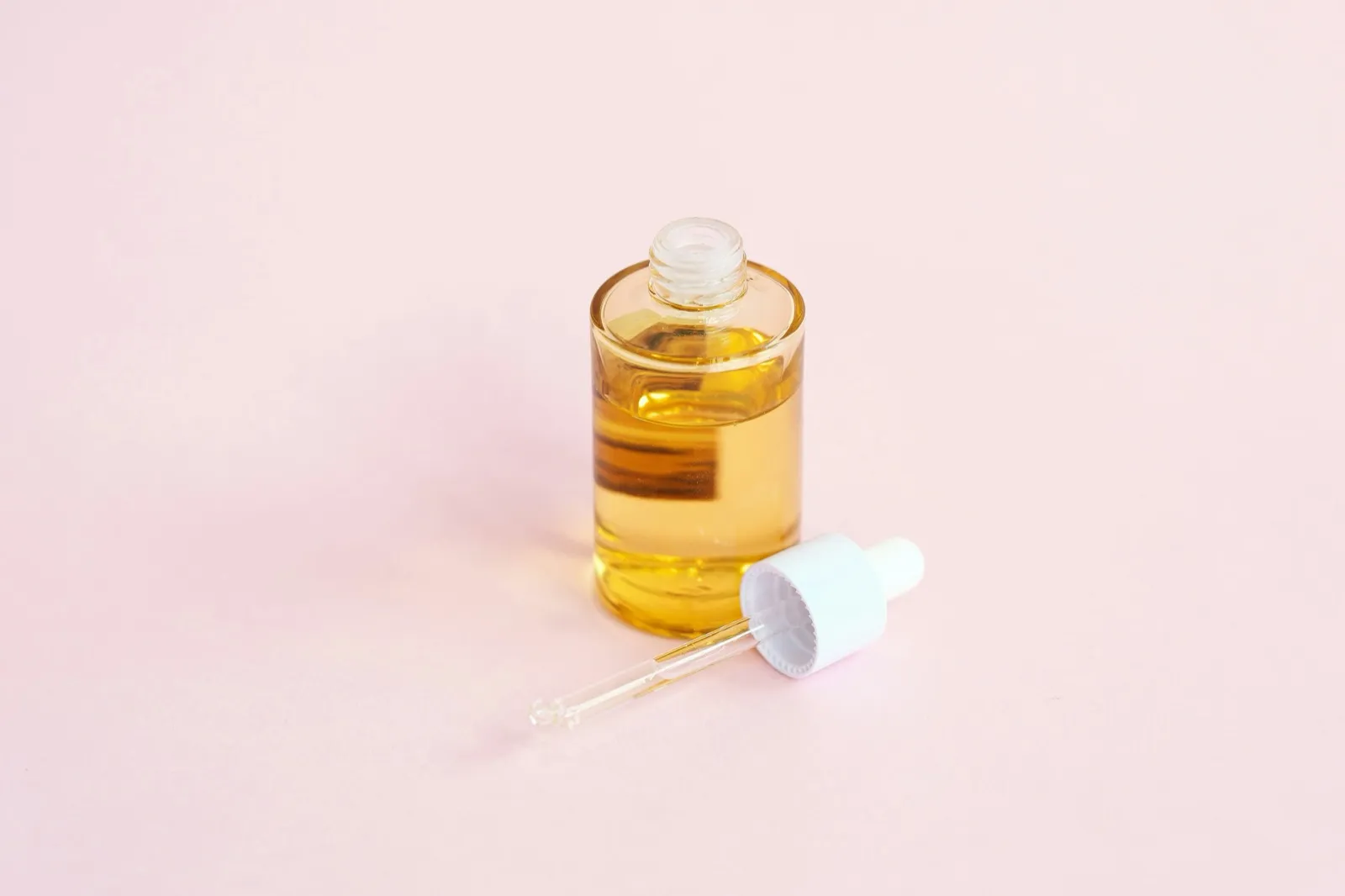
Dispense your vitamin E emulsion or antioxidant beauty oil into your palms. Rub your hands together for five seconds; natural body warmth reduces oil viscosity and aids even dispersion.
Step 3: Upward Effleurage Massage
Gently glide your palms from the center of the chin outward along the jawline, from the nose wings across the cheekbones to the temples, and up the forehead. Use gentle, sweeping motions without tugging or pinching fragile tissue.
Step 4: Daylight Protection
Always conclude your daytime regimen with broad-spectrum SPF to prevent ambient solar rays from depleting your newly supplemented topical vitamin reserves.
Signs to Stop and When to Consult a Specialist
While pure tocopherol is naturally present in human physiology, concentrated cosmetic vehicles require proper hygiene and observation:
Signs of Sensitivity: If you experience persistent itching, follicular bumps, micro-papules, or burning erythema after applying a new vitamin E product, cease usage immediately.
Rancidity Precautions: Applying heavily oxidized lipid formulations or unvetted synthetic esters can trigger acute contact irritation[3]. Always store lipid-rich vitamin E oils in dark, airtight bottles away from bathroom steam and direct heat.
Dermatological Care: If skin flushing, swelling, or contact dermatitis symptoms endure beyond 48 hours, seek clinical examination by a board-certified dermatologist.
FAQ
Q1. Can vitamin E oils cause acne breakouts on oily skin?
A. Heavy, unrefined vitamin E oils can be occlusive, but lightweight Japanese derivatives are safe.(Details)
Pure concentrated d-alpha-tocopherol is a thick, viscous oil that can feel heavy on acne-prone complexions. However, Japanese skincare frequently employs water-soluble TPNa or lightweight esterified derivatives formulated in fluid lotions that deliver antioxidant protection without clogging follicles.
Q2. How does vitamin E help with under-eye dark circles?
A. It supports micro-capillary flow to diminish blue-tinted vascular shadows.(Details)
Many dark circles are caused by sluggish venous blood pooling visible through thin orbital skin. Vitamin E derivatives like tocopheryl nicotinate stimulate micro-circulation, encouraging fresh blood flow that lightens the bluish tint beneath the eyes.
Q3. What is the difference between natural and synthetic vitamin E?
A. Natural vitamin E consists of d-alpha-tocopherol, while synthetic forms contain mixed isomers.(Details)
Natural vitamin E (labeled *d-alpha-tocopherol*) is extracted from vegetable oils and exhibits roughly double the biological bioavailability of synthetic vitamin E (*dl-alpha-tocopherol*). Japanese high-end formulations often prioritize natural d-forms for maximum antioxidant potency.
Q4. Can I use vitamin E skincare during the daytime before going outdoors?
A. Yes, vitamin E is non-photosensitizing and actively reinforces daytime sunscreen defense.(Details)
Unlike pure retinoids or high-strength exfoliating acids, vitamin E does not increase sun sensitivity. Applying it under sunscreen provides a secondary antioxidant barrier that neutralizes free radicals that pass past UV filters.
Q5. How does TPNa differ from traditional tocopheryl acetate?
A. TPNa is completely water-soluble and converts rapidly into active tocopherol within the skin.(Details)
While traditional tocopheryl acetate is an oil that requires heavy emulsifiers, TPNa (sodium tocopheryl phosphate) dissolves cleanly in water. Upon contact with cutaneous phosphatase enzymes, it rapidly releases free tocopherol to calm inflammation and defend against oxidation.
Summary and Practical Tips
Japanese vitamin E skincare delivers targeted clarity by tackling the root causes of facial dullness:
Defend Surface Lipids: Stop sebum oxidation before squalene degrades into yellowish, pore-clogging Sq-OOH.
Encourage Rosy Circulation: Use gentle palm-pressing and circulation-supporting derivatives to revive fatigued, pale skin.
Combine with Vitamin C: Maximize antioxidant longevity through the coordinated vitamin C-E recycling loop.
Choose Appropriate Vehicles: Select water-soluble TPNa for lightweight daily hydration and rich tocopherol oils for intensive night nourishment.
References
The Japanese Dermatological Association. Sunburn Q&A on Photoaging and Biological Alterations in Aging Skin (Q5). https://www.dermatol.or.jp/qa/qa2/q05.html (Accessed 2026-11-24)
The Japanese Dermatological Association. Dermatological Q&A on Sunscreen Application for Long-Term Prevention (Q25). https://www.dermatol.or.jp/qa/qa3/q25.html (Accessed 2026-11-24)
The Japanese Dermatological Association. Dermatological Q&A on Contact Irritation and Scalp Friction Mechanisms (Q1). https://www.dermatol.or.jp/qa/qa4/q01.html (Accessed 2026-11-24)
Disclaimer: This article is for general information and education about Japanese cosmetics and their labels. It is not a substitute for professional medical advice, diagnosis, or treatment. Skincare results vary from person to person. Product formulas, availability, prices, and regulations change, and products sold in Japan can differ from versions sold elsewhere, so always check the current label. Do a patch test before introducing a new product, and consult a doctor or dermatologist if you have a skin condition or specific concerns.