Shikoku Olive Oil Skincare Traditional Farms - Guide
IngredientsBy Miho Tanaka
title: Shikoku Olive Oil Skincare Traditional Farms - Guide
slug: shikoku-olive-oil-skincare-traditional-farms
category: ingredients
publish: true
meta_description: Explore Shikoku olive oil skincare from traditional Shodoshima farms, rich in squalene, oleic acid, and polyphenols for delicate skin barrier protection.
image: /images/stock/golden-facial-oil-dropper-bottle.jpg
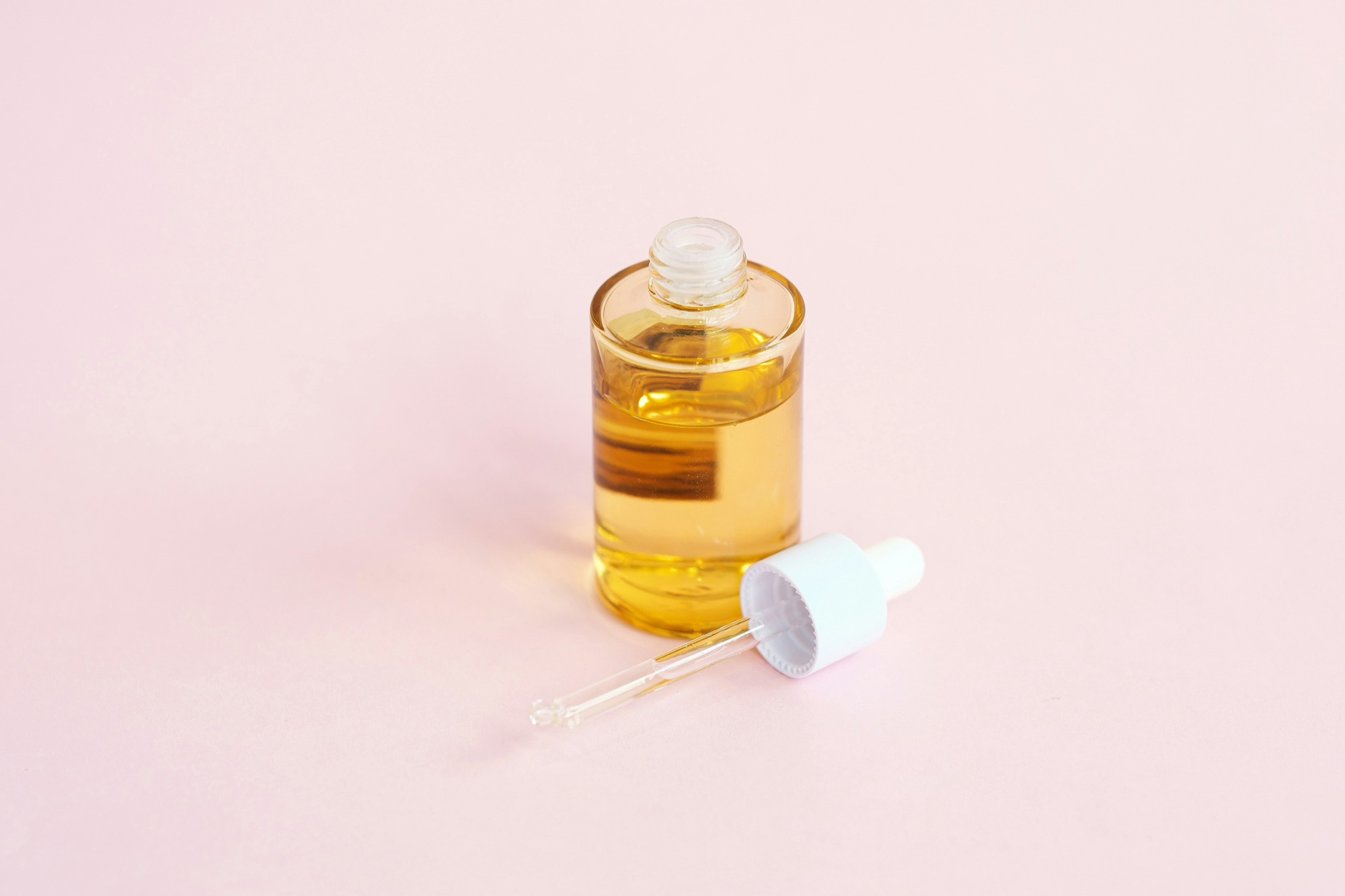
alt: Golden virgin olive oil in glass dropper bottle reflecting pristine traditional farm craftsmanship
date: 2026-03-30
tags:
olive oil skincare
shodoshima
shikoku farms
regional botanicals
ingredients
Shikoku Olive Oil Skincare Traditional Farms - Guide
Bathed in the warm Mediterranean-like climate of Japan's Seto Inland Sea, the island of Shodoshima in Kagawa Prefecture (part of the greater Shikoku region) stands as the historic birthplace of Japanese olive cultivation. For over a century, local agrarian families have hand-tended terraced groves overlooking calm azure waters. While culinary extra-virgin olive oil from Shodoshima has earned prestigious international gold medals, the island's cosmetic-grade cold-pressed olive oil (oribu yu) has quietly revolutionized Japanese barrier skincare.
Unlike mass-produced industrial olive oils that can feel heavy and occlusive, Shodoshima olive skincare combines meticulous single-estate harvesting with advanced purification techniques tailored specifically for facial application.
Quick answer: What Makes Shikoku Olive Oil Unique for Skincare?
Shikoku olive oil—principally cultivated on Shodoshima island—is hand-harvested and cold-pressed within hours of picking to preserve natural squalene, oleic acid, and polyphenol antioxidants (hydroxytyrosol). Japanese laboratories refine this oil to cosmetic purity, removing free fatty acid impurities so it absorbs smoothly, softens corneocytes, and seals moisture without clogging pores.
1. The Heritage of Shodoshima Groves and Meticulous Harvesting
Olive trees (Olea europaea) were first successfully introduced to Shodoshima in 1908, when the Japanese Ministry of Agriculture discovered that the Seto Inland Sea provided the ideal microclimate—abundant sunshine, moderate coastal breezes, and well-draining granitic soils.
Traditional Shikoku farms employ farming practices that directly enhance cosmetic lipid quality:
Hand-Picking at Peak Ripeness: Rather than using mechanical shaking nets that bruise delicate fruit, farmers hand-select each olive drupe. This prevents premature oxidation and enzymatic degradation of skin-protective polyphenols.
Rapid Low-Temperature Extraction: Olives are brought to local community presses within 12 to 24 hours of harvest and cold-extracted at temperatures strictly beneath 27 degrees Celsius, maintaining high biological activity.
Multi-Stage Physical Filtration: The crude oil is gently filtered through natural cellulose membranes to remove residual water and organic sediments, yielding a crystal-clear golden elixir.
2. Lipid Biochemistry and Stratum Corneum Harmony
The primary objective of Japanese oil therapy (oiru biyoh) is supporting the outermost epidermal layers. The stratum corneum (SC) provides a permeability barrier that limits the inflow and outflow of water.[1] When environmental stressors, cold wind, or aggressive surfactants deplete surface sebum, the skin barrier becomes prone to microscopic fissuring and heightened sensitivity.
Shikoku cosmetic olive oil mirrors the physiological lipid composition of human sebum through three key components:
Scroll horizontally to view key lipid fractions
Biochemical Constituent
Typical Concentration
Cutaneous Function
Oleic Acid (Monounsaturated)
70% to 80%
Deeply softens hardened corneocytes and enhances suppleness
Natural Botanical Squalene
0.5% to 1.0%
Replenishes human sebum component, preventing moisture loss
Polyphenols (Hydroxytyrosol)
High bioactivity
Protects epidermal cell membranes against lipid peroxidation
Phytosterols & Vitamin E
Trace / Synergistic
Soothes environmental redness and calms irritation pathways
Because human sebum naturally contains approximately 12% squalene and a major fraction of oleic triglycerides, Shikoku olive oil integrates effortlessly into the intercellular lipid matrix without triggering barrier rejection.
3. Cosmetic-Grade Refinement vs. Kitchen Olive Oil
A crucial distinction in Japanese skincare philosophy is the difference between culinary olive oil and cosmetic-grade refined olive oil. Applying standard cooking olive oil directly to facial skin often leads to comedogenic breakouts and fungal irritation because unrefined culinary oils contain residual free fatty acids, chlorophyll traces, and moisture micro-droplets.
In contrast, Japanese cosmetic houses subject Shodoshima olive oil to molecular purification:
Free Fatty Acid Neutralization: Removing free oleic acids that could otherwise disrupt skin barrier structure or feed Malassezia yeast.
Deodorization & Decolorization: Gentle vacuum steam deodorization strips heavy culinary scents and chlorophyll without compromising antioxidant polyphenols.
Viscosity Lightening: Refining triglyceride molecular chains to ensure a velvety, fast-absorbing texture that leaves zero heavy residue on the skin.
4. How to Layer Shikoku Olive Oil in a J-Beauty Routine
In the multi-step Japanese regimen, Shikoku olive oil serves as an adaptable lipid booster:
First-Step Cleansing: Pure olive cleansing oils bond with makeup pigments and sebum plugs, dissolving water-resistant sunscreens gently before emulsifying cleanly.
Lotion Sealing Booster: Warming two drops of cosmetic olive oil between clean palms and pressing it over freshly applied watery lotion (kesho-sui) locks in hydration.
Targeted Barrier Support: Patting a drop around delicate orbital areas or dry smile lines provides overnight comfort during harsh winter months.
Signs to Stop and When to Seek Medical Advice
Although cosmetic-grade Shikoku olive oil is purified to minimize irritation, individual skin tolerances vary. Those prone to fungal acne or with severe lipid sensitivities should exercise caution.
Discontinue use and rinse thoroughly with cool water if you observe localized redness, prickling sensations, tiny follicular bumps, or persistent itching. If facial swelling, ocular irritation, or severe contact dermatitis develops and persists beyond 24 hours, seek prompt professional evaluation from a board-certified dermatologist or healthcare specialist.
FAQ
Q1. Will cosmetic olive oil from Shikoku clog pores or cause acne?
A. Highly purified cosmetic grades are refined to minimize pore-clogging impurities.(Details)
Unlike unrefined cooking oil, Japanese cosmetic-grade Shodoshima olive oil is purified to remove free fatty acids and heavy waxes that typically cause comedogenic congestion. When used in modest amounts (1 to 2 drops), it absorbs smoothly without clogging pores for normal to dry skin types.
Q2. How does Shodoshima olive oil differ from Mediterranean olive oils?
A. Island farming involves hand-picking and cosmetic-specific purification standards.(Details)
While Mediterranean olive production is frequently large-scale and mechanized, Shodoshima olive farming is small-scale and artisanal. The olives are hand-harvested drupe by drupe and immediately cold-pressed, resulting in exceptionally low acidity and high antioxidant polyphenol retention.
Q3. Can I use culinary extra-virgin olive oil on my face instead?
A. No, culinary oils contain impurities and free fatty acids that irritate the skin barrier.(Details)
Culinary olive oils are formulated for taste rather than skin compatibility. They retain free fatty acids and microscopic water particles that can destabilize the epidermal lipid barrier and exacerbate fungal acne. Only use formulations specifically certified for cosmetic use.
Q4. Is Shikoku olive oil beneficial for dry and mature skin?
A. Yes, its high squalene and oleic acid content deeply softens dry corneocytes.(Details)
As skin matures, natural sebum and squalene production declines significantly, leading to increased roughness and flaking. Shikoku olive oil replenishes biocompatible squalene and oleic lipids, restoring a supple, cushioned feel to dry facial zones.
Q5. When should I apply olive facial oil in my skincare routine?
A. Apply it after watery lotions or mix a drop into your moisturizing cream.(Details)
In Japanese skincare layering, oils are applied after water-based hydrators (*kesho-sui* and serums) to act as a lipid seal. Alternatively, you can blend 1 to 2 drops directly into your evening emulsion (*nyueki*) or moisturizing cream for enhanced emollient protection.
Summary
Shikoku olive oil from the traditional groves of Shodoshima embodies Japanese agricultural precision blended with sophisticated dermatological lipid science. Rich in biomimetic squalene, oleic acid, and polyphenol antioxidants, this refined regional treasure strengthens the stratum corneum barrier, restores soft suppleness, and shields delicate skin with serene island purity.
Disclaimer: This article is for general information and education about Japanese cosmetics and their labels. It is not a substitute for professional medical advice, diagnosis, or treatment. Skincare results vary from person to person. Product formulas, availability, prices, and regulations change, and products sold in Japan can differ from versions sold elsewhere, so always check the current label. Do a patch test before introducing a new product, and consult a doctor or dermatologist if you have a skin condition or specific concerns.