Eyelash Curler Rubber Replacement Guide Japan - Care
RoutinesBy Miho Tanaka
title: Eyelash Curler Rubber Replacement Guide Japan - Care
slug: eyelash-curler-rubber-replacement-guide-japan
category: routines
publish: true
meta_description: Learn when and how to replace Japanese eyelash curler silicone rubber pads to prevent lash breakage and achieve smooth upward curl lift safely.
image: /images/stock/delicate-eyeshadow-brushes-and-glass-jars.jpg
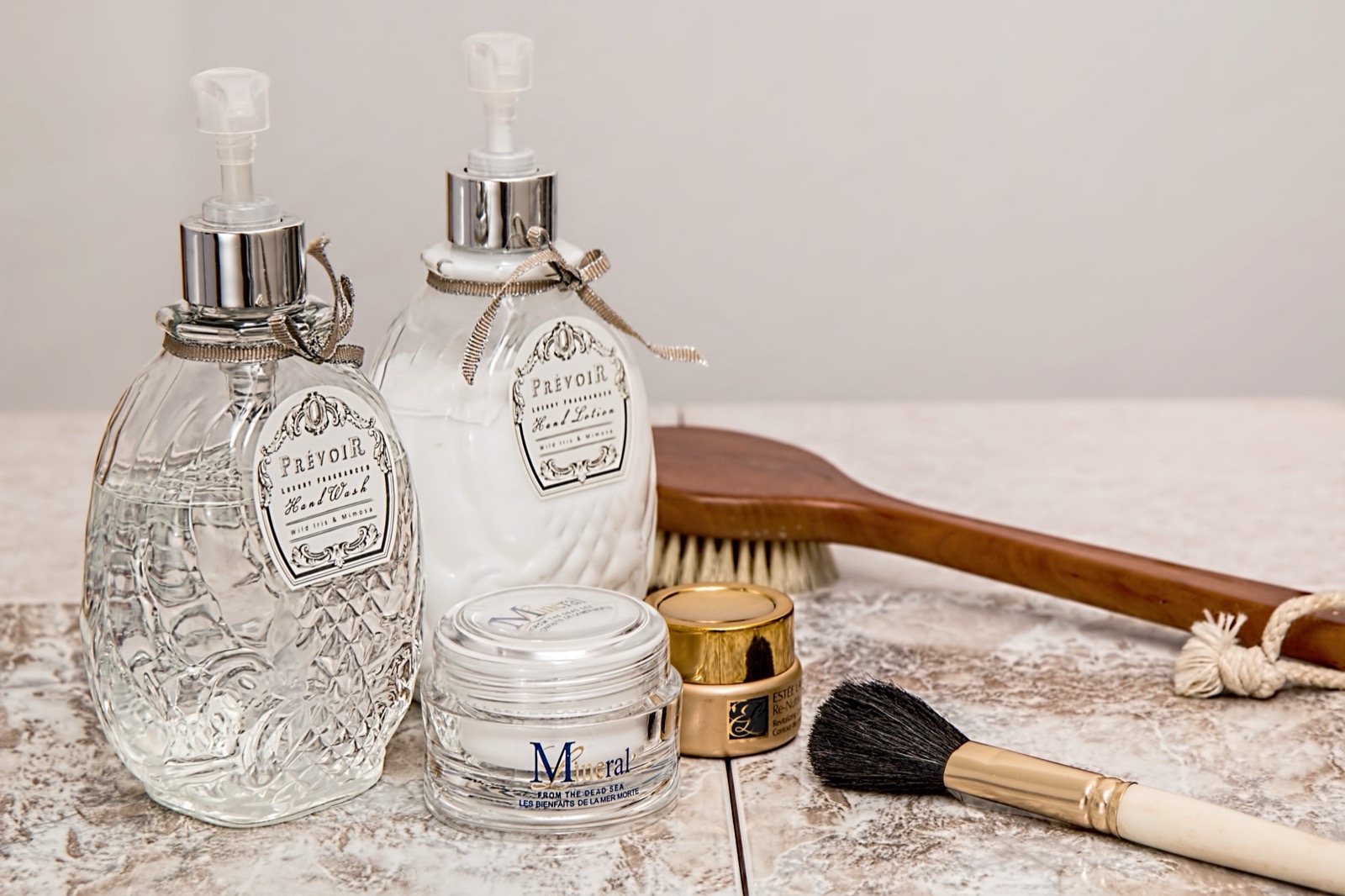
alt: Precision makeup tools and glass vanity jars arranged neatly for delicate eye cosmetic care
date: 2026-03-30
tags:
eyelash curler
eye makeup
replacement pad
j-beauty
routines
Eyelash Curler Rubber Replacement Guide Japan - Care
Japanese eyelash curlers from heritage brands such as Shiseido, Shu Uemura, and Koji have achieved global renown for their precise curvature engineered specifically for Asian eyelid anatomy. However, even the most exquisitely calibrated metal frame cannot curl lashes safely once its silicone rubber pad degrades. Worn, indented, or hardened rubber pads pinch fragile lash fibers against bare metal edges, causing sharp right-angle creases, premature lash breakage, or accidental avulsion.
Understanding the elastomeric science, replacement timelines, and compatibility rules behind Japanese eyelash curler rubber pads ensures comfortable lash lift while safeguarding delicate ocular margins.
Quick answer: When to Replace Japanese Eyelash Curler Rubber Pads
In Japan, cosmetic tool manufacturers recommend replacing the silicone rubber pad every two to three months of daily use, or immediately once a visible groove or horizontal indentation forms along the center line. Hardened or split rubber loses its shock-absorbing cushion, forcing users to squeeze harder and shearing lashes against the upper metal bar. Always purchase brand-specific replacement refills (*kae-gomu*) to match frame arc and channel dimensions.
Elastomer Degradation: Why Silicone Pads Wear Out
Unlike basic natural rubber that oxidizes and crumbles quickly, Japanese eyelash curler pads are molded from high-grade synthetic silicone elastomers. This material is chosen for its balanced viscoelasticity—it cushions the lash hair while providing sufficient mechanical resistance to mold keratin into an upward arc.
However, repeated compressive pressure, friction from mascara residue, and sebum accumulation gradually fatigue the polymer cross-links. Over several weeks of daily pinching, the upper metal blade stamps a persistent micro-groove into the silicone surface. Once this slit appears, individual lash hairs become wedged in the gap during curling, leading to painful pulling and strand shearing.
Protecting the Eyelid Margin and Barrier Health
The delicate margin of the upper eyelid contains active meibomian glands, lash hair follicles, and exceptionally thin epidermal layers.
Research in PLOS ONE affirms: "The stratum corneum (SC) provides a permeability barrier that limits the inflow and outflow of water."[1] When an old, stiff rubber pad forces you to exert excessive gripping force, this mechanical tension stresses the delicate stratum corneum along the lid margin. This pressure can irritate meibomian gland orifices and cause micro-trauma to the root follicular sheath. Maintaining fresh, compliant silicone pads minimizes required hand pressure, preserving lid health.
Comparing Leading Japanese Replacement Pad Standards
Japanese drugstore aisles feature specific refill packs (kae-gomu), typically sold in packages of two to three pieces for roughly 100 to 200 yen. Frame dimensions and channel widths vary significantly among major brands.
Scroll horizontally to view full table
Brand / Model
Curvature Arc (Radius)
Silicone Density & Feel
Refill Code / Compatibility
Shiseido Eyelash Curler 213
Medium-shallow arc (38mm width)
Medium-firm silicone, snappy rebound
Refill No. 214 (Standard drugstore staple)
Shu Uemura Iconic Curler
Curved mushroom contour
Soft, high-elasticity silicone cushion
Official refills packaged with new curler
Koji Curving Eyelash Curler
Flat-to-medium wide arc (38mm)
Firm, deep groove channel fit
Koji No. 153/154 dedicated refills
Excel Spring Power Curler
Deep round arc with internal spring
Extra-thick cushion, low-pressure mold
Excel CP dedicated wide silicone pads
Step-by-Step Technique: Replacing and Seating New Silicone Pads
Installing a fresh rubber pad properly ensures symmetrical pressure and prevents the pad from popping out during use.
1. Removing the Fatigued Pad
Using a clean wooden toothpick or plastic cosmetic spatula, pry one end of the old rubber pad out of the lower metal channel. Avoid using sharp metal tweezers or needles that can scratch or gouge the underlying metal frame.
2. Sanitizing the Metal Channel
Wipe the empty metal channel thoroughly with a cotton swab dampened with 70% isopropyl alcohol or makeup remover. Residue from old mascara, sebum, and dust can prevent the new silicone pad from seating flush against the channel base.
3. Pressing the New Pad from Center Outward
Align the center of the fresh silicone pad with the center of the metal trough. Press downward firmly with your thumb. Work outward toward both edges until the pad clicks snugly into place. Inspect from both sides to ensure no portion of the rubber is bulging or puckering.
4. Alignment Compression Test
Gently close the curler handles without lashes inside. Verify that the upper metal blade meets the exact center line of the silicone pad evenly along its entire length. If one side hits earlier than the other, reseat the pad until contact is uniform.
Wipe After Every Single Use: After curling lashes, immediately wipe the rubber pad and upper metal bar with a clean tissue or alcohol prep pad to remove oily makeup remnants.
Curl Bare Lashes Only: Never use a curler on lashes already coated with mascara. Mascara contains film-forming waxes and polymers that stick to silicone, tearing lashes when the curler releases and accelerating rubber degradation.
Replace the Entire Curler Annually: Even with fresh rubber pads, the central hinge and solder joints of metal curlers loosen over twelve to eighteen months, distorting parallel alignment. Replace the metal frame yearly for optimal safety.
Signs to Stop and When to Seek Medical Advice
While eyelash curlers are safe everyday cosmetic tools, mechanical tool misuse or defective pads can cause accidental eye trauma.
Discontinue curler use immediately if you experience:
Sudden pulling, pinching, or sharp pain along the eyelid margin while curling
Noticeable gaps or patchy hair loss along the lash line (traction-induced lash breakage)
Localized swelling, tender red bumps, or styes (hordeolum) on the lid edge
Persistent ocular redness, burning, or foreign-body sensation after makeup application
If an accidental avulsion or eyelid laceration occurs, do not rub the eye; rinse gently with sterile saline and seek immediate evaluation from an eye care specialist or ophthalmologist.
FAQ
Q1. How often should I replace the rubber pad on my Japanese eyelash curler?
A. Replace the pad every two to three months for optimal lash safety.(Details)
Japanese cosmetic tool makers recommend replacing the silicone pad every 60 to 90 days of regular use. If you curl your lashes multiple times daily, inspect the pad monthly and replace it the moment a central groove or indentation becomes visible.
Q2. Can I use generic drugstore rubber refills in a Shiseido or Shu Uemura curler?
A. Generic refills often fit poorly, risking uneven pressure and lash creasing.(Details)
While generic pads may look identical, millimeter discrepancies in width, curvature radius, or silicone hardness compromise how the upper metal bar meets the cushion. Using brand-specific refills (such as Shiseido No. 214) ensures calibrated pressure and protects lashes from sharp creases.
Q3. Why do my lashes bend at a sharp right angle instead of curling smoothly?
A. A worn, grooved rubber pad allows lashes to hit hard metal edges directly.(Details)
When the silicone pad develops a central indentation, the protective cushion collapses, pressing lash shafts directly against the metal channel rim. Replacing the pad restores the rounded silicone surface that guides lashes into a natural upward arc.
Q4. Can I clean eyelash curler rubber pads with makeup brush cleaner?
A. Yes, mild soap or alcohol wipes work well; avoid oil-heavy cleansing balms.(Details)
Wiping the pad with an alcohol wipe or washing it gently with mild soap and warm water effectively removes cosmetic grime. Avoid soaking silicone in mineral-oil based cleansing balms, as hydrocarbons can cause synthetic elastomers to swell and lose firmness over time.
Q5. Why does my curler squeak or feel loose after a year of use?
A. Metal hinge fatigue weakens frame tension; replace the whole tool annually.(Details)
Daily compressive stress slowly widens the central pivot rivet and flexes the frame arms out of parallel alignment. Even with a brand-new rubber pad, a fatigued frame applies asymmetrical pressure across lashes. Japanese makeup artists recommend retiring the metal tool after one to two years.
Summary
Japanese eyelash curlers provide exceptional lifting precision, but their performance depends directly on the integrity of their silicone rubber pads. Timely replacement every two to three months prevents sharp lash creasing, reduces necessary pinching force, and shields fragile eyelid margins from mechanical stress. Adopting daily hygienic wipe-downs and pairing brand-matched refills preserves healthy, full eyelashes with comfortable upward lift.
Disclaimer: This article is for general information and education about Japanese cosmetics and their labels. It is not a substitute for professional medical advice, diagnosis, or treatment. Skincare results vary from person to person. Product formulas, availability, prices, and regulations change, and products sold in Japan can differ from versions sold elsewhere, so always check the current label. Do a patch test before introducing a new product, and consult a doctor or dermatologist if you have a skin condition or specific concerns.