Facial Roller and Gua Sha Japanese Aesthetic Routine
RoutinesBy Miho Tanaka
title: Facial Roller and Gua Sha Japanese Aesthetic Routine
slug: facial-roller-and-gua-sha-japanese-aesthetic-routine
category: routines
publish: true
meta_description: Master Japanese esthetic salon facial roller and gua sha techniques using rich slip buffers to stimulate lymphatic flow without friction damage.
image: /images/stock/applying-cream-on-back-of-hand.jpg
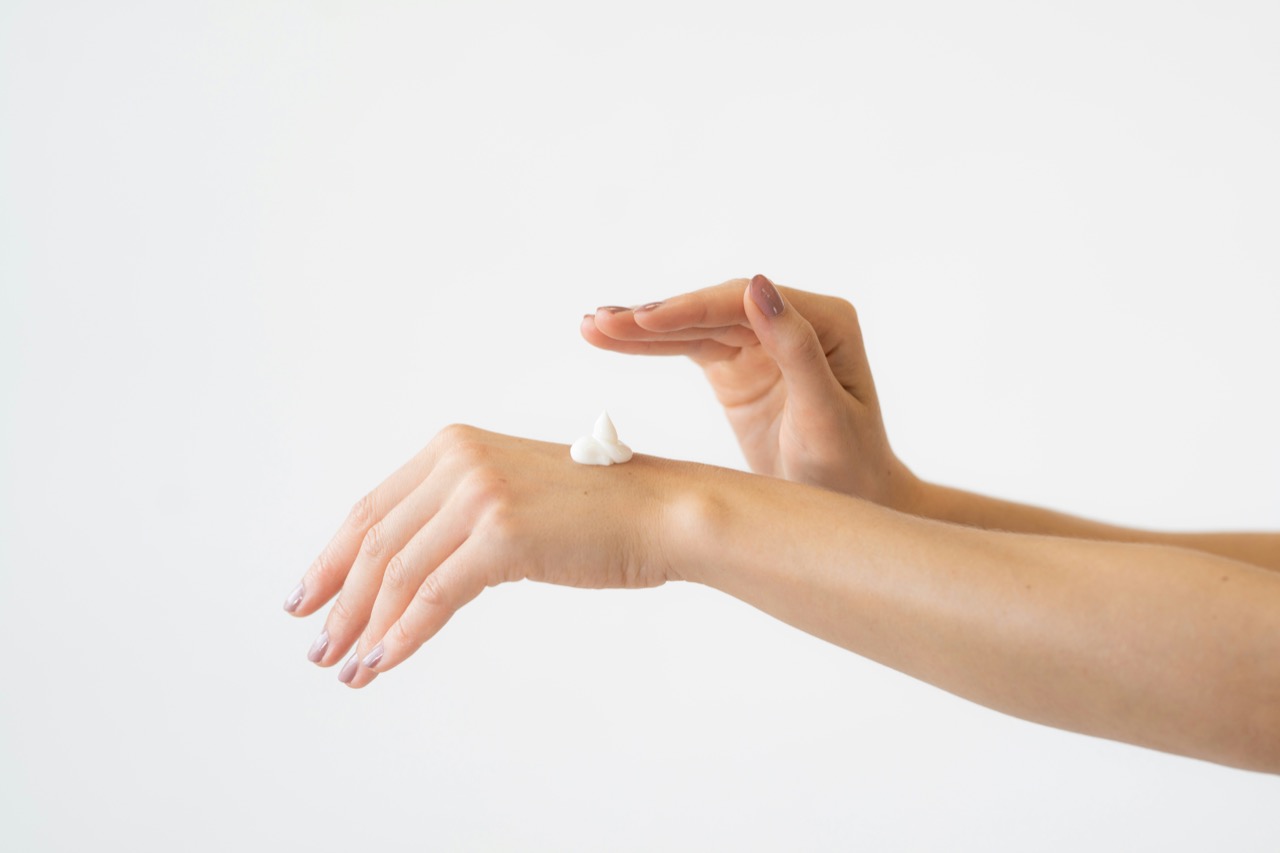
alt: Testing rich massage cream on back of hand to create a protective slip buffer before facial roller routine
date: 2026-03-30
tags:
facial roller
gua sha
salon technique
j-beauty
routines
Facial Roller and Gua Sha Japanese Aesthetic Routine
In Japanese professional esthetic salons (esute), mechanical contouring tools like microcurrent rollers (exemplified by ReFa), ceramic plates (kassa), and semi-precious stone gua sha have long been integrated into lymphatic drainage rituals. However, Japanese aesthetic methodology diverges sharply from aggressive Western scraping trends. Rather than pursuing redness, petechiae, or forceful tissue manipulation, Japanese estheticians view facial rolling as an art of glide, surface cushion, and micro-capillary stimulation.
Understanding the friction mechanics, buffer formulations, and directional lymph protocols of Japanese salons allows you to lift puffiness comfortably while safeguarding your skin barrier.
Quick answer: The Japanese Frictionless Gua Sha Principle
The cardinal rule of Japanese esthetic rolling is zero dry friction. Estheticians never drag tools across unlubricated skin; they apply a generous buffer layer of squalane oil or emollient massage cream (*massaji kuri-mu*) to reduce the friction coefficient to near zero. Tools are angled at fifteen degrees and guided outward and downward along natural lymphatic channels with featherlight pressure, supporting lymph drainage without stretching epidermal elastic fibers.
The Danger of Dry Scraping: Preventing Micro-Tears and Pigmentation
Traditional medical gua sha originates from East Asian folk medicine where deep subcutaneous bruising (sha) is intentionally provoked to relieve systemic stagnation. In facial cosmetics, however, forceful scraping is counterproductive and hazardous.
Aggressive friction shears away corneocytes, destabilizes the lipid matrix, and can rupture fragile dermal capillaries. In individuals with East Asian or melanin-rich skin types, chronic friction stimulates melanocytes to deposit pigment, producing stubborn post-inflammatory hyperpigmentation (PIH). Japanese esthetics mitigates this danger through thick oil-gel buffers and ultra-low tilt angles.
Protecting the Stratum Corneum Barrier with Hydrodynamic Cushioning
When an emollient massage cream or botanical oil sits between metal or stone and facial skin, it establishes hydrodynamic lubrication. The tool glides over a fluid film rather than abrading outer keratinocytes directly.
Research in PLOS ONE affirms: "The stratum corneum (SC) provides a permeability barrier that limits the inflow and outflow of water."[1] Preserving this barrier is essential; abrasive pressure strips natural ceramides and induces trans-epidermal water loss. By maintaining a rich slip buffer, rolling stimulates muscle relaxation and circulation while leaving the outermost protective envelope intact.
Comparing Japanese Aesthetic Tools: Rollers Versus Kassa Plates
Japanese beauty counters feature diverse contouring tools tailored to specific muscle groups and sensitivity levels.
Step-by-Step Technique: The Japanese Lymphatic Drainage Protocol
Executing a salon-grade routine at home requires deliberate pacing, correct tool angles, and proper slip application.
1. Apply a Generous Slip Buffer
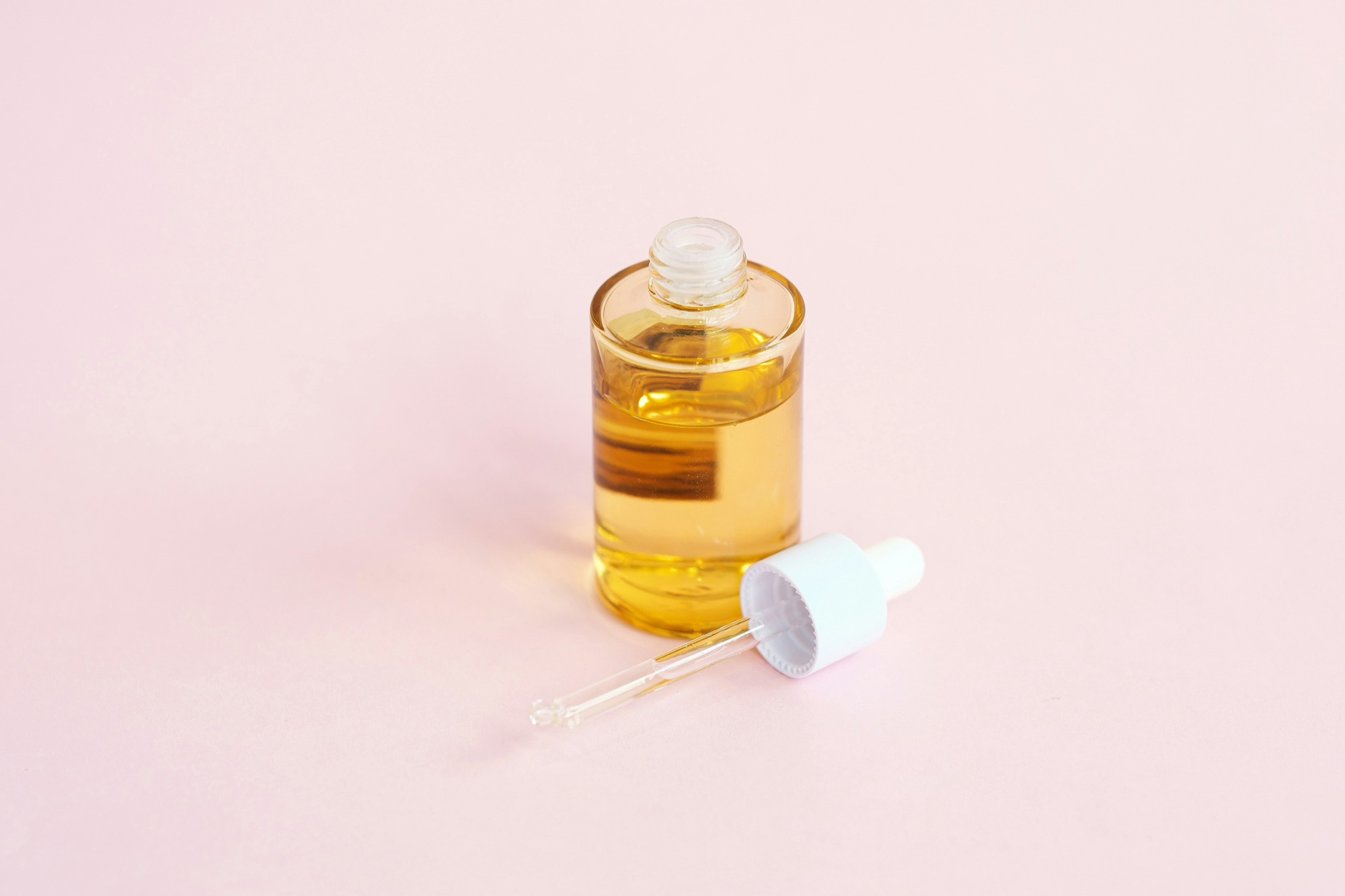
Dispense a cherry-sized amount of massage cream or four to six drops of pure squalane, camellia, or jojoba oil. Warm between palms and distribute evenly across face, jawline, and neck. The tool must glide effortlessly with zero tugging sensation.
2. Clear the Clavicular Terminus First
In Japanese lymphology, fluid cannot drain from the face if the collarbone terminus is blocked. Place the rounded edge of your tool just above the collarbone (sakotsu) and pump gently three times. Then, sweep downward along the sternocleidomastoid muscle from below the ear to the collarbone.
3. Gentle Jawline and Cheek Sweeps
Hold your ceramic kassa or stone tool at a shallow fifteen-degree angle relative to the skin—almost flat. Glide from the center of the chin outward along the jawline toward the earlobe. Sweep from the nasal wing outward toward the temple. Use featherlight pressure equivalent to holding a raw egg.
4. Forehead Upward Smoothing
Glide from the eyebrows upward to the hairline in smooth vertical passes. Finish by sweeping from the center of the forehead outward to the temples, then downward along the sides of the neck to return collected lymph toward the clavicular terminus.
Critical Warnings: Preventing Friction and Tissue Damage
Misuse of contouring tools can cause lasting skin damage. Always adhere to these Japanese salon safety rules:
Never Scrape on Bare Skin: If the oil absorbs and the skin becomes sticky, reapply more buffer immediately. Dry dragging stretches elastin fibers and induces sagging over time.
Limit Sessions to Five Minutes: Over-massaging causes reactive edema and capillary dilation. Perform light rolling three times a week for three to five minutes, not thirty minutes daily.
Avoid Active Acne and Broken Capillaries: Never roll over inflamed blemishes, pustules, open wounds, or spider veins (telangiectasia).
Signs to Stop and When to Seek Medical Advice
Contouring tools are non-invasive beauty accessories, but improper usage can injure soft facial tissue.
Discontinue tool use immediately if you notice:
Broken red micro-vessels or purple petechiae appearing under the skin surface
Persistent facial erythema or burning sensation that lasts beyond thirty minutes
Worsening cystic breakouts or inflamed papules triggered by heavy massage oils
Numbness, tingling, or localized nerve tenderness along the jawline
If severe bruising, spreading facial redness, or signs of nerve irritation occur, consult a qualified dermatologist or primary care physician promptly.
FAQ
Q1. Is it normal for skin to turn bright red during gua sha?
A. In Japanese facial esthetics, bright red skin indicates excessive friction damage.(Details)
While traditional body gua sha seeks Petechiae (*sha*), facial contouring in Japanese salons aims for zero redness. Flushed skin indicates that the tool is dragging dry or excessive pressure is rupturing micro-capillaries. Always use more cream buffer and reduce hand pressure.
Q2. Can I use a facial roller over a sheet mask?
A. Yes, rolling over a saturated sheet mask provides an exceptional low-friction barrier.(Details)
Rolling gently over a moist cotton or biocellulose sheet mask protects the skin from direct tool friction while distributing hydrating essence evenly across facial contours. Clean the roller thoroughly after use to remove leftover serum residue.
Q3. How do I sanitize my facial roller or kassa plate?
A. Wash with mild soap and warm water, then dry completely with a clean towel.(Details)
Wash porcelain plates, semi-precious stones, or platinum rollers with mild hand soap and lukewarm water after every session to remove residual massage oils and skin bacteria. Wipe with a microfiber cloth and store in a dedicated cloth pouch.
Q4. Does facial rolling provide long-lasting lifting of sagging skin?
A. Rolling provides temporary lymph drainage and muscle relaxation, not structural lifting.(Details)
Facial tools temporarily reduce stagnant interstitial fluid and relieve jaw muscle clenching, producing a visible de-puffing effect that lasts several hours. They cannot alter structural bone anatomy or replace clinical laxity procedures.
Q5. Can I keep my roller or gua sha stone in the refrigerator?
A. Chilling stones provides a soothing vasoconstrictive boost for morning puffiness.(Details)
Chilling ceramic or jade tools in the refrigerator for ten minutes before morning use enhances immediate de-puffing around the eyes and cheeks through mild vasoconstriction. Avoid the freezer, as extreme cold can crack natural stone and shock delicate facial nerves.
Summary
Japanese facial rolling and kassa rituals prove that effective lymphatic drainage does not require harsh pressure or skin-damaging friction. By pairing quality ceramic or microcurrent tools with a rich emollient slip buffer and featherlight, directional strokes, you can relieve facial tension and dispel morning puffiness comfortably. Adopting this mindful salon philosophy safeguards your epidermal moisture barrier while fostering radiant, sculpted skin.
Disclaimer: This article is for general information and education about Japanese cosmetics and their labels. It is not a substitute for professional medical advice, diagnosis, or treatment. Skincare results vary from person to person. Product formulas, availability, prices, and regulations change, and products sold in Japan can differ from versions sold elsewhere, so always check the current label. Do a patch test before introducing a new product, and consult a doctor or dermatologist if you have a skin condition or specific concerns.