How to Clean Makeup Brushes: Japanese Artisanal Care Guide
RoutinesBy Seibun Lab Editorial Team
title: How to Clean Makeup Brushes: Japanese Artisanal Care Guide
slug: how-to-clean-makeup-brushes-japanese-way
category: routines
category_label: Skincare Routines
published_at: '2026-11-24'
updated_at: '2026-11-24'
meta_description: Master the Japanese way to clean makeup brushes. Learn Kumano brush artisan wash techniques, gentle soap selection, downward drying, and longevity care.
description: Master the Japanese way to clean makeup brushes. Learn Kumano brush artisan wash techniques, gentle soap selection, downward drying, and longevity care.
lead_image: /images/stock/essential-makeup-brushes-and-sheer-application.webp
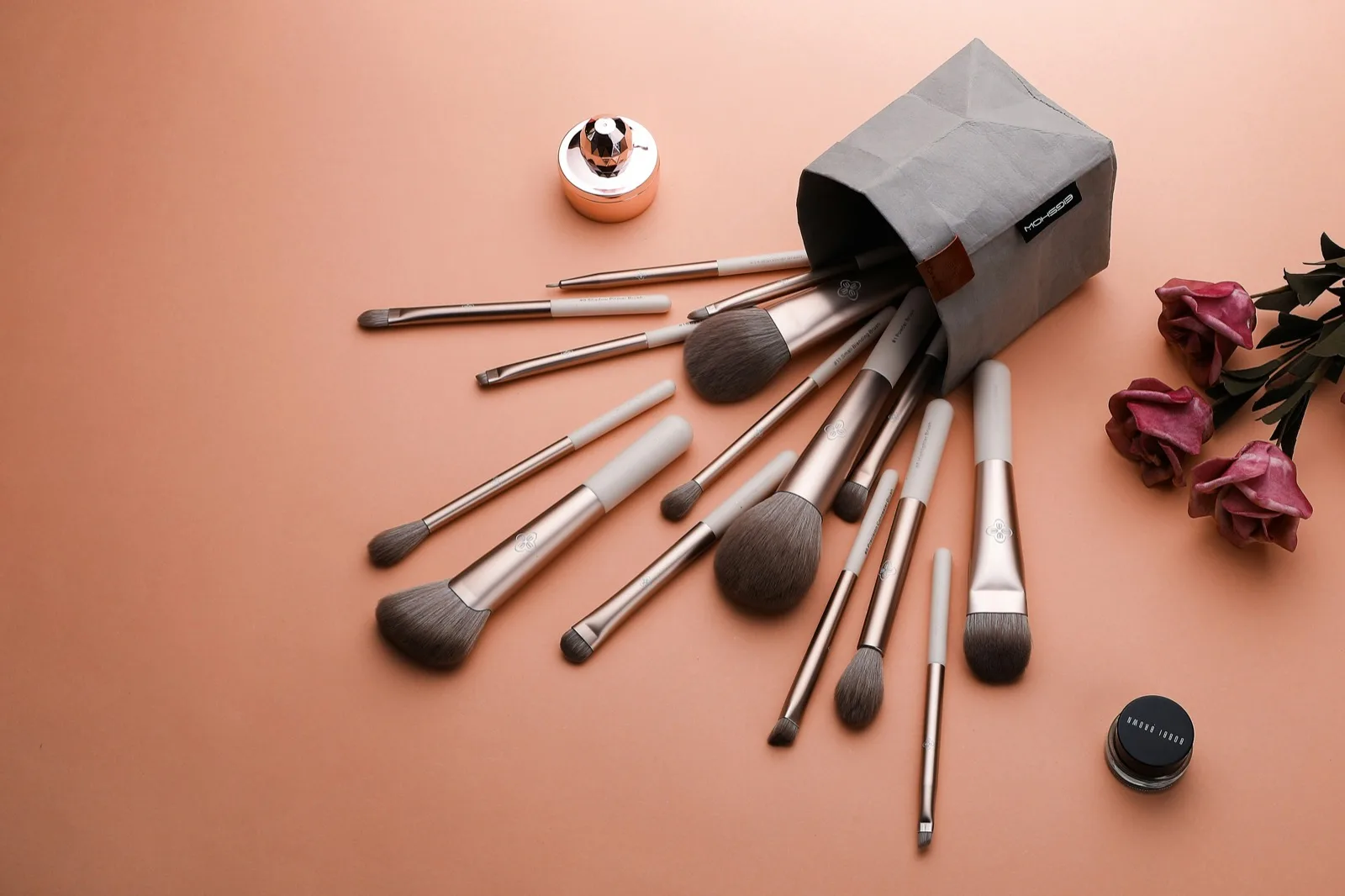
lead_image_alt: Professional Japanese makeup brushes arrayed for gentle cleaning and maintenance
thumbnail: /images/stock/essential-makeup-brushes-and-sheer-application.webp
thumbnail_alt: Professional Japanese makeup brushes arrayed for gentle cleaning and maintenance
author: Editorial Team
publish: true
How to Clean Makeup Brushes: Japanese Artisanal Care Guide
Japanese cosmetic brushes—most famously crafted by master artisans in Kumano, Hiroshima Prefecture—are celebrated worldwide for their cloud-soft tips, unclipped natural hairs, and exquisite blending control. However, many beauty lovers inadvertently ruin these heirloom tools within months by exposing them to harsh western brush cleansers, scalding water, or incorrect drying angles.
In Japan, brushmakers view makeup brushes as precision instruments that should last a decade or more when handled with proper care. Here is the definitive artisan-approved guide to cleaning, drying, and preserving both natural hair and high-end synthetic makeup brushes the authentic Japanese way.
The Japanese Brushmaker Philosophy: Preserving Delicate Hair Cuticles
Natural cosmetic brush fibers—such as goat (saikoho), grey squirrel, pony, or kolinsky—feature biological cuticles identical to human hair. The delicate lipid matrix of the epidermal stratum corneum experiences progressive natural functional deceleration over time[1], and applying powder with coarse, damaged bristles abrades sensitive facial skin.
Commercial brush cleaner sprays loaded with high-proof alcohol strip natural sebum from the bristles, leaving them dry, brittle, and prone to shedding. Japanese brushmakers advocate for minimal water exposure:
Natural Cuticle Shield: A small amount of natural sebum protects the fiber from drying out. Washing too frequently removes this shield, causing split ends.
Unclipped Hair Tips (Inochi): Japanese brushes are shaped by hand-sorting hairs without trimming the delicate tapered tips. Harsh mechanical friction curls these micro-tips, turning a soft brush scratchy.
Ferrule Protection: The metal band (kuchigane) binds the hairs with traditional glue. Soaking the ferrule softens adhesives and loosens the wooden handle.
Scroll horizontally to view more
Cleaning Method
Hair Cuticle Impact
Ferrule & Glue Safety
Recommended Frequency
Japanese Artisan Hand Wash
Very gentle (preserves cuticle moisture)
High (ferrule kept completely dry)
Every 1 to 2 months (powder brushes)
Alcohol Spray Cleansers
Severe drying and brittleness
Moderate (alcohol degrades glue)
Avoid on fine natural hairs
Harsh Dish Detergent
Strips all natural conditioning oils
Poor (loosens ferrule bond)
Emergency synthetic use only
Daily Dry Towel Swirl
Zero cuticle disturbance
Completely safe
After every single use
Daily Maintenance vs Monthly Deep Cleansing: The Japanese Rhythm
The golden rule of Kumano brush care is: clean daily with dry friction, wash rarely with water.
Pairing daily soft makeup application with diligent morning broad-spectrum UV protection shields vulnerable skin from photoaging stress[2], maintaining skin smoothness. Keep your tools in top condition through this two-tiered routine:
1. Daily Dry Maintenance (After Every Use)
After finishing your makeup, gently glide the brush head across a clean microfiber cloth or soft tissue paper. Sweep back and forth in light, gentle strokes without mashing the bristles against the surface. This removes surface pigment before it settles into inner fiber bundles.
2. Periodic Deep Cleansing (When Powder Clings)
Deep wash powder brushes only when:
Powder no longer blends smoothly or releases uneven streaks.
The bristles feel stiff, oily, or clumped together.
For liquid and cream foundation brushes, wash every two to three weeks to prevent cosmetic oxidation.
The Gentle Hand-Swirl Washing Method: Step-by-Step
When deep washing is necessary, follow this artisan protocol:
Prepare Lukewarm Water: Fill a shallow basin with lukewarm water (roughly 30°C to 35°C). Never use hot water, which dissolves binding glue and distorts natural animal hair protein.
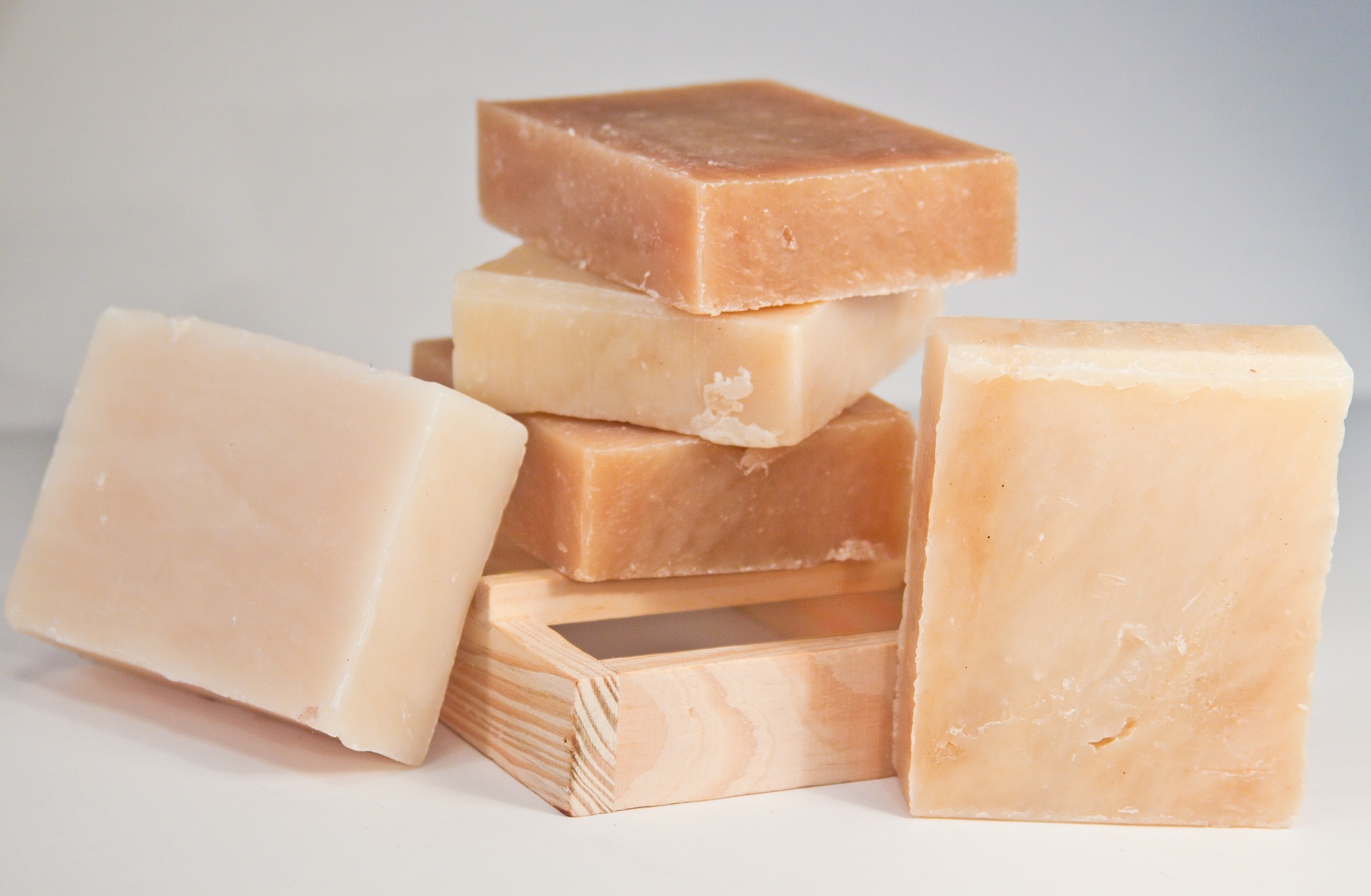
Lather Gentle Soap: Use a mild solid bar soap or dedicated unscented brush shampoo. Lather the soap in the palm of your non-dominant hand.
Gentle Palm Swirling: Wet only the front two-thirds of the brush head. Swirl the brush lightly in circular motions against your soapy palm, coaxing cosmetics out from the core toward the tips. Never push the ferrule underwater.
Rinse Downward: Rinse under a gentle stream of lukewarm water, directing flow from the metal base down to the hair tips. Squeeze the bristles gently between your fingers until the water runs clear and completely bubble-free.
The Downward Air-Drying Rule: Protecting the Wooden Handle and Ferrule
How you dry a makeup brush determines whether it survives for years or rots from within:
Gently Press with Towel: Sandwich the brush head in a clean, lint-free towel and press firmly to extract water. Never twist or wring the bristles.
Reshape the Brush Head: Smooth the hairs forward with your fingertips, returning the brush to its original rounded or angled contour.
The Critical Drying Angle: Never dry makeup brushes standing upright in a cup or brush holder. Gravity pulls residual water downward into the ferrule, rotting the wooden stem, loosening glue, and breeding mold.
Dry Flat or Inverted: Lay the brush horizontally across a dry towel with the brush head hanging over the edge of a counter, or suspend it upside down using brush drying clips.
Shaded, Ventilated Space: Allow 24 to 48 hours for dense powder brushes to dry naturally in a cool, shaded area with good airflow. Avoid hair dryers, radiators, or direct sunlight.
Signs to Stop and When to Consult a Specialist
Brushes that are washed improperly or neglected can become vectors for cutaneous irritation. Accumulated bacterial debris on unwashed bristles and harsh detergent residue can trigger acute contact irritation[3] and follicular inflammation.
Soap Residue Stinging: If your skin experiences stinging or redness after applying makeup with a freshly washed brush, residual detergent was left in the inner hairs. Rinse the brush thoroughly in plain lukewarm water and dry again.
Frayed and Scratchy Bristles: When bristles become rough due to harsh washings, they create micro-frictional abrasions across the stratum corneum. If a brush continues to prickle after gentle conditioning, replace it.
Unexplained Blemish Flare-ups: Persistent localized breakouts along cheekbones or jawlines often trace back to unwashed liquid foundation brushes harboring sebum and micro-organisms.
If facial redness, swelling, or contact dermatitis develops and persists after using makeup tools, discontinue use and consult a dermatologist.
FAQ
Q1. How often should authentic Kumano makeup brushes be washed?
A. Deep wash powder brushes only once every 1 to 2 months.(Details)
Kumano brushmakers recommend dry wiping on a towel after each use. Frequent water washing strips protective natural cuticle oils, causing hair fibers to become scratchy and fragile.
Q2. Can I use regular dish soap or facial cleanser to wash makeup brushes?
A. Avoid dish soap; use mild unscented solid soap or dedicated brush cleanser.(Details)
Q3. Why must makeup brushes never be dried standing upright in a cup?
A. Moisture drains into the ferrule, dissolving glue and rotting handles.(Details)
Standing wet brushes upright causes water to seep into the internal adhesive base. This loosens bristles, cracks wooden handles, and creates hidden pockets of mildew.
Q4. How do I clean delicate squirrel hair without causing brittleness?
A. Rely strictly on dry towel wiping and wash with water very sparingly.(Details)
Grey and blue squirrel hairs are exceptionally soft and fragile. Wipe them gently on a tissue after daily powdering, and wash in water only once or twice a year using cool water and gentle soap.
Q5. Can a dirty makeup brush cause recurring facial breakouts?
A. Yes, oxidized oils and trapped bacteria irritate facial pores.(Details)
Foundation and sebum accumulate between bristles. Over weeks, these trapped residues become breeding grounds for bacteria that transfer onto skin, triggering irritation and acne.
Summary & Actionable Checklist
Swirl Dry Daily: Wipe brush heads gently across a clean microfiber cloth after every application to prevent pigment buildup.
Wash in Moderation: Reserve water washing for every 1 to 2 months for powder tools, and every 2 to 3 weeks for liquid brushes.
Keep Ferrules Dry: Never immerse the metal base in water; lather and rinse only the front two-thirds of the bristles.
Never Dry Upright: Always dry brushes horizontally on a flat towel or inverted downward in a shaded, airy spot.
Rinse Thoroughly: Ensure zero soap residue remains inside the core to protect delicate facial skin from irritation.
References
The Japanese Dermatological Association. Sunburn Q&A on Photoaging and Biological Alterations in Aging Skin (Q5). https://www.dermatol.or.jp/qa/qa2/q05.html (Accessed 2026-11-24)
The Japanese Dermatological Association. Dermatological Q&A on Sunscreen Application for Long-Term Prevention (Q25). https://www.dermatol.or.jp/qa/qa3/q25.html (Accessed 2026-11-24)
The Japanese Dermatological Association. Dermatological Q&A on Contact Irritation and Scalp Friction Mechanisms (Q1). https://www.dermatol.or.jp/qa/qa4/q01.html (Accessed 2026-11-24)
Disclaimer: This article is for general information and education about Japanese cosmetics and their labels. It is not a substitute for professional medical advice, diagnosis, or treatment. Skincare results vary from person to person. Product formulas, availability, prices, and regulations change, and products sold in Japan can differ from versions sold elsewhere, so always check the current label. Do a patch test before introducing a new product, and consult a doctor or dermatologist if you have a skin condition or specific concerns.