Japanese Eyebrow Scissors Guide: Comb Grooming Technique
RoutinesBy Seibun Lab Editorial Team
title: Japanese Eyebrow Scissors Guide: Comb Grooming Technique
slug: japanese-eyebrow-scissors-and-comb-grooming
category: routines
category_label: Skincare Routines
published_at: '2026-11-24'
updated_at: '2026-11-24'
meta_description: Master Japanese eyebrow scissors with integrated combs. Learn gentle comb-lift trimming, arch mapping, safety curve blades, and natural arch maintenance.
description: Master Japanese eyebrow scissors with integrated combs. Learn gentle comb-lift trimming, arch mapping, safety curve blades, and natural arch maintenance.
lead_image: /images/stock/woman-smiling-natural-makeup-closeup.webp
lead_image_alt: Woman with naturally groomed eyebrows and balanced facial features
thumbnail: /images/stock/woman-smiling-natural-makeup-closeup.webp
thumbnail_alt: Woman with naturally groomed eyebrows and balanced facial features
author: Editorial Team
publish: true
Japanese Eyebrow Scissors Guide: Comb Grooming Technique
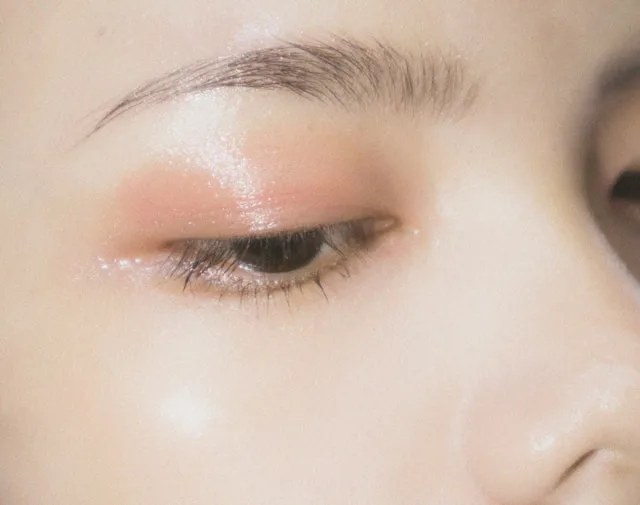
In Japanese beauty philosophy, eyebrows frame facial emotion and determine overall balance. Rather than sharp, heavily sculpted angles, Japanese brow trends prioritize soft, airy textures with natural hair growth patterns.
Achieving this natural look requires precision trimming rather than excessive plucking. Japanese cosmetic tool makers (such as Kai Corporation and Shiseido) pioneered specialized eyebrow scissors featuring detachable miniature guide combs. Here is how to master this classic Japanese grooming tool, map your brow proportions, and maintain smooth arch symmetry.
The Japanese Comb-Scissors Innovation: Precision Without Mistakes
Trimming eyebrows with standard straight scissors often leads to accidental gaps or uneven, stubby patches. The delicate lipid matrix of the epidermal stratum corneum experiences progressive natural functional deceleration over time[1], making gentle, controlled grooming tools vital for preserving skin comfort around the delicate brow bone.
Japanese comb-scissors integrate a tiny plastic or metal comb directly onto the stationary lower blade:
Single-Handed Control: Traditional methods require holding a comb in one hand and scissors in the other, which obstructs mirror sightlines. Japanese comb-scissors combine both functions into one hand.
Calibrated Spacing: The teeth keep the sharp cutting edge suspended roughly 1 to 2 millimeters above the skin surface, preventing close-cropped notches.
Directional Adaptation: The mini-comb detaches easily, allowing users to flip the comb for left or right eyebrow angles, or remove it entirely for freehand perimeter trimming.
Scroll horizontally to view more
Tool Type
Skill Level Needed
Risk of Over-Trimming
Grooming Outcome
Japanese Comb-Scissors
Beginner-friendly
Very low (fixed comb barrier)
Uniform length, natural fluffiness
Curved Freehand Scissors
Intermediate to high
Moderate (requires steady hand)
Custom detailed shape contouring
Tweezers / Plucking
Moderate
High (risks follicle damage)
Clean skin but risks thinning
Electric Brow Trimmer
Beginner
Low to moderate
Rapid surface leveling
Mapping Natural Japanese Arch Proportions Before You Cut
A foundational rule of Japanese eyebrow styling is to never trim bare, unmapped brows. Pairing daily precision facial grooming with diligent morning broad-spectrum UV protection shields vulnerable skin from photoaging stress[2], maintaining skin elasticity across the brow area.
Before picking up your scissors, sketch your desired outline using a light eyebrow pencil:
Inner Brow Head (Mayugashira): Align vertically with the inner nostril wing. Keep this area lightly feathered; trimming hairs here too short creates an artificial, harsh expression.
Arch Peak (Mayuyama): Locate directly above the outer edge of the iris or two-thirds along the brow line. A soft, gentle curve looks more natural than an aggressive peak.
Outer Brow Tail (Mayujiri): Draw a line from the outer nostril corner through the outer eye corner. Ensure the tail does not drop lower than the baseline of the brow head.
The Guideline Rule: Fill in the brow lightly with powder or pencil. Any stray hairs that poke beyond your drawn boundaries are your trimming targets.
Step-by-Step Trimming Technique: The Directional Comb-Through Method
Follow this structured protocol to groom both brows symmetrically without frustration:
Brush Into Place: Use a clean spoolie brush to comb brow hairs in their natural growth direction—upward at the head, diagonally outward along the arch, and downward at the tail.
Upward Lift for Inner Two-Thirds: Position the comb flat against the skin at the brow base. Slide the comb gently upward through the hairs. Snip only the hair tips that protrude through the comb teeth past your penciled top outline.
Downward Comb for the Tail: Flip the scissor angle or gently sweep the comb downward near the temple. Snip only the downward-slanting tips that cross beneath your bottom boundary line.
Assess in Natural Light: Step back from the mirror periodically. Checking both brows from an arm's length prevents excessive trimming.
Blade Sanitization, Comb Detachment, and Longevity Care
Because eyebrow tools come into close proximity with facial sebum, sweat, and eye area cosmetics, disciplined hygiene prevents bacterial contamination.
Wipe Blades Post-Use: After each trimming session, wipe the stainless-steel blades with an alcohol prep pad or clean microfiber cloth to remove hair clippings and oil residue.
Detach and Clean the Comb: Slide the plastic mini-comb off the blade housing. Wash it in warm soapy water to dislodge cosmetic buildup, then dry completely before sliding it back into place.
Store in a Dry Case: Avoid leaving scissors on humid bathroom shelves, which can encourage screw oxidation or dull the micro-honed blade edges over time.
Replace When Dull: If you feel the scissors catching or bending hairs rather than shearing cleanly, the cutting edge has dulled. Replace the shears every 1 to 2 years for clean precision.
Signs to Stop and When to Consult a Specialist
The skin underlying eyebrows is thin and closely backed by underlying bone. Excessive mechanical blade pressure, unlubricated edge dragging, and accidental dermal nicks can trigger acute contact irritation[3] and post-inflammatory pigmentation.
Active Acne or Cysts: Never trim or shave across active papules or cystic blemishes along the brow line, as blades can rupture lesions and spread micro-organisms.
Bleeding or Skin Nicks: If the blade pinches the skin fold, stop immediately, apply firm pressure with a sterile gauze pad, and apply a light soothing ointment once bleeding ceases.
Contact Irritation: Discontinue using metal tools if you observe localized redness, flaking, or eczema-like scaling along the eyebrow ridge.
If a cut exhibits persistent swelling, warmth, or signs of secondary infection, consult a dermatologist or healthcare professional.
FAQ
Q1. How do comb-attached eyebrow scissors prevent over-cutting?
A. The comb teeth act as a mechanical spacer between skin and blade.(Details)
By elevating the cutting line 1 to 2 millimeters above the epidermis, the comb prevents the scissors from cutting hairs flush against the skin, preventing patchy bald spots.
Q2. Should I trim my eyebrows before or after filling them in?
A. Always sketch your ideal brow shape first before making any cuts.(Details)
Drawing your desired brow with pencil creates an unambiguous visual boundary. You then only need to snip the stray hairs extending outside that defined shape.
Q3. Can I use regular curved nail or craft scissors for eyebrows?
A. Dedicated facial grooming scissors are much safer for eye area use.(Details)
Nail scissors have thicker, sharper blades that lack specialized comb attachments and safety curvature, significantly increasing the risk of accidental pinching or cuts on delicate eyelids.
Q4. How often should I trim my eyebrows using Japanese comb scissors?
A. Trimming once every 1 to 2 weeks maintains a tidy, natural outline.(Details)
Eyebrow hair grows at roughly 0.15 millimeters per day. A light touch-up every ten to fourteen days keeps hair lengths balanced without excessive grooming.
Q5. How do I trim the left and right brows evenly with one hand?
A. Detach and flip the comb attachment to match each eyebrow direction.(Details)
Most Japanese comb-scissors feature reversible comb guards. Detach the comb and re-insert it in the opposite direction so the comb teeth enter hairs comfortably on both sides of the face.
Summary & Actionable Checklist
Map First, Trim Second: Always pencil in your natural brow shape as a guide before snipping any hair.
Rely on the Comb Spacer: Use the integrated comb guard to prevent bald patches and ensure uniform hair length.
Comb Directionally: Slide upward through the inner brow and downward through the tail to follow natural growth.
Sanitize Blades Thoroughly: Wipe cutting edges with alcohol and wash the comb regularly to protect skin hygiene.
Protect Sensitive Skin: Avoid trimming over blemishes or irritated areas, and replace dulled scissors promptly.
References
The Japanese Dermatological Association. Sunburn Q&A on Photoaging and Biological Alterations in Aging Skin (Q5). https://www.dermatol.or.jp/qa/qa2/q05.html (Accessed 2026-11-24)
The Japanese Dermatological Association. Dermatological Q&A on Sunscreen Application for Long-Term Prevention (Q25). https://www.dermatol.or.jp/qa/qa3/q25.html (Accessed 2026-11-24)
The Japanese Dermatological Association. Dermatological Q&A on Contact Irritation and Scalp Friction Mechanisms (Q1). https://www.dermatol.or.jp/qa/qa4/q01.html (Accessed 2026-11-24)
Disclaimer: This article is for general information and education about Japanese cosmetics and their labels. It is not a substitute for professional medical advice, diagnosis, or treatment. Skincare results vary from person to person. Product formulas, availability, prices, and regulations change, and products sold in Japan can differ from versions sold elsewhere, so always check the current label. Do a patch test before introducing a new product, and consult a doctor or dermatologist if you have a skin condition or specific concerns.