Japanese Concealer Palette for Circles Redness and Spots
RoutinesBy Seibun Lab Editorial Team
title: Japanese Concealer Palette for Circles Redness and Spots
slug: japanese-concealer-palette-dark-circles-redness
category: routines
category_label: Routines
published_at: '2026-11-24'
updated_at: '2026-11-24'
meta_description: Master Japanese 3-shade concealer palettes. Learn color theory mixing for dark circles, nose redness, and blemishes with a natural, crease-free finish.
description: Master Japanese 3-shade concealer palettes. Learn color theory mixing for dark circles, nose redness, and blemishes with a natural, crease-free finish.
lead_image: /images/stock/makeup-cosmetics-palette-brush-flatlay.webp
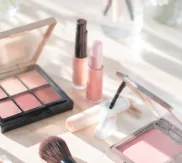
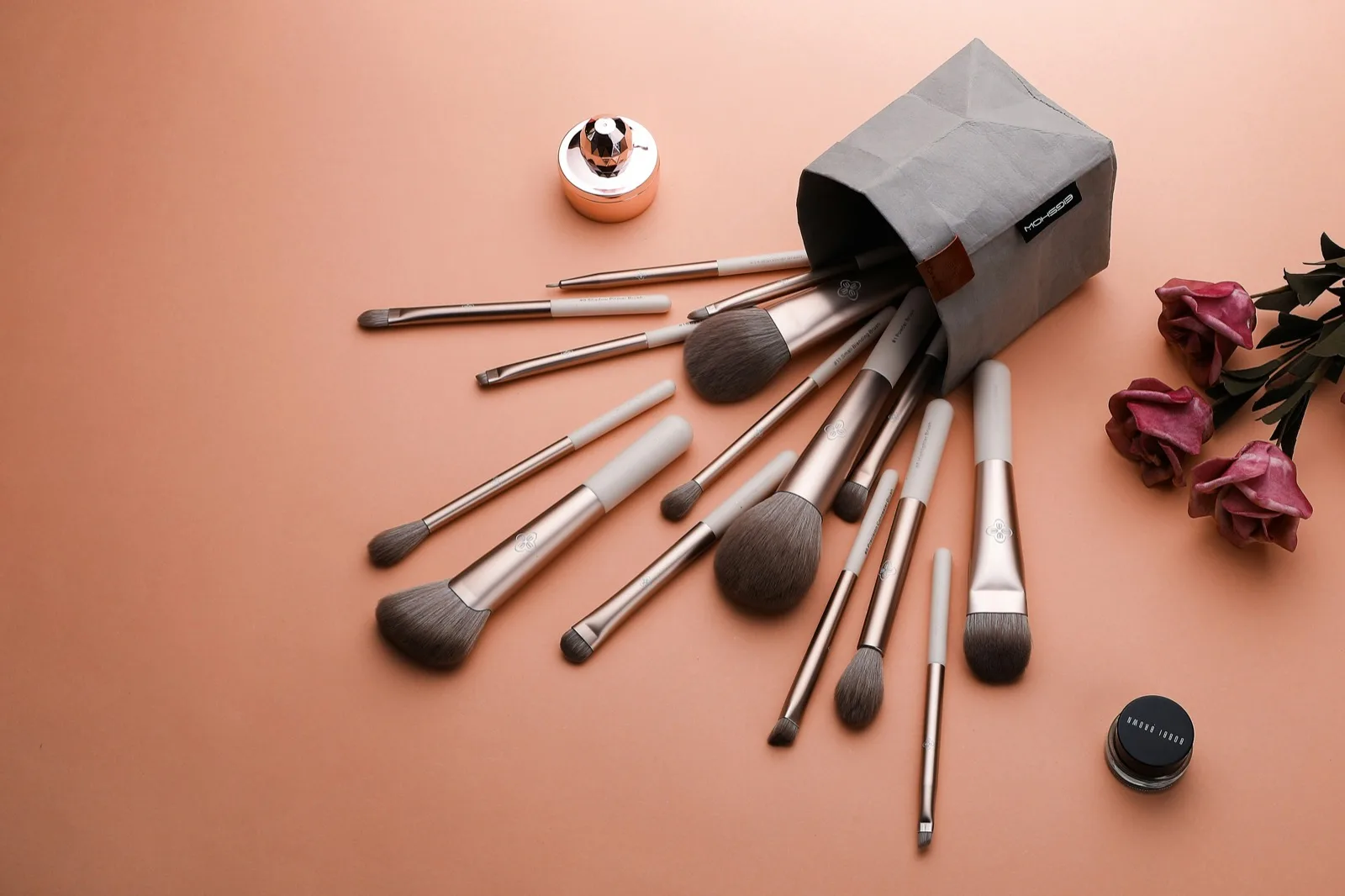
lead_image_alt: Japanese 3-shade customizable concealer palette with precision blending brushes
thumbnail: /images/stock/makeup-cosmetics-palette-brush-flatlay.webp
thumbnail_alt: Japanese 3-shade customizable concealer palette with precision blending brushes
author: Editorial Team
publish: true
Japanese Concealer Palette for Circles Redness and Spots
In Western beauty trends, concealing often involves painting thick triangles of full-coverage liquid pigment beneath the eyes and across facial centers. While dramatic on camera, this heavy approach frequently settles into fine lines, cakes over dry patches, and looks artificial in direct natural daylight.
In contrast, Japanese base makeup philosophy (J-beauty) approaches color correction like fine art watercolor painting. Instead of masking skin under dense layers, Japanese cosmetic chemists favor multi-compartment compacts—most famously 3-shade palettes featuring a dark shade, a salmon-orange tone, a light beige, and a smooth built-in mixing grid. By mixing complementary pigments to cancel out specific wavelengths of discoloration, you need only a whisper of product to create a clear, unified complexion (tomeikan). Here is your guide to mastering the Japanese multi-shade concealer palette.
The Triple-Shade Formula: Understanding Color Theory
Japanese compact palettes are engineered around optical neutralization principles rather than simple opacity:
1. The Salmon-Orange / Peach Well (Under-Eye Hollows)
Blue and purple under-eye shadows are caused by pooled venous blood showing through translucent orbital skin. Because orange sits opposite blue on the color wheel, a warm salmon-peach pigment optically neutralizes coolness without requiring pale yellow caking. The delicate under-eye barrier experiences progressive natural functional deceleration over time[1], meaning heavy formulas accelerate fine-line creasing, whereas thin peach veils keep the under-eye area looking fresh.
2. The Yellow-Beige Well (Redness and Capillaries)
Flushing around the nostrils (nasolabial folds), broken micro-capillaries, and general facial redness respond effectively to yellow-toned beige. Yellow cancels out red undertones, returning flushed areas to the person's baseline skin tone.
3. The Natural Ochre / Deep Beige Well (Blemish Marks)
Post-acne marks and brownish solar lentigines require a slightly deeper, high-adhesion pigment. If you apply a concealer that is too light directly onto a brown spot, it creates a grayish, ashy halo. Using a shade matched to or slightly deeper than your peripheral skin anchors the camouflage cleanly.
Palette Formulations Compared: Japanese Cream vs Western Liquid
Understanding how Japanese cream palettes differ from standard liquid wand concealers illustrates why they are staples among Tokyo makeup artists:
Scroll horizontally to view more
Feature
Japanese 3-Shade Cream Palette
Western Full-Coverage Liquid Wand
Texture & Base
Semi-solid botanical wax and emollient esters
Volatile silicone-in-water fluid emulsion
Color Customization
Unlimited: dedicated built-in mixing tray
Single fixed bottle shade
Under-Eye Creasing
Low: melts into skin warmth with micro-waxes
Moderate-to-high: dries rigid and accentuates lines
Targeted Neutralization
Specific hues for blue circles, redness, spots
General high-opacity skin-toned cover
Applicator Included
Dual-ended precision brush and sponge tip
Large doe-foot sponge wand
Portability
Slim mirrored compact for targeted touch-ups
Cylindrical glass vial
How to Mix and Map: The 4-Step Technique
Mastering a Japanese concealer palette requires utilizing the empty mixing well on the compact lid to adjust depth and warmth before touching your face:
Step 1: Prep and Hydrate
Concealer adheres smoothly only to well-hydrated skin. Pat a lightweight ceramide or hyaluronic acid lotion around the orbital socket and nose wings, allowing two minutes for absorption. If your skin is parched, waxes cannot melt uniformly.
Step 2: Correct Blue Under-Eye Shadows
Use the flat brush to pick up the salmon-orange shade. In the mixing tray, blend in a tiny dot of the lightest beige to match your skin brightness. Tap the mixture strictly along the tear trough line—the deepest dark groove—rather than spreading it all the way up to the lower eyelash roots. Gently press with your ring finger pad to melt the waxes into the skin.
Step 3: Neutralize Nasal Redness
Take the yellow-beige tone and mix with a touch of natural beige. Using the pointed sponge tip, lightly press the color into the redness around the nostril base. Avoid dragging or swiping, which removes underlying foundation.
Step 4: Pinpoint Blemish Camouflage
For isolated brownish blemish marks, pick up the deepest ochre shade on the tip of the micro-brush. Place a tiny dot directly on the center of the mark. Use a clean fingertip or cotton swab to diffuse only the outer perimeter edge, leaving the center pigment undisturbed. Pairing targeted camouflage with daily broad-spectrum UV protection shields vulnerable blemishes from photoaging stress[2].
Choosing Between Brush and Sponge Applicators
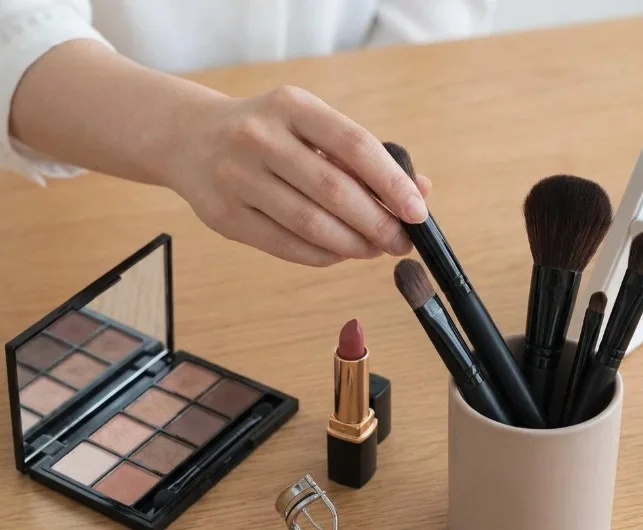
Most Japanese concealer palettes include a thoughtfully engineered dual-ended mini tool:
The Flat Bristle Brush: Ideal for laying down thin, sheer films over mobile areas like the under-eye hollows and smile lines. The flexible synthetic hairs distribute pigment evenly without dragging.
The Micro-Sponge Tip: Perfect for high-density, pinpoint placement over dark post-acne marks and active redness. Pressing with the sponge tip deposits maximum pigment concentration exactly where needed.
Signs to Stop and When to Consult a Specialist
While Japanese cream concealers are formulated with skin-friendly emollients like jojoba oil and squalane, delicate facial zones require careful consideration:
Signs of Sensitivity: If you notice localized burning, itching, or contact dermatitis around the thin orbital skin, discontinue use immediately.
Avoid Over-Manipulating Irritated Skin: Aggressive cosmetic blending or friction over active inflammation can trigger acute contact irritation[3]. Never apply heavy wax-based cosmetics directly over broken skin or open pustules.
Medical Consultation: If persistent red plaques, swelling, or dry scaly patches endure beyond 48 hours, seek clinical evaluation from a dermatologist.
FAQ
Q1. Why does my under-eye concealer look gray after application?
A. Applying a concealer that is too light or lacks warm orange undertones causes a gray cast.(Details)
When cool blue or purple venous blood beneath thin skin is covered with a pale yellow or fair beige concealer, the contrasting tones combine optically to create a dull gray or muddy appearance. Mixing a warm salmon-peach shade into the formula cancels the cool undertone before brightening.
Q2. Should I apply Japanese palette concealer before or after foundation?
A. Apply after liquid or cushion foundation, but before powder foundation.(Details)
If using liquid base, cushion compact, or BB cream, apply concealer afterward so you only target spots that remain visible. If using powder foundation, apply cream concealer first and gently set the powder on top to avoid disrupting the cream finish.
Q3. How do I prevent cream concealer from settling into fine lines?
A. Use minimal product, warm with fingertips, and set lightly with translucent powder.(Details)
Creasing happens when excess product shifts during facial movement. Use the smallest possible quantity, tap with your finger pad to melt the waxes flat against the skin, and dust an ultra-sheer veil of micro-milled setting powder over the area.
Q4. Can I use a Japanese concealer palette for contouring and highlighting?
A. Yes, the light and dark pans work effectively for subtle, natural micro-sculpting.(Details)
The lightest beige pan can be tapped onto the brow bone, cupid's bow, and inner eye corners as a natural matte highlight. The deepest ochre pan can be blended lightly along the sides of the nose bridge for soft, imperceptible daytime contouring.
Q5. How should I clean the built-in mixing tray of the compact?
A. Wipe the mixing grid clean after each use with a tissue lightly misted with alcohol.(Details)
To keep your palette hygienic and prevent oxidized pigment buildup, wipe the plastic mixing surface with a tissue or cotton pad after each application. Clean the mini brushes weekly with mild soap or brush cleanser to avoid bacterial transfer.
Summary and Practical Tips
Japanese multi-shade concealer palettes provide customized optical perfection without mask-like heaviness:
Leverage the 3-Shade Architecture: Use salmon-orange for dark circles, yellow-beige for facial redness, and natural ochre for brown marks.
Utilize the Mixing Well: Always blend custom shades on the built-in grid before touching your skin to ensure uniform color matching.
Practice Pinpoint Precision: Apply product strictly to the discoloration itself rather than covering large areas of healthy skin.
Melt with Body Heat: Gently press cream formulas with warm fingertip pads to integrate waxes effortlessly into your base makeup.
References
The Japanese Dermatological Association. Sunburn Q&A on Photoaging and Biological Alterations in Aging Skin (Q5). https://www.dermatol.or.jp/qa/qa2/q05.html (Accessed 2026-11-24)
The Japanese Dermatological Association. Dermatological Q&A on Sunscreen Application for Long-Term Prevention (Q25). https://www.dermatol.or.jp/qa/qa3/q25.html (Accessed 2026-11-24)
The Japanese Dermatological Association. Dermatological Q&A on Contact Irritation and Scalp Friction Mechanisms (Q1). https://www.dermatol.or.jp/qa/qa4/q01.html (Accessed 2026-11-24)
Disclaimer: This article is for general information and education about Japanese cosmetics and their labels. It is not a substitute for professional medical advice, diagnosis, or treatment. Skincare results vary from person to person. Product formulas, availability, prices, and regulations change, and products sold in Japan can differ from versions sold elsewhere, so always check the current label. Do a patch test before introducing a new product, and consult a doctor or dermatologist if you have a skin condition or specific concerns.