title: Japanese Cream Blush: Dewy Cheeks No Bronzer Guide slug: japanese-cream-blush-dewy-cheeks-no-bronzer category: routines published_at: 2026-11-22 updated_at: 2026-11-22 author: Seibun Lab Editorial Team hero_image: /images/stock/woman-cream-swatch-on-cheek-headband.jpg hero_image_alt: Woman applying sheer Japanese cream blush on cheeks for natural dewy flush without bronzer meta_description: Learn how Japanese cream blush creates a natural dewy flush without bronzer. Explore subtractive J-beauty placement, skin-like radiance, and blending tips. tags: ["cream blush", "no bronzer makeup", "dewy cheeks", "kesshokukan", "j-beauty routines", "routines"] summary: "Discover the Japanese base routine that replaces muddy bronzers with dewy cream blush. Learn the science of kesshokukan (inner flush) and melting balm application." publish: true
Japanese Cream Blush: Dewy Cheeks No Bronzer Guide
The Sculpting Philosophy: Bronzer relies on dark, muddy shading that can emphasize facial fatigue or hollowness. Japanese makeup sculpts through light and vitality: placing dewy, blood-toned cream blush on the high cheekbones creates an optical lift that draws the eyes upward.
The Melting Formulation: Japanese cream blushes transform from bouncy melting balms to a weightless, non-sticky veil that bonds with skin moisture instead of sitting as a chalky powder layer.
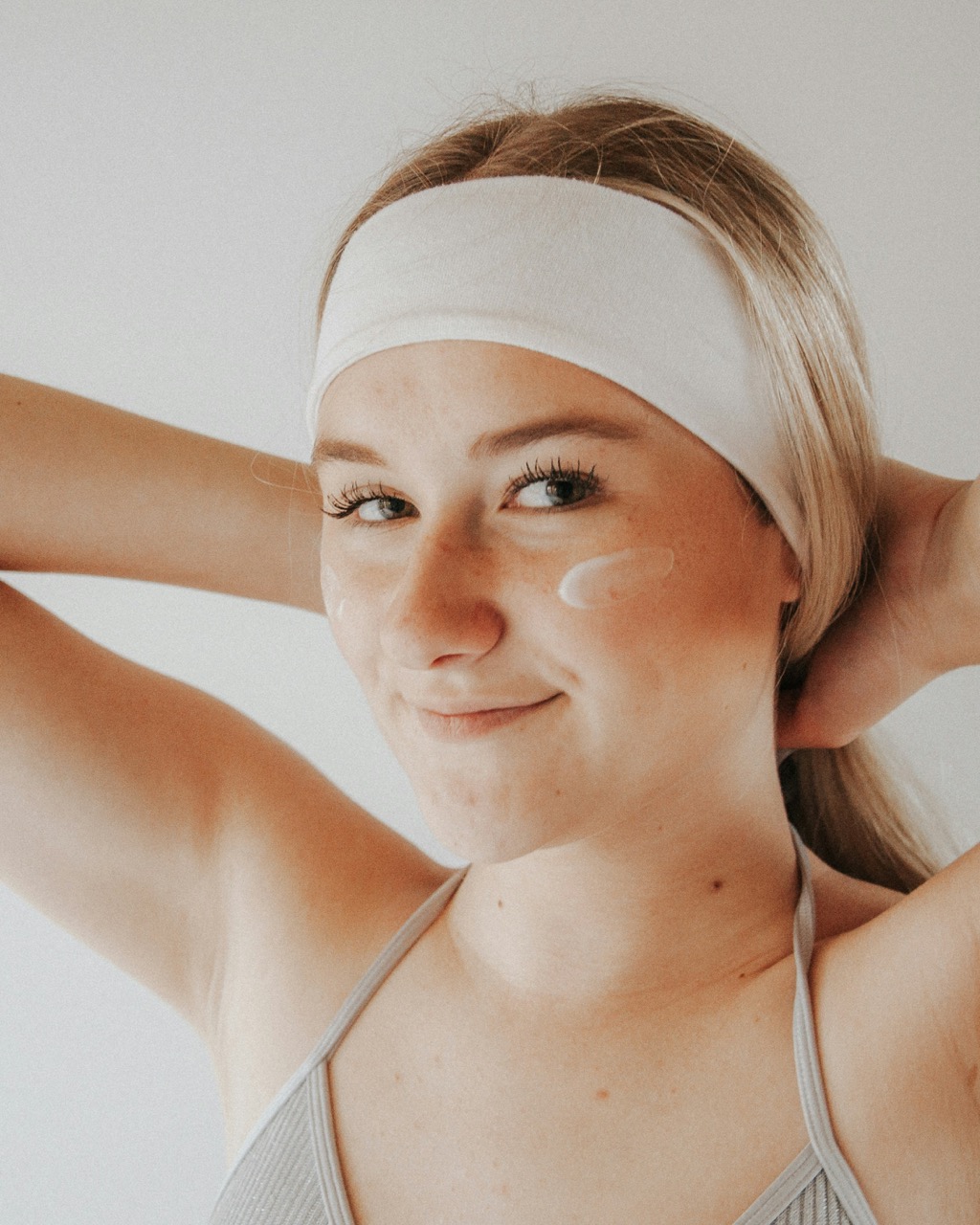
The Dot-and-Connect Technique: Pat small dots of cream blush along the high cheek apex, then blend softly toward the temples and slightly across the cheek apples with clean finger pads.
Why J-Beauty Replaced Bronzer with Inner Flush
The aesthetic distinction between Western contouring and Japanese cheek styling highlights contrasting ideals of bone structure:
Western Bronzer/Contour vs. Japanese Cream Flush (Kesshokukan):

[ Western Bronzer Aesthetic ]
Hollow Chiseled Shadow: Placed in cheek hollows, jawline, and forehead perimeter.
-> Goal: Dramatic bone structure, sharp angles, sun-baked golden tan.
-> Daylight Risk: Can look muddy, hollow out mature cheeks, and clash with fair complexions.

[ Japanese Cream Flush Aesthetic ]
Convex Vitality & Dewy Plumpness: Placed high on cheek apples and orbital curve.
-> Goal: Soft, healthy blood-circulation flush (*kesshokukan*), youthful fullness.
-> Daylight Benefit: Reflects ambient light, softens angular jawlines, imparts friendly warmth.
In East Asian facial structures, the cheekbones already provide soft horizontal prominence. Adding dark brown contour powders underneath often creates a fatigued, sunken look. Japanese artists instead use warm, radiant blush colors to make the highest plane of the cheek look plush, hydrated, and bouncy.
The Formula Science: Gel-to-Powder Melting Chemistry
A common complaint with Western cream blushes is that they can feel heavy, disrupt the foundation underneath, or stay sticky throughout the day. Japanese formulations solve this through hybrid polymer matrices:
1. Fingertip Stamping Distribution
Formulated with emollient plant oils and volatile silicones, Japanese instructions advise users to apply blush onto cheeks by taking product on the pads of fingertips and stamping dots[1]. This prevents dragging or sliding the foundation layer beneath.
2. Smooth Gradation Blending
Once dotted in place, you gently blend and stroke connecting the dots outward across the cheeks[1]. As the light oils warm to skin temperature, the cream transitions into a silky, semi-matte veil that sets without clinging to enlarged pores.
3. The Lit-from-Within Aesthetic
Rather than depositing opaque synthetic pigments on top of the skin, the formulation creates a finish that looks like cheeks are naturally flushed with healthy color[1]. It mimics the natural capillary flush that occurs after a warm bath or brisk morning walk.
Choosing Your Japanese Flush Shade
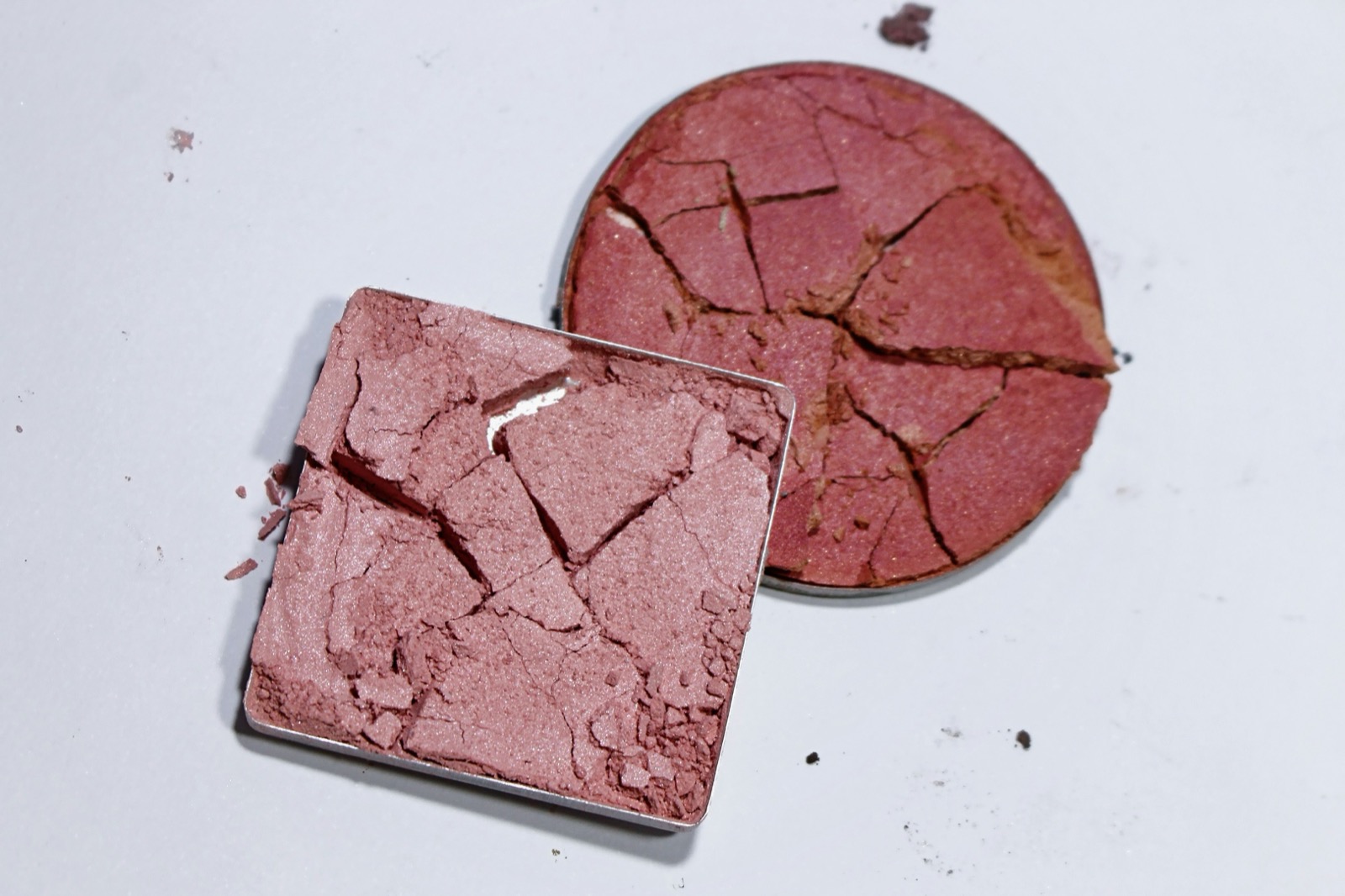
Japanese cream blushes offer subtle, nuanced hues engineered to flatter undertones without harsh redness. The table below details the top shade families.
Scroll horizontally to view full table
| Japanese Blush Tone | Color Characteristics | Ideal Undertone | Visual Effect | Occasion Profile |
|---|---|---|---|---|
| Milky Peach / Coral | Warm salmon with soft beige depth | Warm, Neutral, Yellow undertones | Fresh, approachable, sunlit vitality | Everyday work, casual weekends |
| Sheer Cassis / Plum | Translucent berry with cool blue drop | Cool, Olive, Fair complexions | Porcelain translucency (*toumeikan*) | Autumn/winter, elegant evenings |
| Soft Cinnamon / Fig | Muted earthy rose with subtle brown | Deep, Warm, Olive complexions | Understated sophisticated contour | Professional meetings, mature skin |
| Clear Watermelon Red | Vibrant sheer crimson without frost | Universal (Cool & Warm) | Youthful, post-exercise blood flush | Springtime, camera-ready events |