title: Japanese Dual-Ended Concealer: Spot & Circle Cover Guide slug: japanese-dual-ended-concealer-spot-cover category: routines category_label: Routines & Guides published_at: '2026-11-23' updated_at: '2026-11-23' meta_description: Master Japanese dual-ended concealers for targeted spot and under-eye cover. Learn liquid vs stick formulas, color theory, and natural blending techniques. description: Master Japanese dual-ended concealers for targeted spot and under-eye cover. Learn liquid vs stick formulas, color theory, and natural blending techniques. hero_image: /images/stock/skincare-base-liquid-application-step.png hero_image_alt: Base cosmetic application step representing precision color-correcting concealer placement thumbnail: /images/stock/skincare-base-liquid-application-step.png thumbnail_alt: Base cosmetic application step representing precision color-correcting concealer placement reading_time: 6 author: Editorial Team publish: true
Japanese Dual-Ended Concealer: Spot & Circle Cover Guide
Quick answer
Japanese dual-ended concealers pair two distinct textures and undertones in a single pen: a flexible, hydrating liquid or serum wand for dynamic under-eye circles, alongside a high-density, matte-finish stick or pencil for pinpoint dark spot and blemish coverage. By applying tailored viscosities to different facial zones, these 2-in-1 tools prevent creasing while delivering high opacity where it is needed most.
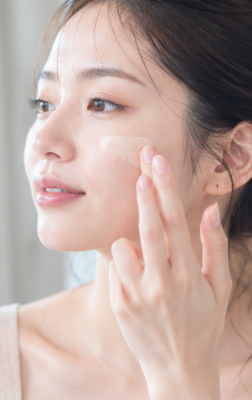
In conventional Western makeup, spot concealing often relies on a single full-coverage liquid formula buffed aggressively across the entire face. However, Japanese beauty philosophy recognizes a crucial anatomical reality: the delicate, constantly blinking skin under the eyes possesses vastly different mechanical demands than the stationary, oilier skin on the cheeks, forehead, or chin.
To address these contrasting zones without creating a heavy, mask-like buildup, Japanese cosmetic brands engineered the dual-ended concealer (often marketed as 2-way concealer or dual-finish spot cover). By housing a luminous, elastic liquid wand on one end and a firm, high-adhesion coverage stick on the other, these clever dual tools allow you to customize color correction and viscosity simultaneously. Here is your comprehensive guide to mastering dual-ended concealing for a natural, unblemished complexion.
The Dual-Formula Architecture: Liquid Wand vs. High-Adhesion Stick
The genius of Japanese dual-ended concealers lies in their opposing physical properties:
End 1: The Serum-Infused Liquid Wand (For Under-Eye Movement)
Under-eye skin measures less than 0.5 millimeters in thickness and flexes thousands of times each day with blinking, squinting, and smiling. Standard high-pigment creams crack and settle into fine orbital creases under these dynamic conditions.
- Texture: Ultra-lightweight fluid or serum-gel.
- Polymer Base: Flexible silicone elastomers and hydrating humectants (such as hyaluronic acid and glycerin) that stretch fluidly with facial expressions.
- Optical Strategy: Infused with warm peach, salmon pink, or apricot undertones to optically cancel out bluish-purple venous blood pooling without requiring heavy opacity.
End 2: The Precision Pinpoint Stick (For Static Spots and Blemishes)
Dark hyperpigmentation, sun spots, and post-acne erythema occur on flatter, stationary facial planes that produce sebum throughout the day.
- Texture: Solid, high-melting-point wax and volatile silicone blend.
- Pigment Load: Exceptional pigment density (often 40% higher than the liquid wand) designed to adhere instantly to target blemishes.
- Optical Strategy: Neutral to warm yellow-beige tones calibrated to match your skin tone exactly, preventing light halo rings around covered spots.
Medical authorities recommend daily sunscreen application as an essential preventive measure to shield cellular DNA against cumulative photoaging and long-term damage.[2] Using dual-ended concealers with built-in UV filters provides targeted photoprotection over localized sun-damaged spots.
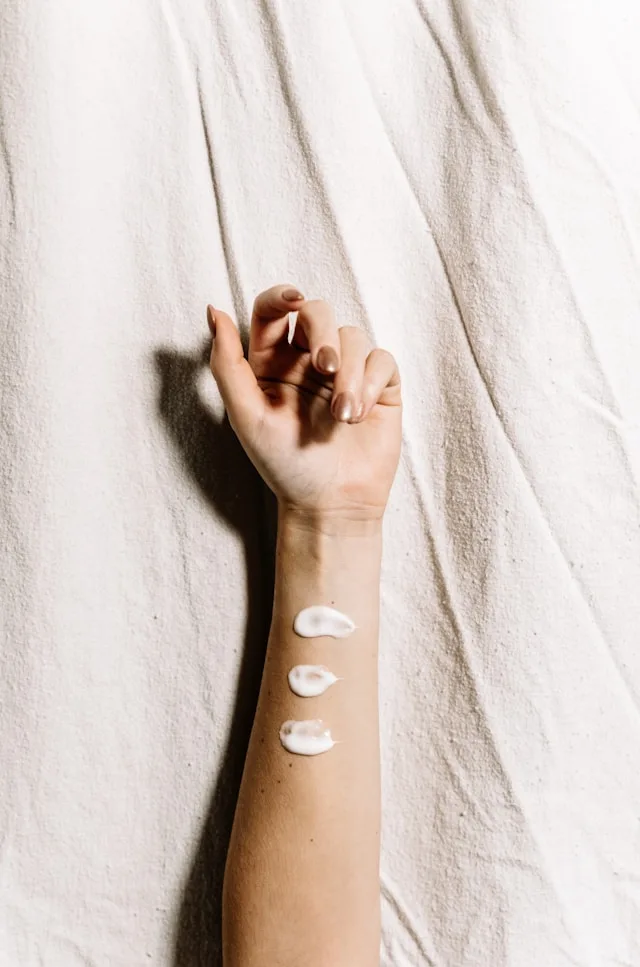
Color Theory: Targeted Correction for Circles vs. Spots
Covering facial imperfections naturally requires understanding underlying color science:
- Bluish-Purple Vascular Circles (Ao-Kuma): Common in fair skin and provoked by fatigue or poor microcirculation. Neutralize using the peachy-orange liquid end. Blue and orange sit opposite on the optical spectrum, canceling darkness without gray ashiness.
- Brown Hyperpigmentation Circles (Cha-Kuma): Caused by friction, past dermatitis, or melanin deposition. Counteract with a warm apricot-yellow base that lifts dull shadows.
- Black Shadow Hollows (Kuro-Kuma): Structural indentations caused by aging fat pad descent. Use a light-reflecting ivory or pearl liquid directly in the deepest shadow groove to optically push the hollow forward.
- Sun Spots & Post-Blemish Marks: Dot the firm stick directly over the pigmented core. The high-opacity neutral pigment forms a stable barrier that resists sebum breakdown.
Detailed Comparison: Dual-Ended Tool vs. Liquid Wand vs. Concealer Pot
The table below contrasts the functional utility of different concealer formats:
Scroll horizontally to view full table
| Feature | Japanese Dual-Ended Tool | Standard Liquid Wand | Heavy Concealer Pot |
|---|---|---|---|
| Versatility | Dual textures tailored for eyes and face spots | Single viscosity across all facial zones | Heavy texture primarily for localized spots |
| Crease Resistance | High under eyes due to flexible serum polymers | Moderate; can settle into fine lines | Low under eyes; prone to dry flaking |
| Blemish Opacity | Pinpoint high-density stick locks onto spots | Medium; can sheer out over raised bumps | Very high opacity across wide areas |
| Portability | Slender pen fits easily in clutch or pocket | Requires carrying separate spot tool | Requires separate brush applicator |
| Finish Harmony | Natural skin-like (*suhada-kan*) finish | Dewy to semi-matte | Dry, flat matte |