Japanese Facial Gua Sha: Friction-Free Massage Guide
RoutinesBy Seibun Lab Editorial Team
title: Japanese Facial Gua Sha: Friction-Free Massage Guide
slug: japanese-facial-gua-sha-lymphatic-massage
category: routines
category_label: Routines
published_at: '2026-11-23'
updated_at: '2026-11-23'
meta_description: Master Japanese facial gua sha lymphatic massage. Learn friction-free plate angles, gentle pressure rules, oil lubrication, and essential safety warnings.
description: Master Japanese facial gua sha lymphatic massage. Learn friction-free plate angles, gentle pressure rules, oil lubrication, and essential safety warnings.
lead_image: /images/stock/rose-quartz-gua-sha-roller-vitamin-c-serum-flatlay.webp
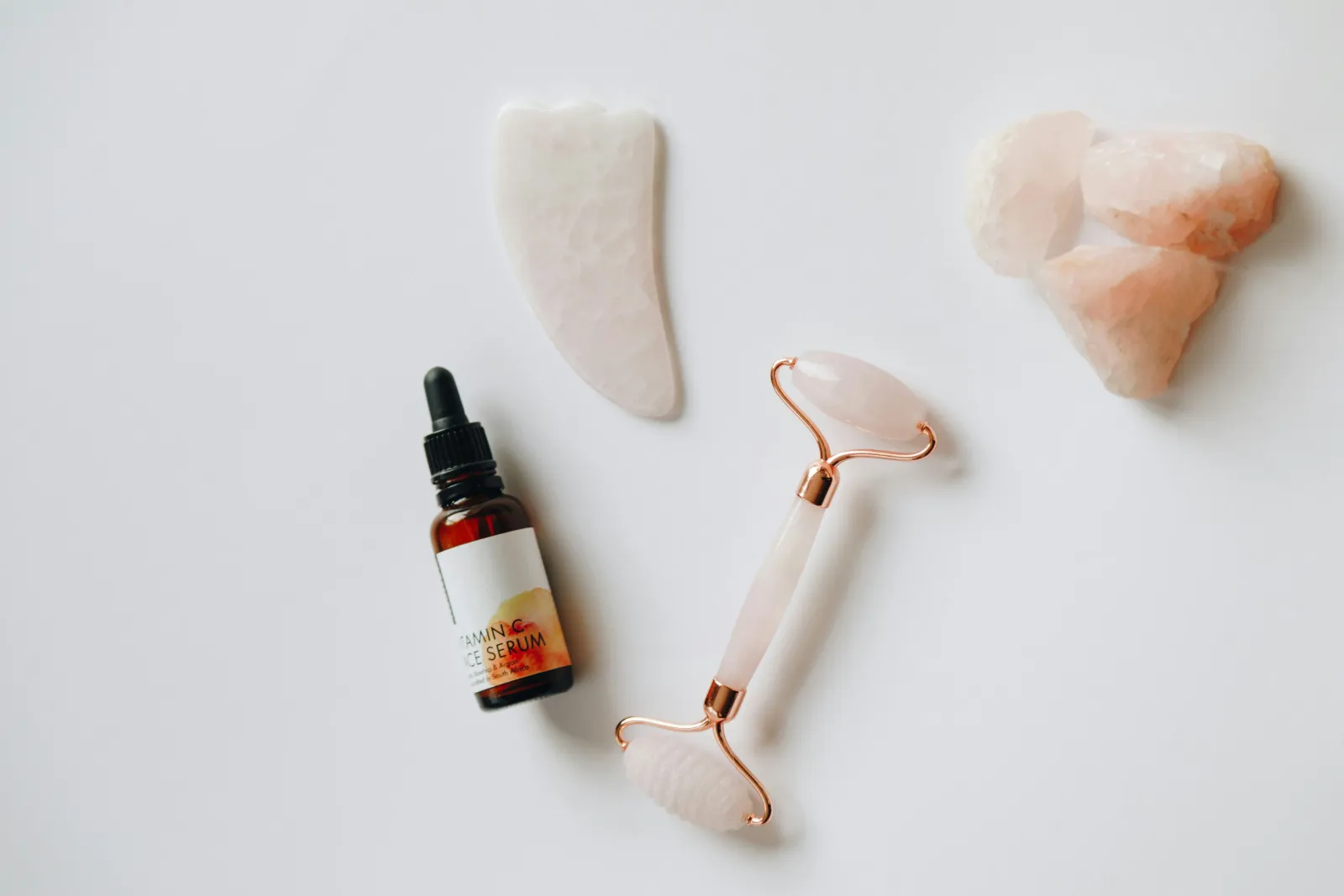
lead_image_alt: Rose quartz gua sha plate and facial roller alongside botanical serum on neutral surface
thumbnail: /images/stock/rose-quartz-gua-sha-roller-vitamin-c-serum-flatlay.webp
thumbnail_alt: Rose quartz gua sha plate and facial roller alongside botanical serum on neutral surface
author: Editorial Team
publish: true
Japanese Facial Gua Sha: Friction-Free Massage Guide
In recent years, the smooth curves of jade, rose quartz, and ceramic gua sha boards (kassa pureeto) have become staples of global skincare vanity tables. Yet, across social media, well-meaning beauty enthusiasts frequently make a painful and damaging mistake: digging stone edges aggressively into dry facial skin in an effort to "carve out" cheekbones.
In Japan, where aesthetic skincare is anchored in frictionless gentleness (masatsu-resu), facial gua sha follows a fundamentally different discipline. Tokyo estheticians view the face not as tough muscle to be kneaded, but as a delicate tapestry of fine capillaries and superficial lymph channels. By strictly requiring generous oil lubrication, holding the tool almost flat against the skin, and applying whisper-soft gliding motions, the Japanese method eases fluid retention and contours the jawline without stretching delicate facial tissues.
The Japanese Approach to Gua Sha: Gentle Drainage, Never Bruising
To understand the Japanese philosophy of facial gua sha, one must appreciate the distinction between body scraping and facial care:
Red Marks (Sha) Are Strictly Prohibited on the Face: In traditional Chinese body scraping, purposeful friction creates temporary red or purple petechiae (sha) to stimulate stagnant blood circulation. In Japanese facial aesthetics, creating red marks or bruising on facial tissue is considered traumatic damage that ruptures micro-vessels and induces hyperpigmentation.
Feather-Light Touch (Hatori-Atsu): Lymphatic fluid flows in shallow vessels immediately below the epidermis. Because these vessels collapse under heavy pressure, effective lymphatic drainage requires only the weight of the stone itself—roughly the pressure of brushing a feather across silk.
Directional Outward and Downward Flow: Japanese practitioners always glide outward toward the outer ear and downward along the neck, guiding excess fluid into the major lymphatic terminus at the collarbone (supraclavicular nodes).
Non-Negotiable Safety Rule: Zero Dry Friction and Slip Protection
The single most critical rule of Japanese facial gua sha is that a stone plate must never contact dry bare skin. Doing so creates severe mechanical drag that damages structural fibers:
1. The Critical Function of Slip (Facial Oil or Rich Cream)
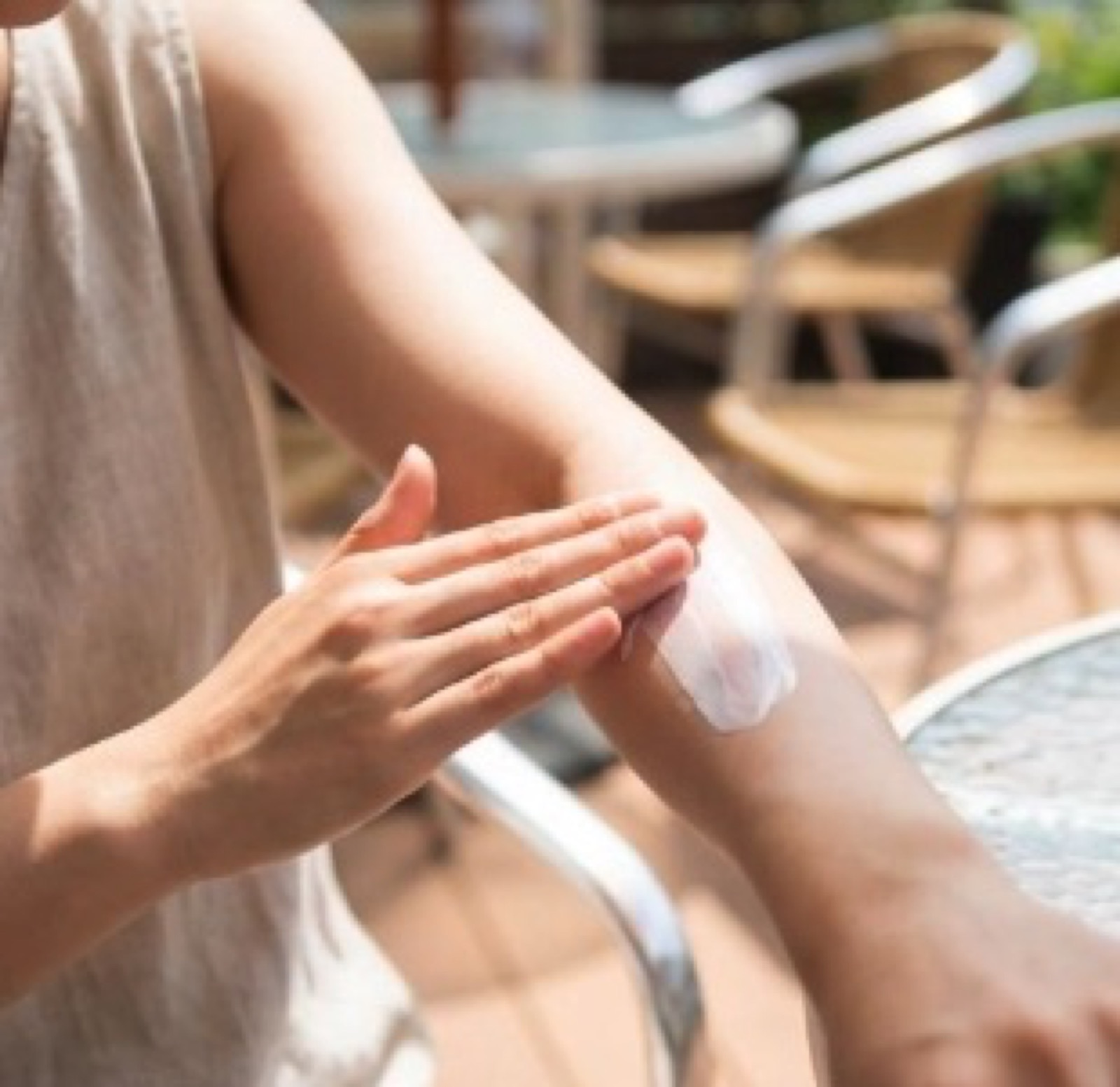
Before the tool touches your face, apply 4 to 6 drops of a lightweight facial oil—such as plant squalane, camellia (tsubaki) seed oil, or pure jojoba oil—or a thick massage cream. The plate must slide effortlessly over the skin surface. If you feel even the slightest drag or skin pulling, immediately apply more oil.
2. Guarding Against Friction Melanosis
Facial skin is exceptionally prone to post-inflammatory hyperpigmentation. Chronic mechanical rubbing stimulates melanocytes in the basal layer to produce excess melanin, leading to stubborn dark patches along the cheekbones and jawline known as friction melanosis.
3. Maintain a 15- to 45-Degree Tool Angle
Never hold the gua sha plate at a sharp 90-degree right angle to your face. Hold the stone nearly flat against the contours of your skin (between 15 and 45 degrees). This distributes pressure broadly and ensures the smooth, curved bevel carries the stroke.
The delicate lipid matrix of the epidermal stratum corneum experiences progressive natural functional deceleration over time[1], making barrier preservation through friction-free slip essential as skin matures.
Scroll horizontally to view more
Feature
Japanese Facial Gua Sha (*Kassa*)
Aggressive Body Scraping
Primary Objective
Gentle lymphatic drainage, de-puffing, and relaxation
Deep myofascial release and localized hyperemia
Applied Pressure
Feather-light (weight of the stone only)
Firm to heavy mechanical force
Skin Reaction
Zero redness, zero bruising, refreshed radiant glow
Intentional red petechiae (*sha*) and deep redness
Lubrication Standard
Abundant slip with facial oil or rich cream (mandatory)
Light oil or balm, occasionally dry scraping
Tool Angle
Flat to gentle angle (15°–45°) against skin
Steeper angle (60°–90°) concentrating edge force
Step-by-Step Japanese Lymphatic Drainage Sequence
Perform this calming ritual 2 to 3 times per week, taking slow, deliberate breaths. Each stroke should be repeated 3 to 5 times:
Step 1: Open the Clavicle Gateway
Rest the curved notch of your gua sha plate lightly in the hollow just above your collarbone. Pulse gently three times without sliding. Opening this terminal drainage point allows fluid from the head and neck to exit smoothly.
Step 2: Neck Drainage (Downward)
Using the long smooth edge of the plate, glide gently down the side of your neck—from just below your earlobe straight down to the collarbone. This clears the main lymphatic highway.
Step 3: Jawline Contour (Outward)
Place the V-notch of the plate at the center of your chin, cradling the jawbone. Glide outward toward the base of the ear with feather-light pressure. Wiggle the tool softly beneath the earlobe, then sweep downward along the neck to the collarbone.
Step 4: Cheekbone Sweep (Outward)
Using the widest flat curve of the plate, start beside the nose and glide outward across the cheekbone toward the hairline at the temple. Avoid pressing into the hollow under the eye.
Step 5: Forehead Smoothing (Upward and Outward)
Place the broad edge above your eyebrows and sweep upward toward the hairline, finishing with a gentle sweep from the center of the forehead outward to the temples.
Pairing daily daytime facial care with diligent morning broad-spectrum UV protection safeguards structural collagen from photoaging stress[2], preserving resilient contours from morning sunlight to nighttime recovery.
Natural stone plates (jade, quartz) and ceramic tools harbor facial oils, sloughed dead skin cells, and airborne microbes. Wash your tool thoroughly with warm water and mild, fragrance-free soap after every session, drying it with a clean microfiber cloth. Inspect edges periodically; discard any stone that develops micro-chips or rough nicks.
2. Warm Compress or Gentle Blotting
After completing your routine, you may leave nourishing oils on overnight if your skin is dry. If your skin is prone to congestion, place a lukewarm, damp cotton towel over your face for 20 seconds to steam, then gently blot away excess surface oil before applying your nighttime moisturizer.
Signs to Stop and When to Consult a Specialist
Because facial skin is delicate, heed these critical safety boundaries:
Bruising or Broken Capillaries: If you notice purple spots, red streaks, or spider veins (telangiectasia) forming along your cheeks or jawline, you are applying far too much pressure. Stop all tool massage immediately for at least 14 days to allow capillaries to recover.
Active Acne or Rosacea Flare-Ups: Never perform gua sha over active cystic acne, pustules, inflamed pimples, or flushing rosacea. Gliding a hard stone across active lesions spreads bacteria and exacerbates inflammatory swelling.
Tool Cleanliness Reactions: Excessive mechanical friction, unlubricated stone scraping, and rough tool edges can trigger acute contact irritation and post-inflammatory pigmentation[3]. Discontinue if red bumps or stinging sensations develop.
If skin bruising, persistent redness, or inflammatory bumps do not subside within 7 days, consult a board-certified dermatologist.
FAQ
Q1. How much pressure should I actually use during Japanese facial gua sha?
A. Use only the weight of the tool itself without pushing inward into the facial muscle.(Details)
Lymphatic vessels are microscopic and sit right below the skin surface. Pushing firmly compresses these vessels shut and bruises delicate capillaries. A feather-light, whispering glide is far more effective for drainage than heavy force.
Q2. Can I use a moisturizer instead of facial oil for gua sha?
A. Yes, provided it is a rich, slow-absorbing massage cream that maintains lasting slip.(Details)
Standard lightweight lotions absorb within seconds, leaving the skin dry and prone to severe tool dragging. If using cream, choose a rich cold cream or specialized Japanese massage cream designed to stay slippery throughout the routine.
Q3. How often should I practice Japanese facial gua sha?
A. Two to three times per week for 5 to 10 minutes is optimal.(Details)
Daily aggressive scraping can fatigue facial tissues and trigger chronic friction. Practicing two or three evenings a week allows lymphatic fluid to balance naturally without over-manipulating delicate skin structures.
Q4. Which stone material is recommended for Japanese facial massage?
A. Rose quartz, nephrite jade, and smooth porcelain ceramic are all excellent choices.(Details)
The material matters less than the smoothness and curvature of the edges. Japanese porcelain (*Arita-yaki* or *Mino-yaki*) ceramic plates are particularly popular in Tokyo salons for their flawless, non-porous finish and balanced weight.
Q5. Should I scrape upward or downward on my neck?
A. Always glide downward along the sides of the neck toward the collarbone.(Details)
Lymphatic fluid collected from the face must flow downward through cervical lymph chains into the venous system at the collarbone. Gliding upward on the sides of the neck pushes fluid back into the jawline.
Conclusion: Cherish Your Facial Contours with Mindful Japanese Grace
Japanese facial gua sha demonstrates that true beauty rituals are rooted in respect, mindfulness, and gentle consistency rather than forceful manipulation. By releasing the urge to scrape aggressively and embracing the art of friction-free lymphatic drainage, you encourage natural fluid balance and contour definition while safeguarding your skin’s long-term elasticity. With abundant slip, calibrated angles, and whisper-light gliding, your stone becomes a tranquil conduit for holistic renewal.
References
The Japanese Dermatological Association. Sunburn Q&A on Photoaging and Biological Alterations in Aging Skin (Q5). https://www.dermatol.or.jp/qa/qa2/q05.html (Accessed 2026-11-23)
The Japanese Dermatological Association. Dermatological Q&A on Sunscreen Application for Long-Term Prevention (Q25). https://www.dermatol.or.jp/qa/qa3/q25.html (Accessed 2026-11-23)
The Japanese Dermatological Association. Dermatological Q&A on Contact Irritation and Scalp Friction Mechanisms (Q1). https://www.dermatol.or.jp/qa/qa4/q01.html (Accessed 2026-11-23)
Disclaimer: This article is for general information and education about Japanese cosmetics and their labels. It is not a substitute for professional medical advice, diagnosis, or treatment. Skincare results vary from person to person. Product formulas, availability, prices, and regulations change, and products sold in Japan can differ from versions sold elsewhere, so always check the current label. Do a patch test before introducing a new product, and consult a doctor or dermatologist if you have a skin condition or specific concerns.