Japanese Facial Shaving Guide: Gentle Dermaplaning Routine
RoutinesBy Seibun Lab Editorial Team
title: Japanese Facial Shaving Guide: Gentle Dermaplaning Routine
slug: japanese-facial-shaving-razor-dermaplaning
category: routines
category_label: Routines
published_at: '2026-11-23'
updated_at: '2026-11-23'
meta_description: Master Japanese facial shaving (kaosori) for women. Learn 45-degree blade angles, pre-shave cushioning, soothing aftercare, and exfoliation rules.
description: Master Japanese facial shaving (kaosori) for women. Learn 45-degree blade angles, pre-shave cushioning, soothing aftercare, and exfoliation rules.
lead_image: /images/stock/clear-glowing-transparent-skin-texture.webp
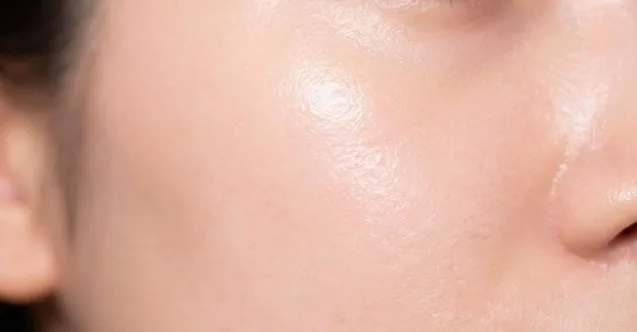
lead_image_alt: Close up of smooth radiant glowing skin texture following gentle Japanese facial shaving
thumbnail: /images/stock/clear-glowing-transparent-skin-texture.webp
thumbnail_alt: Close up of smooth radiant glowing skin texture following gentle Japanese facial shaving
author: Editorial Team
publish: true
Japanese Facial Shaving Guide: Gentle Dermaplaning Routine
In many Western countries, shaving one’s face was historically viewed as an exclusively male grooming task, while clinical dermaplaning was reserved for specialized dermatology spas. In Japan, however, women have practiced facial shaving (kaosori or ladies' shaving) for centuries as a regular cornerstone of clear, translucent skin care.
Unlike Western dermaplaning that often relies on bare surgical scalpels held by medical estheticians, Japanese home facial shaving utilizes specially engineered safety razors equipped with micro-guards (saido gaado). When performed with disciplined pre-care, precise blade angles, and diligent post-shave barrier nourishment, kaosori gently lifts dark peach fuzz and dull surface corneocytes, transforming the texture of your skin and allowing makeup to glide on smoothly.
The Tradition of Japanese Kaosori: More Than Just Hair Removal
To understand why Japanese women prioritize kaosori once or twice a month, one must look beyond simple hair removal:
Banishing the Gray Cast of Dark Vellus Hair: Because Japanese women naturally have dark brown or black hair, fine facial peach fuzz (ubage) casts a faint shadowy veil across the forehead, cheeks, and upper lip. Removing this fuzz instantly reveals a brighter, more luminous complexion.
Micro-Exfoliation of Stale Surface Cells: As we age, natural skin turnover decelerates, leaving dead keratinized cells clustered on the surface. A sharp, properly angled razor acts as a gentle physical exfoliator, clearing debris without the abrasive scrubbing of physical walnut scrubs.
Superior Makeup Adhesion: Without peach fuzz lifting foundation off the skin, lightweight Japanese tone-up sunscreens and BB creams adhere flush against the epidermis, preventing afternoon cakiness and settling.
Anatomy of Japanese Safety Razors: The Guarded Blade Difference
Japanese cosmetic cutlery brands (such as Kai and Feather) are revered globally for their surgical-grade stainless steel. Japanese facial razors feature crucial safety engineering:
1. Micro-Safety Guards (Saido Gaado)
Unlike unprotected Western dermaplaning blades that expose an open, sharp edge capable of deep cuts, Japanese facial razors feature microscopic comb-like ridges running along the cutting blade. These ridges prevent the sharp steel from biting into curved facial contours, drastically reducing the risk of nicks and scratches.
2. Specialized Blade Geometry (L-Shape vs. T-Shape)
L-Shaped Straight Razors: Designed with a slim, elongated head that offers clear visibility in the mirror. Excellent for broad flat zones like cheeks, temples, and the forehead.
Mini T-Shaped and Curved Eyebrow Razors: Feature compact heads (5 to 10 mm wide) engineered for tight, delicate zones such as the space between eyebrows, upper lip corners, and around the nostrils.
The delicate lipid matrix of the epidermal stratum corneum experiences progressive natural functional deceleration over time[1], making guarded, low-friction blade design essential for mature and sensitive skin.
Scroll horizontally to view more
Feature
Japanese Guarded Facial Razors
Unguarded Medical Scalpels
Blade Edge Design
Micro-grooved safety ridges preventing nicks
Bare, unprotected single-bevel surgical steel
User Environment
Designed for safe, relaxed home grooming
Designed for licensed clinic/spa treatments
Required Skill Level
Beginner-friendly with minimal cut risk
High; slip can cause lacerations or scarring
Handle Ergonomics
Textured, lightweight grip with swivel options
Flat stainless steel surgical handle
Skin Cushioning
Requires emulsion, cream, or facial oil
Often performed on dry, degreased bare skin
The 3-Phase Japanese Shaving Protocol: Pre-Care, Angle, and Glide
Adhering to correct technique ensures a smooth, nick-free experience:
Phase 1: Essential Pre-Care and Cushioning
Never shave dry, unprepared bare skin. Doing so drags the blade against dry keratin, causing severe irritation and microscopic tears:
Warm Cleansing: Wash your face with lukewarm water and a gentle foaming cleanser. You may place a warm, damp towel over your face for 60 seconds to soften coarse hair shafts.
The Cushioning Layer: Apply a generous layer of moisturizing emulsion (nyueki), facial massage cream, or a few drops of squalane oil. The blade must glide across a slippery protective barrier, never dry skin.
Phase 2: The 30° to 45° Blade Angle Rule
Hold the razor handle lightly between your thumb and index finger.
Tilt the blade at a gentle 30-degree to 45-degree angle relative to your skin surface.
Never hold the blade perpendicular (90 degrees), as scraping at a right angle gouges the epidermal barrier.
Never press inward. Let the sharp edge do the work with feather-light touch.
Phase 3: Skin Tensioning and Downward Gliding
With the fingers of your opposite hand, gently pull the skin taut in the opposite direction of your stroke. Creating a flat, firm surface prevents the razor from catching on skin folds.
Always shave downward in the direction of hair growth (with the grain) using short, controlled strokes (1 to 2 cm in length).
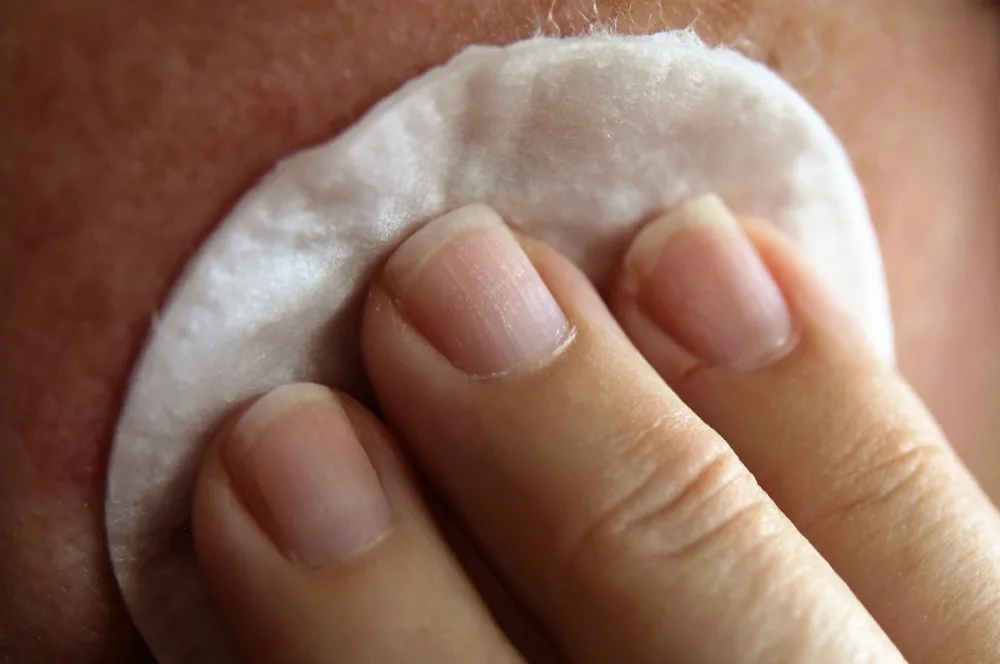
Wipe accumulated peach fuzz and cream from the blade onto a soft tissue after every two strokes.
Mandatory Aftercare: Barrier Replenishment and UV Protection
Facial shaving temporarily thins the outermost dead layer of the stratum corneum, increasing susceptibility to moisture evaporation and environmental stress:
1. Immediate Soothing and Alcohol-Free Hydration
Rinse away remaining shaving emulsion with cool water to soothe the skin. Immediately press multiple layers of a mild, alcohol-free toner containing Dipotassium Glycyrrhizate (GK2) or cica into your complexion, followed by a ceramide-rich moisturizer to seal in hydration.
2. The 48-Hour Active Ingredient Pause
For 48 hours following a kaosori session, strictly avoid:
Chemical exfoliating acids (Glycolic acid, Salicylic acid, Lactic acid)
Pure Retinol or strong Vitamin A derivatives
Vitamin C serums with acidic pH levels (below pH 3.5)
Physical facial scrubs or abrasive cleansing brushes
3. Diligent Sunscreen Protection
Because newly exposed epidermal cells are particularly sensitive to UV rays, apply a broad-spectrum mineral or chemical sunscreen every morning without fail.
Pairing gentle weekly facial shaving with diligent morning broad-spectrum UV protection safeguards vulnerable stratum corneum layers from photoaging stress[2], preserving radiant translucency and skin barrier integrity.
Signs to Stop and When to Consult a Specialist
While kaosori is safe when practiced with guarded blades, respect these clear safety limits:
Active Acne Pustules or Broken Skin: Never shave over active whiteheads, inflamed cystic blemishes, open cuts, or cold sores. The razor will slice through active lesions, spreading infectious bacteria across your face.
Razor Burn or Folliculitis: Blunt blade scraping, unlubricated dry shaving, and aggressive mechanical pressure can trigger acute razor burn, micro-abrasions, and contact dermatitis[3]. If red bumps, burning heat, or stinging occurs, pause all shaving for at least 3 weeks.
Blade Disposal Rule: Japanese safety razors are intended for 2 to 3 uses maximum. Replace blades as soon as you feel any tugging, as dull edges cause hair pull trauma.
If skin redness, weeping irritation, or folliculitis bumps persist past 7 days, seek professional consultation from a board-certified dermatologist.
FAQ
Q1. Will shaving my facial peach fuzz make it grow back thicker or darker?
A. No, facial shaving has zero biological effect on hair follicle thickness or pigment.(Details)
Shaving simply cuts the hair shaft at the skin surface where the hair is blunt, which can temporarily feel coarser to the touch for a day or two. The underlying follicle diameter and melanin production remain completely unchanged.
Q2. How often should I perform Japanese facial shaving?
A. Once every 2 to 4 weeks is the recommended frequency for most skin types.(Details)
Because facial shaving acts as an effective physical exfoliant, shaving more frequently than once every two weeks can strip healthy stratum corneum layers, leading to redness and barrier compromise.
Q3. Can I shave my face dry if I am in a hurry?
A. No, dry shaving is the primary cause of razor burn, nicks, and barrier irritation.(Details)
Dry bare skin creates severe mechanical drag. Always apply a slippery barrier—such as cleansing emulsion, cold cream, or light squalane oil—to cushion blade glide and protect skin integrity.
Q4. Which direction should I shave: with the grain or against the grain?
A. Always shave downward in the direction of hair growth (with the grain).(Details)
Shaving against the grain lifts hair at an aggressive angle, greatly increasing the risk of razor burn, ingrown hairs, and micro-cuts. Downward strokes provide a gentle, close shave with minimal friction.
Q5. What is the difference between an eyebrow razor and a face razor?
A. Eyebrow razors have compact blades for tight contours, while face razors have longer blades.(Details)
Face razors feature an elongated L-shaped blade (about 3 to 4 cm long) to cover broad areas like cheeks and foreheads efficiently. Eyebrow razors feature a micro-head (5 to 10 mm) designed for pinpoint precision around the brows and lip contours.
Conclusion: Luminous Transparency Through Mindful Kaosori
Japanese facial shaving proves that radiant, smooth skin does not require harsh chemical peels or aggressive abrasion. By combining the thoughtful engineering of micro-guarded razors with disciplined 45-degree blade angles, generous emulsion cushioning, and calming aftercare, you reveal a refined canvas of translucent clarity. Approach your kaosori sessions with slow, meditative care, and enjoy the effortless glow of healthy, fuzz-free skin.
References
The Japanese Dermatological Association. Sunburn Q&A on Photoaging and Biological Alterations in Aging Skin (Q5). https://www.dermatol.or.jp/qa/qa2/q05.html (Accessed 2026-11-23)
The Japanese Dermatological Association. Dermatological Q&A on Sunscreen Application for Long-Term Prevention (Q25). https://www.dermatol.or.jp/qa/qa3/q25.html (Accessed 2026-11-23)
The Japanese Dermatological Association. Dermatological Q&A on Contact Irritation and Scalp Friction Mechanisms (Q1). https://www.dermatol.or.jp/qa/qa4/q01.html (Accessed 2026-11-23)
Disclaimer: This article is for general information and education about Japanese cosmetics and their labels. It is not a substitute for professional medical advice, diagnosis, or treatment. Skincare results vary from person to person. Product formulas, availability, prices, and regulations change, and products sold in Japan can differ from versions sold elsewhere, so always check the current label. Do a patch test before introducing a new product, and consult a doctor or dermatologist if you have a skin condition or specific concerns.