Japanese Finishing Powder: Pearlescent vs Matte Guide
RoutinesBy Seibun Lab Editorial Team
title: Japanese Finishing Powder: Pearlescent vs Matte Guide
slug: japanese-finishing-powder-pearlescent-vs-matte
category: routines
category_label: Routines
published_at: '2026-11-24'
updated_at: '2026-11-24'
meta_description: Learn how to choose between Japanese pearlescent and matte finishing powders. Discover targeted zone mapping, oil control, and pore-smoothing techniques.
description: Learn how to choose between Japanese pearlescent and matte finishing powders. Discover targeted zone mapping, oil control, and pore-smoothing techniques.
lead_image: /images/stock/essential-makeup-brushes-and-sheer-application.webp
lead_image_alt: Fine Japanese setting powders and delicate application brushes on a clean vanity
thumbnail: /images/stock/essential-makeup-brushes-and-sheer-application.webp
thumbnail_alt: Fine Japanese setting powders and delicate application brushes on a clean vanity
author: Editorial Team
publish: true
Japanese Finishing Powder: Pearlescent vs Matte Guide
In the Japanese beauty landscape (J-beauty), facial powder is not merely a setting veil designed to lock foundation in place. It serves as an optical filter that defines the entire atmosphere (fun'iki) of the complexion. Two primary textures dominate Japanese drugstores and department store counters: luminous pearlescent powders (paaru-iri or glow finish) and velvety matte powders (matto finish).
Choosing between these finishes is rarely an either-or decision. In Japanese professional beauty routines, artists strategically combine both textures across different facial zones. This targeted mapping reduces unwanted midday oiliness while preserving radiant, youthfully hydrated dimension. Understanding the formulation science, light reflection properties, and specialized tools behind each powder type will help refine your everyday makeup routine.
The Formulation Science: How Light Interacts with Powder Particles
The visual difference between pearlescent and matte finishes arises from cosmetic mineral engineering and surface reflection dynamics:
1. Matte Formulations: Total Sebum Absorption and Soft Blurring
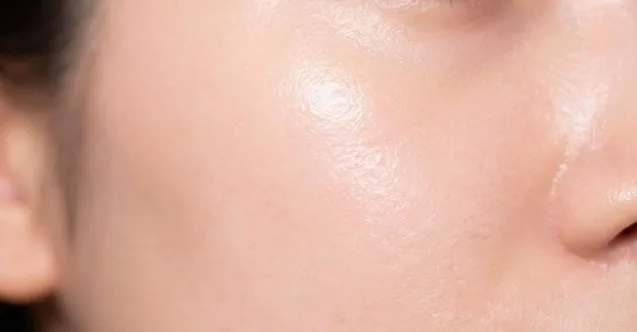
Matte Japanese face powders utilize ultra-light spherical silica, spherical nylon powders, and pharmaceutical-grade talc. These microscopic spheres scatter incoming light rays in multiple directions (diffuse reflection), minimizing the appearance of dermal indentations and prominent pore walls. Furthermore, porous silica particles act like microscopic sponges that absorb sebum secretions throughout the day, preventing oil oxidation while the delicate epidermal stratum corneum experiences progressive natural functional deceleration over time[1].
2. Pearlescent Formulations: Specular Reflection and Translucent Glow
Pearlescent Japanese powders incorporate flat plate-like mica platelets coated with microscopic layers of titanium dioxide or synthetic fluorphlogopite (synthetic mica). Instead of scattering light randomly, these planar structures reflect light uniformly (specular reflection), creating a soft, dimensional sheen reminiscent of fine Japanese silk. Pairing translucent powder with daily morning broad-spectrum UV protection shields vulnerable skin from photoaging stress while enhancing clarity (tomeikan)[2].
Key Differences: Pearlescent vs Matte Powders Compared
The following comparison clarifies how each formulation behaves across skin types, facial zones, and seasonal climates:
Humid Japanese summers, rainy seasons, active wear
Visual Result
Translucent glow, plump hydration aesthetic
Porcelain finish, long-lasting matte barrier
Professional Zone Mapping: The Hybrid Japanese Application Technique
Japanese professional makeup artists frequently apply both finishes simultaneously to sculpt natural facial architecture without heavy bronzers or harsh contour creams:
Step 1: Target Sebum Hotspots with Matte Powder
After liquid base or BB cream application, use a dense velour powder puff (pafu) to press a small amount of translucent matte powder onto the center of the forehead, the bridge and sides of the nose, and the hollow of the chin. Gently folding the puff allows precise placement into the crevices around the nostrils. Pressing—rather than wiping—anchors the base makeup and locks down shine.
Step 2: Veil the High Points with Pearlescent Powder
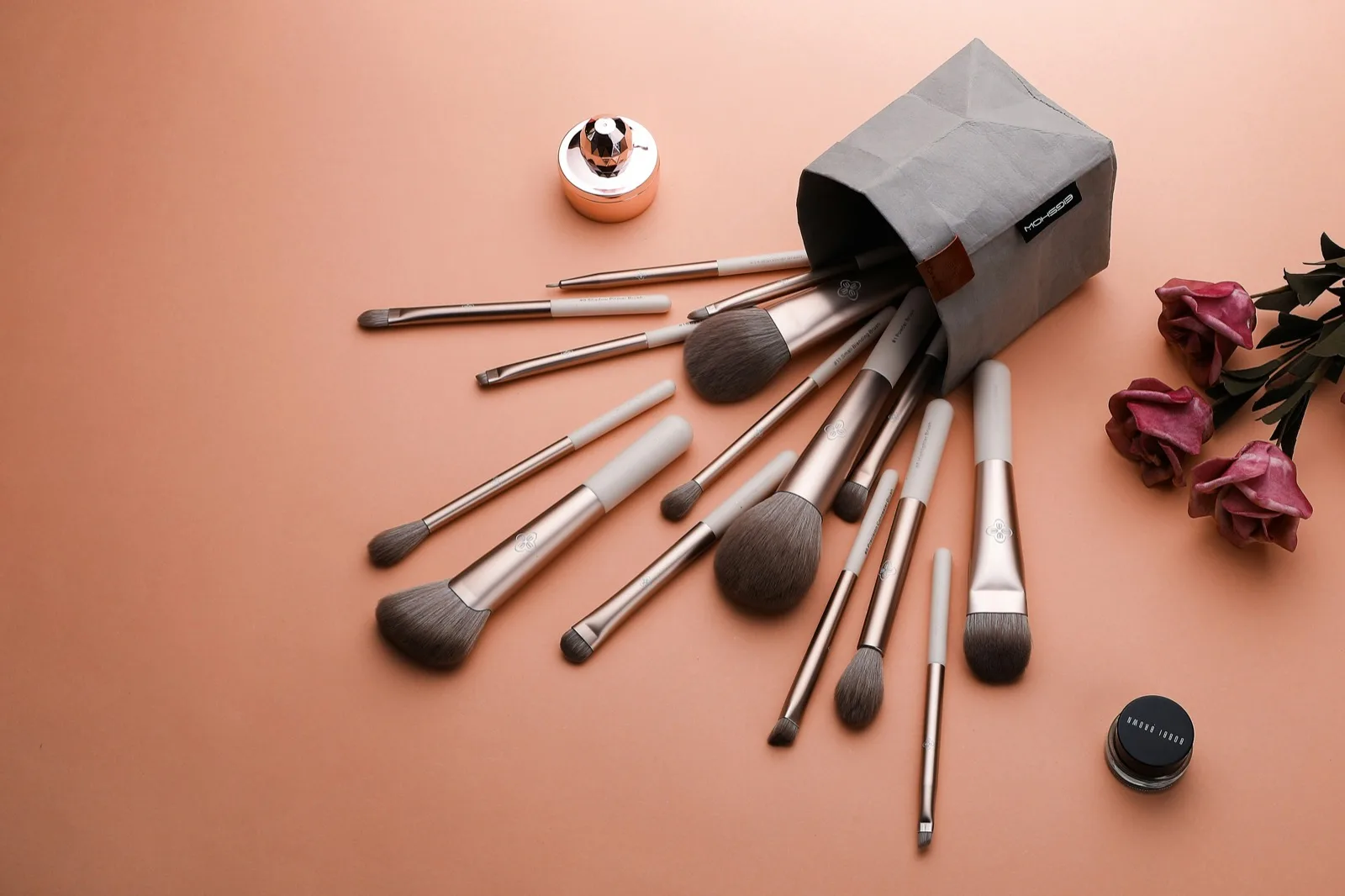
Dip a large, loosely bound dome powder brush into loose pearlescent powder. Tap off the excess powder onto the back of your hand to distribute the particles evenly through the bristles. Dust the powder in light, upward strokes across the upper cheekbones, temple arches, and collarbones. This creates a fresh, youthful vitality that catches daylight dynamically as you move.
Step 3: Polish with a Clean Buffing Brush
Use a clean, fluffy kabuki brush to buff the boundaries where matte and pearlescent zones meet. Buffing smooths away stray powder grains, melds the textures into the underlying skincare, and prevents any powdery cast on the face.
Choosing Between Loose Powder and Pressed Compacts
When browsing Japanese beauty counters, both pearlescent and matte formulas appear in two distinct packaging forms:
Loose Powder (Rusu Pauda): Contains light, airy particles that provide the sheerest, most natural finish. Ideal for morning home application where a fluffy puff or large brush can disperse the product evenly.
Pressed Compact (Purekuto Pauda): Compressed into a solid pan with botanical binders and emollients. Perfect for midday touch-ups, travel bags, and blotting targeted shine without powder dust spilling onto clothing.
Common Application Mistakes and How to Avoid Them
Even high-performance Japanese powders can yield suboptimal results if applied incorrectly:
Over-Applying Pearlescent Powder Over Textured Breakouts: Reflective minerals draw visual attention to surface bumps. Keep pearlescent formulas strictly on smooth cheek planes and avoid active blemishes or large pore clusters.
Applying Matte Powder Directly Over Dry Flakes: Mattifying silica can cling to dehydrated epidermal patches. Ensure thorough hydration with a ceramide lotion or emulsion prior to base makeup.
Overloading the Applicator: Dipping a puff directly into powder and immediately stamping it onto the cheek can cause patchy caking. Always work the powder deeply into the puff fabric before touching the face.
Signs to Stop and When to Consult a Specialist
While Japanese mineral and setting powders are formulated under rigorous safety standards, allergic responses or mechanical irritation can arise in sensitive individuals:
Signs of Contact Sensitivity: If you experience persistent itching, stinging, sudden follicular bumps, or localized erythema after applying a new powder, discontinue use immediately.
Sebum Gland Congestion: If fine micro-particles are not thoroughly removed each evening with proper double cleansing, cosmetic residue can contribute to comedone formation.
Medical Consultation: Unvetted botanical extracts in unfamiliar cosmetics and heavily fragranced topical formulas can trigger acute contact irritation; if redness or dry flaking persists, consult a dermatologist[3].
FAQ
Q1. Can oily skin types wear pearlescent finishing powder?
A. Yes, by confining pearlescent powder strictly to the high cheekbones.(Details)
Individuals with oily skin can enjoy a luminous finish by applying matte powder to the T-zone, nose, and chin, while reserving a delicate sweep of pearlescent powder exclusively for the high perimeter of the cheekbones and outer temple bones.
Q2. Does Japanese finishing powder leave a white cast in flash photography?
A. Most Japanese micro-milled powders do not leave a white cast when blended properly.(Details)
Traditional white casts occur when high concentrations of coarse silica or titanium dioxide are heavily layered. Japanese translucent powders use finely micro-milled spherical particles and tinted undertones (such as lavender, soft beige, or pale yellow) that melt sheerly into the skin without chalky flash reflection.
Q3. Should I use a puff or a brush for applying finishing powder?
A. Use a plush puff for long-lasting matte hold and a fluffy brush for airy radiance.(Details)
A plush velour puff presses powder firmly against the skin, maximizing sebum control and smoothing enlarged pores. A loose, dome-shaped brush distributes powder sparsely, making it the superior tool for sheer pearlescent veils and lightweight finishing.
Q4. Can finishing powder be used over bare skin without foundation?
A. Yes, Japanese powders work beautifully over sunscreen or bare moisturized skin.(Details)
In Japanese no-makeup makeup routines, finishing powder is often applied directly over clear or tinted sunscreen. Matte powder tempers sunscreen shine and stickiness, while pearlescent powder imparts a refined, bare-skin glow for everyday casual outings.
Q5. How do lavender and pink tinted finishing powders work?
A. Colored finishing powders utilize optical color correction to neutralize dullness.(Details)
Lavender (*murasaki*) powders optically neutralize sallow, yellowish undertones to boost visible skin clarity (*tomeikan*). Soft baby pink powders impart subtle healthy warmth to fatigued, pale complexions without shifting the natural skin tone.
Summary and Next Steps
Choosing between pearlescent and matte Japanese finishing powders comes down to optical preference and facial geography:
Assess Your Skin Texture: Lean toward velvety matte formulations for oil-prone zones and prominent pores; select luminous pearlescent formulas for dry, flat, or dull skin areas.
Embrace Dual-Zone Placement: Press matte powder into the T-zone and sweep pearlescent powder across the cheekbone arches to achieve dimensional balance.
Master Tool Selection: Pair velour puffs with matte powders for enduring adhesion, and fluffy brushes with pearlescent powders for sheer diffusion.
Cleanse Thoroughly: Remove mineral powders each evening with a gentle oil or balm cleanser followed by a foaming wash to maintain clear skin health.
References
The Japanese Dermatological Association. Sunburn Q&A on Photoaging and Biological Alterations in Aging Skin (Q5). https://www.dermatol.or.jp/qa/qa2/q05.html (Accessed 2026-11-24)
The Japanese Dermatological Association. Dermatological Q&A on Sunscreen Application for Long-Term Prevention (Q25). https://www.dermatol.or.jp/qa/qa3/q25.html (Accessed 2026-11-24)
The Japanese Dermatological Association. Dermatological Q&A on Contact Irritation and Scalp Friction Mechanisms (Q1). https://www.dermatol.or.jp/qa/qa4/q01.html (Accessed 2026-11-24)
Disclaimer: This article is for general information and education about Japanese cosmetics and their labels. It is not a substitute for professional medical advice, diagnosis, or treatment. Skincare results vary from person to person. Product formulas, availability, prices, and regulations change, and products sold in Japan can differ from versions sold elsewhere, so always check the current label. Do a patch test before introducing a new product, and consult a doctor or dermatologist if you have a skin condition or specific concerns.