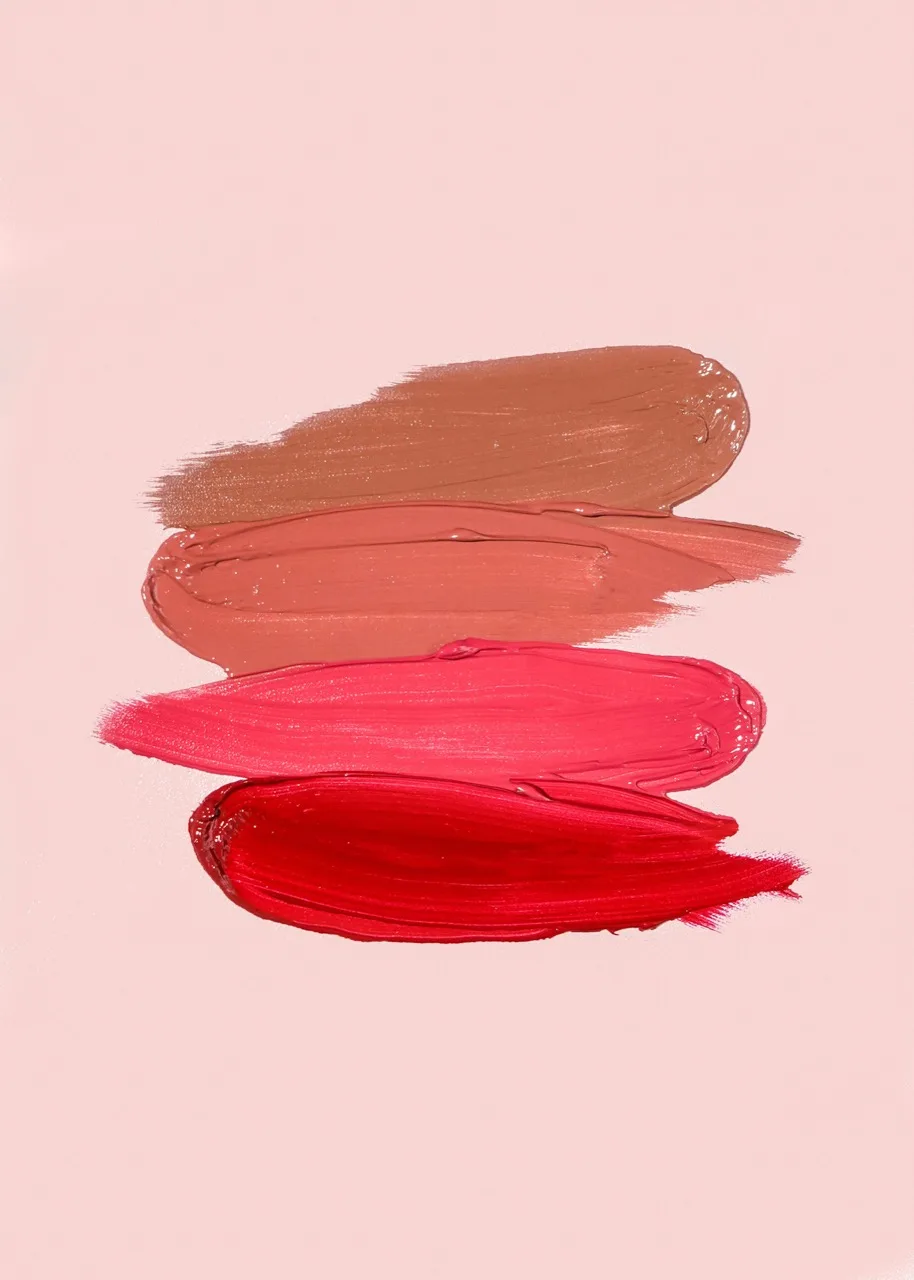
title: Japanese Glossy Lip Gloss: Non-Sticky Shine Guide slug: japanese-glossy-lip-gloss-non-sticky-shine category: routines category_label: Routines & Guides published_at: '2026-11-23' updated_at: '2026-11-23' meta_description: Discover how Japanese glossy lip glosses achieve a glassy shine without heavy stickiness. Learn oil-in-water polymer science, layering tips, and lip care. description: Discover how Japanese glossy lip glosses achieve a glassy shine without heavy stickiness. Learn oil-in-water polymer science, layering tips, and lip care. hero_image: /images/stock/liquid-lip-color-swatches-pink.webp hero_image_alt: Glossy pink lip color swatches on glass reflecting glass-like non-sticky shine thumbnail: /images/stock/liquid-lip-color-swatches-pink.webp thumbnail_alt: Glossy pink lip color swatches on glass reflecting glass-like non-sticky shine reading_time: 6 author: Editorial Team publish: true
Japanese Glossy Lip Gloss: Non-Sticky Shine Guide
Quick answer
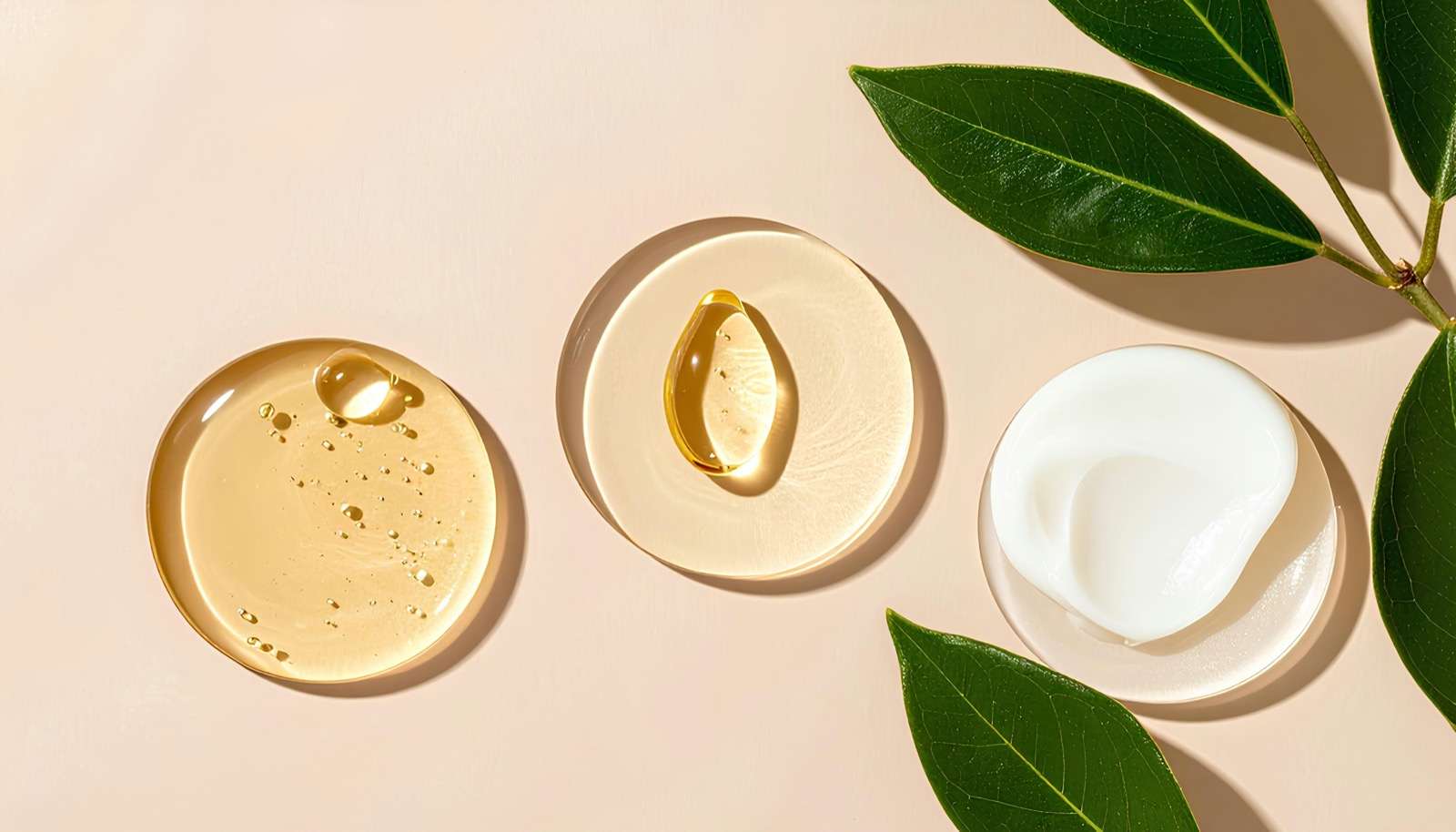
Japanese glossy lip glosses achieve brilliant glass-like shine without unpleasant stickiness by utilizing high-refractive-index ester oils suspended in lightweight silicone elastomer networks. Rather than coating lips in heavy polybutene glues, Japanese formulas form a self-leveling moisture film (uru-tsuya) infused with skin-identical lipids like squalane and ceramides, delivering plumping optical reflection alongside weightless daily comfort.
For decades, the phrase "lip gloss" evoked a familiar sensory dilemma: brilliant, mirror-like reflection achieved at the price of gloopy heaviness, hair clinging to the mouth on windy sidewalks, and an uncomfortable tacky residue. In contrast, Japanese beauty formulators have pioneered an entirely distinct category of lip products that prioritize cushiony, weightless comfort (saratto uruou).
In modern Tokyo beauty culture, achieving plump, glass-like lips is not about suffocating the vermilion border under thick wax. Instead, Japanese cosmetic chemists leverage high-refractive-index optics, volatile silicone carriers, and skincare emollients to produce a long-lasting, lustrous sheen that feels as breathable as a nourishing serum. Here is an in-depth guide to the physical chemistry of Japanese non-sticky gloss, how it integrates into the subtraction makeup philosophy, and how to maintain healthy, supple lips.
The Chemistry of Non-Sticky Reflection: How Japanese Formulas Differ
To avoid the glue-like sensation characteristic of traditional Western glosses, Japanese laboratories re-engineered the vehicle base:
1. High Refractive Index Esters vs. Heavy Polybutenes
Traditional long-wear glosses rely on heavy concentrations of high-molecular-weight polybutene or petrolatum to trap light. While reflective, these dense hydrocarbon chains create significant tactile tack. Japanese formulas replace dense resins with purified synthetic esters (such as diisostearyl malate and polyglyceryl derivatives) that possess an exceptionally high refractive index (above 1.48) to reflect incoming photons without thick viscous drag.
2. Three-Dimensional Elastomer Gel Networks
Japanese glosses suspend light oils within flexible cross-linked silicone elastomer networks. When applied across the lips, the elastomer matrix self-levels across fine vertical lip lines (tate-jiwa), creating an optically smooth, uniform surface that bounces light diffusely like freshly polished glass.
Medical authorities recommend daily sunscreen application as an essential preventive measure to shield cellular DNA against cumulative photoaging and long-term damage.[2] Applying moisturizing lip gloss containing UV-filtering agents shields the delicate labial border from chronic solar radiation throughout daytime exposure.
Lip Physiology: Why Lightweight Moisture Matters
The skin of the lips differs fundamentally from facial skin:
- No Sebaceous or Sweat Glands: The vermilion zone completely lacks oil glands and hair follicles, meaning it cannot produce an endogenous protective hydrolipidic barrier.
- Extremely Thin Stratum Corneum: While cheek skin features 12 to 16 cellular layers of dead keratinocytes, the labial surface features only 3 to 5 layers.
- Rapid Transepidermal Water Loss (TEWL): Lips lose moisture roughly three times faster than facial cheeks.
When heavy, sticky glosses peel away or dry out, they can strip delicate labial squames, provoking peeling and irritation. Japanese formulas prioritize skincare-first ingredients, loading glosses with plant squalane, rice bran oil, jojoba esters, and pseudo-ceramides that restore moisture while imparting mirror shine.
Detailed Comparison: Classic Thick Gloss vs. Japanese Serum Gloss vs. Lip Oil
The table below contrasts the tactile and visual attributes of global lip shine formats:
Scroll horizontally to view full table
| Attribute | Classic Heavy Lip Gloss | Japanese Serum Gloss | Pure Botanical Lip Oil |
|---|---|---|---|
| Base Composition | Dense polybutene and thick mineral petrolatum | Micro-elastomer gel, high-index esters, squalane | Unrefined botanical triglycerides |
| Tactile Sensation | Tacky, viscous, heavy on the lips | Cushiony, slick, completely non-sticky | Thin, fluid, slipping texture |
| Optical Finish | High-shine, vinyl-plastic sheen | Translucent, juicy water-reflection (*uru-tsuya*) | Soft dewy sheen; absorbs quickly |
| Wear Longevity | High adhesion but prone to clumping | Even, flexible wear without ring-lines | Short wear; absorbs within 60 minutes |
| Hydration Benefits | Surface occlusion only; limited stratum corneum hydration | Active barrier replenishment and moisture lock | Nourishing lipid delivery |