Japanese Hair Milk vs. Hair Oil: Differences & Layering
RoutinesBy Editorial Team
title: Japanese Hair Milk vs. Hair Oil: Differences & Layering
slug: japanese-hair-milk-vs-hair-oil-styling-difference
category: routines
published_at: '2026-11-23'
updated_at: '2026-11-23'
meta_description: Discover whether to choose Japanese hair milk or hair oil based on hair porosity, damage levels, and the Tokyo salon sandwich layering technique.
keywords:
japanese hair milk vs hair oil
hair milk layering technique
japanese leave in conditioner
j-beauty hair styling
fino hair oil orbis hair milk
lead_image: /images/stock/japanese-hair-oil-vs-milk-textures-swatches.webp
lead_image_alt: Japanese hair milk and hair oil texture comparison swatches illustrating hydration and shine differences
author: Editorial Team
publish: true
Japanese Hair Milk vs. Hair Oil: Differences & Layering
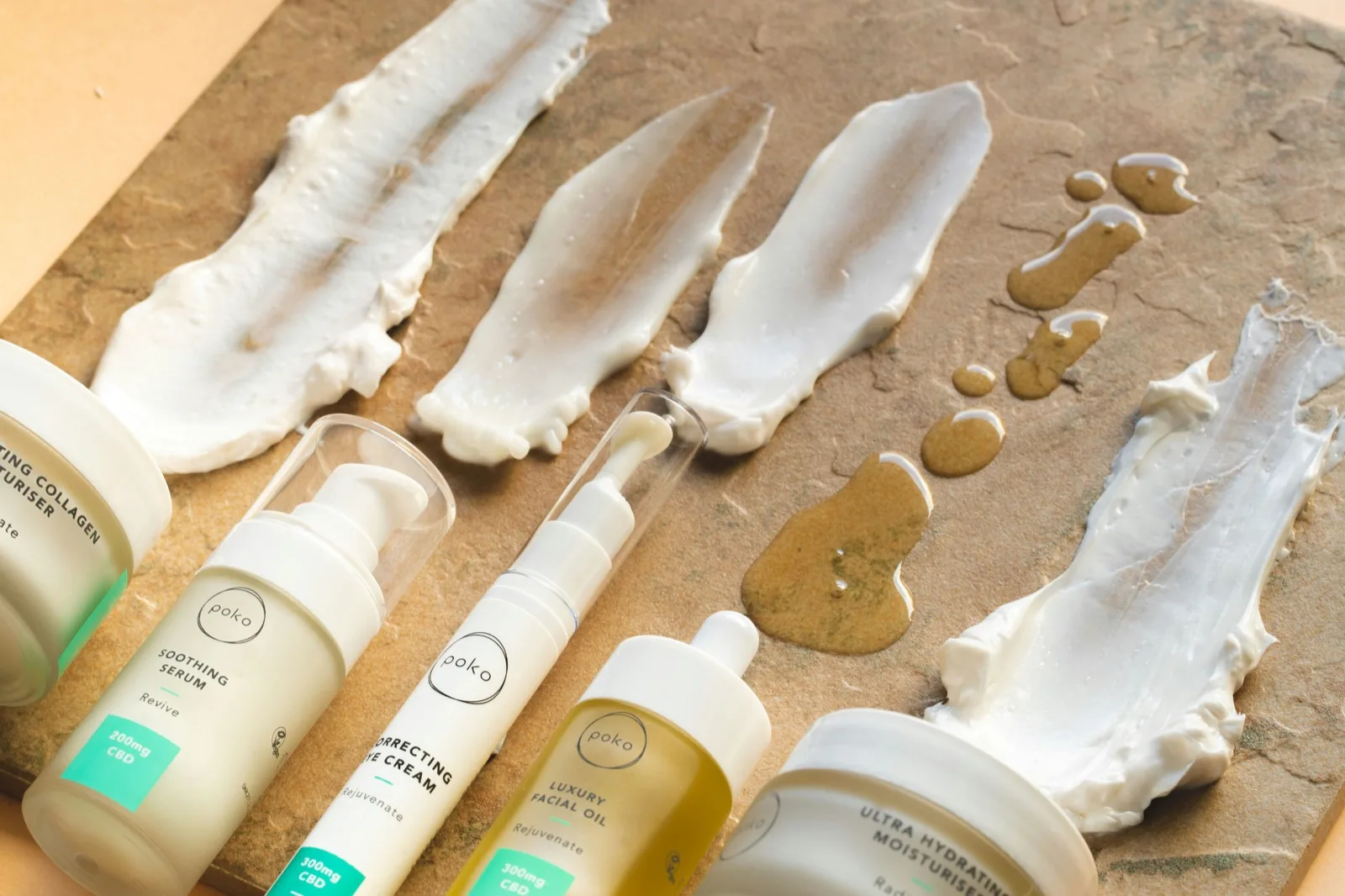
Walk into any Japanese drugstore or beauty boutique, and you will find an entire wall dedicated to leave-in hair treatments (nagasanaitoritomento). Two dominant formulas anchor Japanese post-shower care: lightweight emulsion lotions known as hair milk (hea miruku) and lustrous botanical or silicone serums known as hair oil (hea oiru).
While Western hair care routines often regard hair oil as a universal catch-all, Japanese salon philosophy views milk and oil as fundamentally complementary formulas designed for separate hair layers. One hydrates from within; the other shields from without. Understanding their structural differences—and mastering the celebrated Japanese "layering technique"—can transform coarse, unruly strands into silky, touchable glass hair.
Quick answer: Japanese hair milk is a water-in-oil or oil-in-water emulsion loaded with ceramides and humectants designed to absorb into parched cortex fibers and restore internal softness. In contrast, Japanese hair oil forms a protective hydrophobic barrier over the external cuticle to seal in moisture and impart radiant surface shine. For maximum benefits, Tokyo stylists recommend layering milk first on damp hair, followed by oil to lock it in.
Hair Milk vs. Hair Oil: What Is the Structural Difference?
The difference between hair milk and hair oil comes down to molecular composition and where each formula travels within the hair shaft:
Japanese Hair Milk (Hydration & Softening): Composed of both purified water and emulsified cosmetic oils. Water-binding humectants (such as hyaluronic acid, amino acids, and glycerin) absorb through microscopic cuticle fissures into the hair cortex, softening stiff, dry fibers from the inside out.
Japanese Hair Oil (Cuticle Shield & Gloss): Formulated primarily with plant lipids (such as camellia or argan oil) and lightweight dimethicones. Because oil is hydrophobic, it remains on the outer cuticle surface, smoothing down ruffled scales, reflecting light for brilliant shine, and shielding hair from environmental humidity.
Comparison Table: Which Formula Fits Your Hair Type?
Choosing between hair milk and hair oil depends on your strand diameter, natural porosity, and styling habits.
Scroll horizontally to view full table
Factor
Japanese Hair Milk
Japanese Hair Oil
Layering (Both Combined)
Core Function
Internal moisture & cortex hydration
Surface smoothing, heat shield & shine
Full cortex conditioning + moisture lock
Ideal Hair Density
Fine, limp, or low-porosity hair
Thick, coarse, or unruly hair
Color-treated, heat-stressed, or frizzy hair
Primary Application
Damp hair before blow-drying
Dry styling finish or heat protection
Milk on damp hair; oil on dry ends
Finish & Feel
Airy, soft, touchable, weightless
Glossy, sleek, reflective, polished
Plump, salon-soft with glass shine
Risk of Overuse
Rarely weighs hair down
Can look greasy if over-applied
Requires precise droplet dosing
The Japanese Salon Layering Technique: Milk First, Oil Second
In Tokyo hair salons, stylists rarely ask clients to pick just one formula. Instead, they utilize the "W-Care" or "sandwich" application method.
Japanese hair care authorities confirm that the fundamental salon rule is to apply hair milk first, followed by hair oil[2]. If you apply oil first, its hydrophobic film blocks hydrating milk humectants from entering the cuticle.
Step 1: Gentle Towel Blotting
Drying begins right at the towel stage. Dermatologists emphasize that gentle handling prevents micro-tears; resist the temptation to scrub your skin because scrubbing irritates the skin[1], and the same principle applies to hair cuticles. Hoyu hair experts remind us that after shampooing, gently remove excess moisture with a towel before applying hair milk[2] so water droplets do not dilute the product.
Step 2: Apply Hydrating Hair Milk
Dispense one to two pumps of hair milk into your palms. Rub hands together to distribute evenly across fingertips. Salon guidelines stress to blend hair milk thoroughly focusing on the mid-lengths down to the ends of the hair[2], avoiding roots to prevent heavy buildup.
Step 3: Blow-Dry with Downward Airflow
Dry your hair using warm airflow aimed diagonally downward from roots to ends. This encourages cuticles to lie flat as water evaporates.
Step 4: Seal Cuticles with a Droplet of Hair Oil
Once hair is 90% to 100% dry, dispense half a pump of Japanese hair oil. Warm it between your palms, then lightly press through the bottom third of your hair. This locks in the internal hydration delivered by the milk and provides an all-day reflective shield.
Signs to stop and when to see a doctor
While leave-in cosmetic hair products are gentle, skin sensitivities around the neck and scalp can occur:
Discontinue use immediately if you develop contact dermatitis, redness, or itching along your neck, jawline, or upper back where coated hair touches skin.
If you accidentally apply rich hair oil directly to the scalp and experience inflamed folliculitis bumps or tender pimples, cease oil use and cleanse with gentle clarifying shampoo.
Always handle damp hair with care; dermatologists recommend you rinse with lukewarm water and pat dry with a soft towel[1] rather than aggressively rubbing wet fibers.
If scalp burning, unexplained patchy hair shedding, or persistent rash develops, consult a board-certified dermatologist.
FAQ
Q1. Can I use Japanese hair milk on dry hair in the morning?
A. Yes, hair milk works wonderfully to reset morning bedhead.(Details)
Because hair milk contains water and humectants, smoothing half a pump over dry morning strands instantly relaxes bent hydrogen bonds, smooths morning frizz, and restores supple bounce without making hair feel stiff or crunchy.
Q2. Will hair oil make fine or thin hair look greasy?
A. Heavy oils can, but Japanese featherweight oils prevent stringiness.(Details)
If you have fine hair, use hair milk as your primary daily leave-in conditioner. If you still desire surface shine, choose a lightweight Japanese hair oil, apply only one single drop exclusively to the extreme ends, and keep hands well away from the scalp zone.
Q3. Should I apply hair oil before using a curling wand or flat iron?
A. Only use formulas specifically labeled as heat-protectant oils.(Details)
Applying standard raw cooking or botanical oils directly before a 180°C hot iron can cause sizzling that fractures cuticles. Ensure your Japanese hair oil is formulated specifically as a heat defense serum, or apply standard oils only after thermal styling is complete.
Q4. What is the difference between hair milk and leave-in conditioner spray?
A. Sprays are watery surface detanglers; milks are rich conditioning emulsions.(Details)
Hair water sprays consist predominantly of liquid humectants and detangling agents ideal for refreshing curls or light combs. Hair milk contains a deliberate balance of emollient plant lipids and cream bases that provide deeper, long-lasting softening for dry hair.
Q5. Can I mix hair milk and hair oil together in my palm?
A. Sequential layering works better than premixing in your hand.(Details)
While cocktailing them together is harmless, applying them sequentially yields superior results. Applying hair milk first ensures water-soluble nutrients infuse into the hair cuticle unhindered, allowing the subsequent oil application to form an unbroken outer sealant.
Summary
In the Japanese hair care tradition, hair milk and hair oil are not rivals—they are partners. Milk provides the quenching inner drink that parched, colored, or heat-styled hair fibers crave, while oil furnishes the waterproof topcoat that guards against friction and humidity. By embracing the Tokyo salon philosophy of applying milk on damp hair and finishing with lightweight oil, you can enjoy weightless softness, natural bounce, and radiant, mirror-like shine every day.
Disclaimer: This article is for general information and education about Japanese cosmetics and their labels. It is not a substitute for professional medical advice, diagnosis, or treatment. Skincare results vary from person to person. Product formulas, availability, prices, and regulations change, and products sold in Japan can differ from versions sold elsewhere, so always check the current label. Do a patch test before introducing a new product, and consult a doctor or dermatologist if you have a skin condition or specific concerns.