Japanese Head Spa Mist: Relaxation & Aromatherapy Guide
RoutinesBy Editorial Team
title: Japanese Head Spa Mist: Relaxation & Aromatherapy Guide
slug: japanese-head-spa-mist-relaxation-aromatherapy
category: routines
published_at: '2026-11-23'
updated_at: '2026-11-23'
meta_description: Discover how Japanese head spa aromatherapy mists infused with hinoki and yuzu ease nervous tension, hydrate cranial skin, and elevate at-home rituals.
keywords:
japanese head spa mist
aromatherapy scalp mist
hinoki yuzu scalp care
estessimo head spa japan
autonomic nervous system relaxation
lead_image: /images/stock/essential-oil-bottles-white-flowers-spa.webp
lead_image_alt: Essential oil glass bottles and delicate white flowers in a peaceful Japanese aromatherapy spa setting
author: Editorial Team
publish: true
Japanese Head Spa Mist: Relaxation & Aromatherapy Guide
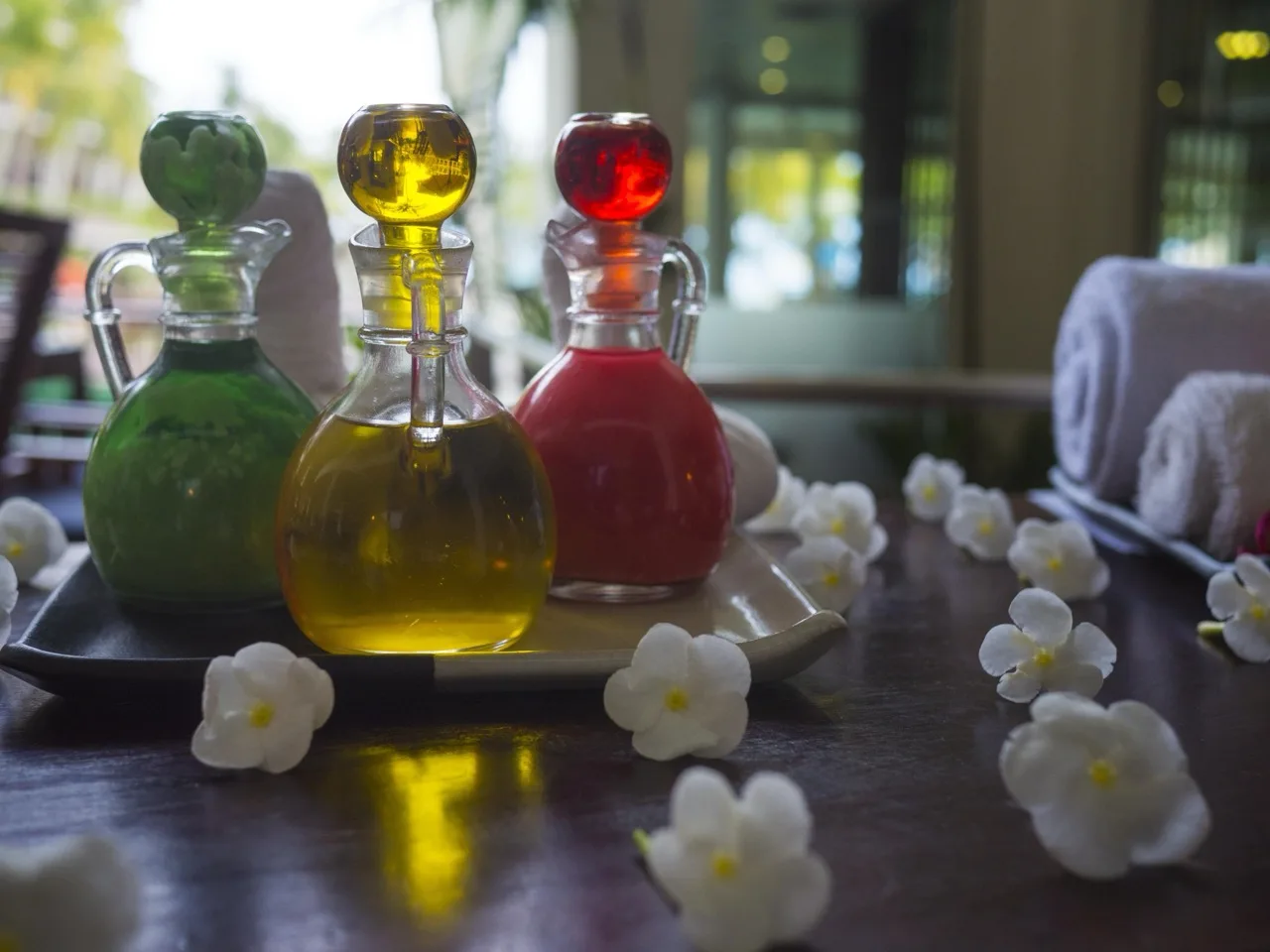
Step inside an upscale aesthetic salon in Tokyo, and you will notice that the iconic Japanese head spa (heddo supa) is never approached as a mere hair wash. It is engineered as a holistic neuro-sensory therapy. Before a single drop of shampoo touches the scalp, a gentle canopy of micro-fine ultrasonic mist blankets the cranium, carrying the grounding aromas of Japanese forest timber and citrus groves.
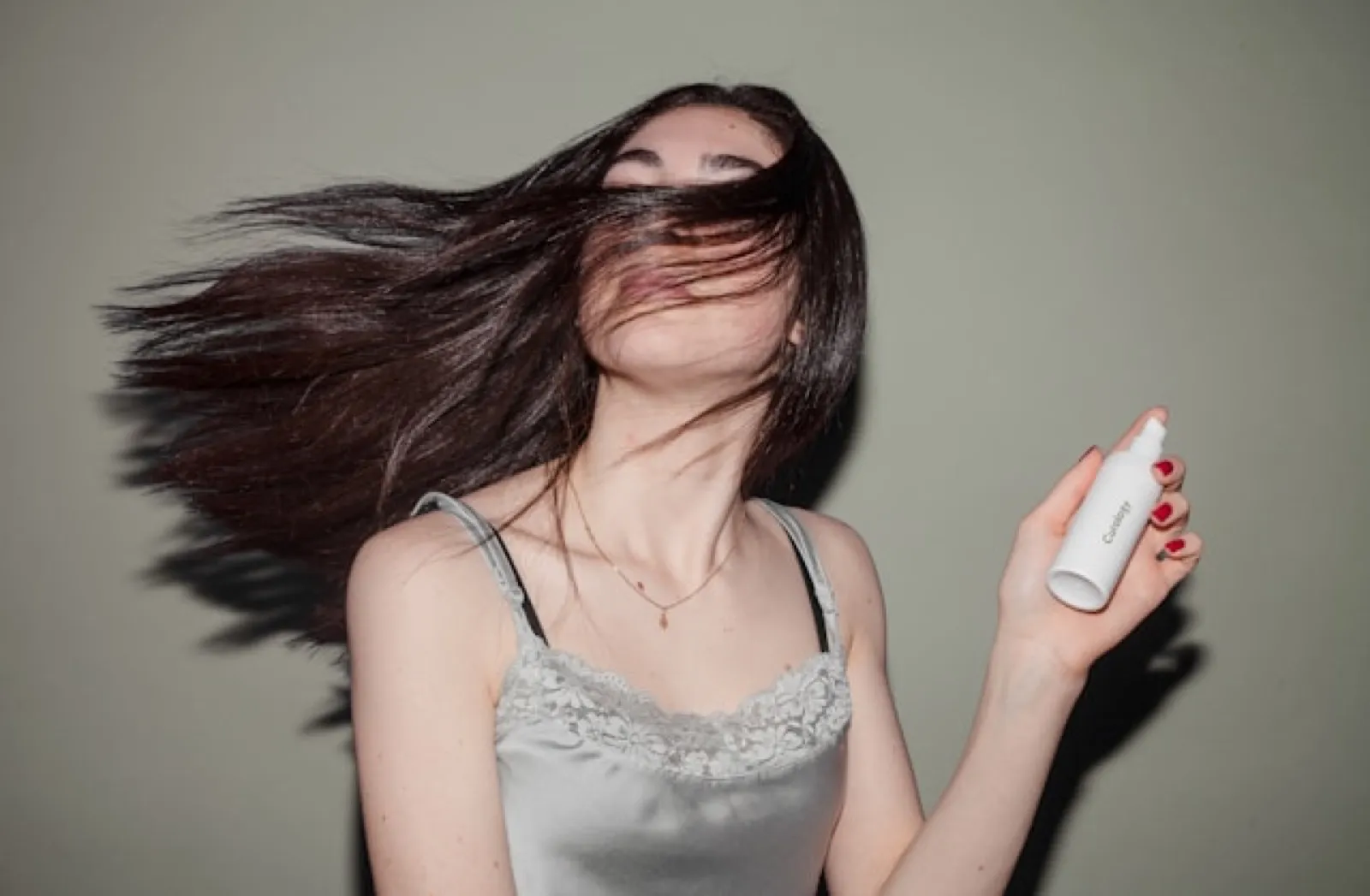
Central to this mindful ritual is the Japanese head spa mist (heddo supa misuto)—a dual-purpose botanical lotion that hydrates the scalp barrier while utilizing functional aromatherapy. By harnessing indigenous Japanese essential oils like Japanese cypress (hinoki), citrus (yuzu), and Japanese cedar (sugi), these fine mists engage the olfactory system to soothe the autonomic nervous system, down-regulate physical stress, and ease cranial muscular tightness.
Quick answer: A Japanese head spa mist is a leave-in scalp lotion delivered via ultra-fine spray that blends humectants (such as hyaluronic acid and trehalose) with traditional Japanese essential oils (hinoki cypress, yuzu citrus, kuromoji, and mint). Applied before or after head massage, it hydrates the cranial epidermis while stimulating the olfactory nerve, helping transition the body from sympathetic fight-or-flight into restorative parasympathetic relaxation.
The Olfactory-Cranial Connection: How Japanese Scents Calm the Body
Why do Japanese head spa masters place equal importance on botanical fragrance and physical massage? The explanation lies in neuroanatomy:
Direct Limbic Engagement: The olfactory bulb is the only sensory pathway with an immediate, unmediated connection to the amygdala and hippocampus—the emotional and autonomic control hubs of the brain. Japanese salon authorities emphasize welcoming guests into the world of head spa with aromas designed to liberate the mind[2] before physical touch begins.
Phytoncide Calming from Hinoki: Japanese cypress (Chamaecyparis obtusa) is naturally rich in alpha-pinene and cadinol. Breathing in these wood volatiles triggers the parasympathetic nervous system, lowering salivary cortisol levels and inducing the serene tranquility associated with forest bathing (shinrin-yoku).
Yuzu Citrus Refreshment: Cold-pressed oil from Japanese yuzu contains high concentrations of limonene, which promotes gentle localized micro-circulation across tight scalp muscles without irritating delicate skin.
Comparison Table: Head Spa Mist vs. Traditional Scalp Tonic vs. Pillow Mist
Understanding how a Japanese head spa mist differs from clinical hair tonics and simple linen fragrances ensures proper product selection:
Scroll horizontally to view full table
Feature
Japanese Head Spa Mist
Clinical Alcohol-Based Tonic
Aromatherapy Bedding / Linen Mist
Primary Purpose
Autonomic relaxation & scalp barrier hydration
Stimulating hair roots & sebum reduction
Fabric scenting & bedroom ambiance
Application Target
Directly onto scalp skin & hair roots
Focal thinning zones on scalp
Pillowcases, sheets, and room air
Base Chemistry
Water-based humectants & natural botanical oils
High ethanol solvent with clinical actives
Alcohol or water base with fragrance oils
Skin Safety
Calibrated for delicate scalp stratum corneum
Can sting sensitive or dry scalps
Not formulated for direct leave-on scalp use
Sensory Finish
Lightweight, non-sticky, airy, refreshing
Sharp tingle; rapid evaporation
Aromatic; leaves fabric damp if over-sprayed
Step-by-Step: Recreating an Authentic Japanese Head Spa at Home
You do not need a luxury salon appointment to experience the neuro-calming benefits of an aromatherapy head spa. Recreating this ritual at home takes fewer than five minutes.
Step 1: Pre-Mist Inhalation
Before spraying, hold the mist bottle near your face, close your eyes, and depress one pump into the air. Take two deep, slow diaphragmatic breaths through your nose to register the calming forest wood or citrus notes.
Step 2: Sectional Scalp Application
Create three parts along your hair (center part, left temple, and right temple). Spray the fine mist directly onto the scalp from approximately 10 centimeters away. Ensure the mist touches the skin rather than sitting solely on surface hair strands.
Step 3: Decelerating Acupressure Massage
Place the pads of your fingers on the sides of your head above your ears. Japanese head spa methodology emphasizes that gradually slowing down the rhythm guides the client into deep relaxation[2]. Start with small circular motions, then slowly lengthen each press to four seconds, moving toward the crown.
Step 4: Gentle Drying
In everyday hair hygiene, dermatological guidance highlights the importance of non-abrasive handling; remember to resist the temptation to scrub your skin because scrubbing irritates the skin[1]. If misting after an evening bath, dermatologists advise that you rinse with lukewarm water and pat dry with a soft towel[1] before misting and drying roots with warm airflow.
Signs to stop and when to see a doctor
While authentic Japanese head spa mists utilize gentle, naturally derived botanicals, aromatherapy components require mindful use:
Discontinue use immediately if you develop skin redness, hives, or stinging sensations after applying essential oil-infused mists.
Avoid spraying scented botanical mists directly onto open wounds, broken scalp skin, active psoriasis plaques, or acute eczema flares.
Do not spray near the eyes. If mist accidentally drifts into the eyes, flush thoroughly with clean lukewarm water.
If persistent scalp tenderness, severe itching, or sudden hair shedding occurs, consult a board-certified dermatologist for clinical guidance.
FAQ
Q1. Can I use a Japanese head spa mist on dry hair during the workday?
A. Yes, it acts as an excellent 2-minute desk reset for mental fatigue.(Details)
Japanese head spa mists are formulated with ultra-light water bases that dry without leaving hair oily or messy. Spritzing your crown and temples during mid-afternoon screen fatigue eases headache tension and refreshes focus through botanical olfactory stimulation.
Q2. Will citrus essential oils like yuzu cause photosensitivity in sunlight?
A. Reputable Japanese formulas use steam-distilled or bergapten-free oils.(Details)
While raw expressed citrus oils contain furocoumarins that react with UV light, cosmetic scalp mists formulated in Japan utilize steam-distilled or furanocoumarin-free yuzu extracts, ensuring they are safe for daytime indoor and outdoor use.
Q3. Can I use an essential oil room spray on my scalp instead?
A. No, room sprays lack skin-grade solubilizers and scalp humectants.(Details)
Room and linen sprays often use high alcohol concentrations or synthetic fragrances that can disrupt the delicate scalp microbiome and cause severe contact irritation. Always choose dedicated scalp cosmetic mists designed for skin contact.
Q4. How often should I apply an aromatherapy scalp mist?
A. Daily evening use is ideal, plus optional daytime stress resets.(Details)
Because these mists are lightweight and non-occlusive, they can be used once or twice daily. Incorporating them into your post-shower evening routine or before bedtime promotes deep, restful sleep and consistent scalp hydration.
Q5. What is the difference between hinoki and kuromoji scents?
A. Hinoki smells like fresh Japanese cypress timber; kuromoji is spicy and floral.(Details)
Hinoki (*Chamaecyparis obtusa*) delivers a clean, grounding, woody aroma reminiscent of sacred hot spring baths. Kuromoji (*Lindera umbellata*) is a fragrant mountain shrub known as the "rosewood of Japan," offering an exquisite balance of linalool-rich citrus, spice, and soft floral notes.
Summary
The Japanese head spa mist transforms everyday scalp care into an intentional mental sanctuary. By uniting the physiological benefits of lightweight hydration with the neuro-relaxing science of authentic Japanese aromatics—hinoki, yuzu, and kuromoji—this elegant practice dissolves accumulated mental stress while nourishing the roots of healthy hair. Embrace this mindful J-beauty ritual to ground your senses and discover serene balance in your daily wellness journey.
Disclaimer: This article is for general information and education about Japanese cosmetics and their labels. It is not a substitute for professional medical advice, diagnosis, or treatment. Skincare results vary from person to person. Product formulas, availability, prices, and regulations change, and products sold in Japan can differ from versions sold elsewhere, so always check the current label. Do a patch test before introducing a new product, and consult a doctor or dermatologist if you have a skin condition or specific concerns.