Japanese Heat Protectant Hair Mist: Humidity Defense
RoutinesBy Editorial Team
title: Japanese Heat Protectant Hair Mist: Humidity Defense
slug: japanese-heat-protectant-hair-mist-humidity
category: routines
published_at: '2026-11-23'
updated_at: '2026-11-23'
meta_description: Discover how Japanese heat protectant hair water mists shield strands from thermal styling and summer humidity, locking in smooth glass hair all day.
keywords:
japanese heat protectant hair mist
j-beauty humidity hair mist
essential water treatment japan
thermal styling shield hair water
anti-frizz blow dry lotion
lead_image: /images/stock/japanese-hair-scalp-uv-protection-hero.webp
lead_image_alt: Serene woman with glossy hair protected against environmental humidity and thermal styling heat
author: Editorial Team
publish: true
Japanese Heat Protectant Hair Mist: Humidity Defense
Anyone who has spent June or July in Tokyo knows the unforgiving reality of the Japanese rainy season (tsuyu). With ambient relative humidity regularly soaring past 85%, meticulously straightened bangs and polished salon blowouts quickly swell, frizz, and collapse into unruly waves within minutes of stepping outside.
To conquer this annual meteorological challenge, Japanese beauty laboratories have pioneered ultra-lightweight heat protectant hair mists—frequently marketed as "beauty water treatments" (mizu torītomento) or thermal styling lotions. Unlike heavy Western silicone serums or sticky alcohol-based aerosol sprays that weigh down fine strands, Japanese hair mists utilize heat-activated polymers and micro-emulsified lipids to transform blow-dryer heat into a durable, moisture-repellent armor.
Quick answer: A Japanese heat protectant hair mist is a featherweight, water-based leave-in conditioning spray formulated with heat-reactive polymers (such as gamma-docosalactone and 18-MEA mimics). When activated by a hair dryer or flat iron, it cross-links with hair keratin to create an invisible, waterproof shield that repels atmospheric humidity, accelerates drying time, and prevents thermal damage.
The Chemistry of Humidity Frizz: Why Japanese Mists Use Thermal Cross-Linking
Why does humid air turn smooth hair into unruly frizz? The answer lies in temporary hydrogen bonds:
Hydrogen Bond Disruption: Human hair fibers are shaped by two primary bonds: structural disulfide bonds and temporary hydrogen bonds. When you blow-dry or flat-iron hair, you temporarily set hydrogen bonds in a straight alignment. However, when atmospheric water vapor enters the hair cortex, these hydrogen bonds randomly break and reform, reverting strands back to their natural kinked or frizzy state.
The Heat-Activated Shield: Japanese heat protectants incorporate plant-derived lipids such as gamma-docosalactone (often called Elcalactone). When exposed to heat above 60°C during blow-drying, this ingredient undergoes a chemical reaction that bonds firmly to hair amino groups, forming a hydrophobic layer that blocks airborne moisture.
Surface Lipid Restoration (18-MEA): Healthy virgin cuticles are coated with a natural lipid called 18-methyleicosanoic acid (18-MEA). Chemical coloring and heat strip this lipid away. Japanese mists replenish 18-MEA mimics, restoring the cuticle's natural water-shedding properties.
Comparison Table: Japanese Hair Mist vs. Traditional Hair Oil vs. Hairspray
Examine how an anti-humidity Japanese heat protectant mist compares to traditional styling products:
Scroll horizontally to view full table
Factor
Japanese Heat Protectant Hair Mist
Traditional Heavy Hair Oil
Anti-Humidity Hairspray
Core Mechanism
Heat-reactive polymer cross-linking + 18-MEA
Hydrophobic surface lipid coating
Surface plastic resin grid adhesion
Texture on Hair
Weightless, watery, airy, zero residue
Sleek, glossy, can feel heavy or greasy
Firm, crisp, occasionally crunchy
Application Timing
Damp hair before blow-drying
Damp or dry hair; caution before 180°C irons
Final step on finished dry hair
Blow-Dry Time
Accelerates drying by shedding water beads
Neutral or slightly slower drying
Not applicable (used post-styling)
Reapplication
Easy morning refresh without buildup
Can accumulate if re-applied daily
Requires brushing out; risks flaking
Step-by-Step: How to Apply a Japanese Heat Protectant Mist for Glass Hair
To maximize anti-humidity resilience, correct application on clean, damp strands is essential before any heat touches your hair.
Step 1: Gentle Towel Blotting
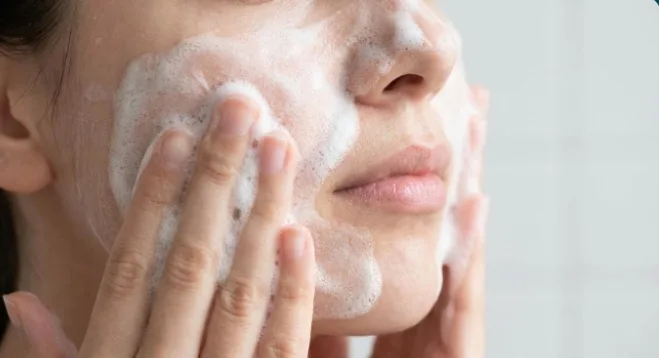
After washing, gently press a soft cotton towel against your hair to soak up pooling water. Dermatological advice emphasizes gentle handling; remember to resist the temptation to scrub your skin because scrubbing irritates the skin[1], and aggressive hair rubbing equally shears off delicate cuticle scales.
Step 2: Generous Sectional Spritzing
Divide damp hair into three sections (left, right, and crown). Hold the mist spray 15 centimeters away and mist thoroughly from roots to ends. Laboratory data from leading Japanese brands indicates that the formula conditions and prevents damage caused by heat and friction[2] during subsequent brushing.
Step 3: Finger-Comb Distribution
Run your fingers through your hair to ensure the conditioning mist coats inner layers, where atmospheric humidity typically infiltrates first. Clinical product evaluations confirm that the treatment accelerates blow-dry time and makes bedhead less likely to form[2] by expelling trapped water droplets faster.
Step 4: Blow-Dry with Downward Tension
Aim your blow-dryer nozzle diagonally downward along the hair shaft. Use a paddle brush or tension round brush to smooth cuticles as heat activates the protective cross-linking polymers. Once dry, your hair will possess an invisible moisture-proof barrier that resists rainy-day swelling.
Signs to stop and when to see a doctor
While heat protectant water mists are formulated for maximum lightness, skin near the hairline and neck requires gentle observation:
In everyday cleansing routines, dermatologists advise that you rinse with lukewarm water and pat dry with a soft towel[1] to maintain barrier integrity.
Discontinue use immediately if you develop contact redness, tiny bumps, or itching along the hairline, neck, or ears where mist contacts skin.
Do not spray directly into eyes or open wounds. If mist enters the eyes, flush thoroughly with clean lukewarm water.
If persistent scalp irritation, heavy burning, or unexpected hair breakage occurs, consult a board-certified dermatologist for a medical assessment.
FAQ
Q1. Can I use a Japanese heat protectant mist on dry hair before a flat iron?
A. Most mists are designed for damp hair, but light misting on dry hair works if dried first.(Details)
Never apply a 180°C to 200°C flat iron directly onto wet hair, as trapped water instantly boils and creates cortex-fracturing steam bubbles (known as bubble hair). If using on dry hair, spray lightly, wait 60 seconds until completely dry to the touch, and then pass the iron through.
Q2. How does a heat protectant mist speed up blow-dry time?
A. Hydrophobic polymers break surface tension, causing water droplets to repel and evaporate quickly.(Details)
Japanese water treatments contain fast-evaporating delivery agents that lower the surface tension of water clinging to hair cuticles. Instead of soaking deep into the core, water beads coalesce on the surface and blow away faster under warm airflow.
Q3. Can I layer a hair oil on top of a heat protectant mist?
A. Yes, layering oil over mist creates the ultimate double moisture seal.(Details)
Japanese salon routines frequently practice sequential layering: apply the watery heat protectant mist first to hydrate inner cortex layers, followed by a pea-sized drop of hair oil on the dry ends to add a radiant surface sheen.
Q4. Does heat protectant mist work on fine or limp hair?
A. Yes, water mists are the ideal heat protectant for fine hair because they lack heavy silicones.(Details)
Fine and low-density hair types often turn stringy or greasy when coated with heavy heat oils. Japanese water mists deliver thermal defense and humidity resistance without depositing dense wax or heavy dimethicones, preserving natural root bounce.
Q5. How long does the anti-humidity protection last?
A. A single heat-activated application shields hair from morning until evening.(Details)
Because the heat-activated polymers cross-link directly onto hair cuticles, the protective hydrophobic barrier remains stable throughout the day. It will hold off ambient drizzle and high humidity until your next shampoo wash.
Summary
The Japanese heat protectant hair mist is an indispensable secret for anyone battling frizzy, humidity-sensitive hair. By replacing heavy, suffocating oils with featherweight water chemistry and heat-activated cross-linking lipids, this smart J-beauty innovation turns styling heat into a protective advantage. Integrate this simple pre-blowout step into your routine to enjoy silky, touchable glass hair that remains effortlessly smooth through the muggiest summer days.
Disclaimer: This article is for general information and education about Japanese cosmetics and their labels. It is not a substitute for professional medical advice, diagnosis, or treatment. Skincare results vary from person to person. Product formulas, availability, prices, and regulations change, and products sold in Japan can differ from versions sold elsewhere, so always check the current label. Do a patch test before introducing a new product, and consult a doctor or dermatologist if you have a skin condition or specific concerns.