Japanese Lip Brush vs Direct Application: J-Beauty Guide
RoutinesBy Seibun Lab Editorial Team
title: Japanese Lip Brush vs Direct Application: J-Beauty Guide
slug: japanese-lip-brush-vs-direct-application-technique
category: routines
category_label: Routines
published_at: '2026-11-23'
updated_at: '2026-11-23'
meta_description: Compare Japanese lip brush technique with direct bullet application. Learn Kumano brush precision, gradient blending, pigment longevity, and lip care.
description: Compare Japanese lip brush technique with direct bullet application. Learn Kumano brush precision, gradient blending, pigment longevity, and lip care.
lead_image: /images/stock/makeup-lip-brush-application-step.webp
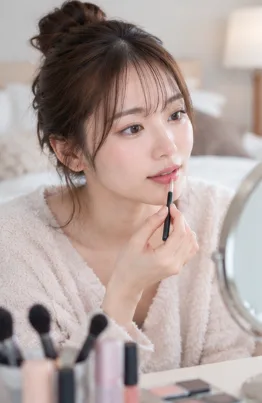
lead_image_alt: Professional Japanese lip brush applying subtle pink lipstick with precision to lips
thumbnail: /images/stock/makeup-lip-brush-application-step.webp
thumbnail_alt: Professional Japanese lip brush applying subtle pink lipstick with precision to lips
author: Editorial Team
publish: true
Japanese Lip Brush vs Direct Application: J-Beauty Guide
When applying lipstick, most people instinctively reach for the tube and swipe it directly across their lips. Direct application is quick, convenient, and delivers the full, saturated impact of a lipstick’s emollient formula.
However, watch a professional makeup artist in Tokyo or Kyoto, and you will notice an indispensable beauty tool: the precision flat or filbert-tipped Japanese lip brush (ko-fude). Originating from traditional Japanese calligraphy and theatrical makeup craftsmanship, modern Japanese lip brushes are crafted to deliver nuanced color gradients, crisp yet natural lip lines, and prolonged wear without heavy caking. Understanding when to use a brush versus when to swipe directly helps you achieve the soft, petal-like lips celebrated in Japanese beauty routines.
The J-Beauty Lip Philosophy: Precision Meets Soft Translucency
To appreciate the role of the lip brush in Japanese cosmetics, one must examine the aesthetic preferences that distinguish Japanese lip makeup:
The Soft Blurred Contour (Bokashi): While Western lip trends frequently feature sharply outlined, overdrawn matte borders, Japanese beauty favors a softer, slightly diffused edge. A brush allows you to feather pigment gently along the vermilion border so the color appears to bloom naturally from within.
Kumano Brush Craftsmanship: Japan’s brush-making capital, Kumano in Hiroshima Prefecture, produces world-renowned cosmetic brushes. Master artisans (fude-shi) hand-assemble bristles without cutting the delicate tips, creating supple, springy brush heads that hug lip curvature without scratching delicate mucosal tissue.
Micro-Groove Smoothing: Lips naturally feature delicate vertical furrows. Swiping a lipstick bullet directly can cause pigment to skip across these ridges, settling unevenly. A firm, chisel-shaped brush works pigment into vertical crevices for a plump, smooth finish.
Japanese Lip Brush vs. Direct Application: A Detailed Comparison
Both application methods offer distinct aesthetic and functional advantages depending on your daily makeup goals:
1. Direct Bullet Application
Swiping a lipstick bullet directly onto bare lips is the ultimate convenience:
Rich Emollient Transfer: The friction and body heat generated by direct swiping melt the waxes and botanical oils in the bullet, depositing maximum shine and immediate hydration.
Speed: Takes less than 10 seconds, making it ideal for quick touch-ups throughout a busy workday.
Trade-Off: Harder to control color saturation, often depositing excess product at the mouth corners, which can bleed into fine lines.
2. Japanese Lip Brush Application
Using a dedicated flat or square-tipped brush requires a minute of mindful technique:
Micro-Layering: You can shear out intense reds into translucent washes or build pigment only at the center of the lips for a modern ombre effect.
Crisp Outer Corners: The thin, razor-like edge of a collapsed brush tip cleanly defines the subtle angle of the mouth corners without needing a separate lip liner pencil.
Formula Efficiency: Brushes allow you to scrape the final 20% of product remaining inside the lipstick base that direct swiping cannot reach.
The delicate lipid matrix of the epidermal stratum corneum experiences progressive natural functional deceleration over time[1], and delicate lip tissue—which lacks sebaceous glands—benefits greatly from controlled, low-friction cosmetic application.
The 3-Step Japanese Lip Brush Technique for Gradient Radiance
To master the natural, watercolor-like gradient characteristic of Japanese makeup, follow this three-step studio protocol:
Step 1: Loading the Brush Evenly
Open your lipstick bullet by about 5 millimeters. Lay the flat side of the brush head against the side of the bullet and stroke downward firmly. Flip the brush and repeat on the opposite side. The bristles should be evenly saturated with pigment from tip to base, forming a flat, sharp chisel edge.
Step 2: Defining the Angles and Cupid's Bow
Using the razor-sharp chisel edge, anchor the brush at the outer corners of your mouth and trace inward along the natural vermilion border toward the center. At the top lip, lightly tap the V-shaped peaks of Cupid’s bow without exaggerating the natural peak.
Step 3: Diffusing Inward for a Petal Gradient
Turn the brush onto its flat face and sweep the remaining pigment inward toward the center of your mouth. For an on-trend Japanese gradient look, dab an extra touch of pigment directly from the bullet onto the inner center of the lips, then use the clean tip of the brush to soften the boundary outward.
Pairing daily daytime lip grooming with diligent morning broad-spectrum UV protection safeguards fragile vermilion borders from sun-induced peeling[2], preserving natural lip redness and preventing photoaging damage.
Essential Lip Care and Brush Maintenance
Because lip mucosa is exceptionally fragile, pairing your application technique with hygienic tool maintenance is vital:
1. Wipe the Brush Clean After Every Use
After each application, wipe both sides of the brush head firmly across a clean tissue until no pigment transfers. Leaving pigmented lipstick oils on brush hairs causes waxes to oxidize, harden the fibers, and harbor bacteria.
2. Deep Clean Monthly with Gentle Cleanser
Once a month, wash the brush head in lukewarm water using a drop of gentle, baby-safe shampoo or specialized makeup brush cleanser. Swirl gently in the palm of your hand, rinse thoroughly, reshape the flat chisel head with your fingers, and lay the brush horizontally on a dry towel to dry. Never dry brushes upright in a cup, as water can seep into the ferrule and dissolve the adhesive glue.
3. Pre-Hydrate with Lip Balm Before Color
Before starting your makeup, apply a nourishing Japanese lip balm containing camellia oil or squalane. Let it absorb while completing your base and eye makeup, then gently blot away excess shine with a tissue before applying lipstick with your brush.
Signs to Stop and When to Consult a Specialist
While lip makeup is generally well-tolerated, observe these warning signals:
Persistent Chapping and Peeling: Repeated friction from abrasive brush bristles, stale makeup residue, and irritating coal-tar dyes can trigger acute contact cheilitis[3]. If lips become cracked, swollen, or painfully red, stop all cosmetic lipstick wear immediately and switch to pure petroleum jelly.
Brush Bristle Irritation: Inexpensive synthetic brushes with blunt-cut, stiff nylon fibers can create microscopic abrasions on delicate lip borders. If your lips sting during application, replace the tool with a softer, premium micro-fiber or weasel hair brush.
Recurrent Angular Cheilitis: Cracking and redness at the extreme corners of the mouth can stem from bacterial or fungal imbalances, often aggravated by saliva buildup. Avoid stretching the corners with makeup brushes until the skin recovers completely.
If lip swelling, burning, or cracking persists for more than 7 days, seek consultation from a board-certified dermatologist.
FAQ
Q1. What type of lip brush bristle is recommended for J-beauty looks?
A. Fine synthetic fibers or natural weasel/kolinsky hair with a flat, squared tip.(Details)
Natural weasel hair offers the ideal balance of elastic spring and soft delicacy, picking up creamy waxes smoothly. Modern Japanese high-grade PBT synthetic fibers are equally outstanding, providing easy cleaning and exceptional durability.
Q2. Does applying lipstick with a brush make the color last longer?
A. Yes, working thin layers into lip ridges significantly improves adhesion.(Details)
Direct swiping deposits a thick surface layer that easily slides off onto glasses or cutlery. A brush presses pigment molecules into the microscopic texture of the lips, creating a thin, resilient stain that holds longer.
Q3. Can I use a lip brush with matte liquid lipsticks?
A. Yes, but you must work quickly before the fast-drying formula sets.(Details)
Dab a small drop of liquid lipstick onto the back of your hand and pick it up with your brush to feather out the edges before the volatile polymers evaporate. Wipe the brush immediately afterward to prevent bristles from stiffening.
Q4. Are portable retractable lip brushes hygienic for travel?
A. Yes, provided you wipe off residual pigment before capping the brush.(Details)
Japanese retractable brushes with protective metal caps keep bristles pristine inside cosmetic pouches. Simply wipe off excess color on a tissue after each touch-up so the capped chamber remains clean and dry.
Q5. Can a lip brush replace a wooden lip pencil?
A. Yes, a sharp chisel-edged brush creates cleaner, more natural contours than a pencil.(Details)
By loading the edge of the brush with your actual lipstick, you outline lips in the exact matching shade, avoiding the unnatural two-tone line often left by separate wax lip liner pencils.
Conclusion: Mastering Lip Expression Through Mindful Precision
The choice between a Japanese lip brush and direct bullet application is not about right or wrong—it is about choosing the right tool for your aesthetic intent. Direct swiping delivers rapid, moisturizing comfort for casual moments, while the precision of a handcrafted Japanese lip brush crafts sophisticated gradient depth, crisp contouring, and extended wear. By incorporating the mindful three-step brush ritual into your beauty repertoire, you bring the delicate artistry of Japanese cosmetic tradition directly to your vanity.
References
The Japanese Dermatological Association. Sunburn Q&A on Photoaging and Biological Alterations in Aging Skin (Q5). https://www.dermatol.or.jp/qa/qa2/q05.html (Accessed 2026-11-23)
The Japanese Dermatological Association. Dermatological Q&A on Sunscreen Application for Long-Term Prevention (Q25). https://www.dermatol.or.jp/qa/qa3/q25.html (Accessed 2026-11-23)
The Japanese Dermatological Association. Dermatological Q&A on Contact Irritation and Scalp Friction Mechanisms (Q1). https://www.dermatol.or.jp/qa/qa4/q01.html (Accessed 2026-11-23)
Disclaimer: This article is for general information and education about Japanese cosmetics and their labels. It is not a substitute for professional medical advice, diagnosis, or treatment. Skincare results vary from person to person. Product formulas, availability, prices, and regulations change, and products sold in Japan can differ from versions sold elsewhere, so always check the current label. Do a patch test before introducing a new product, and consult a doctor or dermatologist if you have a skin condition or specific concerns.