Japanese Lip Liner Guide for Naturally Plump Subtle Lips
RoutinesBy Seibun Lab Editorial Team
title: Japanese Lip Liner Guide for Naturally Plump Subtle Lips
slug: japanese-lip-liner-overline-natural-plump
category: routines
category_label: Routines
published_at: '2026-11-24'
updated_at: '2026-11-24'
meta_description: Learn the Japanese subtle lip overlining technique. Shorten the philtrum and create naturally plump lips using soft shadow liners and blurred contours.
description: Learn the Japanese subtle lip overlining technique. Shorten the philtrum and create naturally plump lips using soft shadow liners and blurred contours.
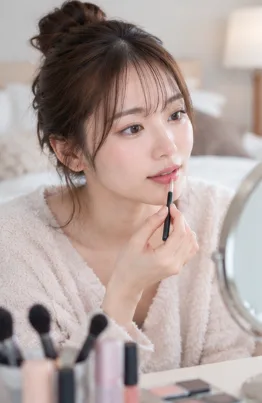
lead_image: /images/stock/makeup-lip-application-eyecatch.webp
lead_image_alt: Soft lip lining and blurring technique for subtle natural volume
thumbnail: /images/stock/makeup-lip-application-eyecatch.webp
thumbnail_alt: Soft lip lining and blurring technique for subtle natural volume
author: Editorial Team
publish: true
Japanese Lip Liner Guide for Naturally Plump Subtle Lips
In global beauty culture, lip overlining is often characterized by thick, dark perimeter tracing designed to inflate the entire mouth silhouette. While striking under studio lighting, this stark technique frequently appears unnatural in ordinary daylight, revealing an obvious gap between the natural vermilion border and the drawn pigment.
Japanese beauty aesthetics (J-beauty) take an entirely different architectural approach centered on subtraction (hikizan meiku) and optical shadow placement. Known widely in Japan as jinchu tanshuku (visually shortening the distance between the nose base and upper lip), this routine creates youthfully pillowy, plush lips while preserving believable natural anatomy. Here is your comprehensive guide to the Japanese soft overlining technique.
The Philosophy of Jinchu Tanshuku: Optical Proportions
As facial muscles relax over time, the vertical space between the bottom of the nose and the upper lip peak (the philtrum) can appear elongated. In Japanese aesthetic theory, a compact philtrum creates a youthful, balanced facial harmony.
Rather than inflating the entire mouth perimeter, the Japanese method uses two complementary optical illusions:
1. The 1mm Center-Only Overline Rule
Traditional overlining extends outside the lip line around the entire mouth contour, which flattens the mouth plane. Japanese artists overline by merely 1mm to 1.5mm strictly across Cupid's bow and the lowest midpoint of the bottom lip. The corners of the mouth (koushu) remain inside the natural boundary, preserving a natural, curved taper.
2. Desaturated Shadow Pigments (Kage-Iro)
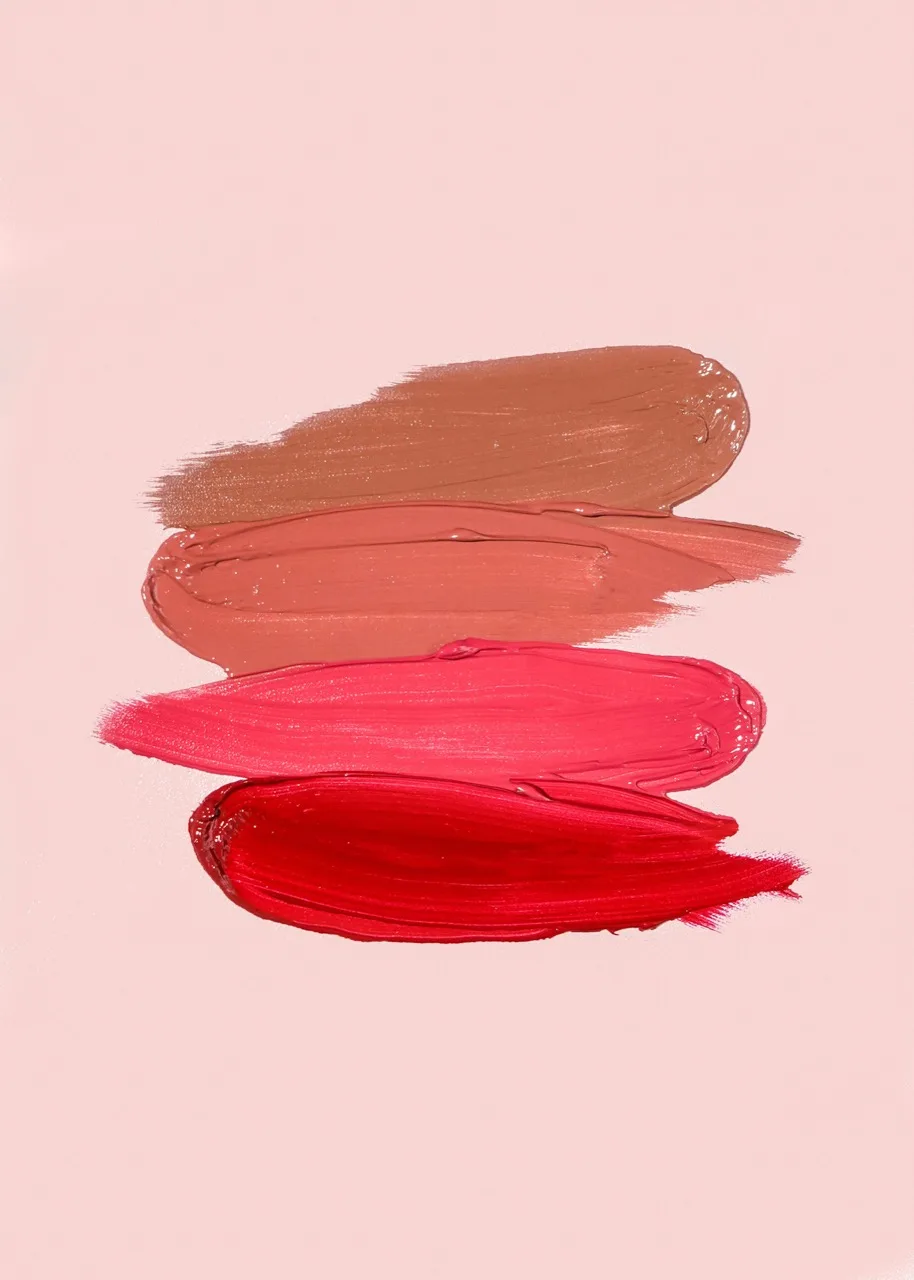
Instead of matching the pencil to a bright lipstick, Japanese liners use muted, fleshy shadow tones (kage-iro—literally "shadow color") such as dusty greige, rosy taupe, or neutral cinnamon. Because these shades mimic natural facial contours rather than cosmetic wax, they blend undetectable under ambient light. The delicate vermilion border of the lips experiences progressive natural functional deceleration over time[1], making gentle shading far more flattering than harsh, drying matte borders.
Japanese Soft Liner vs Western Heavy Overlining
Comparing the two distinct philosophies highlights why Japanese liners have become essentials for minimalist everyday makeup:
Noticeable perimeter ring outside natural vermilion
Step-by-Step Tutorial: The Japanese Soft Plump Routine
Follow this refined sequence to achieve pillowy lip volume with zero harsh edges:
Step 1: Neutralize the Natural Border
Dab a tiny whisper of leftover foundation or cushion compact over the natural lip perimeter using a sponge. This softly blurs the existing vermilion line, providing a clean canvas for precision shading without creating a dry, chalky buildup.
Step 2: Shade the Philtrum Hollow
Using a desaturated contour pencil or soft taupe shadow liner, sketch a microscopic "V" or soft curve roughly 1mm above the peaks of Cupid's bow. Next, lightly shade the subtle groove directly beneath the lower lip center. This establishes depth before applying any pink or red color.
Step 3: Round the Center Contours
With a fleshy rose-beige lip liner, gently draw across the top peaks of Cupid's bow in a smooth, rounded bridge. Rather than exaggerating sharp pointy peaks, Japanese styling favors a rounded, gentle arc that imparts youthful fullness.
Step 4: Apply Tint and Feather Outward
Apply your favorite moisturizing tint, liquid rouge, or sheer lipstick to the inner center of the lips. With your fingertip pad, tap and feather the pigment outward toward the lined boundary. The color naturally gradates from a rich center to a sheer, blurred perimeter (guradēshon rippu). Pairing subtle lip definition with daily broad-spectrum UV protection shields delicate oral margins from photoaging stress[2].
Choosing the Right Liner Format: Gel vs Powder Pencil
Japanese cosmetics offer two principal formulations for contouring the mouth:
Balm-Gel Mechanical Liners: These thin micro-pencils contain emollient plant oils (such as squalane and jojoba). They glide without dragging fragile lip tissue and allow roughly twenty seconds of blending time before setting into a smudge-resistant film.
Powdery Matte Crayon Liners: Offering a drier, velvety feel, these pencils are engineered for maximum adhesion on the skin surrounding the lips. They excel at anchoring center overlining in humid conditions without slipping into fine facial lines.
Signs to Stop and When to Consult a Specialist
The skin of the lips is uniquely thin and lacks sebaceous glands, making it particularly vulnerable to external irritation:
Recognizing Sensitivity: If you experience persistent tightness, burning sensations, micro-blisters, or peeling after applying a lip liner, immediately discontinue product usage.
Preventing Friction: Excessive mechanical friction or harsh pigments on dry lip tissue can trigger acute contact irritation[3]. Always prep flaky lips with a gentle ceramide lip balm before lining.
Clinical Evaluation: If cheilitis symptoms, localized swelling, or cracking at the mouth corners endure beyond 48 hours, seek professional advice from a board-certified dermatologist.
FAQ
Q1. Can I overline my lips if I have a naturally prominent Cupid's bow?
A. Yes, bridging the two peaks with a rounded soft arc softens angularity.(Details)
If your Cupid's bow has sharp peaks, sketching a soft, shallow bridge between them rather than tracing the deep valley creates a fuller, modern Japanese rounded silhouette that softens your overall facial expression.
Q2. How do I prevent my overlined lip border from smudging under face masks?
A. Set the overlined skin area with a tiny dusting of translucent powder.(Details)
After blending your shadow liner above Cupid's bow, use a small eyeshadow brush to press a micro-amount of translucent setting powder directly over the shaded skin. This absorbs surface facial oils and locks the wax pigment against friction.
Q3. Which shade should I choose for natural shadow contouring?
A. Choose a muted taupe or greige that matches your facial shadow tones.(Details)
Avoid warm orange or red pencils for shadow contouring. Look for grayish-brown, muted taupe, or cool dusty-rose tones that replicate natural ambient shadows rather than looking like an extra layer of lipstick.
Q4. Does lip overlining make the mouth look smaller if corners are left unlined?
A. No, it creates vertical fullness without widening the mouth horizontally.(Details)
Leaving the outer corners unlined keeps the focal point on the center plumpness of the lips. This vertical emphasis makes the lips look pillowy and youthful without creating an unnatural horizontal grin.
Q5. How should I prep dry or peeling lips before using a liner pencil?
A. Apply a rich ceramide balm for five minutes, then gently blot before lining.(Details)
Never apply a pencil directly onto flaky lip skin. Coat your lips in a nourishing balm or petroleum jelly while doing the rest of your makeup. After five minutes, blot off excess oil with a soft tissue so the pencil pigment can adhere without slipping.
Summary and Key Takeaways
The Japanese subtle overlining technique provides sophisticated, everyday volume without artificial borders:
Confine to the Center: Overline only 1mm at the Cupid's bow and bottom center; leave the outer corners untouched.
Use Realistic Shadow Tones: Opt for muted greige or soft dusty-rose pencils that mimic natural contours.
Round the Upper Arc: Connect Cupid's bow peaks with a soft, rounded curve to visually shorten the philtrum.
Diffuse All Boundaries: Tap with your fingertip pad so that the border between skin and cosmetic pigment remains completely blurred.
References
The Japanese Dermatological Association. Sunburn Q&A on Photoaging and Biological Alterations in Aging Skin (Q5). https://www.dermatol.or.jp/qa/qa2/q05.html (Accessed 2026-11-24)
The Japanese Dermatological Association. Dermatological Q&A on Sunscreen Application for Long-Term Prevention (Q25). https://www.dermatol.or.jp/qa/qa3/q25.html (Accessed 2026-11-24)
The Japanese Dermatological Association. Dermatological Q&A on Contact Irritation and Scalp Friction Mechanisms (Q1). https://www.dermatol.or.jp/qa/qa4/q01.html (Accessed 2026-11-24)
Disclaimer: This article is for general information and education about Japanese cosmetics and their labels. It is not a substitute for professional medical advice, diagnosis, or treatment. Skincare results vary from person to person. Product formulas, availability, prices, and regulations change, and products sold in Japan can differ from versions sold elsewhere, so always check the current label. Do a patch test before introducing a new product, and consult a doctor or dermatologist if you have a skin condition or specific concerns.