Japanese Cooling Setting Mist Guide for Summer Makeup Hold
RoutinesBy Seibun Lab Editorial Team
title: Japanese Cooling Setting Mist Guide for Summer Makeup Hold
slug: japanese-makeup-setting-mist-cooling-summer
category: routines
category_label: Routines
published_at: '2026-11-24'
updated_at: '2026-11-24'
meta_description: Learn how Japanese cooling setting mists lock summer makeup. Master sweat-resistant film formers, menthol derivatives, and multi-layer setting techniques.
description: Learn how Japanese cooling setting mists lock summer makeup. Master sweat-resistant film formers, menthol derivatives, and multi-layer setting techniques.
lead_image: /images/stock/sunscreen-mist-products.webp
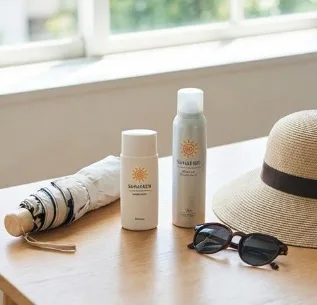
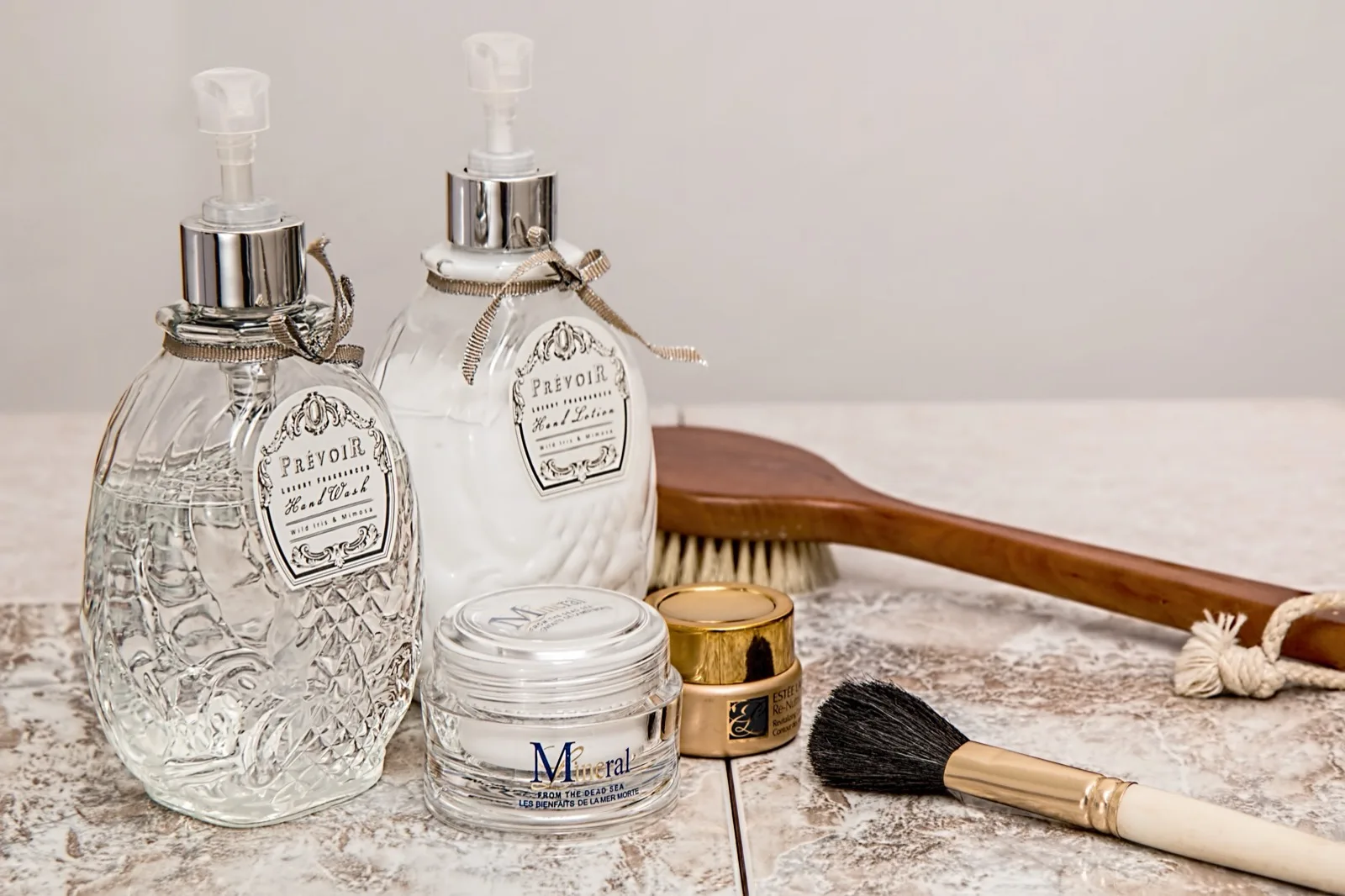
lead_image_alt: Japanese fine aerosol cooling makeup setting mist bottles arranged on vanity
thumbnail: /images/stock/sunscreen-mist-products.webp
thumbnail_alt: Japanese fine aerosol cooling makeup setting mist bottles arranged on vanity
author: Editorial Team
publish: true
Japanese Cooling Setting Mist Guide for Summer Makeup Hold
Japanese summers are renowned for extreme heat combined with oppressive relative humidity, often exceeding 80 percent throughout July and August. In this intense climate, conventional foundation and concealer quickly separate as perspiration and accelerated sebum secretion break down cosmetic binders. Furthermore, facial flushing (hoteri) from solar heat dilates capillaries and increases skin surface temperature, accelerating makeup migration.
To survive these subtropical urban summers, Japanese beauty research laboratories (J-beauty) pioneered specialized "cooling keep mists" (reikan meiku kiipu misuto). Engineered with biphase silicone-polymer technologies, micro-fine aerosol pumps, and sensory cooling agents, these sprays have become essential seasonal staples across Japan. Here is how Japanese cooling setting mists work and how to incorporate them into an unyielding summer routine.
The Double-Action Formulation: Polymer Mesh and Sensory Cooling
Japanese cooling fixative mists differ fundamentally from standard hydrating facial waters (such as thermal spring waters), which can actually dissolve base makeup when sprayed carelessly. Their performance rests on two advanced chemical mechanisms:
1. Flexible Fluorinated and Silicone Film Formers
Unlike rigid alcohol-heavy fixing sprays that make the skin feel tight and crack during facial expressions, Japanese mists deploy flexible polymers (such as trimethylsiloxysilicate, acrylates copolymer, and dimethicone crosspolymers). When atomized into a microscopic cloud, these polymers settle over pigments and coalesce into a water-repellent, oil-resistant mesh. The superficial moisture barrier experiences progressive natural functional deceleration over time[1], meaning this flexible mesh protects vulnerable skin without suffocating epidermal respiration.
Direct pure menthol can cause stinging around sensitive eye areas and trigger reactive redness. Japanese chemists frequently employ sophisticated menthol derivatives (such as menthoxypropanediol or menthyl lactate) paired with botanical extracts like peppermint leaf and eucalyptus. These larger molecules activate skin TRPM8 cold-sensing receptors without harsh stinging, delivering a continuous, gentle sensation of thermal relief that calms hot, flushed skin.
Japanese Cooling Mists vs Standard Hydrating Facial Sprays
Understanding the technical formulation differences between setting sprays and simple mist toners ensures you choose the proper product for makeup longevity:
Ultra-fine micro-mist aerosol or high-pressure pump
Standard coarse spray nozzle
Mask-Transfer Defense
Significantly minimizes friction transfer
Does not prevent fabric friction transfer
The "Sandwich" Method: Layering for Maximum Summer Longevity
Japanese beauty creators and backstage artists often employ the "sandwich application" technique to ensure complete base stability from morning commute to evening:
Step 1: Base Skincare and Primer Setting
After your morning moisturizer and sunscreen absorb, lightly mist your bare primed face before foundation. Hold the bottle 15 centimeters away and spray in an "X" and "T" formation. This creates an initial sweat-resistant priming veil directly over the skin.
Step 2: Foundation and Cream Application
Apply your lightweight liquid foundation, tinted serum, or cushion base. Gently press with a damp sponge. The pre-applied polymer layer anchors the foundation emulsion from underneath.
Step 3: Targeted Powder Pressing
Dust or press a translucent silica powder over the T-zone and smile lines to absorb intraday oil output.
Step 4: Final Cooling Lock
Vigorously shake your cooling mist bottle (many Japanese formulas are two-phase liquids that require mixing the oil-control powder and setting polymer layers). Close your eyes and mouth, and mist five to six pumps evenly over the entire face. Allow the mist to air-dry completely for 60 seconds without fanning or touching your face, allowing the resin mesh to solidify. Pairing setting mists with daily morning broad-spectrum UV protection shields vulnerable skin from photoaging stress[2].
Choosing the Proper Japanese Mist Formula
Japanese drugstores offer diverse setting mist variations tailored to distinct skin priorities:
Biphase Shake-Type Mists (Ni-sou Taipu): Feature a clear aqueous layer containing polymers and menthol over a milky lipid-absorbing powder sediment. Ideal for oily and combination skin requiring heavy-duty sebum control.
Gas-Charged Aerosol Cans (Tanso Gasu Taipu): Deliver an impossibly fine micro-fog that lands imperceptibly on the skin without forming heavy droplets. Excellent for fine lines, delicate skin, and quick midday touch-ups.
Moisturizing Cooling Mists (Hoshitsu Reikan Taipu): Infused with squalane, green tea extract, and amino acids alongside mild cooling agents. Formulated for dry skin types who experience makeup cracking in air-conditioned subway cars and offices.
Signs to Stop and When to Consult a Specialist
While Japanese cosmetic mists adhere to stringent quality standards, volatile cooling ingredients and aerosols require mindful usage:
Signs of Sensitivity: If you experience persistent facial burning, prickly stinging, sudden hives, or conjunctival eye irritation after spraying, cease use immediately.
Airway and Eye Protection: Always close your eyes and mouth firmly during application, and avoid inhaling aerosol propellant clouds. High concentrations of volatile sensory cooling agents can trigger acute contact irritation[3].
Dermatological Evaluation: If erythema, peeling, or itchy papules persist longer than 48 hours, seek clinical consultation from a board-certified dermatologist.
FAQ
Q1. Why does my setting mist sometimes leave white dots on my face?
A. White dots occur when biphase powder layers are not shaken thoroughly before spraying.(Details)
Many Japanese summer mists contain oil-absorbing silica sediment. If the bottle is not shaken vigorously for at least ten seconds before use, the powder remains un-emulsified and can squirt out in concentrated white flecks. Holding the bottle at least 15 cm away also prevents droplet accumulation.
Q2. Can I use a Japanese cooling setting mist for midday touch-ups?
A. Yes, blot excess facial oil first, then mist lightly from a distance.(Details)
For midday refreshment, first press an oil-blotting paper or soft tissue over shiny zones to remove oxidized sebum. Then, mist three pumps across the face. The cooling agents refresh flushed skin while the polymers re-fuse settled powder pigments.
Q3. Does the cooling sensation mean the product is damaging skin barrier lipids?
A. No, the sensory cooling triggers nervous receptors rather than physically freezing tissue.(Details)
Menthyl derivatives activate TRPM8 sensory nerve endings that signal coolness to the brain without dramatically lowering actual tissue temperature. When formulated responsibly in cosmetic vehicles, they do not disrupt epidermal barrier lipids.
Q4. Does cooling setting mist replace the need for face powder in summer?
A. While mists offer strong hold, pairing them with minimal powder provides optimal oil resistance.(Details)
Setting mists form a protective surface film, but they do not absorb deep pore sebum as thoroughly as micro-milled silica powder. Using a tiny amount of powder on oily zones before misting creates the most durable summer defense.
Q5. How do I thoroughly remove waterproof setting polymers in the evening?
A. Use a dedicated cleansing oil or cleansing balm followed by a foaming wash.(Details)
Because film-forming resins are engineered to resist sweat and water, standard micellar water may struggle to break them down. A lipid-rich oil or balm cleanser melts the silicone resins easily, preventing clogged pores and follicular congestion.
Summary and Practical Tips
Japanese cooling setting mists deliver unparalleled protection against subtropical summer conditions:
Shake Rigorously: Always mix biphase oil-absorbing powders and setting resins before each spray.
Employ the Sandwich Technique: Mist before foundation, powder lightly, and finish with a generous veil to lock each cosmetic layer.
Respect Distance and Air-Dry Time: Spray from 15 centimeters away and wait 60 full seconds for polymers to form an unyielding film without touching.
Cleanse Thoroughly: Melt away waterproof film polymers each evening using a reliable Japanese double cleansing ritual.
References
The Japanese Dermatological Association. Sunburn Q&A on Photoaging and Biological Alterations in Aging Skin (Q5). https://www.dermatol.or.jp/qa/qa2/q05.html (Accessed 2026-11-24)
The Japanese Dermatological Association. Dermatological Q&A on Sunscreen Application for Long-Term Prevention (Q25). https://www.dermatol.or.jp/qa/qa3/q25.html (Accessed 2026-11-24)
The Japanese Dermatological Association. Dermatological Q&A on Contact Irritation and Scalp Friction Mechanisms (Q1). https://www.dermatol.or.jp/qa/qa4/q01.html (Accessed 2026-11-24)
Disclaimer: This article is for general information and education about Japanese cosmetics and their labels. It is not a substitute for professional medical advice, diagnosis, or treatment. Skincare results vary from person to person. Product formulas, availability, prices, and regulations change, and products sold in Japan can differ from versions sold elsewhere, so always check the current label. Do a patch test before introducing a new product, and consult a doctor or dermatologist if you have a skin condition or specific concerns.