Japanese Makeup Sponge Guide: Damp vs Dry and Washing Tips
RoutinesBy Seibun Lab Editorial Team
title: Japanese Makeup Sponge Guide: Damp vs Dry and Washing Tips
slug: japanese-makeup-sponge-damp-vs-dry-application
category: routines
category_label: Skincare Routines
published_at: '2026-11-24'
updated_at: '2026-11-24'
meta_description: Master the Japanese dual-use makeup sponge. Learn damp vs dry application techniques, foundation pairing, hygienic washing frequency, and drying rules.
description: Master the Japanese dual-use makeup sponge. Learn damp vs dry application techniques, foundation pairing, hygienic washing frequency, and drying rules.
lead_image: /images/stock/makeup-cosmetics-palette-brush-flatlay.webp
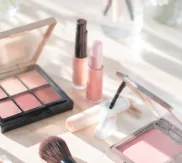
lead_image_alt: Japanese makeup sponge and beauty accessories on a vanity table
thumbnail: /images/stock/makeup-cosmetics-palette-brush-flatlay.webp
thumbnail_alt: Japanese makeup sponge and beauty accessories on a vanity table
author: Editorial Team
publish: true
Japanese Makeup Sponge Guide: Damp vs Dry and Washing Tips
Japanese makeup sponges are renowned for their ultra-fine cell structure and versatile dual-use design. Deciding between damp and dry application transforms your foundation finish from velvety matte to translucent dewiness. Here is the complete guide to mastering damp vs dry techniques, selecting compatible formulas, and maintaining strict washing hygiene.
Damp vs Dry Application: How Moisture Alters Coverage and Finish
The difference between damp and dry sponge application lies in capillary action and hydrophilic foam density. The delicate lipid matrix of the epidermal stratum corneum experiences progressive natural functional deceleration over time[1], making gentle, moisture-balanced application essential for barrier maintenance. Japanese beauty tools often feature specialized synthetic elastomer or hydrophilic polyurethane foams engineered for dual-use (often marked as 2-way on packaging).
When dry, the porous foam absorbs surface oils and packs foundation pigments tightly against the skin. This delivers high coverage, making it well-suited for concealing discoloration, setting powder foundations, or mattifying oily T-zones.
When soaked in water and thoroughly squeezed, the sponge cells expand and hold internal moisture. This hydrophilic state prevents the sponge from drinking up your liquid foundation. Instead of absorbing your product, the damp surface deposits a thin, uniform veil of foundation over the skin, resulting in an effortless, radiant finish that resists cakey buildup.
Scroll horizontally to view more
Feature
Damp Application
Dry Application
Finish
Dewy, translucent, skin-like glow
Velvety, matte to semi-matte
Coverage Level
Sheer to medium, buildable
Medium to full opacity
Recommended Formulas
Liquid, gel, cream, and 2-way powder
Pressed powder, loose powder, stick foundation
Skin Type Affinity
Dry, dehydrated, or combination skin
Oily skin or areas prone to shine
Key Advantage
Prevents dry flaking and cling
Maximizes longevity and pore coverage
Choosing the Right Base Product for Each Application Method
Matching your foundation formula to the correct application method prevents uneven patches and formula separation. Pairing daily base makeup application with diligent morning broad-spectrum UV protection shields vulnerable skin from photoaging stress[2], ensuring a smooth canvas for foundation adherence.
Liquid and Serum Foundations
Liquid foundations thrive with damp sponge application. The cool moisture helps melt the foundation base into the epidermis, ensuring lightweight adherence without accentuating fine lines or dry patches around the nose and mouth.
Two-Way Compact Powders vs Standard Powders
In Japan, many powder foundations are designated as dry/wet dual-use (mizu-ari, mizu-nashi). When applied with a damp sponge, these specially coated pigments blend into a smooth cream-powder film with heightened staying power. However, standard pressed powders that lack this dual-use designation must remain dry; introducing water to a non-compatible compact causes caking, surface hardening, and microbial contamination.
Cream and Stick Concealers
For spot-concealing dark circles or blemish marks, dry sponge edges provide concentrated placement. Once positioned, flipping the sponge to a damp rounded base allows gentle edge-softening without wiping away the central pigment.
The Japanese Tapping Technique for Uniform Blending
Japanese makeup artists emphasize gentle contact over lateral friction. Dragging or wiping a sponge across facial contours disturbs the stratum corneum and lifts micro-flakes of skin.
Hydrate and Squeeze: Submerge the sponge in room-temperature water until fully enlarged. Wrap it in a clean towel and squeeze firmly to remove excess moisture until no water drips.
Dot Product Across the Face: Disperse liquid foundation across cheeks, forehead, and chin rather than applying directly onto the sponge surface.
Gentle Stippling (Pompom Motion): Bounce the flat or rounded base of the sponge vertically against the skin. This rhythmic patting presses pigment into skin micro-textures without micro-tearing delicate tissue.
Detail Precision: Use the wedge or pointed tip to work around the nostril curves, under-eye contours, and hairline.
Washing Frequency and Hygiene Rules to Protect Your Skin Barrier
Because damp sponges trap dead skin cells, sebum, and cosmetic residues, improper maintenance quickly converts them into breeding grounds for micro-organisms. Maintaining strict cleaning protocols preserves cosmetic tool elasticity and prevents breakouts.
Washing Frequency: Clean after every 1 to 2 uses. Never let a foundation-soaked sponge sit inside an airtight cosmetic pouch for multiple days.
Cleansing Method: Use dedicated puff cleanser or a mild, unscented neutral detergent in lukewarm water. Gently press and squeeze the sponge between your palms. Avoid twisting or scrubbing with fingernails, which tears porous foam walls.
Rinsing Thoroughly: Rinse repeatedly until the water runs completely clear and bubble-free.
Air-Drying: Press the sponge inside a fresh towel to wick away water, then place it on a ventilated drying rack in a shaded, well-aired space. Keep it away from humid bathroom corners.
Replacement Window: Even with meticulous washing, polyurethane foam degrades over time. Replace your sponge every 1 to 3 months, or immediately if elasticity diminishes or edges begin to fray.
Signs to Stop and When to Consult a Specialist
While makeup sponges offer superior aesthetic control, improper usage or degraded materials can provoke cutaneous distress. Excessive lateral friction, aggressive unlubricated sponge dragging, and degraded foam particles can trigger acute contact irritation[3] and compromise stratum corneum integrity.
Unexplained Blemish Clusters: Developing sudden papules or redness specifically along areas where your sponge contacts the skin suggests bacterial proliferation from an inadequately cleansed tool.
Itching or Burning Sensations: Synthetic latex or rubber vulcanization accelerators can trigger allergic contact reactions. If you experience burning or itching during or after makeup application, switch immediately to a certified latex-free polyurethane sponge.
Flaking or Peeling: Aggressive lateral rubbing strips the delicate moisture barrier, worsening flakiness in sensitive complexions.
If redness, blistering, or irritation persists beyond several days after discontinuing use, consult a certified dermatologist or licensed medical practitioner for evaluation.
FAQ
Q1. How wet should a Japanese makeup sponge be for damp use?
A. The sponge should be evenly damp and cool without dripping water.(Details)
Submerge the sponge until fully expanded, then squeeze it inside a clean towel. It should feel pleasantly moist and cool to the touch, but pressing it firmly against the back of your hand should not release puddles of water.
Q2. Can I use water with any regular powder foundation?
A. Only use water with powders specifically labeled for dual-use (2-way).(Details)
Powders not formulated for wet use will undergo surface caking when contacted by water. This hardens the compact surface, ruins pigment pickup, and creates an environment where moisture causes product spoilage.
Q3. How often should I replace my Japanese makeup sponge?
A. Replace sponges every 1 to 3 months depending on usage intensity.(Details)
Regular washing gradually weakens synthetic cellular walls. Once a sponge loses its bounce-back resilience, feels stiff, or shows micro-tears along edges, replace it to maintain hygienic blending performance.
Q4. What cleanser is safest for cleaning delicate sponge foam?
A. A dedicated sponge cleaner or dilute mild neutral detergent works safely.(Details)
Specialized puff cleansers dissolve stubborn cosmetic binders without stripping polymer elasticity. Alternatively, mild liquid hand soap or pH-neutral liquid detergent effectively emulsifies oils without leaving harsh chemical residues.
Q5. Can a dirty makeup sponge cause acne or skin texture issues?
A. Yes, microbial buildup and oxidized sebum trigger follicular inflammation.(Details)
Sponges absorb cutaneous sebum along with makeup pigments. Left moist in dark makeup bags, they harbor microorganisms that transfer back onto facial pores, triggering inflammatory acne and barrier disruption.
Summary & Actionable Checklist
Identify Your Goal: Choose damp application for sheer, dewy luminescence and dry application for matte, full-coverage longevity.
Verify Formula Labels: Only add moisture to liquid bases or designated dual-use (2-way) powder compacts.
Stipple, Do Not Rub: Employ rhythmic, vertical bouncing to nestle foundation into skin texture without creating friction.
Wash Every 1–2 Uses: Press-wash with mild detergent, avoid rough twisting, and air-dry in a cool, ventilated area.
Discard When Worn: Replace sponges every 1 to 3 months or upon the earliest sign of tearing or stiffness.
References
The Japanese Dermatological Association. Sunburn Q&A on Photoaging and Biological Alterations in Aging Skin (Q5). https://www.dermatol.or.jp/qa/qa2/q05.html (Accessed 2026-11-24)
The Japanese Dermatological Association. Dermatological Q&A on Sunscreen Application for Long-Term Prevention (Q25). https://www.dermatol.or.jp/qa/qa3/q25.html (Accessed 2026-11-24)
The Japanese Dermatological Association. Dermatological Q&A on Contact Irritation and Scalp Friction Mechanisms (Q1). https://www.dermatol.or.jp/qa/qa4/q01.html (Accessed 2026-11-24)
Disclaimer: This article is for general information and education about Japanese cosmetics and their labels. It is not a substitute for professional medical advice, diagnosis, or treatment. Skincare results vary from person to person. Product formulas, availability, prices, and regulations change, and products sold in Japan can differ from versions sold elsewhere, so always check the current label. Do a patch test before introducing a new product, and consult a doctor or dermatologist if you have a skin condition or specific concerns.