title: Japanese Sheer Cheek Tint: Multi-Use Balm Guide slug: japanese-sheer-cheek-tint-multi-use-balm category: routines category_label: Routines & Guides published_at: '2026-11-23' updated_at: '2026-11-23' meta_description: Master the Japanese sheer cheek tint and multi-use balm routine. Learn 3-in-1 monochromatic glow, plant-lipid melting science, and finger-tap application. description: Master the Japanese sheer cheek tint and multi-use balm routine. Learn 3-in-1 monochromatic glow, plant-lipid melting science, and finger-tap application. hero_image: /images/stock/compact-portable-balm-containers-multi-use.jpg hero_image_alt: Compact portable multi-use balm pots on vanity representing versatile tint application thumbnail: /images/stock/compact-portable-balm-containers-multi-use.jpg thumbnail_alt: Compact portable multi-use balm pots on vanity representing versatile tint application reading_time: 6 author: Editorial Team publish: true
Japanese Sheer Cheek Tint: Multi-Use Balm Guide
Quick answer
Japanese sheer cheek tints and multi-use balms provide a versatile 3-in-1 cosmetic solution for cheeks, lips, and eyelids. Formulated with body-temperature melting plant lipids (like jojoba, squalane, and shea butter) and translucent mineral pigments, these pocket-sized pots create cohesive monochromatic warmth (wa-ton meiku) with an authentic juicy glow (juwa-tto kesshoku) using only clean fingertips.
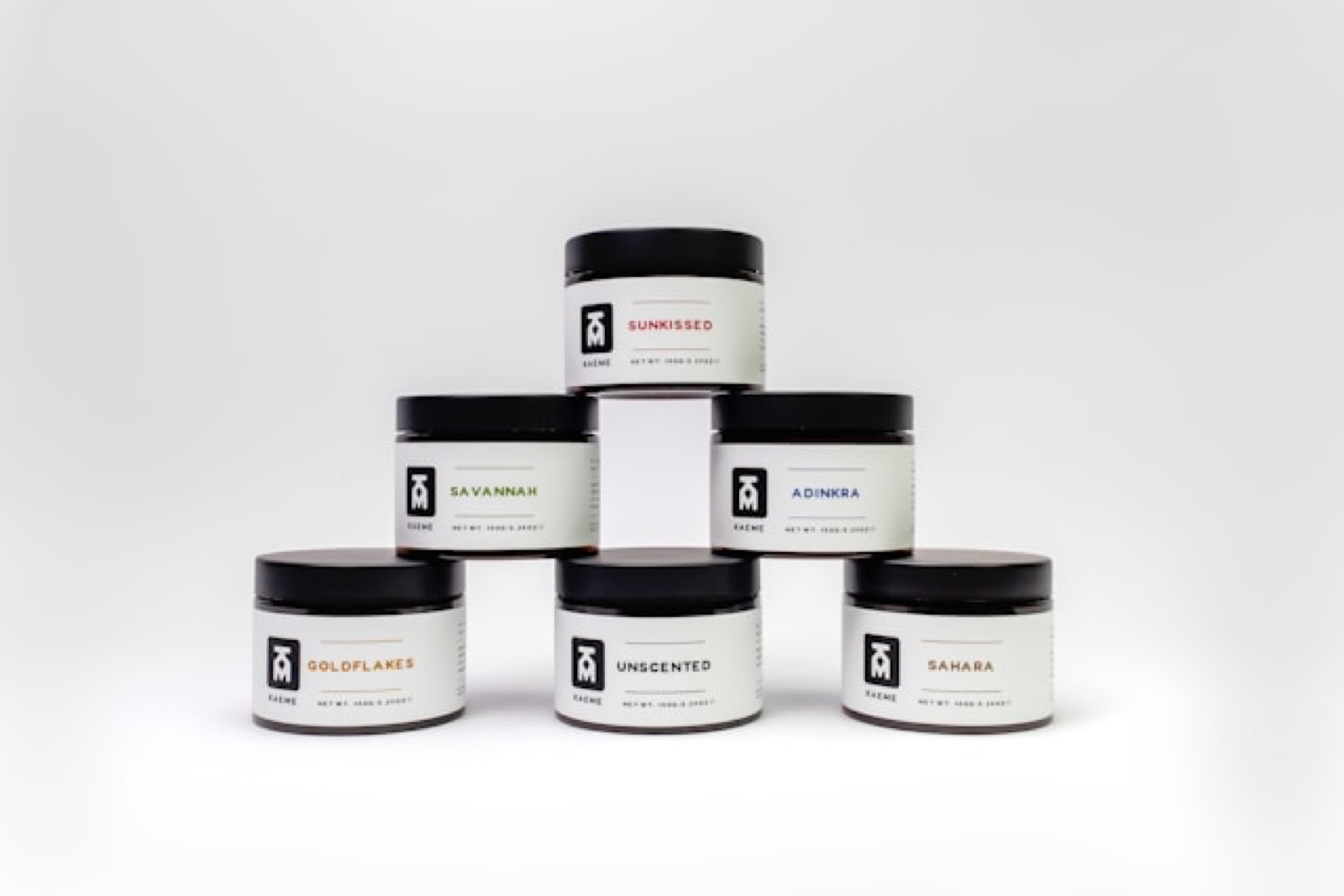
In the modern Japanese cosmetics market, minimalist beauty routines are celebrated not just for convenience, but for their understated elegance. Leading this streamlined movement is the sheer multi-use balm (often referred to in Japan as maruchi bāmu or tinted lip-and-cheek cream).
Rather than carrying separate compacts for powder blush, matte lipstick, and shimmering cream eyeshadow, Japanese consumers increasingly rely on a single, thoughtfully formulated balm pot. By providing translucent color that melts with finger warmth, these hybrid products impart a dewy, cohesive flush across multiple facial features. Here is your comprehensive guide to the lipid formulation science of Japanese multi-use tints, how to achieve effortless monochromatic harmony, and how to apply them safely across different cutaneous zones.
The Philosophy of Monochromatic Harmony (Wa-Ton Meiku)
The enduring popularity of multi-use cheek tints is directly tied to the Japanese aesthetic of monochromatic minimalism (wa-ton meiku):
1. Avoiding Clashing Color Temperatures
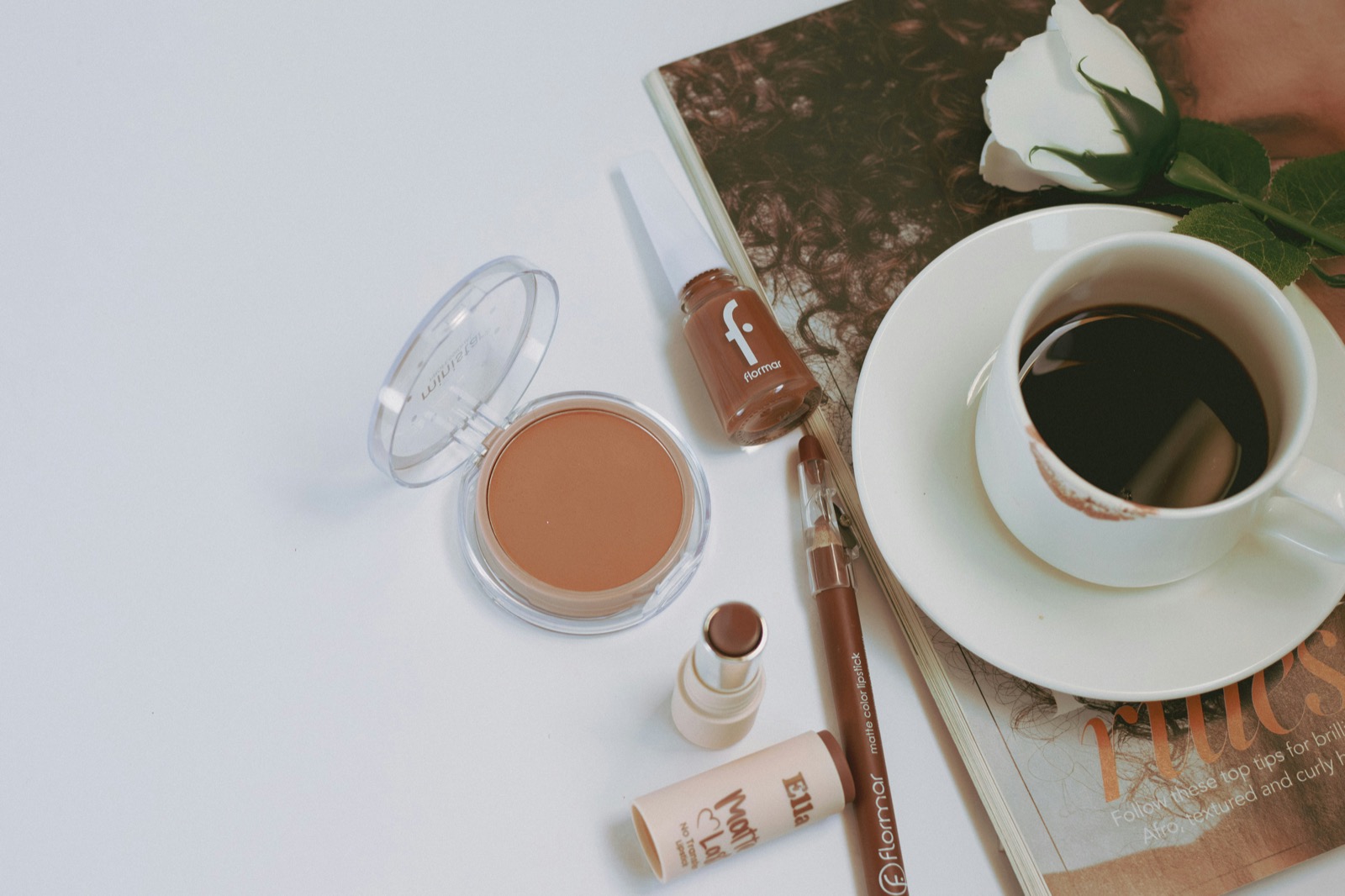
When individuals apply cool berry blush alongside warm terracotta lipstick and golden eyeshadow, the competing color temperatures can fracture facial balance. Using a single sheer peach, rosewood, or apricot balm across cheeks, lips, and eyelids ensures unified color harmony, making the entire face look naturally awake and refined.
2. The Inner Dewy Flush (Juwa-tto Kesshoku)
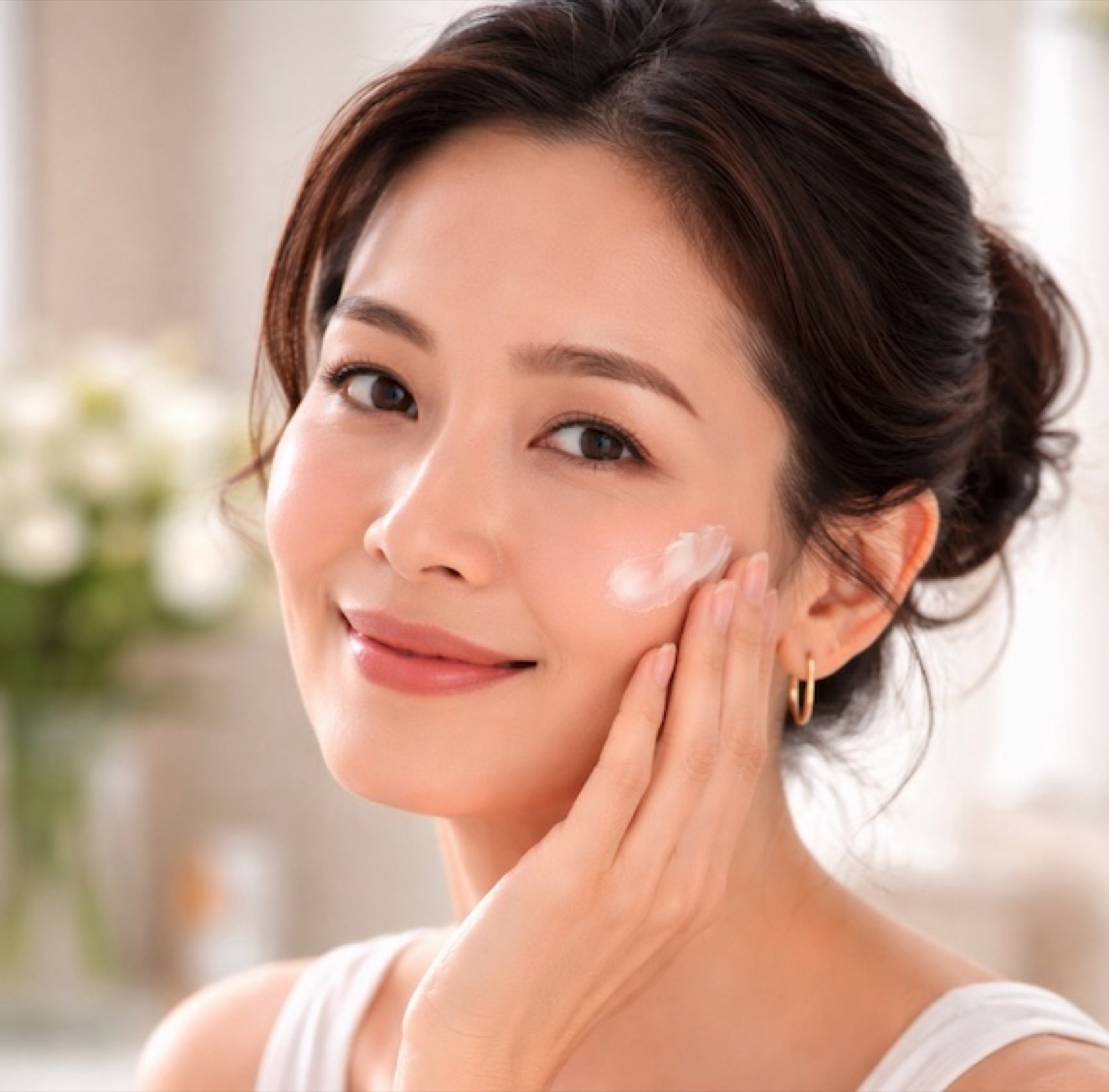
Unlike dry pressed powders that sit on top of the skin, multi-use balms blend into natural skin oils. The translucent finish mimics a post-bath glow (furo-agari hada), giving cheeks and lips a fresh, well-hydrated appearance (suhada-kan) that aligns with the subtraction makeup philosophy.
Medical authorities recommend daily sunscreen application as an essential preventive measure to shield cellular DNA against cumulative photoaging and long-term damage.[2] Applying moisturizing multi-use balms over certified daytime sunscreen creates radiant warmth while protecting delicate cheekbones from chronic ultraviolet exposure.
Formulation Science: Body-Temperature Melting Lipids
Creating a tint that performs comfortably on the dry vermilion of the lips, the mobile skin of the eyelids, and the broader cheek plane requires nuanced lipid engineering:
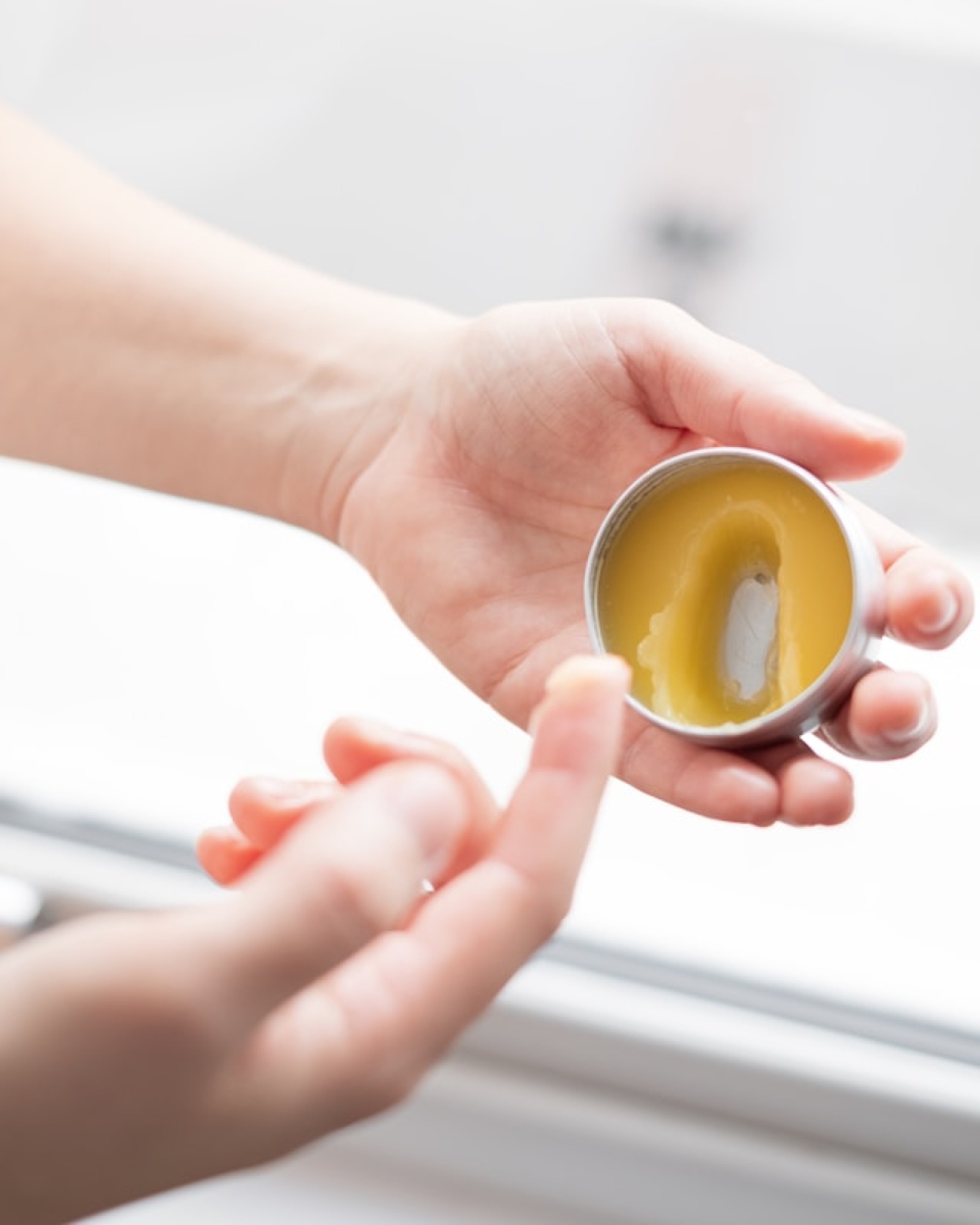
- Eutectic Melting Temperature: Japanese laboratories calibrate the solid wax-to-liquid oil ratio so that the balm remains solid in its compact at room temperature (20°C to 25°C), but melts immediately upon contact with warm fingertips (around 35°C to 36°C).
- Plant-Derived Emollient Matrix: High-purity squalane, refined shea butter, camellia seed oil, and jojoba esters provide cushiony slip without the greasy heaviness of petroleum jelly.
- Translucent Mineral Dispersion: Inorganic iron oxides and synthetic micas are micro-milled and suspended in lightweight esters, ensuring the color applies sheer rather than opaque. This buildable translucency prevents accidental over-application.
Detailed Comparison: Japanese Multi-Use Balm vs. Powder Blush vs. Liquid Cheek Stain
The table below contrasts how multi-use balms compare with traditional blush formats:
Scroll horizontally to view full table
| Feature | Japanese Multi-Use Balm | Standard Powder Blush | Water-Based Liquid Stain |
|---|---|---|---|
| Application Areas | Cheeks, lips, and eyelid contours | Cheeks only (too drying for lips/eyes) | Cheeks and lips only (stains eyelids) |
| Skin Finish | Dewy, glossy, glass-like reflection | Matte, satin, or fine shimmer dust | Matte flush absorbed into the skin |
| Application Method | Clean fingertips or small sponge | Fluffy cheek brush required | Quick finger tapping before dry-down |
| Dry Skin Tolerance | Very high; replenishes lipid moisture | Moderate; can emphasize dry flakes | Low; alcohol base can dry out lips |
| Touch-Up Portability | Pocket-friendly; zero brush needed | Requires carrying compact and brush | Compact bottle; can leak if loose |