Japanese Silicone Mask Brush Guide: Hygiene and Even Care
RoutinesBy Seibun Lab Editorial Team
title: Japanese Silicone Mask Brush Guide: Hygiene and Even Care
slug: japanese-silicone-brush-for-face-mask-application
category: routines
category_label: Skincare Routines
published_at: '2026-11-24'
updated_at: '2026-11-24'
meta_description: Discover the benefits of Japanese silicone mask brushes and spatulas. Learn hygienic jar dipping, zero product waste, even clay application, and tool care.
description: Discover the benefits of Japanese silicone mask brushes and spatulas. Learn hygienic jar dipping, zero product waste, even clay application, and tool care.
lead_image: /images/stock/clay-mask-bowl-spatula.webp
lead_image_alt: Skincare mixing bowl and smooth applicator tool for hygienic mask placement
thumbnail: /images/stock/clay-mask-bowl-spatula.webp
thumbnail_alt: Skincare mixing bowl and smooth applicator tool for hygienic mask placement
author: Editorial Team
publish: true
Japanese Silicone Mask Brush Guide: Hygiene and Even Care
In the meticulous world of Japanese skincare, how you apply a product is just as critical as the ingredients inside the bottle. Scooping rich creams or thick clay packs directly with bare fingers introduces microbial contaminants into your cosmetic jars and wastes expensive formulas trapped under fingernails.
To solve this everyday skincare dilemma, Japanese beauty tool makers created flexible silicone applicators and dedicated cosmetic spatulas. Engineered from smooth, non-porous elastomers, these tools elevate personal hygiene while delivering an exceptionally smooth, even application. Here is everything you need to know about incorporating silicone brushes into your masking and moisturizing routine.
Why Japanese Skincare Champions Silicone Brushes and Spatulas
Every time bare fingers dip into a cream jar, moisture, dead skin cells, and resident bacteria transfer into the product. Over weeks of daily use, this repeated exposure degrades preservative systems and can foster microbial proliferation.
The delicate lipid matrix of the epidermal stratum corneum experiences progressive natural functional deceleration over time[1], making gentle, hygienic application tools essential for safeguarding vulnerable barrier health.
Traditional bristle brushes solve the finger-dipping problem but introduce their own challenges: porous natural hairs drink up expensive liquid, trap sticky clay deep within ferrules, and take hours to dry, creating potential mold risks in humid Japanese bathrooms. Silicone applicators combine the precision of a brush with the clean wipe-down convenience of a spatula.
Scroll horizontally to view more
Application Tool
Hygiene Level
Product Wastage
Drying Time
Silicone Mask Brush
Superior (non-porous, wipe-clean)
Zero (non-absorbent surface)
Instant (pat dry with towel)
Traditional Bristle Brush
Moderate (hairs harbor bacteria)
High (fibers soak up formula)
Slow (several hours to air-dry)
Bare Fingers
Low (introduces jar contamination)
Moderate (clogs under fingernails)
Immediate after washing hands
Rigid Plastic Spatula
High (easy to disinfect)
Zero (non-absorbent)
Instant (wipe clean)
Zero Product Absorption: Maximizing Active Ingredients and Minimizing Waste
The physical structure of cosmetic-grade silicone offers a profound advantage over fabric or bristle applicators: zero porosity.
Pairing daily nourishing mask rituals with diligent morning broad-spectrum UV protection shields vulnerable skin from photoaging stress[2], optimizing your comprehensive complexion strategy. When applying expensive wash-off masks, sleeping packs, or barrier creams, silicone ensures that every drop reaches your facial contours:
Complete Formula Delivery: Unlike synthetic hairs that swallow roughly 20% to 30% of your product within inner brush bundles, silicone spatulas leave virtually no residue behind.
Frictionless Gliding: The flexible paddle glides smoothly across the epidermis without lateral dragging. This minimizes mechanical stress, keeping delicate facial skin relaxed and calm during application.
Uniform Layering: The pliable wedge tip contours effortlessly around the bridge of the nose, jawline, and orbital rim, spreading an even film of equal thickness across the entire face.
Techniques for Different Formulas: Clay, Gel, Cream, and Sleeping Packs
Different cosmetic textures benefit from subtle adjustments in tool technique:
Clay and Charcoal Masks
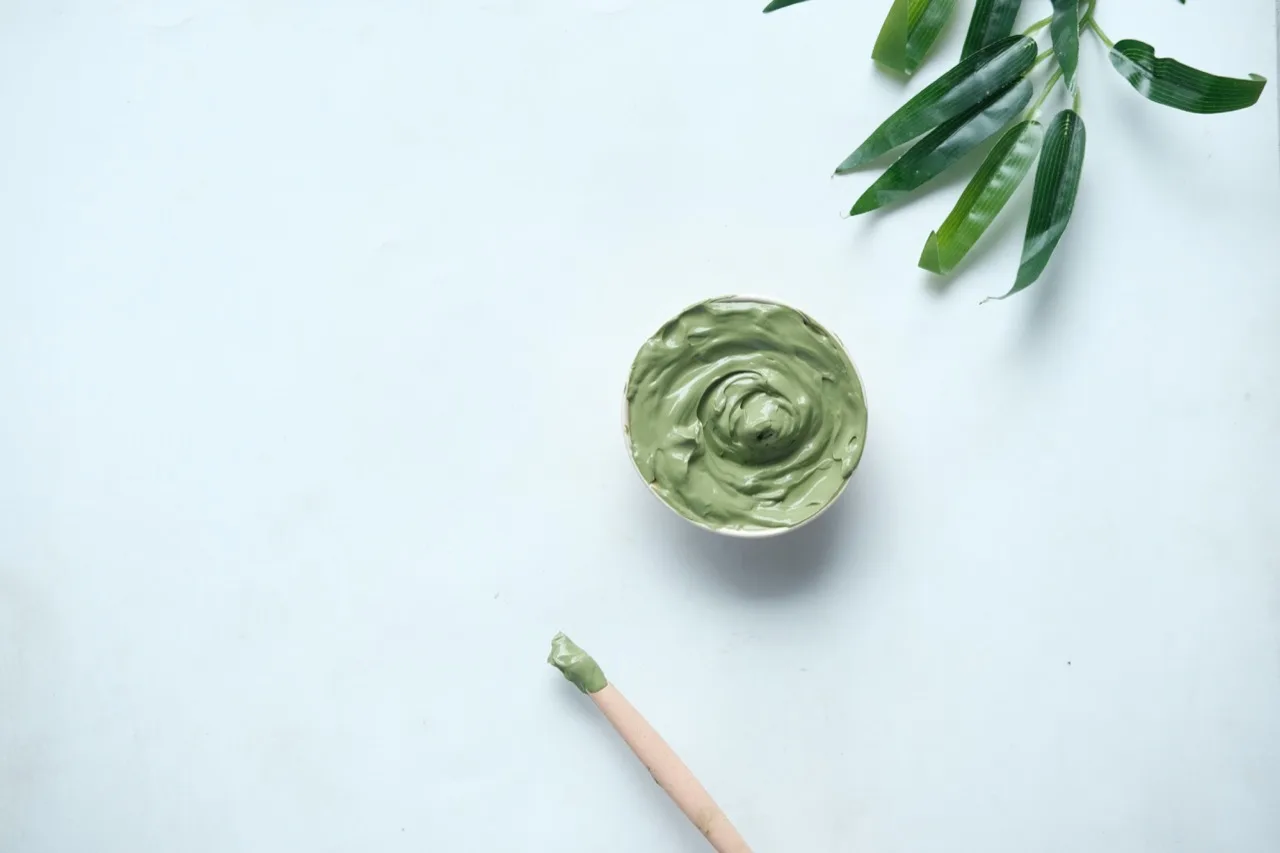
Mineral clays dry at varying speeds depending on film thickness. Uneven patches cause thin sections to crack prematurely while thick sections remain wet, causing uncomfortable surface tension. A silicone spatula spreads an even, opaque layer from the center of the face outward, ensuring consistent drying across the entire T-zone.
Gel and Sleeping Packs
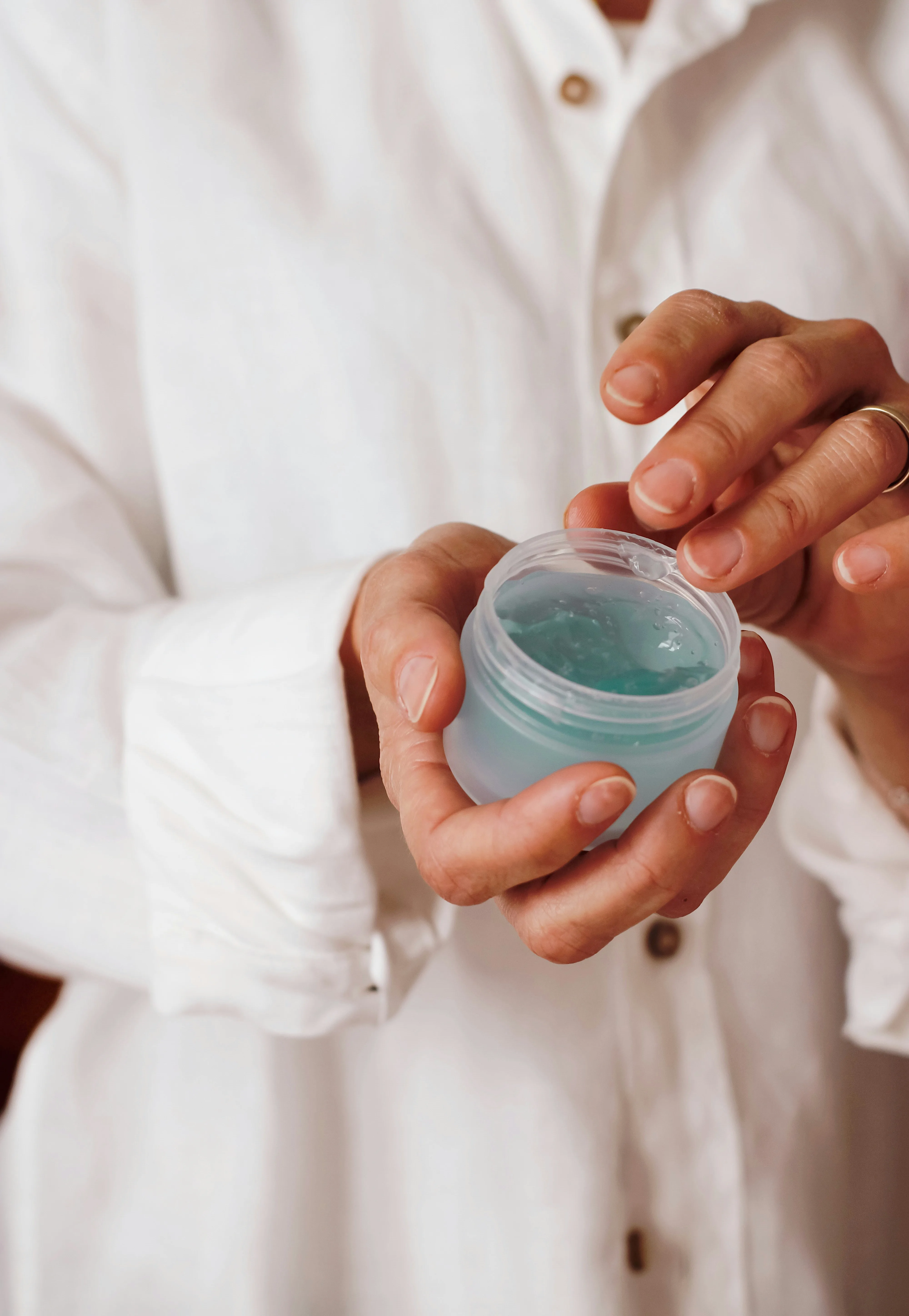
Jelly-like sleeping packs can feel slippery and difficult to smooth using fingers. With a flexible silicone brush, you can lay down a continuous moisture shield that seals in evening essences without rubbing off underlying skincare layers.
Jar Creams and Rich Balms
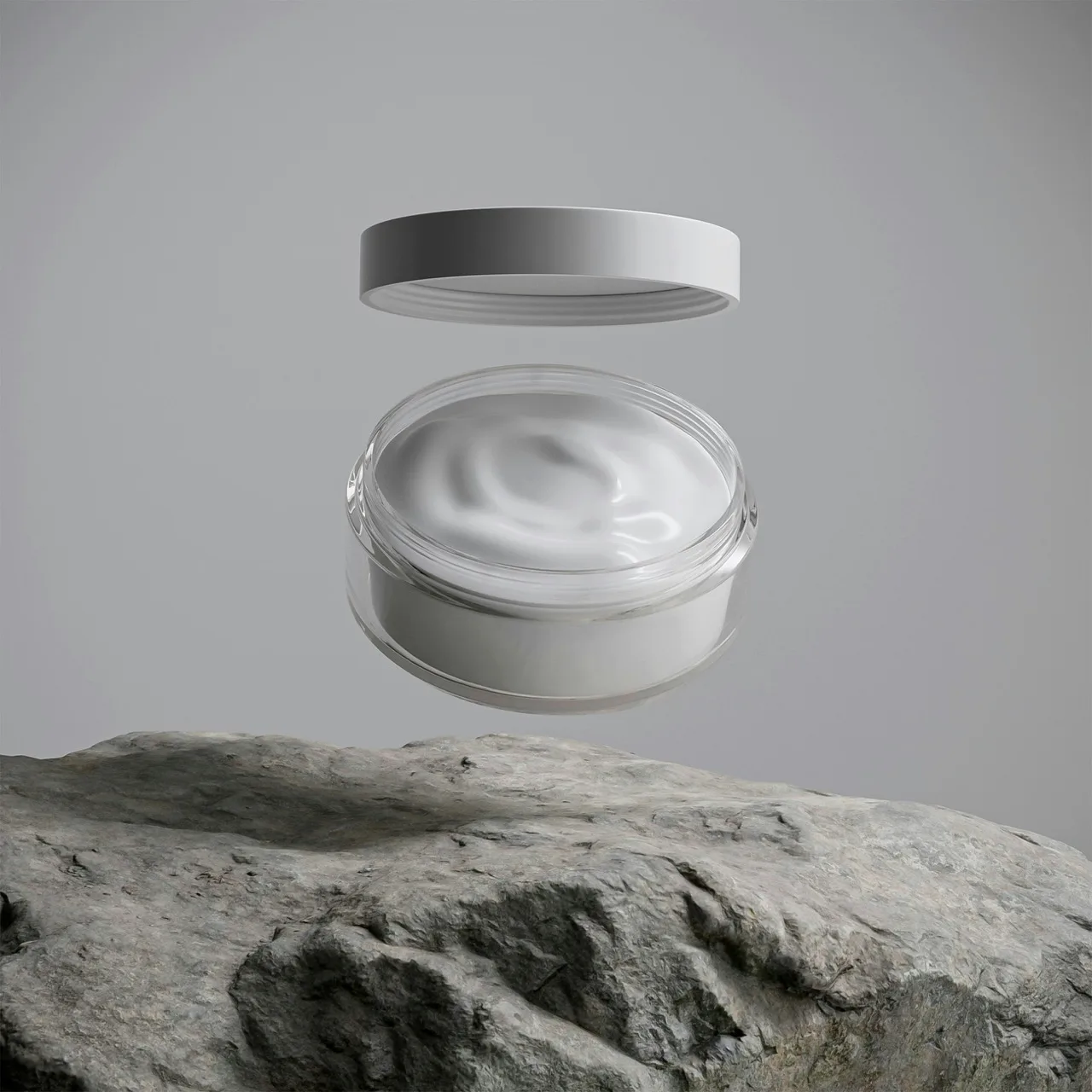
Use the tapered tip of a mini spatula to scoop a calibrated pearl-sized portion of moisturizer. Transfer the cream directly to facial points or to the clean back of your hand before gentle dispersion, keeping the mother jar completely sterile.
Instant Washing and Sanitization: The Ultimate Low-Maintenance Tool
One of the primary reasons Japanese consumers favor silicone applicators over conventional makeup brushes is effortless maintenance.
Warm Water Rinse: Rinse the silicone head under running lukewarm water immediately after application. Clay, cream, and gel residues rinse away cleanly without clinging.
Mild Soap Cleansing: Wash with a drop of gentle liquid hand soap or mild facial cleanser to remove stubborn oil binders.
Instant Towel-Drying: Pat the silicone head with a fresh hand towel. Because silicone does not retain water, the tool is completely dry and ready for immediate storage, preventing mildew concerns.
Alcohol Disinfection: Unlike delicate animal hairs that become brittle when exposed to alcohol, silicone tolerates periodic wiping with 70% isopropyl alcohol wipes for thorough disinfection.
Signs to Stop and When to Consult a Specialist
While medical-grade silicone is inert and gentle for the vast majority of skin types, improper application technique or damaged tools can prompt mechanical skin irritation. Excessive tool pressure, rigid applicator edges, and aggressive dragging can trigger acute contact irritation[3] and compromise delicate stratum corneum lipids.
Check for Micro-Tears in Silicone: Over months of use, sharp fingernails or storage against rough objects can nick the flexible silicone edge. A torn or jagged edge can create micro-scratches across facial skin; replace damaged tools immediately.
Avoid Pressing on Active Breakouts: Never use the edge of a spatula to scrape or apply downward pressure over inflamed acne lesions, as mechanical friction can aggravate follicular swelling.
Localized Redness: If your skin shows localized redness or a burning sensation after tool application, ease your hand pressure and ensure the tool is held at a shallow 30-degree angle.
If persistent erythema, itching, or skin irritation develops and does not subside within a few days, discontinue tool use and consult a board-certified dermatologist.
FAQ
Q1. Why is a silicone brush better than fingers for jar creams?
A. It keeps jar formulas clean and prevents residue under nails.(Details)
Dipping fingers introduces natural skin oils and bacteria into the jar, gradually breaking down product preservatives. A clean silicone tool ensures the cream remains uncontaminated from first scoop to last.
Q2. Does a silicone mask applicator waste skincare product?
A. No, silicone is non-porous and absorbs zero skincare formula.(Details)
Traditional fiber brushes trap significant amounts of cream inside their inner bristles. Silicone paddles transfer 100% of the scooped product directly onto the face with virtually no residual waste.
Q3. How do I clean and sanitize a silicone face mask brush?
A. Rinse with warm soapy water and wipe dry with a clean towel.(Details)
Because silicone does not absorb water, a quick wash with mild soap and a gentle towel pat makes it instantly dry and ready for storage. You can also wipe it with alcohol pads periodically.
Q4. Can I use a silicone brush for sensitive or acne-prone skin?
A. Yes, silicone provides a hygienic, low-friction application surface.(Details)
The smooth surface glides without tugging fragile skin. For acne-prone complexions, using a sanitized silicone tool minimizes the transfer of manual bacteria that can worsen follicular congestion.
Q5. How often should a silicone mask applicator be replaced?
A. Replace applicators every 1 to 2 years or if the silicone edge tears.(Details)
High-quality cosmetic silicone is exceptionally durable. As long as the paddle remains pliable, smooth, and free of edge nicks or tears, it will deliver reliable hygienic performance for years.
Summary & Actionable Checklist
Ditch the Finger Dip: Use dedicated spatulas to preserve jar preservative systems and prevent contamination.
Enjoy Zero Waste: Take advantage of non-porous silicone to apply clay, gel, and cream formulas without product loss.
Glaze with Light Pressure: Hold the silicone paddle at a gentle angle and sweep outward for a uniform, smooth layer.
Clean and Dry in Seconds: Wash with mild soap, pat dry on a clean towel, and store safely in a dry location.
Inspect Edge Integrity: Replace any applicator immediately if the flexible silicone blade shows micro-nicks or tears.
References
The Japanese Dermatological Association. Sunburn Q&A on Photoaging and Biological Alterations in Aging Skin (Q5). https://www.dermatol.or.jp/qa/qa2/q05.html (Accessed 2026-11-24)
The Japanese Dermatological Association. Dermatological Q&A on Sunscreen Application for Long-Term Prevention (Q25). https://www.dermatol.or.jp/qa/qa3/q25.html (Accessed 2026-11-24)
The Japanese Dermatological Association. Dermatological Q&A on Contact Irritation and Scalp Friction Mechanisms (Q1). https://www.dermatol.or.jp/qa/qa4/q01.html (Accessed 2026-11-24)
Disclaimer: This article is for general information and education about Japanese cosmetics and their labels. It is not a substitute for professional medical advice, diagnosis, or treatment. Skincare results vary from person to person. Product formulas, availability, prices, and regulations change, and products sold in Japan can differ from versions sold elsewhere, so always check the current label. Do a patch test before introducing a new product, and consult a doctor or dermatologist if you have a skin condition or specific concerns.