title: Japanese Soft Peach Blush: Warm Undertone Guide slug: japanese-soft-peach-blush-warm-undertone category: routines category_label: Routines & Guides published_at: '2026-11-23' updated_at: '2026-11-23' meta_description: Discover why Japanese soft peach blush harmonizes with warm undertones. Learn sheer pigment dispersion, natural flush techniques, and sensitive cheek care. description: Discover why Japanese soft peach blush harmonizes with warm undertones. Learn sheer pigment dispersion, natural flush techniques, and sensitive cheek care. hero_image: /images/stock/sheer-blush-pigment-multi-use-texture.jpg hero_image_alt: Sheer soft peach blush powder pigment with fine mineral dispersion thumbnail: /images/stock/sheer-blush-pigment-multi-use-texture.jpg thumbnail_alt: Sheer soft peach blush powder pigment with fine mineral dispersion reading_time: 6 author: Editorial Team publish: true
Japanese Soft Peach Blush: Warm Undertone Guide
Quick answer
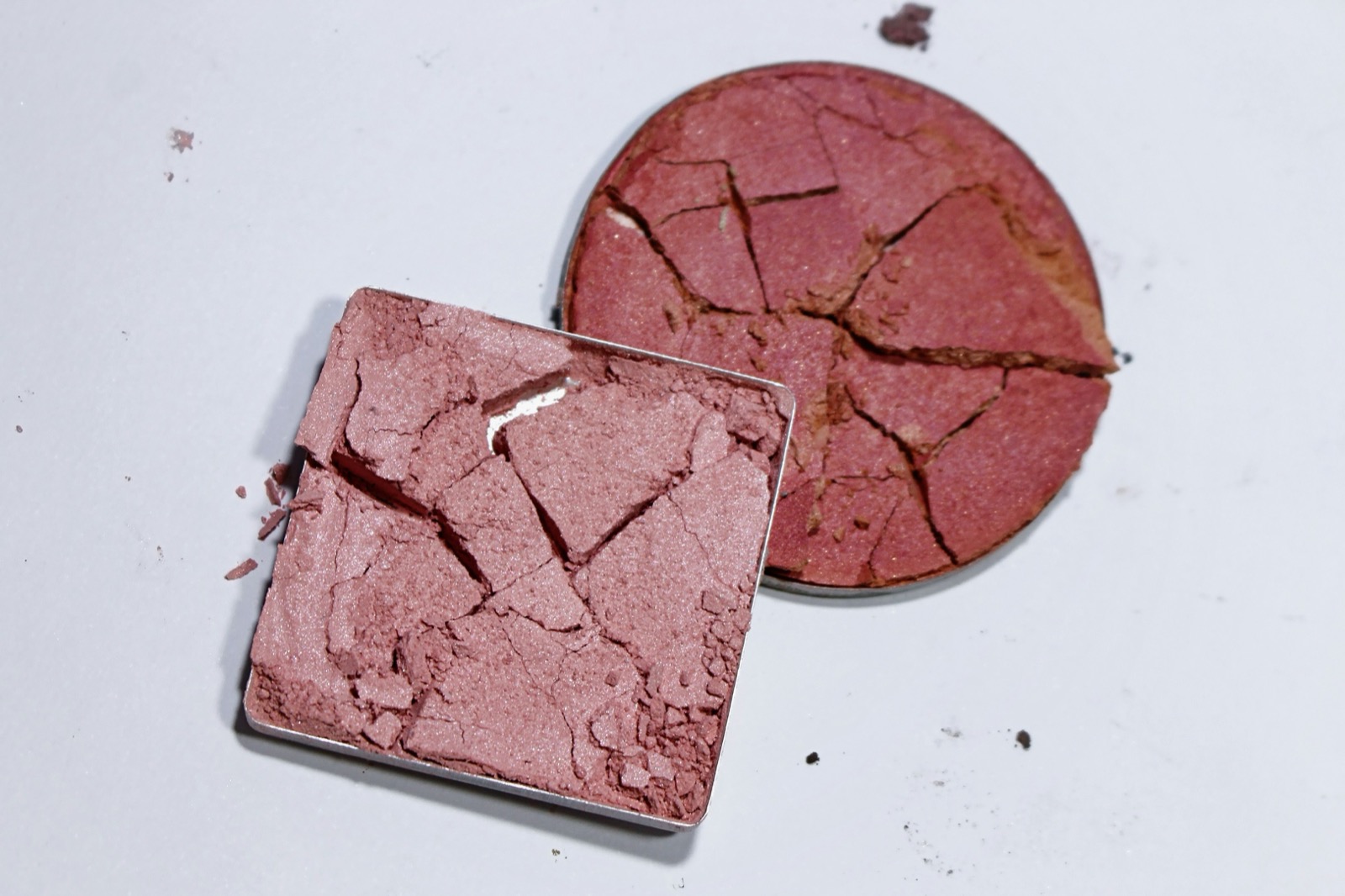
Japanese soft peach blush serves as the quintessential everyday cheek color because its delicate balance of yellow, apricot, and soft pink undertones mirrors natural dermal blood circulation beneath warm-toned complexions. Formulated with sheer, micro-milled mineral micas and golden light-reflecting pearls, Japanese peach powders impart an authentic inner flush (kesshoku-kan) that blurs cheek texture without harsh demarcations.
Walk into any cosmetics boutique in Tokyo—from prestigious Ginza department store counters to neighborhood drugstores—and you will notice an enduring constant: soft peach (pīchi-kei) and warm apricot blushes dominate the best-seller rankings year after year. While Western makeup trends frequently swing between high-contrast contouring, stark cool-toned mauves, and intensely pigmented terracotta, Japanese cheek aesthetics consistently revere the subtle charm of soft peach.
This enduring preference is not merely cultural nostalgia; it is rooted in chromatic physics and skin physiology. Japanese cosmetic chemists have refined peach blush formulas to harmonize with East Asian undertones, ensuring that cheek color appears to emanate from within the dermal capillaries rather than sitting as a foreign powdery film on top. Here is your definitive guide to understanding why soft peach blush works so effortlessly on warm undertones, how Japanese formulations differ, and how to apply it for an awake, youth-infused glow.
Chromatic Harmony: Why Peach Flairs Flawlessly on Warm Undertones
Understanding the success of Japanese peach blush requires examining how human vision perceives color on human skin:
1. Neutralizing Sallow Undertones (Kumi)
Many Asian complexions possess warm, golden, or olive undertones with varying concentrations of epidermal carotene and melanin. When cool-toned blue-pinks or stark fuchsias are swept across warm skin, the clashing color wavelengths can create a chalky, grayish cast that exaggerates skin dullness (kumi). Peach, by contrast, sits on the warm side of the color spectrum, blending naturally with natural skin pigmentation.
2. Mimicking Capillary Hemoglobin (Kesshoku-kan)
In facial skin, true natural flushing occurs when subcutaneous capillary beds dilate, sending oxygenated blood through the dermis. Because this red hemoglobin is viewed through yellowish melanin layers, the optical color perceived at the surface is a soft, warm peach-rose. Japanese blush formulas calibrate pigment ratios to mirror this precise vascular phenomenon, producing an authentic vital flush (kesshoku-kan).
Medical authorities recommend daily sunscreen application as an essential preventive measure to shield cellular DNA against cumulative photoaging and long-term damage.[2] Sweeping soft peach blush over a well-shielded daytime base maintains radiant warmth while defending dermal collagen against solar degradation.
Formulation Science: The Japanese Approach to Cheek Pigments
What distinguishes Japanese peach blush from heavily pigmented Western alternatives is the intentional focus on translucency and buildability:
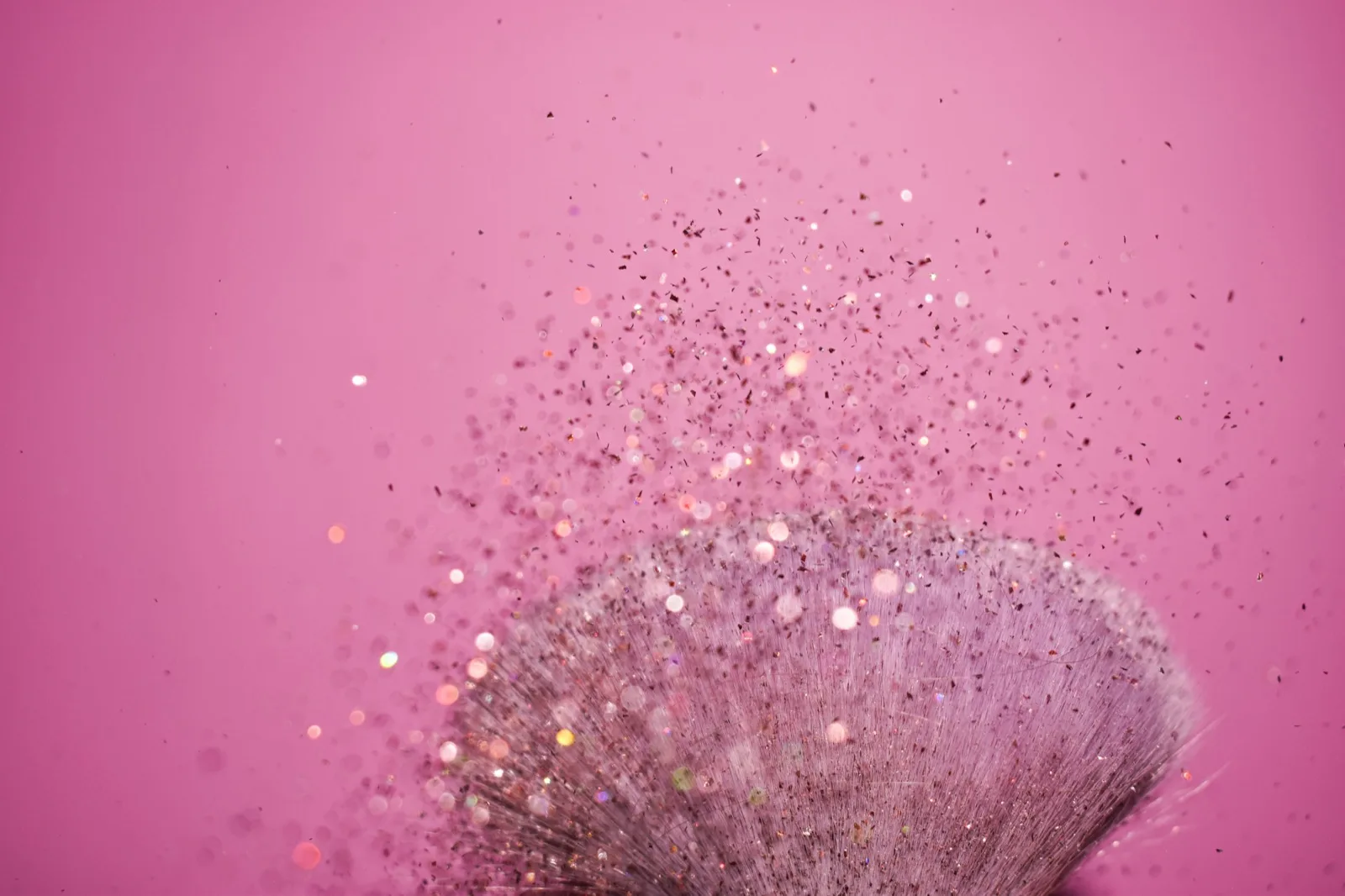
- Micro-Milled Sheer Binders: Rather than using heavy titanium dioxide bases that create opaque, powdery barriers, Japanese laboratories formulate with translucent synthetic fluorphlogopite and silica spheres. This allows individual skin texture and natural moisture to shine through each applied layer.
- Warm Golden Micro-Pearl Optics: Japanese formulas frequently incorporate micronized gold or champagne interferential pearls. These microscopic platelets scatter ambient light, optically softening visible pores across the apple of the cheek while imparting a dewy glow (tsuya).
- Skin Conditioning Emollients: Baked and pressed Japanese powders are enveloped in plant squalane, jojoba oil, or amino acid derivatives, ensuring the powder glides smoothly across dry cheek contours without accentuating fine lines.
Detailed Comparison: Japanese Peach vs. Cool Berry vs. Western Bronzer
The table below contrasts the aesthetic and structural differences between cheek color approaches:
Scroll horizontally to view full table
| Feature | Japanese Soft Peach Blush | Cool Berry / Mauve Blush | Western Sculpting Bronzer |
|---|---|---|---|
| Color Undertone | Warm apricot, soft coral, yellow-peach | Blue-pink, cool plum, lavender-berry | Golden brown, terracotta, neutral tan |
| Pigment Density | Sheer, buildable, watercolor translucency | Medium to high concentrated opacity | High opacity for structural shading |
| Visual Intention | Innocent flush (*kesshoku*), skin clarity | Edgy contrast, high-fashion statement | Bone-structure hollows and tan warmth |
| Compatibility with Warm Skin | Effortless optical harmony with zero ashiness | Can look grayish or isolated if undertones clash | Adds warmth but lacks vibrant vitality |
| Pore Camouflage | Reflective micro-pearls blur cheek texture | Matte powders can emphasize skin dryness | Matte clays can settle into facial pores |