title: Japanese Subtle Nose Shading: Soft Contour Guide slug: japanese-subtle-contour-nose-shading-soft category: routines category_label: Routines published_at: '2026-11-24' updated_at: '2026-11-24' meta_description: Master Japanese subtle nose shading and soft contouring. Learn pale gray-beige pigment selection, precision brush buffing, and natural bridge definition. description: Master Japanese subtle nose shading and soft contouring. Learn pale gray-beige pigment selection, precision brush buffing, and natural bridge definition. lead_image: /images/stock/delicate-eyeshadow-brushes-and-glass-jars.webp lead_image_alt: Delicate Japanese makeup brushes and soft shading powders for natural nose contouring thumbnail: /images/stock/delicate-eyeshadow-brushes-and-glass-jars.webp thumbnail_alt: Delicate Japanese makeup brushes and soft shading powders for natural nose contouring author: Editorial Team publish: true
Japanese Subtle Nose Shading: Soft Contour Guide
In western beauty trends, nose contouring is frequently characterized by stark parallel stripes drawn down the nasal bridge, heavily blended with dense synthetic brushes and set with sharp baked powders. While dramatic under studio illumination or ring lights, this theatrical approach often translates into obvious, muddy smudges in natural daylight.
In contrast, Japanese beauty creators adhere to the philosophy of subtraction makeup (hikizan meiku). Japanese nose shading (nozu shedo) does not aim to redraw facial bones artificially; rather, it subtly amplifies the natural anatomical shadows created by ambient overhead light. By selecting sheer, cool-toned ash pigments and executing the "broken-line" placement method, you can sculpt delicate nasal definition that looks indistinguishable from bare skin. Here is your comprehensive guide to soft Japanese nose shading.
The Philosophy of Shadowing: Mimicking Natural Anatomy
The defining mistake in conventional contouring is using warm, orange-toned bronzers to construct facial shadows:
1. True Shadows Contain No Warmth
In natural physics, a cast shadow is desaturated and slightly cool. It represents the absence of light rather than a sun-tanned flush. Japanese cosmetic formulators specifically engineer shading palettes using grayish-beige (greige), pale taupe, and muted shadow brown pigments. These desaturated hues integrate with natural Asian skin undertones without appearing orange or chalky.
2. The Broken-Line Technique
A continuous painted stripe running uninterrupted from brow to nostril flattens facial perspective, creating an artificial mask-like effect. The Japanese technique breaks the contour into two distinct zones:
- The upper triangular socket beneath the inner head of the eyebrow.
- The subtle V-shape or U-shape curvature wrapping the nasal tip.
Leaving the central bridge completely free of contour powder preserves light reflection, creating the visual perception of height without pigment buildup.
The delicate lipid matrix of the epidermal stratum corneum experiences progressive natural functional deceleration over time[1], demanding finely milled, non-drying contour powders that glide over fine lines without catching.
Step-by-Step Soft Nose Shading Routine
Follow this refined sequence to achieve dimension without harsh lines:
Step 1: Base Powder Matte Prep
Before picking up any shading powder, ensure the bridge and sides of your nose are lightly dusted with translucent loose powder. Applying powder contour over tacky liquid foundation or sunscreen causes pigments to grab immediately, resulting in stubborn dark patches that resist blending.
Step 2: Pigment Dosing Discipline
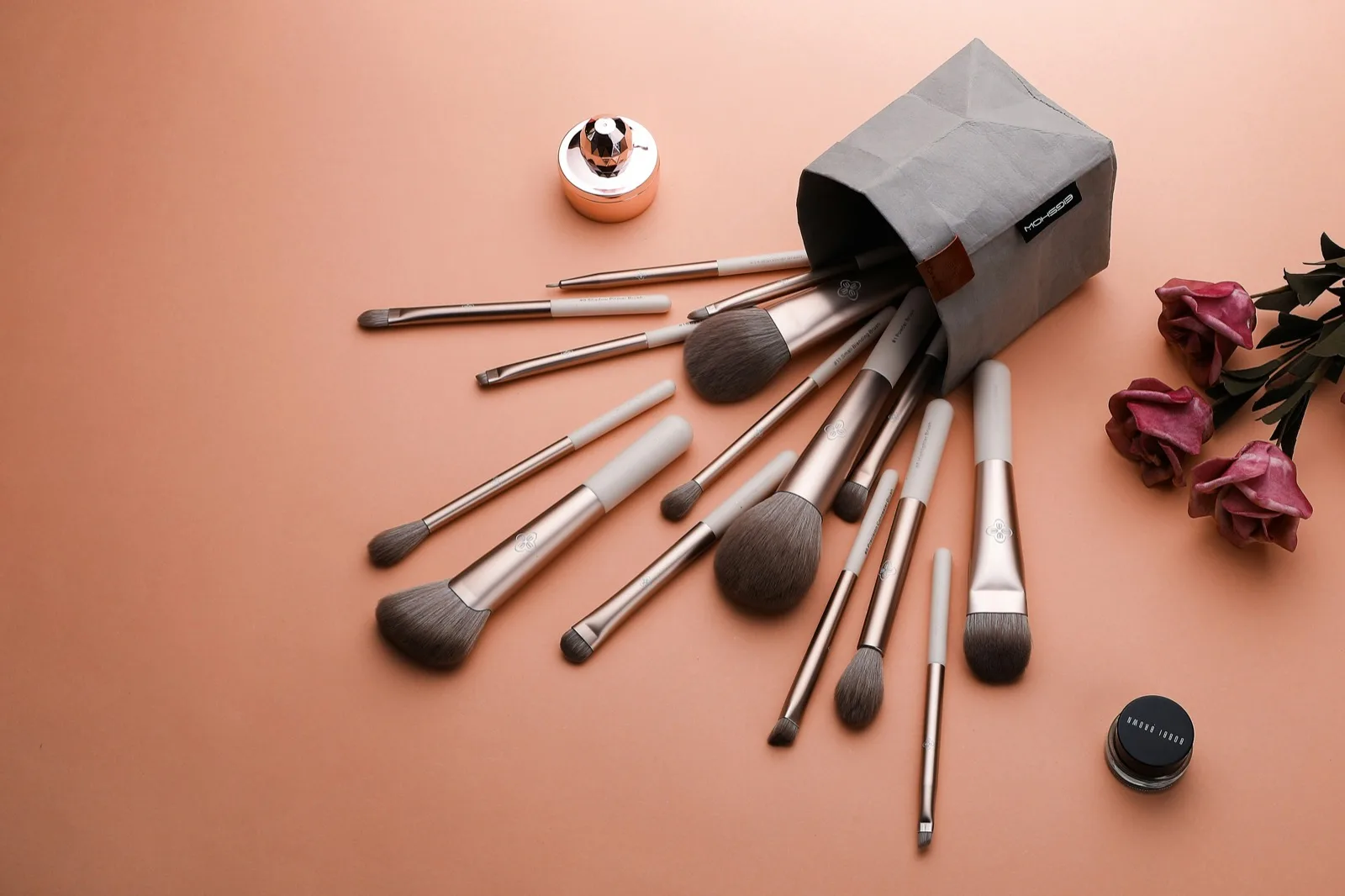
Swirl a small, fluffy angled eyeshadow blending brush into your soft greige shading powder. Always tap the brush handle against the back of your wrist or hand twice to dislodge excess surface particles. The brush should carry only an ethereal whisper of color.
Pairing subtle contouring with diligent morning broad-spectrum UV protection shields vulnerable skin from photoaging stress[2], guarding delicate nasal cartilage and bridge skin against chronic photodamage.
Step 3: Defining the Inner Eye Hollow
Place the brush head into the triangular depression nestled between the inner corner of your eye and the root of your eyebrow. Sweep gently downward along the nasal bone for only one centimeter, feathering upward into the brow arch. This single shadow establishes eye depth and immediately lifts the bridge.
Step 4: The Strategic Bridge Gap
Skip the middle third of your nose entirely. Do not apply any contour pigment along the lateral bridge where sunlight naturally strikes the face.
Step 5: Sculpting the Nasal Tip
Lightly dust a tiny V-shape under the bottom edge of the nose tip. If you desire a slightly shortened or lifted button-nose look, sweep a gentle horizontal shadow across the supra-tip crease immediately above the nostril bulbs.
Step 6: Pinpoint Highlight Dots
Using your pinky finger, tap a tiny dot of non-glitter champagne highlighter onto the lowest point of your nasal tip, and another subtle micro-dot between your eyes at the brow line. Never draw a continuous highlighter stripe down the entire nose.
Pigment and Undertone Selection Guide
Matching your contour powder to your natural skin tone is critical for daytime invisibility:
Scroll horizontally to view more
| Skin Complexion Undertone | Ideal Shading Pigment Hue | Japanese Cosmetic Term | Common Avoidable Pitfall |
|---|---|---|---|
| Fair to Light (Cool / Neutral) | Muted Greige / Sheer Shadow Ash | Hai-iro Beju (Gray Beige) | Warm orange bronzers looking like mud streaks |
| Light to Medium (Warm / Yellow) | Desaturated Soft Taupe Brown | Kage-iro Buraun (Shadow Brown) | Overly dark chocolate tones that read theatrical |
| Medium to Tan | Neutral Neutral Ash Brown | Shading Pawa (Contour Shadow) | Reddish contour powders that mimic sunburn redness |
| All Undertones (Nose Apex) | Ultra-Sheer Champagne or Pearl Highlighter | Bikotsu Hai-raito (Nasal Highlight) | Chunky glitter lines running down the whole nose |