Japanese Travel Skincare Guide: Smart Bottles and Pouches
RoutinesBy Seibun Lab Editorial Team
title: Japanese Travel Skincare Guide: Smart Bottles and Pouches
slug: japanese-travel-size-skincare-bottles-and-pouches
category: routines
category_label: Skincare Routines
published_at: '2026-11-24'
updated_at: '2026-11-24'
meta_description: Master Japanese travel skincare and decanting habits. Learn leak-proof container materials, hygiene decanting rules, pouch packing, and shelf-life.
description: Master Japanese travel skincare and decanting habits. Learn leak-proof container materials, hygiene decanting rules, pouch packing, and shelf-life.
lead_image: /images/stock/travel-friendly-cosmetic-tubes-and-creams.webp
lead_image_alt: Compact travel-sized cosmetic bottles and refillable skincare tubes
thumbnail: /images/stock/travel-friendly-cosmetic-tubes-and-creams.webp
thumbnail_alt: Compact travel-sized cosmetic bottles and refillable skincare tubes
author: Editorial Team
publish: true
Japanese Travel Skincare Guide: Smart Bottles and Pouches
Traveling, business trips, and fitness routines disrupt your skin's equilibrium through dry hotel air, shift in local tap water quality, and environmental stressors. Relying on unvetted hotel bathroom amenities often leads to sudden irritation or barrier disruption.
To maintain a consistent complexion routine anywhere, Japanese consumers rely on a refined culture of cosmetic decanting (tsumekae). Backed by meticulously engineered travel containers from brands like MUJI and Japanese variety stores, this habit keeps your proven skincare regimen intact. Here is your practical guide to choosing safe container materials, decanting hygienically, and packing leak-proof pouches.
The Japanese Culture of Travel Decanting: Convenience and Skin Stability
Rather than purchasing random miniature products at airport convenience stores, Japanese skincare enthusiasts prioritize regimen continuity. The delicate lipid matrix of the epidermal stratum corneum experiences progressive natural functional deceleration over time[1], making familiarity and ingredient stability essential during travel fatigue.
Decanting offers three primary advantages:
Barrier Preservation: Continuing your personalized toner, serum, and barrier cream prevents unexpected flare-ups caused by heavily fragranced hotel amenities.
Portability and Waste Reduction: Carrying full-sized glass bottles adds unnecessary luggage weight and risks breakage. Reusable Japanese mini bottles drastically cut single-use plastic waste.
Precise Sizing for Short Trips: Japanese travel tool sections offer micro-dropper bottles (5 ml to 15 ml), pump dispensers, cream jars, and flat vacuum squeeze pouches tailored for weekend or week-long itineraries.
Scroll horizontally to view more
Container Material
Ideal Formulation Pairings
Incompatible Ingredients
Key Mechanical Strength
PET (Polyethylene Terephthalate)
Watery lotions, hydrating toners
Pure essential oils, high-proof alcohol
Glass-like transparency, rigid
PE / PP (Polyethylene / Polypropylene)
Emulsions, cleansing oils, creams
None (broad chemical resistance)
Flexible squeeze, impact-resistant
Silicone Squeeze Tubes
Shampoo, conditioner, thick body milk
Volatile silicones, cosmetic oils
Ultra-soft dispensing, collapses flat
Multi-Layer Barrier Pouches
Gels, liquid serums, clay packs
Sharp mechanical pressure
Ultra-lightweight, zero air ingress
Material Science: Choosing Safe Bottles for Lotions, Oils, and Creams
Not all plastics react identically with cosmetic chemistry. Mismatching formulas and resin types can cause bottles to soften, crack, or leach ingredients:
Pairing consistent daily travel skincare with diligent broad-spectrum UV protection shields vulnerable skin from photoaging stress[2], making a compact decanted sunscreen container a packing essential.
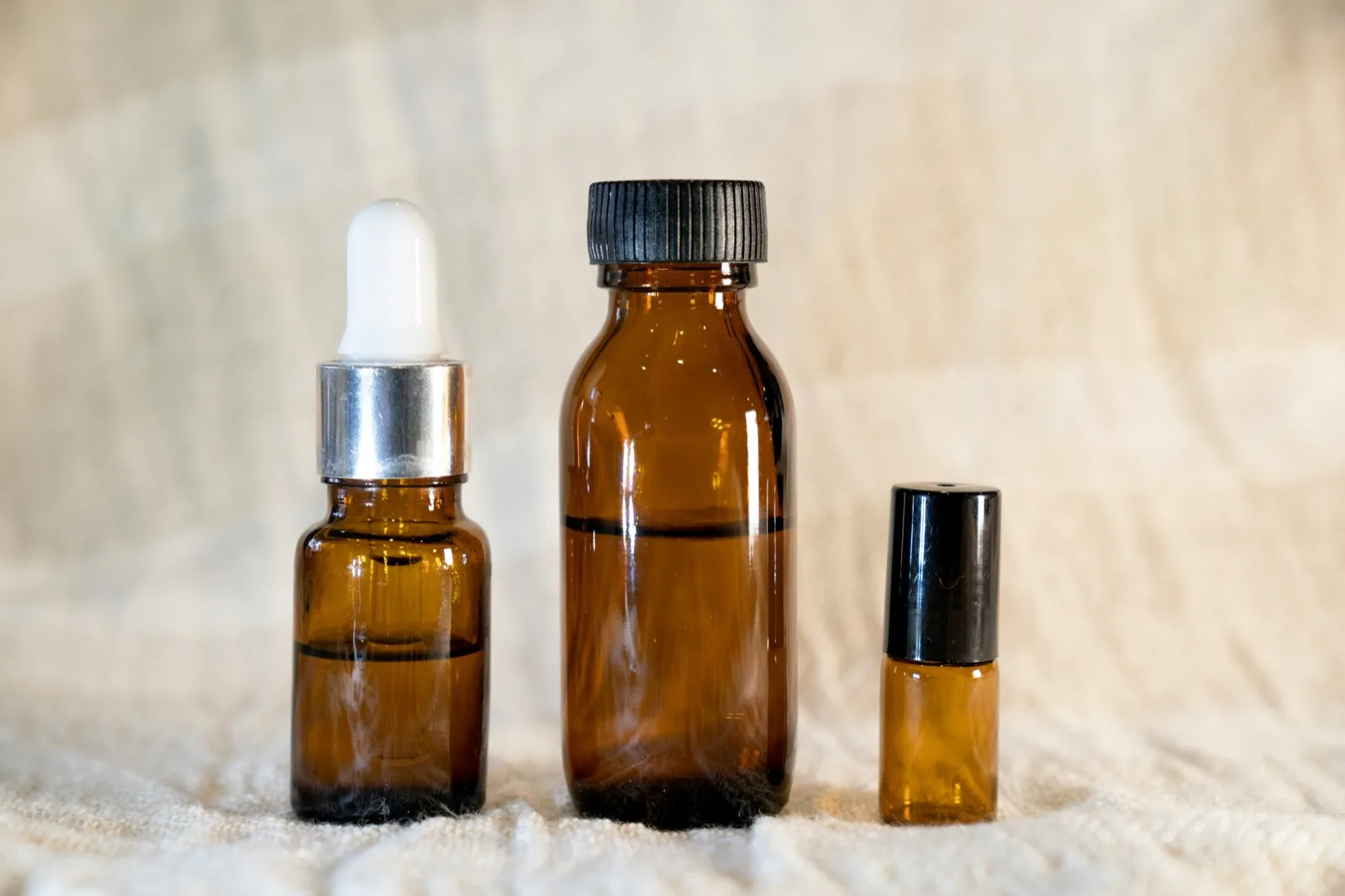
PET for Watery Formulas: Polyethylene terephthalate offers crystal clarity, making it easy to gauge remaining volume. However, avoid putting pure citrus essential oils or concentrated alcohol solutions in PET, as terpenes can induce micro-cracks.
PP/PE for Cleansing Oils and Rich Emulsions: Polypropylene and polyethylene provide exceptional chemical tolerance. Cleansing oils containing ester bases or mineral oils should always be stored in PP or PE bottles to prevent leakage and bottle degradation.
The Silicone Oil Limitation: While flexible silicone travel tubes are popular for body wash, avoid decanting silicone-heavy serums or cleansing oils into them. The oils can migrate through the silicone matrix, making the tube outer surface sticky.
Opaque or Amber Bottles for Sensitive Actives: Active ingredients like pure L-ascorbic acid (vitamin C) and retinoids degrade rapidly under light. Use opaque or UV-shielded amber containers when decanting these sensitive formulas.
Hygienic Decanting Rules: Preventing Spoilage and Oxidation
Transferring a cosmetic product exposes it to ambient air and container surfaces. Following strict hygiene protocols prevents bacterial contamination and oxidation:
Sanitize and Dry Completely: Rinse clean bottles with 70% isopropyl alcohol and let them air-dry completely inverted on a clean paper towel. Never decant into a container with residual water droplets, as moisture breeds microbial colonies.
Use Clean Dispensing Tools: Use sterilized mini funnels, designated cosmetic droppers, or clean spatulas. Never touch bottle spouts or container rims directly with bare fingers.
Decant Only a 1 to 2 Week Supply: Preservative efficacy drops once formulas are transferred into secondary plastic containers. Decant strictly what you will consume within 7 to 14 days; never store decanted products for months on end.
Label Every Container: Affix waterproof tape noting the product name and the decant date. Many Japanese travel containers include dedicated pre-printed sticker sheets for this purpose.
Smart Packing and Pressure Resistance for Flights and Gym Bags
Cabin pressure drops at high flight altitudes (typically equivalent to 6,000 to 8,000 feet), causing air trapped inside bottles to expand and push liquid past cap seals:
The 80% Fill Rule: Never fill travel bottles to the absolute brim. Leave roughly 15% to 20% air headspace so internal air can expand without forcing fluid out through the nozzle threads.
Expel Air from Squeeze Pouches: For soft laminated pouches or silicone tubes, squeeze out excess air before tightening the cap.
Double Containment in Clear Pouches: Pack liquid items inside a transparent, zippered vinyl or TPU pouch. This satisfies airport carry-on screening rules and shields clothing in case of cap loosening.
Ventilated Mesh Pouches for Gym and Onsen: For locker rooms, gym showers, and hot springs (onsen), select quick-drying mesh organizer pouches that shed water droplets and prevent mildew buildup during transit.
Signs to Stop and When to Consult a Specialist
Because decanted products lack the factory-sealed sterility of original packaging, formulas degrade faster when exposed to heat, humidity, and air. Excessive formula degradation, microbial contamination in unsterilized bottles, and oxidized lipids can trigger acute contact irritation[3] and post-travel dermatitis.
Phase Separation: If a decanted moisturizer or serum curdles, separates into watery layers, or changes consistency, discard it immediately.
Odor Shifts: Any sour, pungent, or rancid smell indicates that lipid ingredients have oxidized or bacteria have colonized the container.
Color Alterations: Yellowing or browning of clear serums signals ingredient degradation that can irritate the skin barrier.
If applying a travel-decanted product produces stinging, redness, or allergic contact dermatitis, wash the area thoroughly with mild soap and water, discontinue use, and consult a dermatologist.
FAQ
Q1. How long can decanted skincare products safely be used?
A. Consume decanted products within 1 to 2 weeks for optimal safety.(Details)
Once removed from their factory-sealed packaging, preservative protection diminishes. Limit decanted quantities to your trip length and discard any leftovers upon returning home.
Q2. Can I decant any skincare product into silicone travel tubes?
A. No, avoid storing facial oils and volatile silicones in silicone tubes.(Details)
Oils and liquid silicones can permeate porous silicone rubber walls, resulting in bottle swelling and exterior stickiness. Use rigid PP or PE plastic bottles for oil-based formulas.
Q3. How do I prevent skincare bottles from leaking during flights?
A. Leave 20% empty headspace and seal inside a zippered pouch.(Details)
Leaving air room allows ambient cabin air pressure changes without pushing liquid past screw threads. Enclosing bottles in a waterproof pouch protects luggage from accidental seepage.
Q4. Is it safe to wash and reuse plastic travel bottles?
A. Yes, provided you wash, alcohol-sanitize, and dry them thoroughly.(Details)
Wash bottles with warm soapy water to remove oil films, rinse with 70% alcohol, and let them dry completely before refilling. Replace containers if plastic becomes cloudy or brittle.
Q5. Why is decanting preferred over buying random travel miniatures in Japan?
A. Decanting maintains consistent barrier care without product shock.(Details)
Introducing unfamiliar travel-sized formulations during travel often provokes contact sensitivity. Decanting your proven regular products ensures your skin barrier remains stable.
Summary & Actionable Checklist
Maintain Regimen Consistency: Decant your everyday products to protect skin barrier stability while on the go.
Match Plastic to Formulation: Use PET for watery lotions, PP/PE for oils and creams, and avoid oils in silicone.
Practice Strict Hygiene: Disinfect bottles with alcohol, dry thoroughly, and decant only a 1-to-2-week supply.
Guard Against Flight Leaks: Leave 20% air expansion headspace and pack containers inside a zippered clear pouch.
Discard When Altered: Toss any decanted product that displays separation, discoloration, or an unusual scent.
References
The Japanese Dermatological Association. Sunburn Q&A on Photoaging and Biological Alterations in Aging Skin (Q5). https://www.dermatol.or.jp/qa/qa2/q05.html (Accessed 2026-11-24)
The Japanese Dermatological Association. Dermatological Q&A on Sunscreen Application for Long-Term Prevention (Q25). https://www.dermatol.or.jp/qa/qa3/q25.html (Accessed 2026-11-24)
The Japanese Dermatological Association. Dermatological Q&A on Contact Irritation and Scalp Friction Mechanisms (Q1). https://www.dermatol.or.jp/qa/qa4/q01.html (Accessed 2026-11-24)
Disclaimer: This article is for general information and education about Japanese cosmetics and their labels. It is not a substitute for professional medical advice, diagnosis, or treatment. Skincare results vary from person to person. Product formulas, availability, prices, and regulations change, and products sold in Japan can differ from versions sold elsewhere, so always check the current label. Do a patch test before introducing a new product, and consult a doctor or dermatologist if you have a skin condition or specific concerns.