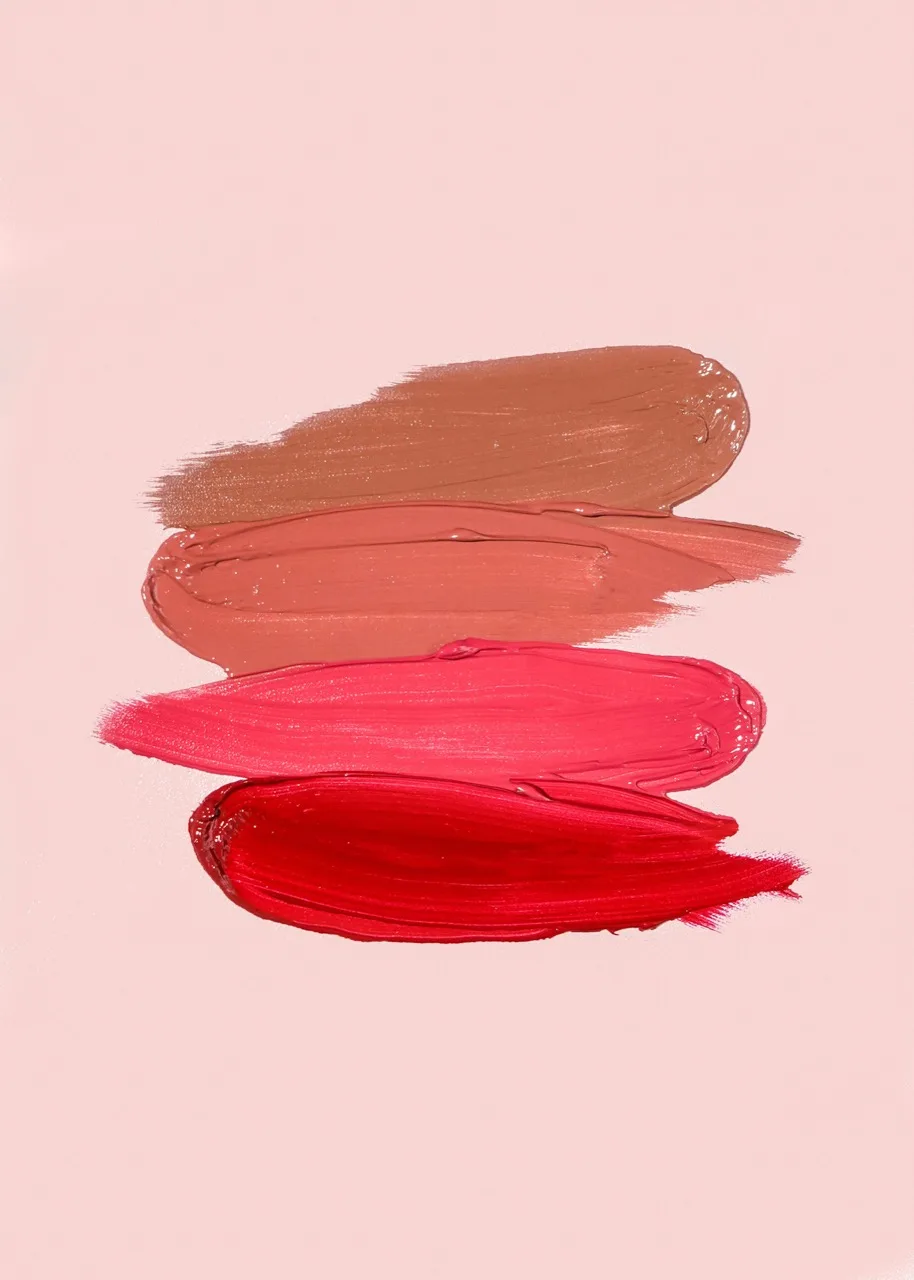
title: Japanese Water Tint Stain: Long-Lasting Lip Guide slug: japanese-water-tint-stain-long-lasting-lip category: routines publish: true author: Editorial Staff updated_at: '2026-11-23' meta_description: Explore Japanese water lip tints. Learn how oil-in-water gel formulas lock in long-lasting vibrant color while maintaining a glossy, comfortable finish. thumbnail: /images/stock/liquid-lip-color-swatches-pink.webp thumbnail_alt: Luminous Japanese water lip tint swatches showing glossy color retention and non-drying hydration
Japanese Water Tint Stain: Long-Lasting Lip Guide
Quick answer
Japanese water lip tints marry the enduring transfer resistance of color stains with the plush hydration of a lip gloss. Built upon proprietary oil-in-water gel matrices, these formulas separate upon application into two distinct layers: an inner aqueous dye phase that anchors to the lips and an outer translucent oil film that shields against evaporation. By allowing the formula to rest undisturbed for five minutes, you achieve mask-resistant color that remains supple all day.
For decades, international beauty lovers faced an exasperating cosmetic compromise: long-lasting lipsticks were notoriously drying and prone to flaking, while moisturizing lip glosses wiped off on coffee cups within minutes. Japanese cosmetic chemists answered this challenge by engineering a revolutionary hybrid category: Japanese water tint stains (watery lip tints).
Unlike conventional liquid stains that dehydrate the mucosal boundary, Japanese water tints envelop lips in a glass-like aqueous luster that refuses to budge. Here is the science behind Japan's oil-in-water gel architecture, how to apply them for maximum staying power, and why they maintain comfort through hours of wear.
What Makes Japanese Water Tints Unique: Oil-in-Water Gel Matrix
The breakthrough powering Japanese water tints lies in an advanced multi-phase emulsion known as a biphasic gel network.
When suspended in the container, micro-droplets of emollient botanical oils (such as plant-derived squalane and jojoba oil) are encapsulated within a lightweight water gel. Upon gliding across your lips:
- Phase Inversion: Body warmth and mechanical shearing cause the formula to separate into two functional layers.
- Inner Stain Bond: Water-soluble dyes adhere to the outermost stratum corneum of the lip surface, tinting the keratin without causing chemical irritation.
- Outer Protective Shield: The lightweight oil phase migrates upward, forming a glass-like, non-sticky outer barrier that locks in moisture and prevents ambient air from evaporating hydration.
Japanese water tint formulations deliver vibrant color payoff while enveloping lips in a fresh, naturally dewy luster for a pure aesthetic.[1]
Dye vs. Pigment: How Japanese Formulations Prevent Lip Peeling
Traditional matte lipsticks rely primarily on insoluble inorganic pigments (such as iron oxides) suspended in heavy waxes. These pigments sit atop the lips, pulling moisture from delicate mucosal tissue as the day progresses.
In contrast, Japanese watery tints balance soluble dyes (senryo) with fine micro-pigments. Dyes chemically tint the very surface layer of dead keratin cells, leaving zero physical powdery residue behind. Because there are no dry powder granules to cake or crack, lips remain completely smooth, flexible, and soft even as the surface sheen naturally mellows.
Dermatologists advise applying foundation sparingly in thin layers while accentuating eye and lip features to keep complexion issues visually unobtrusive.[2] Pairing lightweight sheer base makeup with an eye-catching, healthy lip stain creates an effortless, radiant focal point.

The 5-Minute Setting Rule: Achieving Mask-Proof Dewy Longevity
The single most common error consumers make when applying Japanese water tints is rubbing their lips together immediately after application.
To maximize the longevity and transfer resistance of the gel matrix:
- Wipe Lips Clean and Dry: Remove excess lip balm using a clean tissue. The water-gel matrix requires direct contact with clean lip keratin to form its protective bilayer.
- Glide in Continuous Strokes: Apply the tint smoothly from the inner center of the lips outward toward the corners using the flocky applicator tip.
- Do Not Smack Lips for 5 Minutes: Keep lips relaxed and slightly parted for five full minutes. During this crucial window, the volatile water phase evaporates, allowing the oil-gel film to rise to the surface and polymerize.
- Test the Transfer Barrier: Once set, the outer protective film shields the color beneath. You can drink from cups or wear protective face coverings with minimal transfer.
Comparison: Japanese Water Tint vs. Western Liquid Matte vs. Traditional Lip Gloss
The table below contrasts Japanese water stains with other popular lip formats:
Scroll horizontally to view full table
| Feature | Japanese Water Tint | Western Liquid Matte | Traditional Lip Gloss |
|---|---|---|---|
| Finish | Luminous, watery dewy glaze | Completely flat, opaque matte | High-shine, wet, reflective gloss |
| Transfer Resistance | High (inner stain locks into keratin) | High (dries to rigid polymer) | Low (transfers on contact) |
| Lip Feel | Weightless, aqueous, non-sticky | Tight, drying, potentially constricting | Heavy, cushioned, slightly tacky |
| Reapplication Need | Low (stain endures after oil wears off) | Medium (requires complete removal to fix) | Frequent (every 1 to 2 hours) |
| Removal Effort | Dissolves cleanly with cleansing oil | Requires intensive waterproof remover | Wipes off easily with tissue |