Lightweight Translucent Setting Powder Japan - Guide
RoutinesBy Miho Tanaka
title: Lightweight Translucent Setting Powder Japan - Guide
slug: lightweight-translucent-setting-powder-japan
category: routines
publish: true
meta_description: Master Japanese lightweight translucent setting powder techniques to control shine without white cast or chalky buildup on delicate skin.
image: /images/stock/applying-cream-on-back-of-hand.jpg
alt: Testing delicate translucent setting powder on the back of hand
date: 2026-03-30
tags:
setting powder
translucent powder
makeup routine
j-beauty
routines
Lightweight Translucent Setting Powder Japan - Guide
A hallmark of Japanese makeup aesthetics is the soft-matte, luminous finish known as marshmallow skin or semi-matte glow. Achieving this look requires setting liquid foundation and sunscreen without adding heavy opacity, settling into fine expression lines, or leaving an unwanted white chalky cast. Japanese translucent setting powders (often called lucent loose powder or oil clear powder) are formulated with micronized mineral spheres and coated sericites that diffuse surface light while allowing natural skin undertones to shine through.
Understanding the particle chemistry and precision application techniques behind Japanese setting powders allows you to lock in base makeup throughout humid commutes while keeping skin comfortable and flexible.
Quick answer: How Japanese Setting Powders Prevent White Cast and Flaking
Japanese translucent setting powders utilize surface-coated amino-acid-coated mica, synthetic fluorphlogopite, and spherical porous silica rather than heavy talc or titanium dioxide. These micronized platelets melt against facial oils without flashback or chalky residue. For optimal wear, load powder evenly into a plush velvet puff, roll the puff gently across high-movement facial zones, and sweep away excess with a soft fan brush.
Powder Milling and Surface Coating Chemistry
Traditional Western baking powders often rely on dense talc matrices and chalky minerals designed for heavy stage photography and complete dryness. In contrast, Japanese loose powders prioritize ultra-fine micronization and biocompatible surface coatings.
Cosmetic formulators in Japan frequently coat natural mica or sericite platelets with amino acids (such as lauroyl lysine) or botanical squalane. This microscopic fatty coating mimics the skin's lipid envelope, preventing the powder from drawing out essential epidermal water. The particles glide smoothly without clumping against moist foundation layers.
Protecting the Stratum Corneum from Excessive Surface Dehydration
When standard mattifying powders sit atop the face, overly aggressive oil-absorbing agents can dehydrate superficial epidermal layers, triggering tightness and micro-cracking around the eyes and mouth.
Research in PLOS ONE affirms: "The stratum corneum (SC) provides a permeability barrier that limits the inflow and outflow of water."[1] Japanese translucent powders are carefully calibrated to absorb liquid squalene and excess sebum without stripping structural ceramides from this barrier. Infusions of fermented rice bran extract, silk peptide powder, and soluble collagen keep the skin supple beneath the matte veil.
Comparing Japanese Setting Powder Formulations
Choosing between loose powders, pressed compacts, and specialized oil-control powders depends on skin dryness and daily environmental exposure.
Scroll horizontally to view full table
Powder Type
Primary Mineral Base
Visual Finish
Ideal Skin Profile
Lucent Loose Powder
Synthetic fluorphlogopite, Lauroyl lysine
Airy, soft-focus luminous veil
Normal to dry skin seeking natural radiance
Oil-Clear Blotting Powder
Porous silica, Zinc neodecanoate
Velvety semi-matte, high shine control
Oily and combination skin in humid weather
Pressed Finishing Compact
Mica, Dimethicone, Squalane
Smooth satin finish, portable touch-ups
Daily commuters needing midday blotting
Color-Balancing Lavender Powder
Ultramarine tint, spherical silica
Translucent clarity, brightens sallow tone
Dull, fatigue-prone skin needing light correction
Step-by-Step Technique: The Plush Puff Rolling Method
Applying translucent powder without disturbing underlying cream foundation requires the classic Japanese velvet puff rolling technique.
1. Inverting and Loading the Velvet Puff
Place the plush puff firmly over the sifter holes and invert the jar once. Rather than applying the powder directly from the sifter onto the skin, fold the puff in half and knead it gently between both palms. This crucial step drives the loose particles deep into the velvet fibers, preventing concentrated chalky clumps.
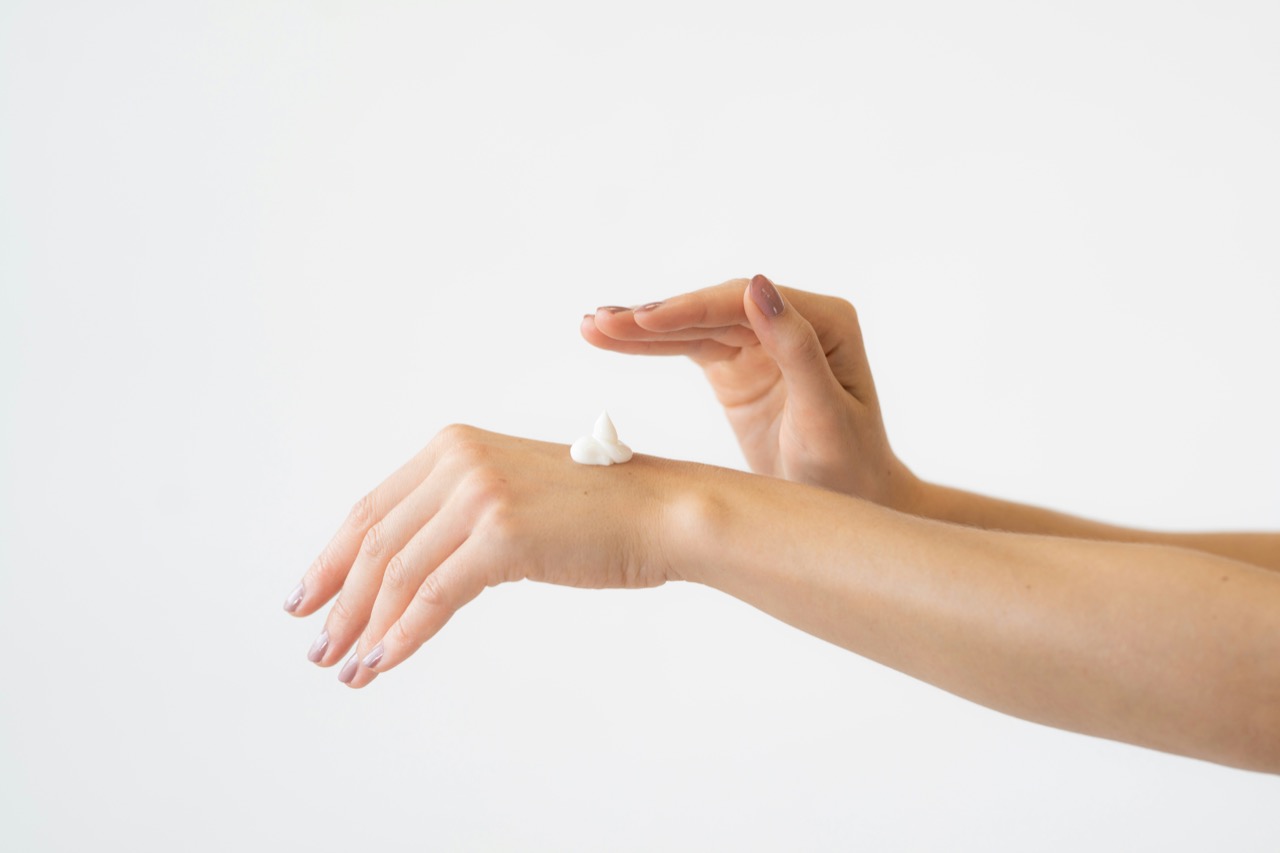
2. Testing on the Back of the Hand
Tap the puff against the back of your wrist or hand. Only a whisper-thin, translucent dusting should emerge. If visible white circles appear, continue kneading the puff until dispersion is uniform.
3. The Rolling Press Motion
Starting from the outer jawline and moving inward toward the T-zone, gently roll the curved surface of the puff across the skin. Avoid buffing or dragging back and forth, which can shear away the underlying foundation and SPF shield.
4. Sweeping Away Residual Dust
After allowing thirty seconds for the powder to bind with skin warmth, take a clean, large dome powder brush and softly dust down the facial perimeters. This step removes surplus surface particles and leaves a polished, natural sheen.
Cleansing Protocols for Mineral Setting Formulas
Although translucent setting powders feel featherweight, surface-coated minerals and oil-adhering polymers resist simple water splashes.
Evening Oil Cleansing: Always begin with a gentle cleansing oil or micellar gel to dissolve coated micas and hydrophobic silicones thoroughly.
Avoid Over-Scrubbing: The ultra-fine particles of Japanese powders do not bind deeply in pores; there is no need for abrasive exfoliating sponges or harsh scrubs that can abrade the skin surface.
Replenish with Hydrating Lotion: Follow double cleansing with a humectant-rich Japanese lotion (kesho-sui) containing multi-weight hyaluronic acid to restore superficial water balance.
Signs to Stop and When to Seek Medical Advice
Japanese translucent setting powders follow strict cosmetic purity standards, but individual contact irritations to specific mineral binders can occur.
Discontinue product use immediately if you notice:
Pruritus, itching, or unexpected burning across the cheeks or forehead
Fine, pin-point follicular bumps developing after powder application
Severe scaling, localized flaking, or dry redness that worsens with powder use
Swelling around the delicate eye contours or along the lip line
If facial redness, burning, or contact dermatitis symptoms persist past 48 hours without product use, consult a licensed dermatologist.
FAQ
Q1. Will translucent setting powder cause a white flashback in flash photography?
A. Japanese powders avoid flash bounce by minimizing silica and titanium dioxide levels.(Details)
Camera flashback occurs when high concentrations of pure silica spheres or titanium dioxide bounce intense flash strobe light back to camera lenses. Japanese lucent formulas replace coarse white minerals with transparent synthetic mica and amino-acid-coated minerals, avoiding ghostly reflection in photographs.
Q2. Can I use setting powder directly over sunscreen without foundation?
A. Yes, dusting powder over sunscreen reduces stickiness and extends wear.(Details)
Setting sunscreen with a translucent powder is a common Japanese daily habit. It removes the tacky residue left by emollient chemical and physical UV filters, prevents environmental pollen and dust from adhering to the skin, and creates a soft, shine-free natural appearance.
Q3. How do I prevent setting powder from settling into under-eye fine lines?
A. Apply a minimal amount using a small fluffy eyeshadow brush rather than a puff.(Details)
Under-eye skin has minimal oil glands and moves constantly. To prevent creasing, lightly blot excess concealer with tissue first, pick up a tiny amount of translucent powder with a soft blending brush, tap off the excess, and lightly press under the eyes without packing heavy powder.
Q4. What is the difference between loose powder and pressed powder?
A. Loose powder offers a more airy finish, while pressed compacts provide convenient portability.(Details)
Loose setting powder contains minimal binding oils, allowing it to deposit an exceptionally airy, weightless veil across the skin for morning application. Pressed powders incorporate emollient binders and lightweight waxes to hold cake shape, making them ideal for mess-free purse storage and midday touch-ups.
Q5. Will translucent setting powder dry out sensitive or combination skin?
A. Formulas with amino-acid coatings and squalane help preserve moisture levels.(Details)
While unrefined mineral powders can feel dehydrating, modern Japanese formulas include skin-conditioning emollients that preserve moisture balance. Target powder application primarily on the forehead, nose, and chin, leaving drier cheek areas lightly dusted or bare.
Summary
Japanese lightweight translucent setting powders bridge the gap between durable shine management and radiant skin health. By utilizing coated synthetic fluorphlogopite, porous spherical silicas, and gentle humectant binders, these products control surface oil without forming chalky masks or white camera flashback. Integrating the classic velvet puff rolling technique ensures a long-lasting, soft-matte finish while safeguarding the epidermal moisture barrier.
Disclaimer: This article is for general information and education about Japanese cosmetics and their labels. It is not a substitute for professional medical advice, diagnosis, or treatment. Skincare results vary from person to person. Product formulas, availability, prices, and regulations change, and products sold in Japan can differ from versions sold elsewhere, so always check the current label. Do a patch test before introducing a new product, and consult a doctor or dermatologist if you have a skin condition or specific concerns.