title: Japanese UV Spray vs UV Powder: Differences & How to Use meta_description: Compare Japanese UV spray and UV powder. Learn how to choose between aerosol mists and setting powders for easy touch-ups, shine control, and body care. category: sun-care published_at: 2026-11-14 updated_at: 2026-11-14 fact_checked_at: 2026-11-14 author: Miho Tanaka thumbnail: /images/stock/flawless-drugstore-skincare-results-summary.jpg thumbnail_alt: A woman checking her makeup and touching up sun protection in an outdoor cafe setting affiliate: false ja_equivalent: null publish: false
Japanese UV Spray vs UV Powder: Differences & How to Use
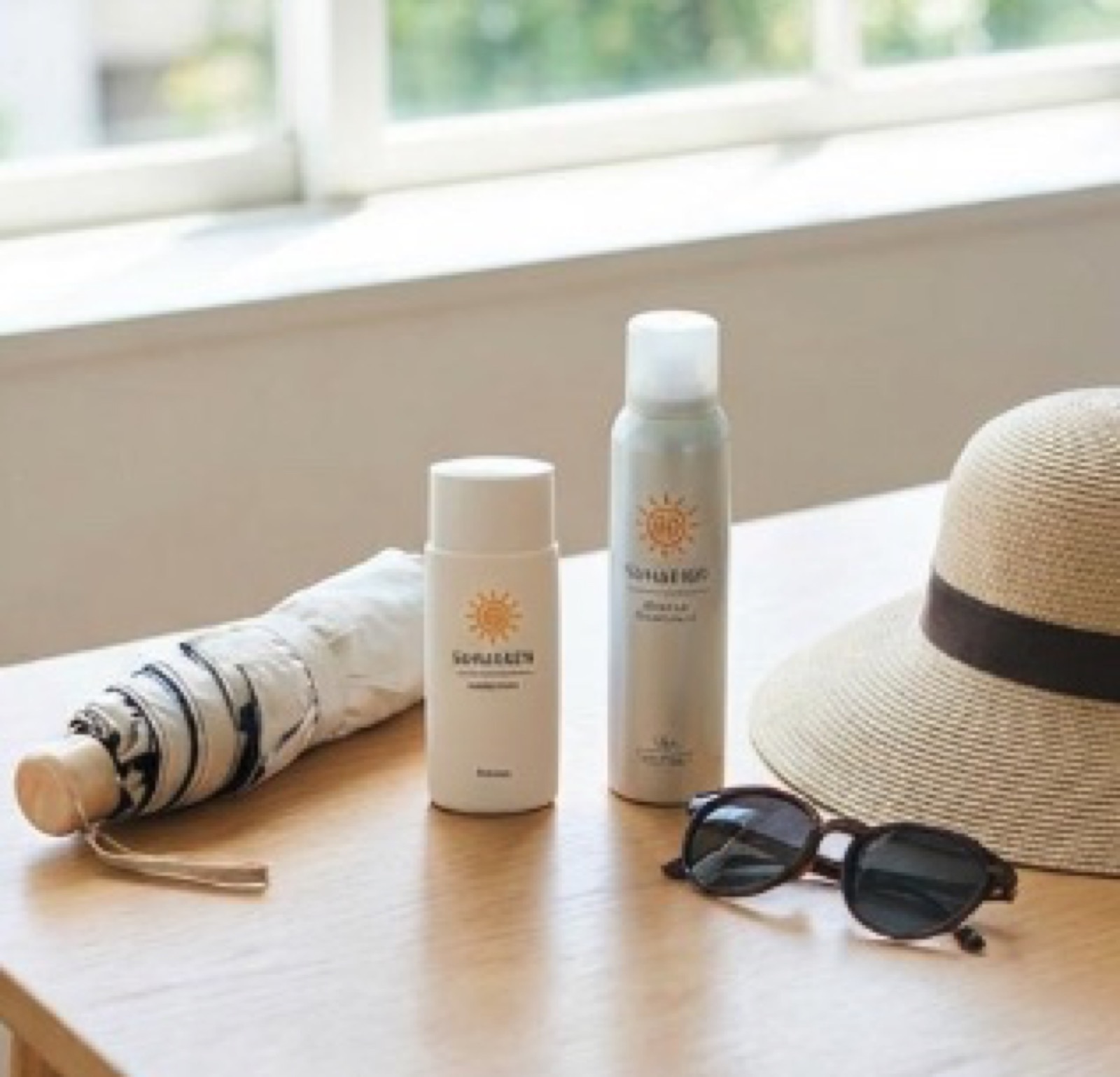
While traditional liquid sunscreens provide the primary barrier in Japanese morning routines, maintaining photoprotection throughout a busy day demands portable, touch-free solutions. Two Japanese beauty staples dominate midday top-ups: aerosol UV sprays and compact UV powders. Both offer broad-spectrum SPF 50+ PA++++ coverage, yet they serve very different skin types, cosmetic finishes, and body zones.
Understanding how to leverage both formats allows you to refresh your UV defense effortlessly without smudging makeup or leaving a sticky residue.
Quick answer: Which Format Should You Choose?
- Choose UV Spray: When you need rapid, touch-free reapplication over hair, scalp partings, back of the neck, arms, or over makeup when on the move.
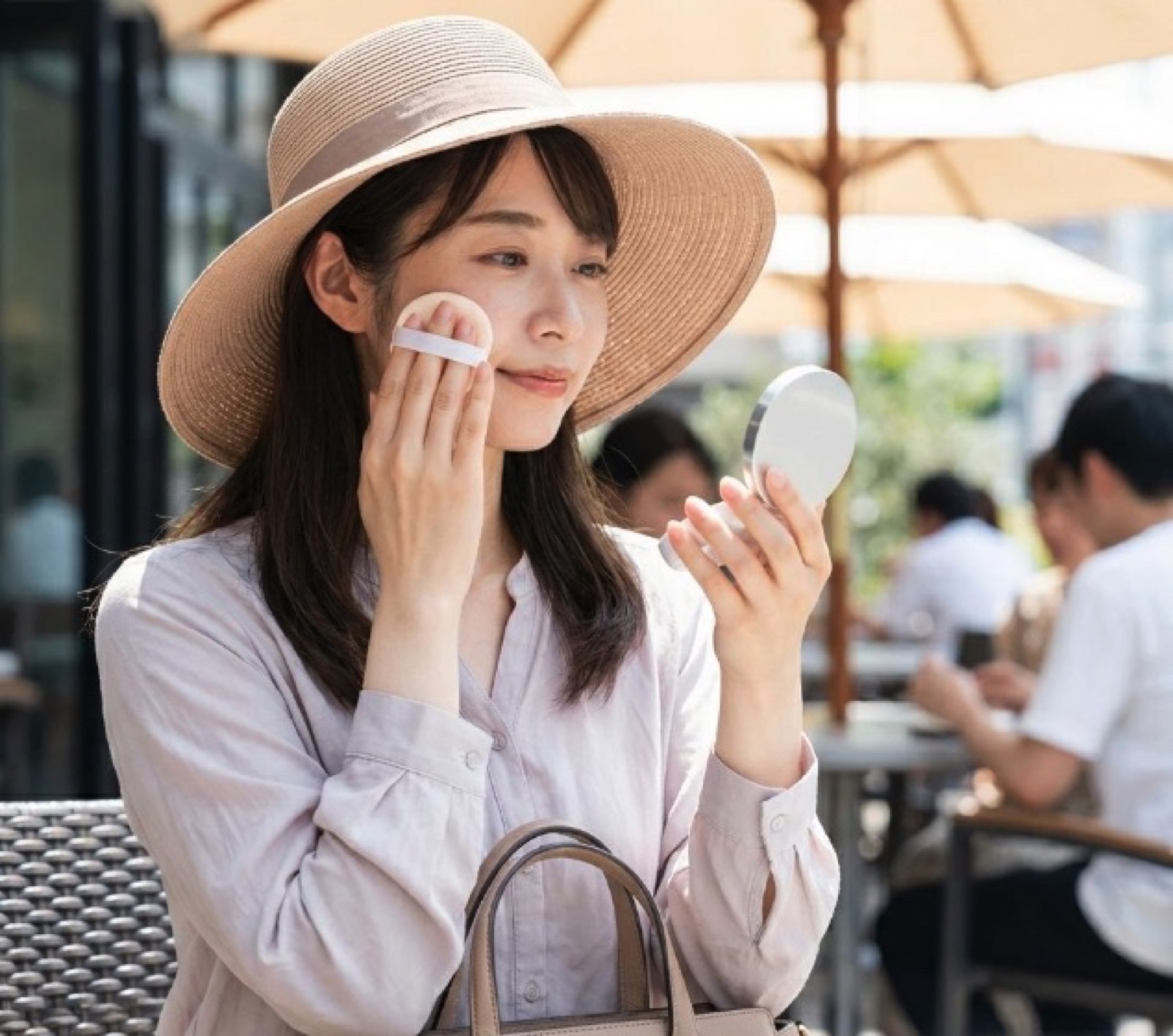
- Choose UV Powder: When your facial T-zone is oily, you want to set foundation, blur pores, and reduce midday shine while replenishing mineral filters.
- Can You Combine Both? Yes. Use powder on facial shine zones and spray on exposed hair, shoulders, and body contours.
Understanding Japanese UV Sprays vs UV Powders
In Japanese dermatological research, convenience directly influences compliance. Morning sunscreen films break down due to sweat, sebum, and environmental abrasion. Corporate research documentation from Shiseido emphasizes that consistent daytime protection requires diverse product formats that adapt to everyday lifestyles and environmental exposure.[1]
According to Kao Corporation personal health and hygiene research, environmental stressors including sweat and physical friction gradually degrade initial sunscreen barriers.[2] To counteract this breakdown without removing foundation, Japanese formulators engineered complementary top-up formats:
- UV Sprays (Aerosol & Fine Mist): Utilize volatile solvents and liquefied propellants to dispense micro-droplets of transparent chemical filters. They deposit an ultra-light, continuous veil across curved skin contours and hair strands.
- UV Powders (Loose & Pressed Minerals): Suspend physical filters like zinc oxide and titanium dioxide in talc, silica, or mica spheres. They absorb surface sebum while deflecting solar rays mechanically.
When to Choose a Japanese UV Spray
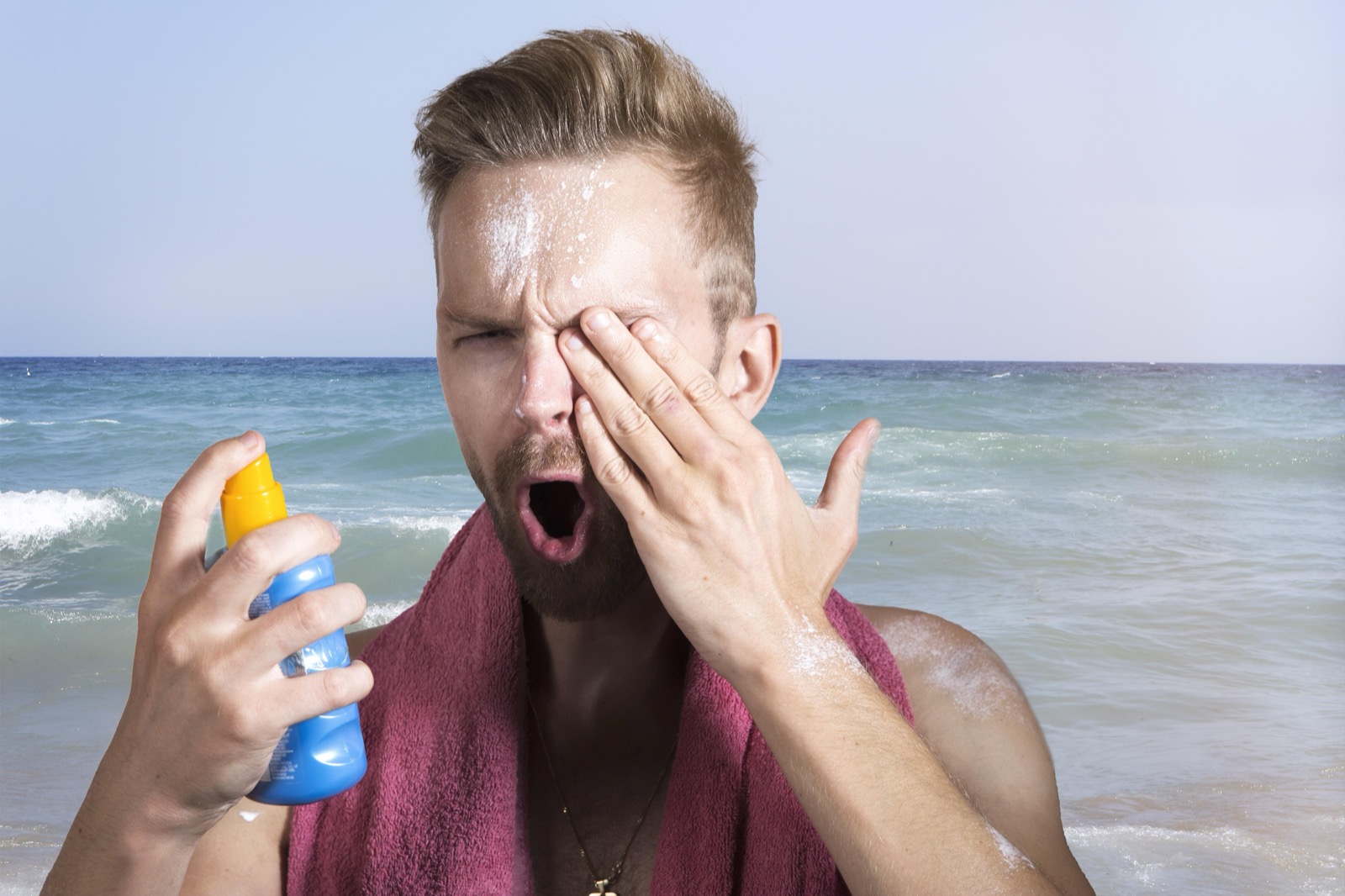
Japanese UV sprays are celebrated for their sheer speed and multi-zone versatility. Because they require zero hand-to-face friction, they are the preferred tool when you cannot wash your hands before touching your skin.
Key Strengths of UV Sprays
- Hair and Scalp Protection: UV sprays are the only practical way to shield the scalp parting and hair cuticles from ultraviolet damage without causing greasy clumps.
- Body and Hard-to-Reach Zones: The aerosol actuator works evenly across shoulders, collarbones, upper back, and legs in seconds.
- Completely Sheer Finish: High-quality Japanese sprays dry completely clear, leaving zero white cast across all skin tones and beard hair.
How to Apply UV Spray Safely and Evenly
- Shake the canister vigorously for at least five seconds to distribute filters evenly.
- Never spray directly onto your face from close range. Hold the canister at least 20 centimeters (8 inches) away.
- Close your eyes and mouth firmly, hold your breath briefly, and mist across your face in an "S" or circular motion for two seconds.
- Alternatively, spray a generous pool into your cupped palms and lightly press it onto facial contours.
When to Choose a Japanese UV Powder
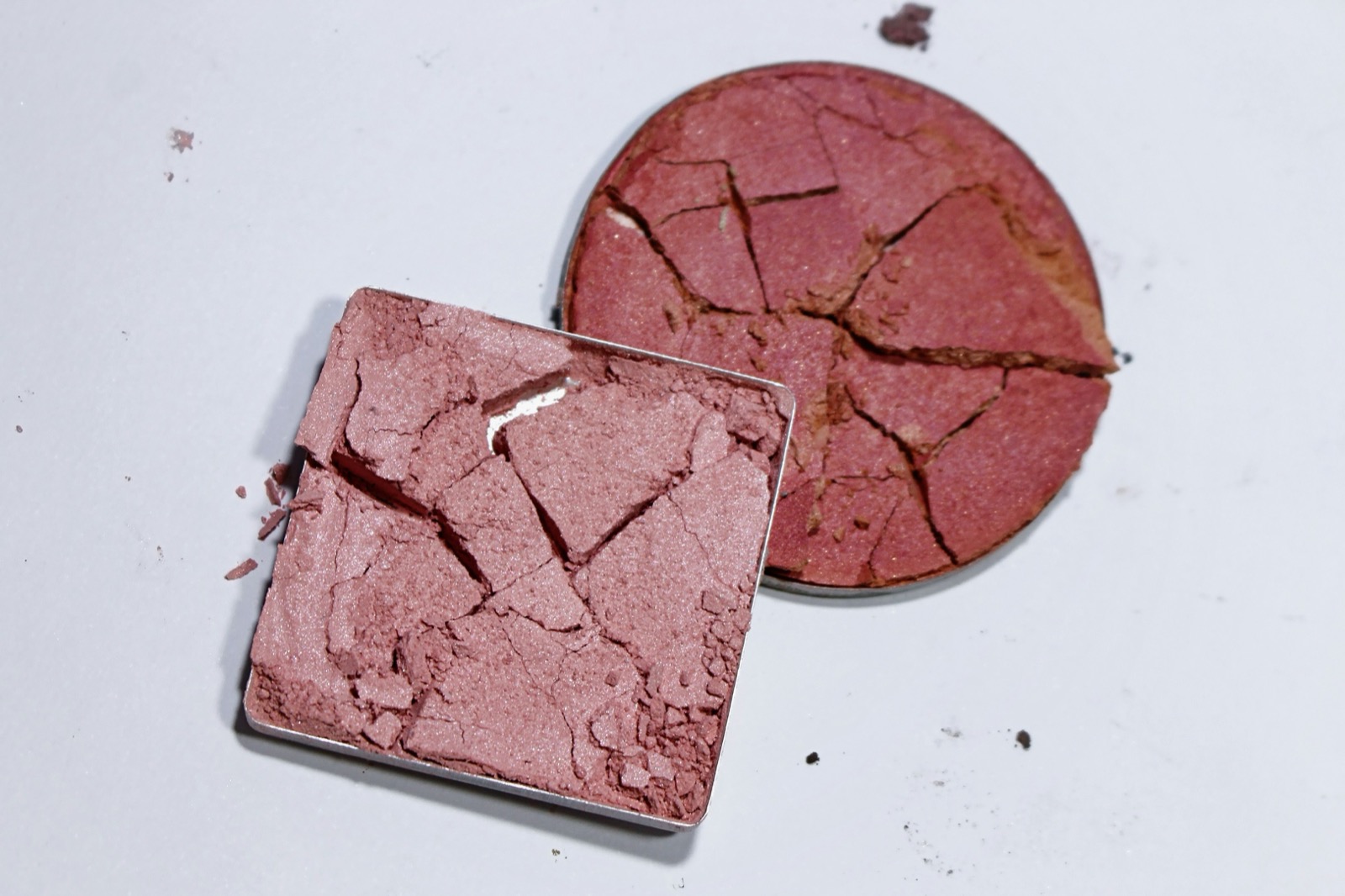
For individuals with oily, combination, or acne-prone skin, UV powders provide practical shine management alongside ultraviolet protection.
Key Strengths of UV Powders
- Immediate Shine Control: Porous silica and starch particles soak up midday sebum, restoring a clean, velvety soft-matte finish.
- Pore Blurring Effect: Optical light-diffusing mineral pigments minimize the visual appearance of enlarged pores and redness without heavy foundation cakeyness.
- Gentle Mineral Defense: Most Japanese UV powders rely on inorganic physical filters (zinc oxide and titanium dioxide), which are naturally calming for reactive or rosacea-prone complexions.
How to Apply UV Powder Without Caking
- First, blot away accumulated sweat and excess oil using a tissue or Japanese blotting sheet (aburatorigami).
- Swirl a fluffy kabuki brush or tap a velvet puff into the compact, gently tapping off excess dust.
- Press the powder lightly onto the forehead, nose bridge, and chin. Sweep softly outwards toward the hairline.
- Avoid layering heavy powder over dry patches or flaking blemishes.
Direct Comparison: Japanese UV Spray vs UV Powder
The table below contrasts formulation characteristics, ideal usage contexts, and performance attributes:
Scroll horizontally to view full table
| Feature | Japanese UV Spray | Japanese UV Powder |
|---|---|---|
| Primary UV Filters | Chemical filters (organic absorbers) | Physical mineral filters (zinc oxide, titanium dioxide) |
| Skin Finish | Dewy, invisible, or natural satin | Soft-matte, anti-shine, blurred texture |
| Best For | Hair, scalp, body, and dry/normal facial skin | T-zone touch-ups, oily skin, setting makeup |
| Application Tool | Pressurized aerosol nozzle | Flocking puff, cushion sponge, or powder brush |
| Portability & Travel | Great for local bags (aerosol restrictions may apply on flights) | Airport friendly, spill-proof compact with mirror |
| Water Resistance | Often rated super-waterproof (friction-resistant) | Moderate; easily refreshed after perspiring |