title: Tinted Sunscreen as Foundation: The Japanese Skin-Like Base description: Learn how to use Japanese tinted sunscreen as your daily foundation. Discover tone-up color theory, skin-like finishes, and effortless UV protection without cakeyness. published_at: '2026-11-14' updated_at: '2026-11-14' fact_checked_at: '2026-11-14' author: Miho Tanaka fact_checker: Miho Tanaka thumbnail: /images/stock/importing-japanese-skincare-shipping-tubes-shadows.jpg thumbnail_alt: White minimalist tinted sunscreen tubes with soft natural lighting and shadow category: sun-care tags:
- tinted sunscreen
- tone up base
- j-beauty
- natural makeup
- sun protection
Tinted Sunscreen as Foundation: The Japanese Skin-Like Base
For decades, base makeup was dominated by high-coverage liquid foundations designed to mask every freckle, pore, and slight variation in tone. However, in modern Japanese beauty culture, an increasing number of consumers have abandoned heavy liquid foundations entirely. Instead, they rely on a sophisticated alternative: Japanese tinted sunscreens and color-correcting tone-up UV bases (shitaji).
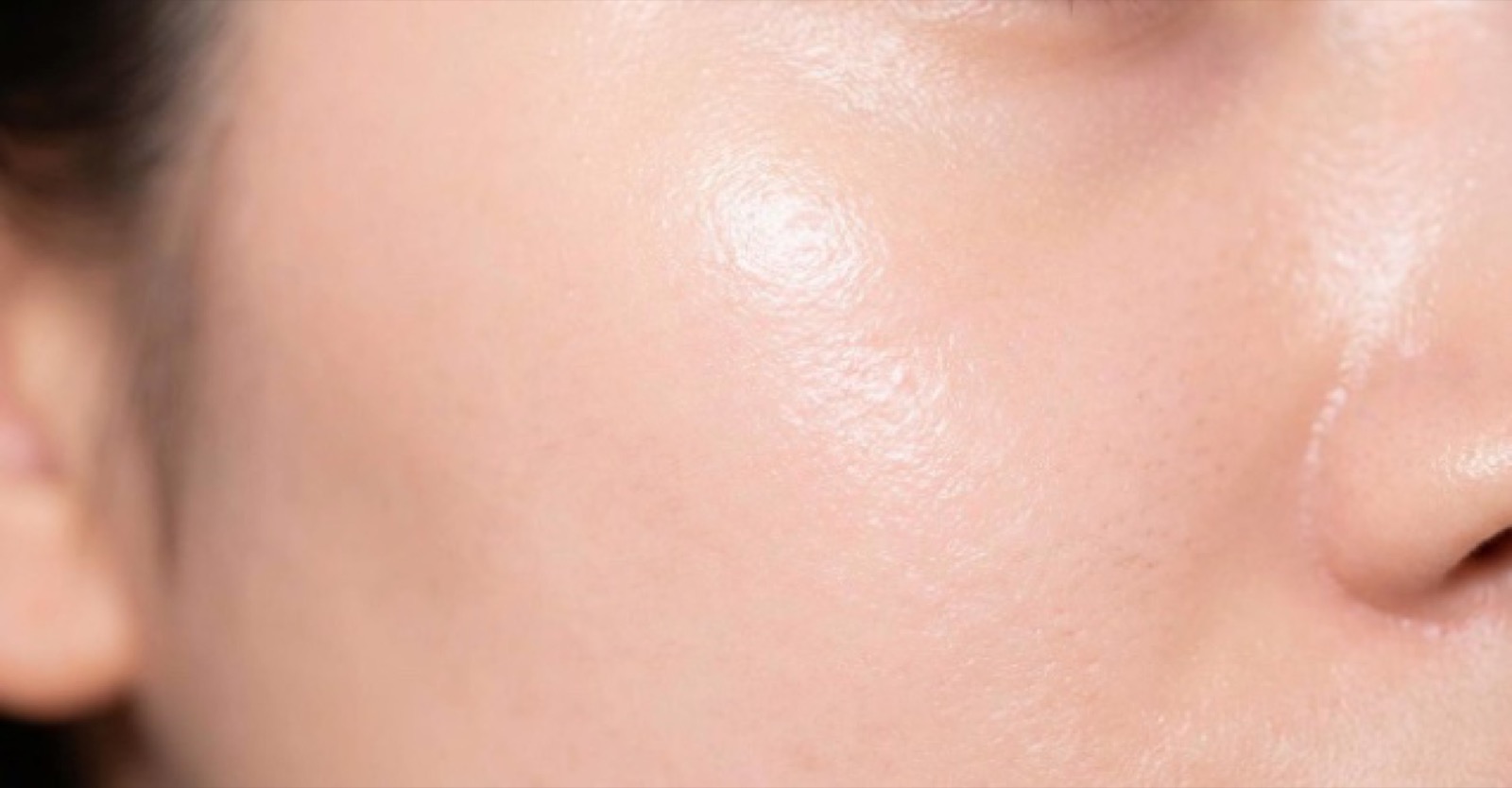
Rather than concealing the face beneath an opaque layer of heavy pigment, Japanese tinted sunscreens utilize optical light dispersion, sheer botanical tints, and broad-spectrum UV filters. This approach achieves tomeikan—a coveted translucent, lit-from-within clarity that lets authentic skin texture shine through while defending against photoaging. If you have ever struggled with foundation separating in hot weather, sinking into pores, or feeling like an occlusive mask by midday, replacing your foundation with a Japanese tinted sunscreen is a transformative shift.
Quick answer: The Japanese Tinted UV Base Advantage
- Translucence Over Masking: Uses optical pearl refraction and color theory to soften discoloration rather than suffocating skin with dense pigments.
- Verified Maximum Protection: Meets rigorous Japanese standards offering broad-spectrum SPF 50+ and PA++++ defense against both UVA and UVB rays.
- Seamless Skin-Like Finish: Fluid emulsions blend invisibly, avoiding the telltale cakey tide lines around the jawline and hairline.
- Graceful Wear: Resists midday humidity and sebum; instead of cracking or caking, it simply melts into a soft, healthy dewy sheen.
Why Japanese Beauty Ditched Heavy Foundation for Tinted UV Bases
The transition from full-coverage foundation to tinted sunscreens reflects a fundamental evolution in how Japanese consumers view base makeup:
1. The Death of the "Pancake" Mask
Heavy matte foundations create an unnatural, flat uniformity across the face. In natural daylight or high-definition cameras, this heavy layer emphasizes fine lines, dry patches, and peach fuzz. Japanese aesthetic sensibilities value vitality and natural texture over artificial perfection. A tinted sunscreen evens out tone while leaving natural facial contours visible.
2. High Humidity and the "Midday Slide"
Japanese summers are notoriously humid, causing sebum and perspiration to surface rapidly. When sweat mixes with heavy foundation and setting powders, the base disintegrates into patchy clumps. Tinted sunscreens, by contrast, possess virtually no heavy talc or dense pigments to break down. When sebum breaks through, the result appears as fresh, dewy radiance rather than a ruined makeup mask.
3. Preserving the Skin Barrier
Wearing thick layers of primer, foundation, concealer, and powder demands aggressive evening double cleansing to dislodge pigments trapped in pores. Over time, excessive cleansing strips intercellular lipids, compromising the skin barrier. A breathable tinted UV base removes easily with a gentle foaming cleanser or light cleansing milk, preventing chronic barrier irritation.
Corporate beauty innovators, including Shiseido Company, Limited, consistently advance optical light-scattering research and photoprotective skincare foundations to enhance natural skin luminosity [1].
Understanding Japanese Tone-Up and Tinted UV Classifications
Japanese cosmetic formulators do not simply add beige pigment to sunscreen bottles. Instead, they categorize tinted UV bases through color-correcting optics and functional undertones:
1. Violet and Lavender Tone-Up Bases
Lavender is arguably the most popular tone-up shade in Japan. Formulated by balancing cool blue pigments with warm pink undertones, lavender cancels out dull, yellowish sallow tones (kigumi) caused by glycation and fatigue. It imparts an instant ethereal brightness and cool-toned clarity that makes the skin appear refreshed and awake.
2. Mint and Green Tone-Up Bases
Designed specifically for skin prone to flushing, acne scars, or broken capillaries around the nose and cheeks. Green directly cancels red tones on the color wheel. Japanese mint-tinted bases are sheer enough that they do not leave an ashen cast; instead, they harmonize redness into a balanced, neutral ivory canvas.
3. Rosy and Pink Tone-Up Bases
Ideal for fair, tired, or mature complexions that appear pale or lackluster. Pink bases infuse the skin with a healthy rush of blood flow (keishokukan), evoking the soft rosy flush seen after soaking in a traditional hot spring (onsen).
4. Natural Beige and Skin-Tone Blurring Milks
For those seeking subtle coverage closest to a sheer BB cream or tinted moisturizer, neutral beige Japanese sunscreens utilize micro-encapsulated mineral pigments. These formulas adapt to natural skin tones upon application, softly diffusing dark spots, enlarged pores, and minor blemishes without looking like makeup.
Major Japanese beauty conglomerates like Kao Corporation develop micro-defense formulation science to ensure uniform daily UV coverage while maintaining weightless skin comfort [2].
Application Techniques for an Undetectable Skin-Like Finish
To achieve the best results when using tinted sunscreen as your sole base, adopt the application methods refined by Tokyo makeup artists:
The Two-Finger Rule (Adequate UV Defense)
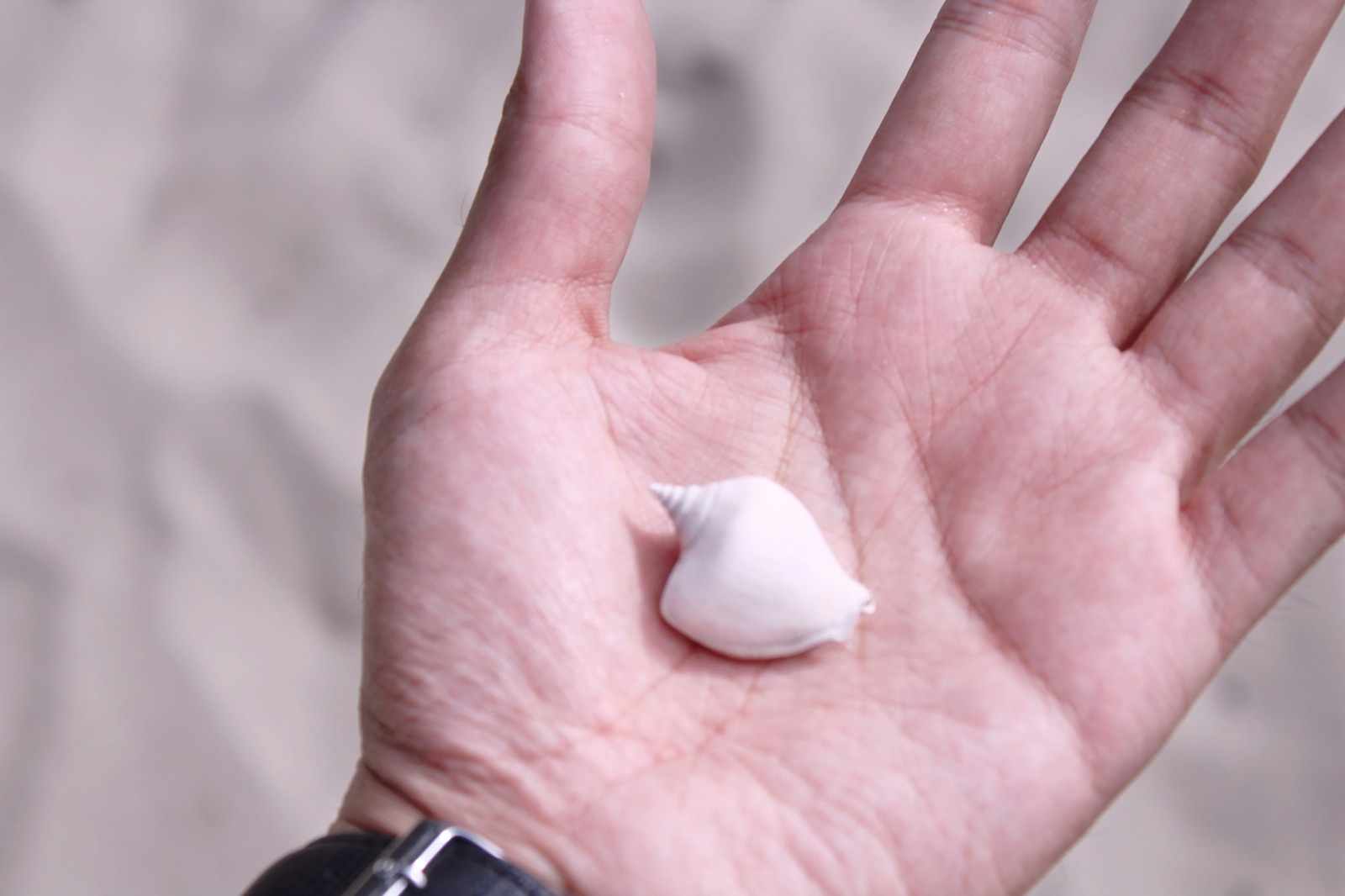
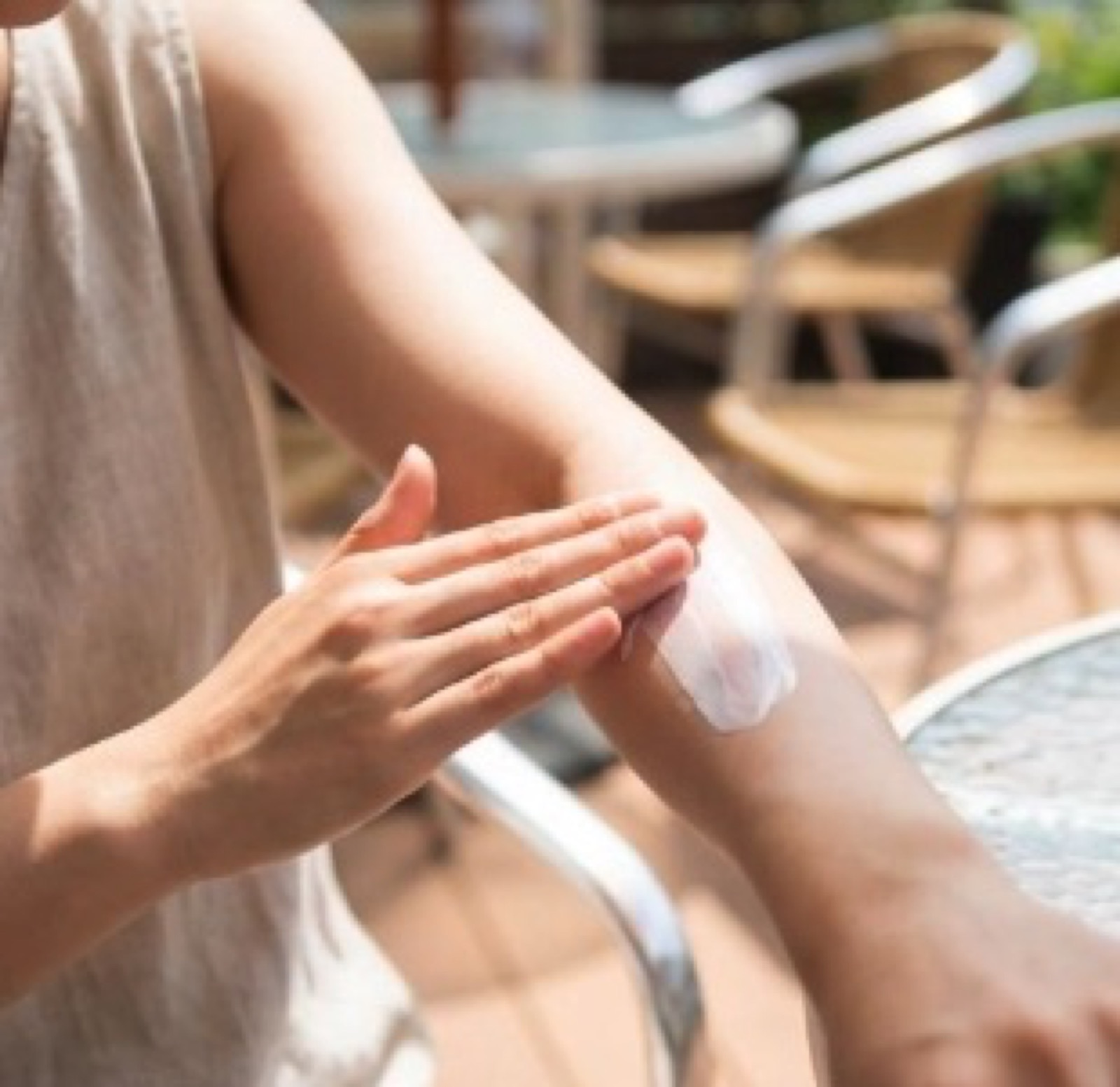
Because this product serves as your primary sunscreen, you must apply enough product to achieve its stated SPF and PA ratings. Squeeze two full strips of tinted sunscreen along the lengths of your index and middle fingers (approximately 1/4 teaspoon for the face and neck).
The Center-Outward Press Method
- Warm the Product: Rub the fluid lightly between your fingertips for three seconds to bring it to skin temperature.
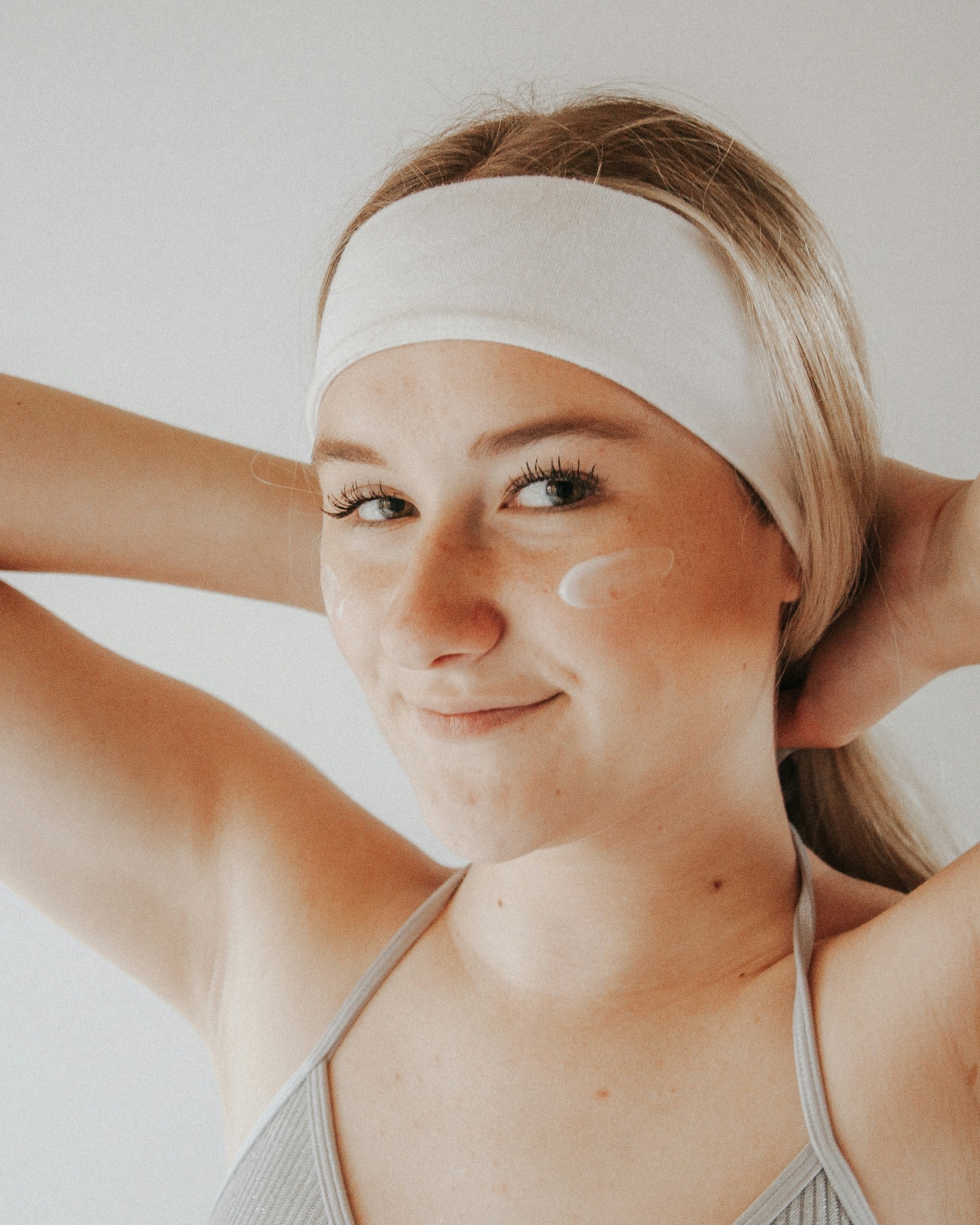
- Press the Center Triangle: Begin by pressing the bulk of the product onto the center of your face—the bridge of the nose, the apples of the cheeks, the center of the forehead, and the chin. These areas naturally experience the most sun exposure and facial redness.
- Fade Outward: Using gentle tapping and gliding motions, blend the remaining thin veil outward toward the temples, hairline, and jawline. This natural gradient creates subtle dimension, making the face look sculpted without heavy contouring.
- Extend Down the Neck: Smooth whatever remains down your throat and décolletage to prevent an unnatural line of demarcation between face and neck.
Pinpoint Micro-Concealing
If you have an active hormonal breakout or prominent hyperpigmentation, resist the urge to apply a second layer of tinted sunscreen over the entire face. Instead, take a fine-tipped brush, dab a tiny dot of high-adhesion concealer directly onto the specific blemish, and tap the edges into the surrounding sunscreen veil. Eighty percent of your face remains fresh and bare.
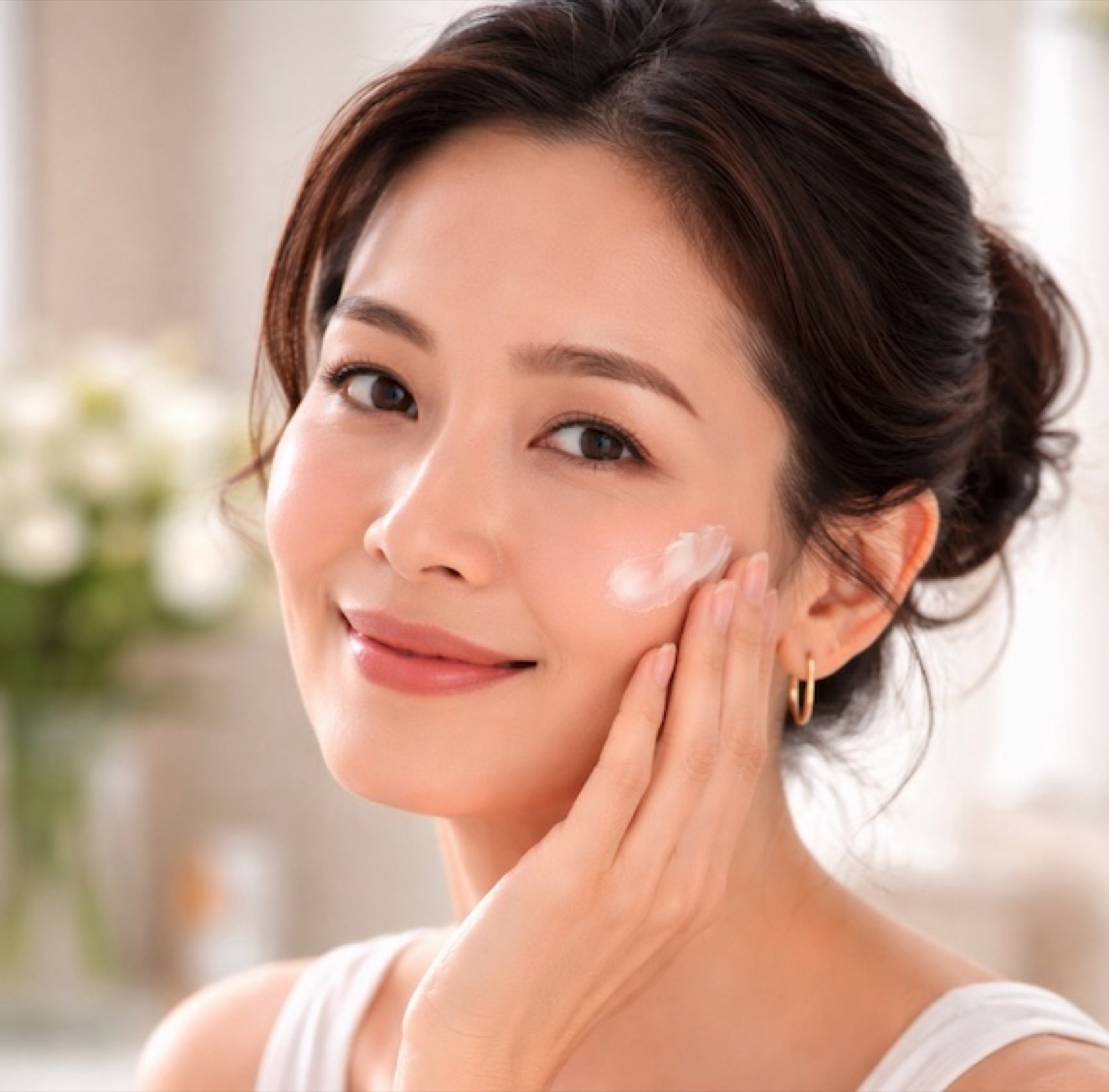
Comparative Analysis: Full-Coverage Liquid Foundation vs Japanese Tinted UV Base
Scroll horizontally to view full table
| Parameter | Traditional Liquid Foundation | Japanese Tinted UV Base |
|---|---|---|
| Coverage Mechanism | High-opacity iron oxide pigments masking skin | Micro-fine optical pearl refraction and sheer color tints |
| Sun Protection | Rarely sufficient (typically SPF 15–20, low PA) | Verified broad-spectrum SPF 50+ and PA++++ |
| Tactile Sensation | Noticeable layer, can feel heavy or drying | Watery essence or milky serum, weightless comfort |
| Pore Interaction | Can settle into pores, emphasizing texture | Blurs pore edges through optical light diffusion |
| Removal Effort | Intensive oil cleansing or balms required | Easily removed with regular foaming cleanser |