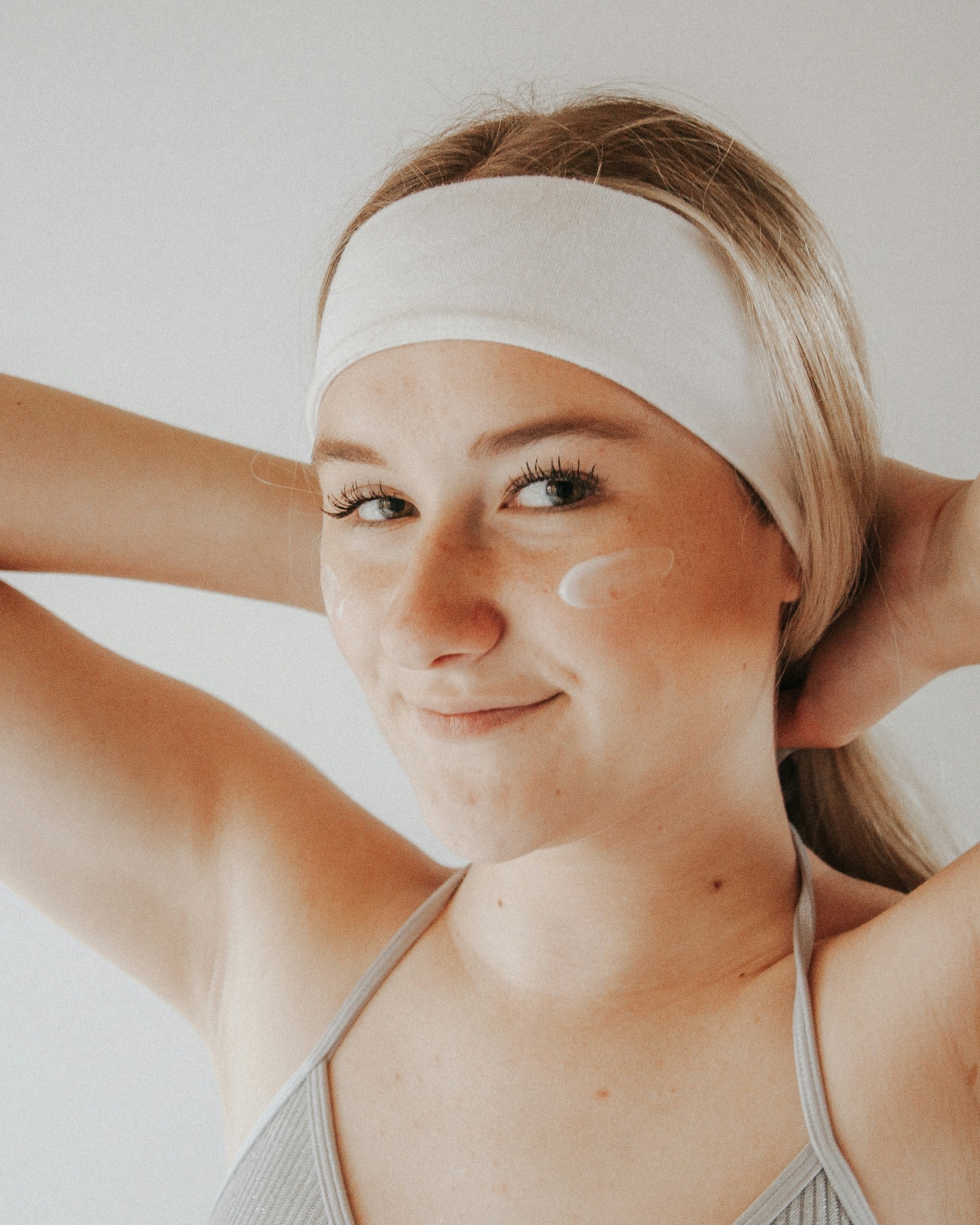
title: Year-Round Sunscreen Habit in Japan: Complete Daily Guide meta_description: Discover why the year-round sunscreen habit is central to Japanese skincare. Learn how daily UVA defense in winter, rain, and indoors prevents photoaging. category: sun-care published_at: 2026-11-14 updated_at: 2026-11-14 fact_checked_at: 2026-11-14 author: Miho Tanaka thumbnail: /images/stock/japanese-daily-morning-sunscreen-hero.jpg thumbnail_alt: A woman completing her daily morning skincare ritual by applying sunscreen before leaving home affiliate: false ja_equivalent: null publish: false
Year-Round Sunscreen Habit in Japan: Complete Daily Guide
In many parts of the world, sunscreen is viewed as seasonal gear—something packed into a beach tote during July and forgotten by October. In Japan, however, sunscreen is considered a non-negotiable final step of the morning skincare routine 365 days a year. Regardless of whether the forecast predicts heavy rain, sub-zero winter temperatures, or an afternoon spent indoors, applying sunscreen is treated with the same daily inevitability as brushing one's teeth.
This cultural dedication is not driven by vanity alone, but by a profound understanding of photobiology. By targeting long-wave UVA rays that persist through clouds and window glass year-round, Japanese consumers protect structural dermal proteins and maintain clear, luminous skin over decades.
Quick answer: Why Japanese People Wear Sunscreen Year-Round
- UVA Rays Do Not Hibernate: While burning UVB rays peak in summer, aging UVA rays remain intense throughout autumn, winter, and overcast days.
- Glass Does Not Stop UVA: Standard window glass blocks UVB but permits up to 75% of UVA rays to reach your skin during indoor work or driving.
- Prevention Beats Correction: Protecting collagen and elastin from photo-oxidation daily is far more effective than trying to manage photodamage later.
- Seasonal Texture Switching: Japanese formulators create rich hydrating creams for dry winters and cooling watery gels for humid summers, making daily wear effortless.
The Philosophy of Prevention: Why Sunscreen Is Not Just for Summer
Japanese beauty culture has long prioritized yobo biyoh (preventative beauty) over corrective interventions. Sun exposure is widely recognized as the single largest cause of premature skin aging, responsible for up to 80% of visible facial wrinkles and hyperpigmentation.
According to Shiseido corporate sustainability and photobiology reports, long-term skin health depends on preventative photoprotection applied regardless of season or weather.[1] In the Japanese perspective, treating sunscreen as occasional beachwear leaves the skin vulnerable to cumulative, low-level cellular damage during daily commutes, morning coffee runs, and indoor desk work.
Understanding UVA vs UVB: The Silent Winter Threat
Solar ultraviolet radiation consists of two primary wavelengths that reach the Earth's surface:
- UVB (290–320 nm): The "Burning" Ray: UVB delivers intense surface energy that causes sunburn, DNA mutation, and immediate tanning. UVB intensity varies dramatically across seasons, dropping significantly during winter months in northern latitudes.
- UVA (320–400 nm): The "Aging" Ray: UVA makes up roughly 95% of all ultraviolet radiation reaching the ground. Long-wave UVA penetrates deep into the dermal matrix, stimulating matrix metalloproteinases (MMPs) that break down collagen and elastin bundles.
Kao Corporation photoprotection studies reveal that long-wave UVA rays remain consistently present through clouds, winter atmosphere, and standard indoor window glass.[2] Even on a gloomy, overcast December afternoon, UVA radiation remains strong enough to trigger melanin production and degrade skin elasticity. This is why Japanese sunscreens prominently feature PA ratings (Protection Grade of UVA), with PA++++ representing the highest level of persistent pigment darkening defense.
Indoor Photoprotection: Why J-Beauty Wears Sunscreen at Home
A common misconception is that spending the day indoors completely shields you from solar damage. In modern living environments, however, indoor exposure is constant:
- Window Penetration: Standard residential and office architectural glass filters out UVB rays, preventing sunburn. However, standard clear glass allows up to three-quarters of UVA radiation to pass directly through. If your home desk or kitchen sits within two to three meters of an unshaded window, you are absorbing cumulative UVA throughout the day.
- Incidental Commuting: Walking the dog, taking out the trash, waiting on train platforms, or driving a car all contribute to incremental photoaging. Japanese consumers view daily morning sunscreen as an essential baseline shield that covers all accidental exposure.
Seasonal Texture Switching: Adapting to Climate Changes
Wearing the exact same sunscreen in sweltering July humidity and freezing January dryness can lead to cosmetic dissatisfaction. The genius of the Japanese sun care market lies in its seasonal formulation variety:
Spring: Anti-Pollution & Pollen Barriers
In early spring, fluctuating temperatures, blooming cedar pollen (kafun), and yellow sand dust (kosa) can trigger skin sensitivity. Japanese spring sunscreens incorporate fine barrier films that prevent micro-particles from adhering to irritated skin.
Summer: High-Tenacity Water & Friction Resistance
During hot and humid months, outdoor recreation and perspiration necessitate bi-phase milks and gels with super-waterproof polymers that resist friction from bag straps and face towels.
Autumn: Barrier Replenishment & Tone Evening
Post-summer skin often exhibits barrier exhaustion and dullness. Autumn formulations focus on humectant-rich lotions enriched with niacinamide and botanical antioxidants to nourish sun-fatigued complexions.
Winter: Moisture-Locking Creams & Essence Bases
Dry winter air and indoor heating strip moisture from the stratum corneum. Japanese winter sunscreens are rich in ceramides, squalane, and amino acids, functioning simultaneously as high-performance daytime moisturizers and SPF shields.
Comparison: Japanese Sun Care Across the Four Seasons
The table below summarizes how formulation focus shifts throughout the Japanese seasonal calendar:
Scroll horizontally to view full table
| Season | Primary Environmental Challenge | Recommended Texture | Key Functional Benefits |
|---|---|---|---|
| Spring (March–May) | Pollen irritation, fluctuating UV index, dust | Gentle daily milk or mineral gel | Anti-pollution micro-veil, soothing extracts |
| Summer (June–August) | Peak UVB, heavy sweat, humidity, outdoor sports | Super-waterproof bi-phase milk or aerosol mist | High friction resistance, sweat-proof, cooling touch |
| Autumn (September–November) | Post-summer dryness, persistent UVA radiation | Hydrating serum essence or tone-up fluid | Niacinamide, antioxidant replenishment, radiant glow |
| Winter (December–February) | Cold outdoor air, indoor heating, dry skin | Rich ceramide cream or nourishing lotion | Deep barrier moisturizing, non-drying comfort |