How to Rinse Face Properly: Japanese Lukewarm Guide
CleansingBy Seibun Lab Editorial Team
title: How to Rinse Face Properly: Japanese Lukewarm Guide
slug: how-to-rinse-face-properly-lukewarm-water-japan
category: cleansing
category_label: Cleansing
published_at: '2026-11-23'
updated_at: '2026-11-23'
meta_description: Discover why Japanese skincare prioritizes lukewarm water (30°C to 32°C) for rinsing. Learn how proper water temperature protects ceramides and skin tone.
description: Discover why Japanese skincare prioritizes lukewarm water (30°C to 32°C) for rinsing. Learn how proper water temperature protects ceramides and skin tone.
hero_image: /images/stock/hero-woman-face-wash-water-splash-fresh.webp
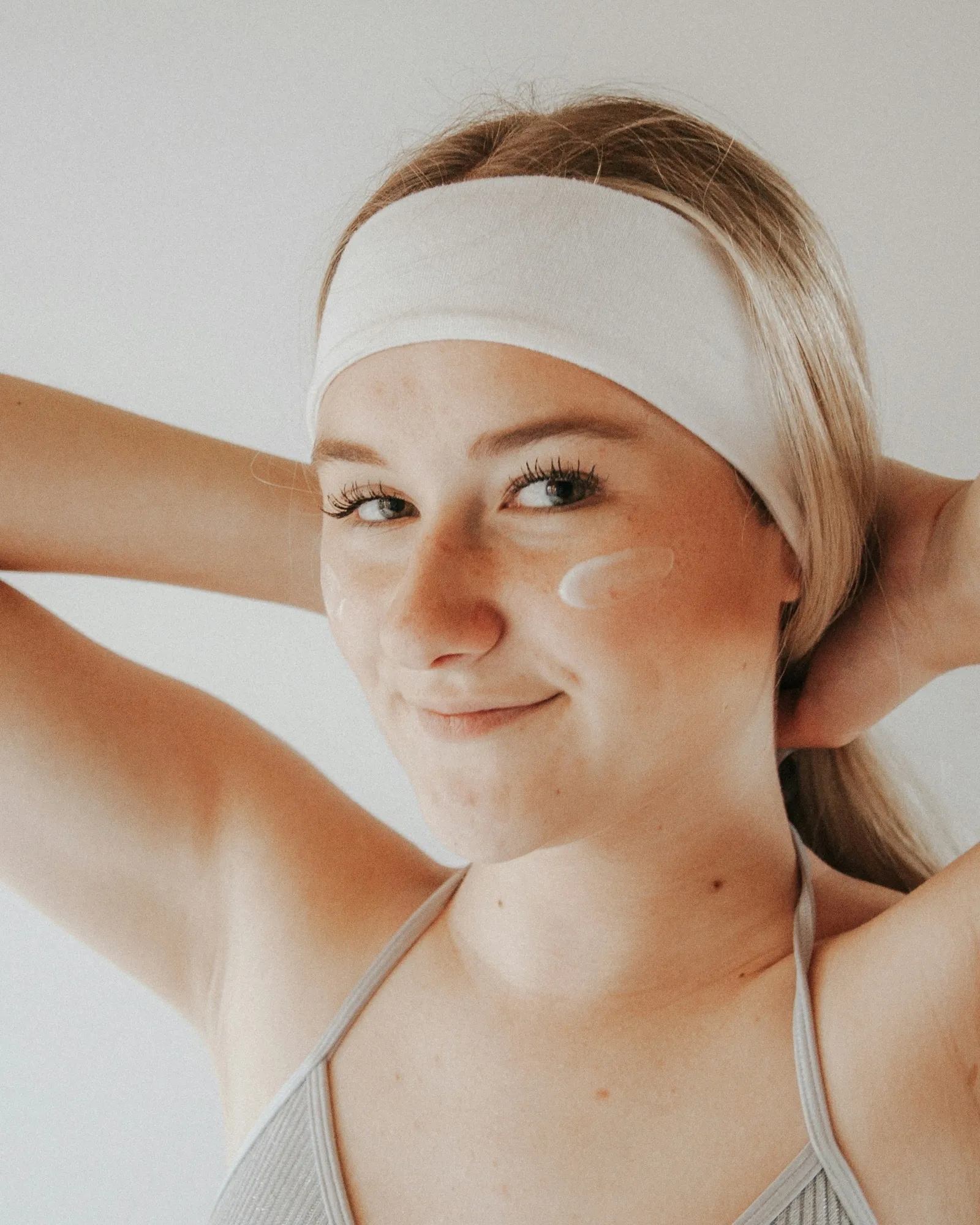
hero_image_alt: Japanese woman rinsing face with lukewarm water splash to protect skin barrier
thumbnail: /images/stock/hero-woman-face-wash-water-splash-fresh.webp
thumbnail_alt: Japanese woman rinsing face with lukewarm water splash to protect skin barrier
reading_time: 6
author: Editorial Team
publish: true
How to Rinse Face Properly: Japanese Lukewarm Guide
Quick answer
In Japanese dermatological practice, rinsing facial skin with lukewarm water calibrated strictly between 30°C and 32°C (nukumayu) is considered essential for barrier preservation. Water above 35°C liquefies and leaches protective stratum corneum ceramides, causing chronic dryness, while ice-cold water solidifies sebum and traps unrinsed surfactant film. Cupping water in hands and splashing 20 to 30 times ensures residue-free cleanliness without friction.
When discussing skincare routines, beauty enthusiasts spend hours scrutinizing cleanser ingredients, botanical extracts, and active serums. Yet in the Japanese aesthetic tradition, the single most critical factor determining post-wash skin quality is often an element taken completely for granted: the temperature and technique of water used for rinsing.
Many people rinse their face with whatever water temperature flows from the tap—or worse, let hot shower streams blast directly against their facial contours. Japanese aesthetic clinics and cosmetic scientists warn that improper water rinsing undoes the benefits of high-end skincare within seconds. Here is a scientific guide to why Japanese dermatologists advocate rinsing with lukewarm water between 30°C and 32°C, how temperature influences barrier lipid phase behavior, and the proper splash ritual.
Thermal Biophysics: Why 30°C to 32°C Is the Golden Range
Human skin surface temperature normally rests around 32°C to 34°C, several degrees lower than core body temperature (37°C). Water temperature dramatically affects the phase state of cutaneous lipids:
1. The Danger of Hot Water (Above 36°C)
Ceramide Liquefaction: Intercellular lipid bilayers in the outermost layer of the skin (stratum corneum) consist of ceramides, cholesterol, and free fatty acids arranged in dense lamellar sheets. When water exceeding 36°C hits the skin, it melts these crystalline lipid bilayers, leaching them out alongside cleanser surfactants.
Moisture Depletion: Washing with hot water spikes trans-epidermal water loss (TEWL), leaving skin taut, itchy, and stripped (tsuppari).
2. The Fallacy of Ice-Cold Water (Below 20°C)
Sebum Solidification: Cold water congeals liquefied sebum and cleanser esters, preventing them from emulsifying and washing away.
Surfactant Residue: Micelles become trapped in chilled pore margins, leaving a stubborn detergent residue that causes micro-inflammation.
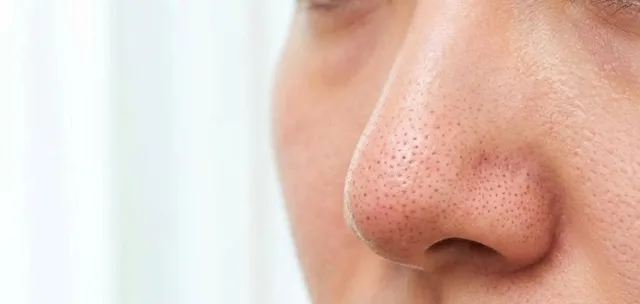
Temporary Pore Myth: While cold water provokes a transient pilomotor reflex (goosebumps) that makes pores appear tighter for several minutes, it has zero lasting effect on structural pore diameter.
3. The 30°C to 32°C Equilibrium (Nukumayu)
Water between 30°C and 32°C feels neither warm nor icy to the touch; in fact, it feels slightly cool against warm facial skin. This temperature allows surfactants and dissolved cosmetics to rinse away fluidly without reaching the melting threshold of human skin ceramides.
Comparison: Water Temperature Effects on Facial Skin
The biological reactions to varying rinsing temperatures demonstrate why lukewarm calibration is paramount:
Scroll horizontally to view full table
Water Temperature
Physical Sensation
Stratum Corneum Lipid Impact
Cleanser Residue Risk
Hot Water (38°C – 42°C)
Comfortingly warm / steamy
Severe extraction of ceramides; high TEWL surge
Very low (washes away everything, including skin barrier)
Lukewarm Water (30°C – 32°C)
Slightly cool / lukewarm (*nukumayu*)
Preserves crystalline ceramide lipid bilayers
Minimal (cleansers rinse cleanly and effortlessly)
Cold Tap Water (15°C – 20°C)
Chilled / refreshing shock
Low extraction, but shocks sensitive capillaries
High (solidifies sebum and locks soap scum onto skin)
The J-Beauty Rinsing Protocol: Step-by-Step Splash Technique
In Japan, how you deliver water to your face is just as crucial as the temperature. Follow these three cardinal rules:
Important Rule: Never Let the Shower Stream Hit Your Face
Direct water pressure from a showerhead exerts intense mechanical force on thin facial capillaries. Furthermore, standard shower water is typically heated to 38°C–40°C for body comfort—far too hot for facial skin. Always cup water in your hands or use a separate washbasin.
1. The Cupped-Hands Basin (20 to 30 Splashes)
Bring both hands together to form a deep bowl (te-zara). Fill palms with 30°C–32°C lukewarm water, bring hands to the face, and allow water to gently splash across contours. Repeat this cupping splash 20 to 30 times. The movement of water alone should rinse away foam without fingertips rubbing against skin.
2. Inspect Hidden Residue Zones
Detergent residues frequently linger in three specific areas, provoking localized breakouts:
The Hairline and Temples: Foam naturally migrates into hair roots during face washing.
The Sides of the Nose: Nasal folds catch concentrated lather bubbles.
Under the Jawline and Chin: Water cascades down the neck, depositing diluted surfactants along the lower mandible.
3. Soft Towel Pressing (Zero Dragging)
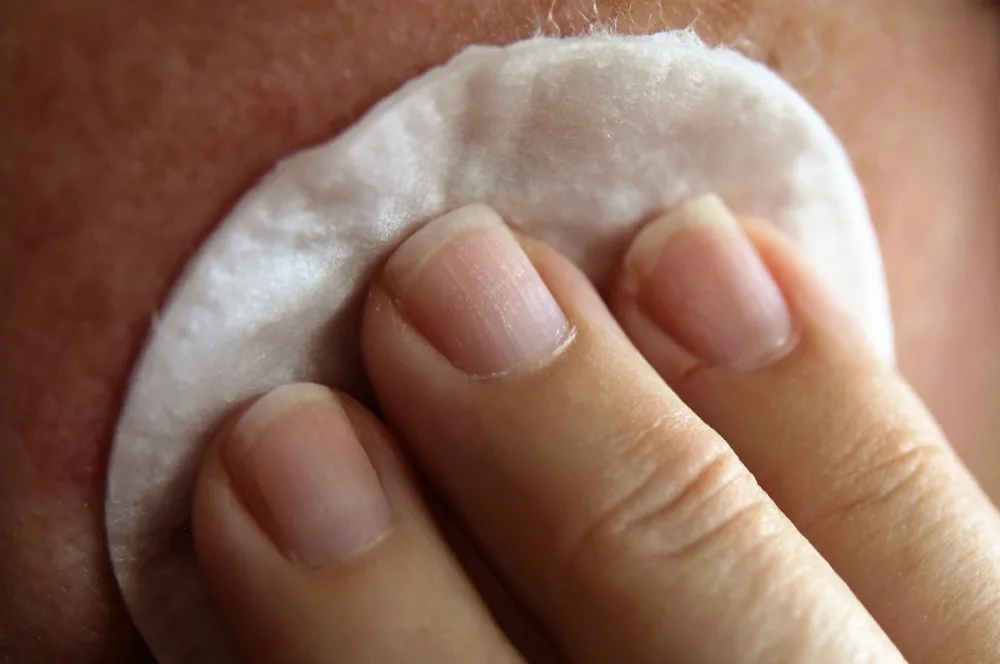
After rinsing, gently press a clean, fluffy cotton towel against the face. Never drag the fabric horizontally or rub in circles. Absorb moisture solely through vertical pressing.
The 60-Second Hydration Rule Following Rinsing
Because lukewarm water gently lifts surface impurities, the stratum corneum is in its most receptive—and vulnerable—state immediately following a rinse:
Evaporation Velocity: Within 60 seconds of towel-drying, ambient air begins pulling water out of bare surface corneocytes.
Apply Lotion Promptly (Keshosui): Dispense a generous coin-sized pool of hydrating Japanese lotion into palms and press gently into the face within one minute.
Seal with Lipids (Nyueki): Follow immediately with a lightweight milky emulsion to re-establish an emollient moisture film before trans-epidermal evaporation can occur.
Signs to stop and when to see a doctor
If your skin experiences chronic tightness, persistent stinging upon water contact, expanding redness around the nose and cheeks, or localized contact hives, assess your water temperature and cleanser formula. According to the Japanese Dermatological Association (JDA), "Contact dermatitis is a common condition encountered in dermatological practice, and if the specific triggering substance is identified and contact is discontinued, it is considered a condition that can be fully resolved." [1]
Furthermore, mastering lukewarm rinsing must be paired with consistent daytime photoprotection. Official dermatological guidance notes: "Regarding sunscreens, their consistent daily use is strongly recommended from the medical standpoint of future skin damage and skin cancer prevention." [2] While proper water temperature preserves barrier integrity, it cannot shield skin from solar radiation, as dermatologists confirm: "Normal biological aging involves the natural decline of physiological functions over time, whereas photoaging represents chronic, cumulative ultraviolet injury sustained by the skin tissue." [3] If facial redness or burning sensations persist despite gentle lukewarm care, consult a licensed dermatologist.
FAQ
Q1. How can I tell if water is between 30°C and 32°C without a thermometer?
A. It should feel neither warm nor icy, but slightly cool to touch.(Details)
Because normal palm temperature is around 34°C, water at 30°C to 32°C will feel slightly cooler than your hands. If the water feels warm or cozy against your palms, it is above 35°C and too hot for facial ceramides. Adjust until it feels pleasantly lukewarm to slightly cool.
Q2. Is it harmful to wash my face in the shower if I turn the temperature down?
A. Only if you avoid letting direct water pressure hit your face.(Details)
Lowering the shower temperature to 30°C is beneficial, but the mechanical spray pressure of showerheads still pounds against facial tissue. If washing in the shower, step away from the nozzle, cup lukewarm water in your hands, and splash your face gently.
Q3. Can hot water cause broken capillaries (spider veins) on the cheeks?
A. Yes, frequent hot water exposure contributes to chronic capillary dilation.(Details)
Repeated thermal shock from hot water forces facial micro-vessels to expand rapidly. In thin, sensitive skin, these capillaries can lose elasticity over time, remaining visibly dilated as spider veins (telangiectasia) across the cheeks and nasal wings.
Q4. Does cold water splashing help shrink enlarged pores?
A. No, pore contraction from cold water is temporary and does not alter size.(Details)
Pores do not have muscle tissue to open and close. The temporary tightening felt after ice water is an epidermal sensory contraction that subsides within minutes as skin warms back to ambient temperature. Stick to lukewarm water for healthy lipid maintenance.
Q5. Why do Japanese dermatologists recommend 20 to 30 splashes?
A. Multiple splashes ensure complete surfactant removal without physical rubbing.(Details)
Surfactant molecules cling electrostatically to stratum corneum proteins. A quick 5-splash rinse leaves invisible detergent residues behind. Repeating 20 to 30 cupped splashes dilutes and sweeps away all surfactant traces using fluid hydrodynamic flow rather than manual friction.
Summary
Proper facial rinsing is the cornerstone of Japanese barrier-first skincare:
30°C to 32°C Calibration: Keeps water slightly cool to touch, rinsing away cleansers without melting essential ceramides.
Avoid Hot Showers: Never expose fragile facial capillaries to direct hot showerhead spray.
Cupped-Hands Splashing: Perform 20 to 30 generous splashes to remove surfactant traces completely without rubbing.
Immediate Moisture Sealing: Pat dry with a clean towel and apply hydrating lotion (keshosui) within 60 seconds.
References
The Japanese Dermatological Association. Dermatological Q&A on Contact Dermatitis: Pathophysiology and Identifying Causative Contact Triggers (Q1). https://www.dermatol.or.jp/qa/qa4/q01.html (Accessed 2026-11-23)
The Japanese Dermatological Association. Dermatological Q&A on Sunscreen Application for Long-Term Prevention (Q25). https://www.dermatol.or.jp/qa/qa3/q25.html (Accessed 2026-11-23)
The Japanese Dermatological Association. Sunburn Q&A on Photoaging and Biological Alterations in Aging Skin (Q5). https://www.dermatol.or.jp/qa/qa2/q05.html (Accessed 2026-11-23)
Disclaimer: This article is for general information and education about Japanese cosmetics and their labels. It is not a substitute for professional medical advice, diagnosis, or treatment. Skincare results vary from person to person. Product formulas, availability, prices, and regulations change, and products sold in Japan can differ from versions sold elsewhere, so always check the current label. Do a patch test before introducing a new product, and consult a doctor or dermatologist if you have a skin condition or specific concerns.